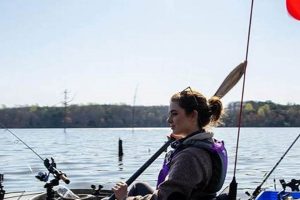
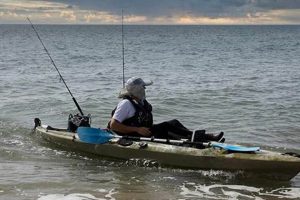
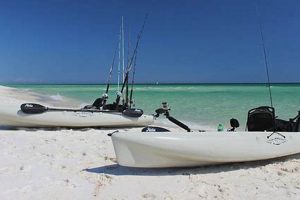
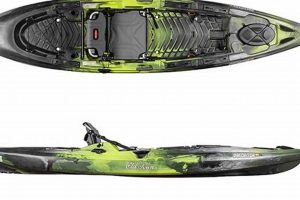
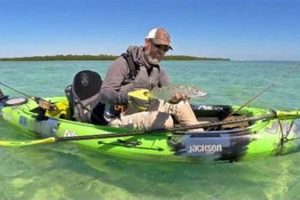
This concept likely refers to angling for large fish species in three distinct bodies of water using a 105-centimeter kayak. These water bodies could be a combination of rivers, lakes, or oceans, each presenting unique challenges and opportunities for anglers. A kayak of this length offers maneuverability and portability, advantageous for navigating diverse aquatic environments and transporting it to various locations. The emphasis on “big fish” suggests targeting trophy-sized specimens, potentially requiring specialized tackle and techniques.
Choosing a smaller vessel, such as a 105cm kayak, for this pursuit underscores the importance of portability and maneuverability over sheer capacity. This approach may appeal to anglers seeking a more intimate and challenging angling experience, prioritizing the navigation of diverse waters and the thrill of landing large fish from a smaller craft. This style of fishing can connect anglers more directly with the natural environment, offering a rewarding blend of skill, strategy, and adventure.
This framework allows for exploration of various topics, including suitable kayak features for different water types, target species selection based on location, effective fishing techniques from a kayak platform, and the importance of safety precautions when angling in diverse environments. Further discussion could delve into the environmental considerations of this fishing style and the responsible practices that ensure its sustainability.
Tips for Fishing Big Fish in Three Waters with a 105cm Kayak
Successfully targeting large fish across diverse aquatic environments from a 105cm kayak requires careful planning and execution. These tips offer guidance for maximizing success and ensuring angler safety.
Tip 1: Kayak Selection and Outfittings: A 105cm kayak’s portability is advantageous, but stability and storage capacity should be considered. Opt for models designed for fishing, featuring rod holders, anchor systems, and adequate storage for tackle and safety gear.
Tip 2: Location Scouting and Research: Thorough research of target species’ habitat preferences within each body of water is crucial. Identify potential fishing spots, considering factors like water depth, current patterns, and accessibility.
Tip 3: Specialized Tackle and Techniques: Match tackle to target species and fishing conditions. Consider heavier lines and robust rods suitable for landing large fish. Employ techniques appropriate for each environment, such as trolling in open water or casting near structures.
Tip 4: Safety Precautions and Equipment: Prioritize safety by wearing a personal flotation device and carrying essential safety gear, including a whistle, signaling device, and first-aid kit. Inform someone of fishing plans and expected return time.
Tip 5: Navigating Diverse Water Conditions: Understand the challenges of each water type. Rivers present currents and obstacles, lakes may have varying depths and vegetation, and oceans require attention to tides and weather patterns. Adapt paddling techniques accordingly.
Tip 6: Catch and Release Practices: Handle large fish with care to minimize stress and ensure their survival after release. Use appropriate tools for unhooking and support the fish’s body during handling.
Tip 7: Environmental Awareness and Responsibility: Respect aquatic ecosystems by minimizing disturbance and adhering to local fishing regulations. Pack out all trash and avoid disturbing sensitive habitats.
By adhering to these guidelines, anglers can enhance their chances of success while promoting responsible and sustainable fishing practices. Careful preparation and a respect for the environment contribute to a more rewarding and enjoyable fishing experience.
These tips provide a foundation for successful kayak fishing across different waters. Adaptation to specific circumstances and continuous learning are essential for maximizing angling opportunities.
1. Kayak Stability

Kayak stability plays a crucial role in the “3 waters big fish 105 kayak” concept. A 105cm kayak, while offering maneuverability and portability, presents inherent stability challenges due to its smaller size. When targeting large fish in diverse environmentsrivers, lakes, or oceansstability becomes paramount. Fighting a powerful fish from a less stable platform significantly increases the risk of capsizing, especially in challenging conditions like strong currents or choppy waters. This connection emphasizes the need for careful consideration of kayak design features that enhance stability, such as wider hulls, outriggers, or specialized seating systems.
Consider the scenario of hooking a large salmon in a fast-flowing river. A stable kayak allows the angler to focus on playing the fish and executing proper landing techniques, while an unstable kayak diverts attention to maintaining balance, significantly increasing the chance of losing the fish or even capsizing. Similarly, in ocean environments, encountering unexpected swells or waves requires a stable platform to maintain control and avoid taking on water. A stable kayak transforms the angling experience from precarious to controlled, enabling anglers to confidently pursue large fish across various water bodies. Choosing a kayak with enhanced stability features directly impacts the angler’s safety and overall success.
Prioritizing kayak stability is essential for safe and successful angling in the “3 waters big fish 105 kayak” context. Understanding the interplay between kayak size, target species, and water conditions allows anglers to make informed decisions regarding kayak selection and fishing strategies. This knowledge empowers anglers to maximize their chances of landing trophy fish while minimizing the risks associated with smaller kayak fishing. It underscores the importance of balancing maneuverability with stability when choosing a kayak for diverse angling environments.
2. Target Species

Target species selection is integral to the “3 waters big fish 105 kayak” framework. The chosen species influences equipment choices, location selection, and angling techniques. Different species exhibit varying habitat preferences, behavioral patterns, and fighting characteristics, impacting the angler’s approach across diverse aquatic environments.
- Habitat Preferences
Species-specific habitat preferences dictate location choices within the three waters. For instance, lake-dwelling species like largemouth bass may prefer areas with submerged structures, while river-dwelling species like catfish might gravitate towards deeper channels or undercut banks. Ocean species, such as tuna, could be found in open water or near reefs. Understanding these preferences guides anglers towards productive fishing grounds within each environment and informs decisions about kayak positioning and navigation strategies.
- Behavioral Patterns
Species exhibit unique behavioral patterns influencing angling techniques. Predatory fish like pike may respond aggressively to fast-moving lures, while bottom feeders like carp might prefer slower presentations of bait. Knowledge of these behaviors allows anglers to select appropriate lures, baits, and retrieval methods, maximizing their chances of attracting and hooking the target species within each distinct aquatic environment. This understanding also informs decisions about fishing times, as certain species may be more active during specific periods of the day.
- Fighting Characteristics
Target species exhibit diverse fighting characteristics, impacting equipment choices and angling strategies. Powerful fighters like muskie require heavier tackle and specialized techniques to avoid line breakage or equipment failure. Smaller, but agile species like trout might demand lighter lines and more delicate presentations. Matching equipment and techniques to the target species’ fighting abilities ensures a balanced and enjoyable angling experience, increasing the likelihood of landing the fish while minimizing the risk of equipment damage or loss.
- Regulations and Conservation
Specific regulations govern the targeting of certain species, including size limits, catch limits, and seasonal closures. Adhering to these regulations ensures responsible and sustainable fishing practices. Understanding these regulations for each target species across the three waters is crucial for legal compliance and the long-term preservation of fish populations. This includes awareness of protected species and areas where fishing is restricted or prohibited. Responsible angling contributes to the overall health and sustainability of aquatic ecosystems.
Considering these facets related to target species within the context of “3 waters big fish 105 kayak” emphasizes the interconnectedness of species selection, location, equipment, and angling techniques. Understanding these factors contributes to a more informed, successful, and sustainable angling experience across diverse aquatic environments.
3. Water Conditions

Water conditions significantly influence the success and safety of angling for large fish from a 105cm kayak across diverse environments. These conditions encompass factors such as current, wind, wave action, water temperature, clarity, and depth. Each factor presents unique challenges and opportunities, necessitating adaptability in angling strategies and emphasizing the importance of careful planning.
Current strength and direction in rivers directly impact kayak control and fishing techniques. Strong currents require specialized paddling techniques and anchoring strategies to maintain position and effectively present bait or lures. In lakes, wind-generated waves can affect kayak stability, particularly for smaller vessels like the 105cm kayak. Ocean environments introduce more complex wave action, tides, and currents, requiring advanced navigation skills and safety precautions. Water temperature influences fish behavior and distribution, dictating target species selection and fishing locations. Clarity affects visibility, impacting lure selection and presentation. Depth influences fish habitat and necessitates adjustments in fishing techniques and tackle choices.
For example, targeting largemouth bass in a shallow, weedy lake necessitates different techniques and equipment compared to pursuing salmon in a deep, fast-flowing river. Similarly, ocean fishing for tuna requires specialized tackle and navigation skills to manage challenging open-water conditions. Understanding these varying conditions is crucial for angler safety and successful angling. Ignoring these factors can lead to unproductive fishing trips, equipment damage, or even dangerous situations. A thorough assessment of water conditions informs decisions related to kayak selection, fishing location, tackle choices, and overall angling strategy. This knowledge empowers anglers to adapt to dynamic aquatic environments and maximize their chances of success while prioritizing safety.
4. Fishing Techniques
Fishing techniques are intrinsically linked to the “3 waters big fish 105 kayak” concept. The chosen techniques must adapt to the target species, specific water conditions, and the limitations of fishing from a small, maneuverable kayak. Effective techniques maximize angling success while ensuring safety and minimizing environmental impact.
Consider trolling for pelagic species in open ocean. This technique requires specialized equipment, including downriggers and planer boards, adapted for kayak use. Precise boat control is essential to maintain trolling speed and lure presentation, demanding skilled kayak handling in potentially challenging conditions. Alternatively, casting and retrieving lures near structures in a lake requires different techniques, focusing on accurate placement and varied retrieves to entice ambush predators. In rivers, drift fishing or anchoring near prime locations necessitates adapting to current flow and bottom structure. Each technique presents unique challenges and opportunities within the context of kayak fishing.
A 105cm kayak’s size and maneuverability influence technique selection and execution. Its smaller size limits equipment storage and requires careful weight distribution for stability. Maneuverability allows access to shallower waters and tighter spaces, advantageous for certain techniques like sight fishing or flipping and pitching. However, this smaller platform also requires refined angling skills to manage fish during the fight and landing. The choice of fishing techniques directly impacts the overall angling experience and success in each of the three water environments. Adaptability and a deep understanding of both the target species and the prevailing water conditions are essential for anglers employing a 105cm kayak to pursue big fish.
5. Safety Gear

Safety gear is paramount when pursuing large fish from a 105cm kayak across diverse water bodies. This compact vessel’s size and the dynamic nature of aquatic environments necessitate specific safety considerations. Prioritizing safety enhances the angling experience, mitigating potential risks associated with open water, challenging weather, and interactions with large fish.
- Personal Flotation Device (PFD)
A PFD is non-negotiable. Even strong swimmers can experience unexpected situations, like capsizing in cold water or being pulled overboard by a large fish. A PFD provides essential buoyancy, increasing survival chances significantly. Choosing a comfortable, well-fitting PFD designed for kayaking ensures unrestricted movement while fishing.
- Communication and Signaling Devices
Carrying a waterproof cell phone or VHF radio enables communication in emergencies. A whistle provides an audible signal if assistance is needed, especially in foggy conditions or at night. Visual distress signals, such as flares or a signal mirror, further enhance visibility to potential rescuers. These devices provide critical links to help in remote aquatic locations.
- Navigation and Lighting Equipment
A GPS device or chartplotter aids navigation, especially in unfamiliar waters or low-visibility conditions. A compass provides a backup navigation method. Carrying a headlamp or waterproof flashlight is essential for safe navigation in low-light or nighttime situations. These tools ensure anglers can maintain their bearings and safely return to shore.
- First-Aid and Emergency Kit
A well-stocked first-aid kit addresses minor injuries, such as cuts, scrapes, or hook removals. Essential items include antiseptic wipes, bandages, pain relievers, and sunscreen. Including a knife, multi-tool, and extra line and hooks allows for on-the-water repairs. These provisions promote self-sufficiency in remote locations, addressing immediate needs until further assistance is available.
These safety considerations are intrinsically linked to the “3 waters big fish 105 kayak” concept. Prioritizing safety gear, along with careful planning and awareness of water conditions, significantly mitigates risks inherent in this style of angling. Adequate preparation ensures a more enjoyable and safe fishing experience, allowing anglers to focus on the pursuit of trophy fish while minimizing potential hazards.
6. Legal Regulations
Legal regulations are integral to the “3 waters big fish 105 kayak” concept, ensuring responsible and sustainable fishing practices across diverse aquatic environments. Adhering to these regulations protects fish populations, preserves habitats, and maintains the overall health of aquatic ecosystems. Ignoring these rules can lead to penalties, damage fragile environments, and negatively impact future fishing opportunities.
- Fishing Licenses and Permits
Fishing licenses and permits are fundamental requirements for legal angling. Specific licenses may be required for different water bodies (rivers, lakes, oceans) and target species. These licenses fund conservation efforts and fisheries management programs. Anglers utilizing a 105cm kayak across multiple waters must ensure possession of the correct licenses for each location and target species, contributing to responsible resource management.
- Size and Catch Limits
Size and catch limits regulate the size and number of fish that can be legally harvested. These regulations protect younger fish, allowing them to reach maturity and contribute to breeding populations. Catch limits prevent overfishing, ensuring sustainable populations for future generations. Anglers pursuing big fish from a kayak must understand and adhere to these limits, practicing catch and release when appropriate, especially for trophy-sized specimens.
- Seasonal Closures and Restricted Areas
Seasonal closures protect fish during spawning periods, ensuring successful reproduction and population replenishment. Restricted areas, such as protected spawning grounds or sensitive habitats, safeguard vulnerable ecosystems. Anglers operating in diverse environments must be aware of these closures and restrictions, respecting these areas to minimize disturbance and maintain healthy fish populations. This awareness necessitates research and planning before venturing onto the water.
- Equipment and Method Restrictions
Regulations may restrict specific fishing gear or methods to protect certain species or habitats. For instance, limitations on hook sizes or bait types might be implemented to minimize harm to non-target species. Regulations could also restrict certain fishing techniques, such as the use of nets or explosives, to prevent overfishing or habitat destruction. Anglers using a 105cm kayak should be aware of and adhere to these restrictions, ensuring their fishing practices align with conservation principles.
Understanding and adhering to these legal regulations within the context of “3 waters big fish 105 kayak” underscores the importance of responsible angling. By respecting these rules, anglers contribute to the long-term health and sustainability of aquatic ecosystems, ensuring continued fishing opportunities for future generations. This responsible approach promotes a positive image of the sport and fosters a sense of stewardship among anglers.
7. Environmental Impact
Environmental impact represents a crucial consideration within the “3 waters big fish 105 kayak” framework. Angling across diverse aquatic environments using a small, maneuverable vessel necessitates careful attention to minimizing ecological disturbance and promoting responsible fishing practices. Understanding potential impacts and adopting sustainable approaches ensures the long-term health and preservation of these valuable ecosystems.
- Habitat Disturbance
Kayaks, while generally less impactful than motorized boats, can still disturb sensitive habitats. Improper anchoring, dragging kayaks across shallow areas, or disturbing vegetation can damage aquatic plant life, displace benthic organisms, and disrupt breeding grounds. Careful kayak handling, proper anchoring techniques, and avoiding sensitive areas minimize such disturbances, preserving the integrity of aquatic ecosystems. For example, anchoring in designated areas or utilizing drift fishing techniques minimizes physical contact with the environment, particularly in shallow or vegetated areas.
- Fish Handling and Release Practices
Improper fish handling can cause stress, injury, or even mortality, particularly for large fish targeted in this angling style. Minimizing air exposure, using appropriate handling tools like wet hands or landing nets, and promptly releasing fish back into the water reduces stress and increases survival rates. Practicing catch and release for trophy-sized fish contributes to maintaining healthy fish populations and preserving the genetic diversity of target species.
- Pollution and Waste Disposal
Discarded fishing line, hooks, lures, and other debris pose significant threats to aquatic life. Animals can become entangled in discarded lines, leading to injury or death. Ingestion of plastic debris can disrupt digestive systems and introduce toxins into the food chain. Responsible anglers adhere to “pack-in, pack-out” principles, carrying all trash back to shore for proper disposal, preventing pollution and minimizing harm to aquatic organisms.
- Invasive Species Introduction
Transporting kayaks between different water bodies can inadvertently introduce invasive species. Aquatic plants, invertebrates, or even fish eggs clinging to kayaks or gear can establish new populations in previously unaffected ecosystems. Thoroughly cleaning and drying kayaks and equipment between trips prevents the spread of invasive species, protecting native biodiversity and ecosystem balance. This simple precaution significantly mitigates the risk of introducing harmful organisms into new environments.
Considering these environmental impacts within the “3 waters big fish 105 kayak” context underscores the importance of responsible angling practices. Minimizing habitat disturbance, practicing proper fish handling and release, preventing pollution, and mitigating the risk of invasive species introduction are essential for maintaining healthy and sustainable aquatic ecosystems. By embracing these principles, anglers contribute to the long-term preservation of these valuable resources for future generations.
Frequently Asked Questions
This section addresses common inquiries regarding the pursuit of large fish across diverse water bodies using a 105cm kayak.
Question 1: Is a 105cm kayak suitable for landing large fish?
While a 105cm kayak’s compact size presents challenges, its maneuverability allows access to areas larger boats cannot reach. Proper angling techniques and appropriate tackle are crucial for successfully landing large fish from this platform.
Question 2: What safety precautions are essential when kayak fishing for large species?
Wearing a personal flotation device (PFD) is paramount. Carrying communication devices, signaling equipment, a first-aid kit, and navigation tools enhances safety, especially in remote or challenging conditions.
Question 3: How does one choose appropriate fishing locations across different water types?
Thorough research of target species’ habitat preferences is essential. Consider water depth, current patterns, structure availability, and accessibility when selecting fishing locations in rivers, lakes, or oceans.
Question 4: What fishing techniques are effective from a 105cm kayak?
Techniques such as trolling, casting and retrieving, drift fishing, and jigging can be adapted for kayak fishing. Adaptability to specific conditions and species behavior is crucial. The kayak’s maneuverability can be leveraged for techniques like sight fishing in shallow waters.
Question 5: What environmental considerations are important for kayak anglers?
Minimizing habitat disturbance through careful kayak handling and anchoring practices is crucial. Proper fish handling and release techniques, along with adherence to “pack-in, pack-out” waste disposal, minimize environmental impact.
Question 6: How do legal regulations affect kayak fishing across different waters?
Obtaining necessary fishing licenses and adhering to size and catch limits, seasonal closures, and equipment restrictions ensure legal compliance. Regulations vary by location and target species; thorough research is essential.
Careful planning, appropriate equipment, and adherence to safety and legal regulations are crucial for successful and responsible kayak fishing. Understanding the interplay of these factors enhances the angling experience and promotes the conservation of aquatic ecosystems.
Further exploration of specific techniques, equipment choices, and location-based strategies can provide additional insights for maximizing angling success.
Conclusion
Successfully pursuing large fish across diverse aquatic environments using a 105cm kayak requires a nuanced understanding of several interconnected factors. Kayak stability, target species selection, prevailing water conditions, effective fishing techniques, essential safety gear, adherence to legal regulations, and minimization of environmental impact all play crucial roles. Balancing a smaller vessel’s maneuverability with the challenges of landing large fish requires careful planning, adaptability, and a deep respect for the aquatic environment.
The pursuit of big fish from a 105cm kayak offers a unique blend of challenge and reward. This approach demands refined angling skills, strategic decision-making, and a commitment to responsible fishing practices. By embracing these principles, anglers can experience the thrill of pursuing trophy fish while contributing to the long-term health and sustainability of aquatic ecosystems, ensuring future generations can enjoy the same rewarding pursuit.