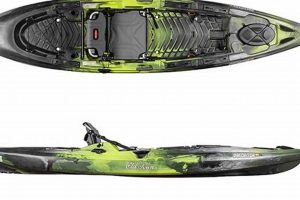
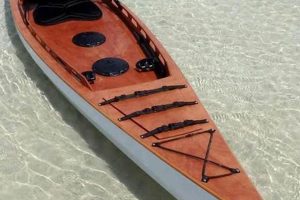
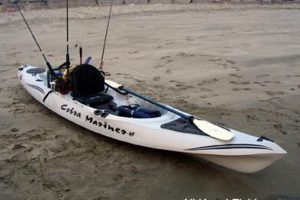
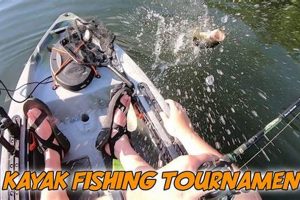
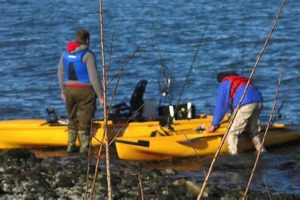
Small, human-powered vessels designed for angling are popular in the shallow, inshore waters around Sarasota, Florida. These vessels offer anglers access to diverse fisheries, from flats fishing for species like snook and redfish to targeting larger game fish offshore. They are often equipped with specialized features such as rod holders, live wells, and anchor trolleys, enhancing the fishing experience.
The calm, protected bays and plentiful fish populations make this region an ideal location for this activity. The relatively low cost of entry compared to larger motorized boats, coupled with the quiet, non-motorized approach, allows for a more intimate connection with the natural environment. This form of fishing has grown in popularity in recent years due to its accessibility and the increasing emphasis on eco-friendly recreational activities.
The following sections will explore optimal vessel selection, essential gear, popular fishing locations in the area, and responsible angling practices for maintaining the health of the local ecosystem.
Tips for Kayak Fishing in Sarasota
Successful angling from a kayak in Sarasota requires preparation and adherence to best practices. These tips offer guidance for a safe and productive experience.
Tip 1: Choose the Right Vessel: Consider the target species and fishing location when selecting a kayak. Longer kayaks offer better tracking for open water, while shorter, wider kayaks provide greater stability in calmer waters. Sit-on-top kayaks are generally preferred for fishing due to their self-bailing design.
Tip 2: Prioritize Safety Equipment: Always wear a personal flotation device (PFD) and carry essential safety gear, including a whistle, signaling device, and first-aid kit. Check local weather conditions before embarking and inform someone of the planned fishing location and return time.
Tip 3: Organize Tackle and Gear: Utilize tackle boxes and storage compartments to keep fishing gear organized and easily accessible. Consider using a crate or milk crate system for customization and added stability.
Tip 4: Employ Proper Paddling Techniques: Efficient paddling conserves energy and allows for greater range. Learn basic paddling strokes and practice maneuvering the kayak in various conditions.
Tip 5: Understand Local Regulations: Obtain the necessary fishing licenses and familiarize oneself with local fishing regulations, including size and catch limits. Practice catch-and-release techniques whenever possible to conserve fish populations.
Tip 6: Respect Wildlife and the Environment: Minimize disturbance to wildlife and avoid sensitive habitats like seagrass beds. Pack out all trash and fishing line to preserve the natural beauty of the area.
Tip 7: Plan for Tides and Currents: Understanding tidal flows and currents is crucial for successful kayak fishing. Plan fishing trips around favorable tides and currents to maximize fishing opportunities.
Adhering to these guidelines enhances safety, improves fishing success, and contributes to the preservation of Sarasota’s valuable aquatic resources.
By following these tips, anglers can enjoy a rewarding and sustainable experience on the waters of Sarasota.
1. Stable Hull Design

Hull design significantly influences the performance and suitability of a kayak for fishing in Sarasota’s diverse waters. A stable hull is paramount for anglers, providing a secure platform for casting, fighting fish, and navigating various conditions. Stability directly impacts safety and fishing effectiveness, particularly in the shallow bays, mangrove tunnels, and potentially choppy offshore waters characteristic of the region.
- Primary Stability:
Primary stability refers to a kayak’s initial resistance to tipping. A wider, flatter hull provides greater primary stability, beneficial for casting and retrieving lines while minimizing the risk of capsizing. This stability is crucial in calmer inshore waters where anglers may stand to sight fish.
- Secondary Stability:
Secondary stability refers to a kayak’s resistance to tipping at greater angles. Kayaks with rounded or flared hulls often exhibit greater secondary stability, providing a reassuring feel when leaning into turns or encountering waves. This is advantageous in open water or choppy conditions frequently encountered offshore.
- Hull Shape and Water Conditions:
The choice between a flatter, wider hull for primary stability and a more rounded hull for secondary stability depends on the intended fishing locations. For the calm waters of Sarasota Bay, a focus on primary stability is generally preferable. If venturing into the Gulf of Mexico, a design offering greater secondary stability is recommended.
- Impact on Angling Activities:
A stable hull allows anglers to focus on fishing rather than constantly managing balance. This stability provides a secure platform for casting, fighting fish, landing catches, and even photography, maximizing fishing enjoyment and success in the diverse environments found around Sarasota.
The selection of a kayak with an appropriate hull design directly impacts the overall fishing experience in Sarasota. Careful consideration of stability requirements based on anticipated fishing locations and conditions is essential for maximizing safety, comfort, and angling success.
2. Lightweight Construction

Lightweight construction is a critical factor in kayak selection for Sarasota fishing, impacting transportability, launch ease, and on-water maneuverability. The region’s diverse fishing environments often require navigating shallow water, launching from non-traditional access points, or transporting kayaks over soft sand or uneven terrain. A lighter kayak simplifies these logistical challenges, enabling anglers to reach more remote and productive fishing spots. For instance, lighter kayaks are significantly easier to car-top, carry across beaches, or launch from shallow shorelines. This advantage is particularly relevant in Sarasota, known for its numerous shallow-water flats and secluded mangrove islands.
The practical implications of a lightweight kayak extend beyond transportation. On the water, a lighter vessel requires less effort to paddle and maneuver, conserving angler energy for fishing. This reduced weight translates to increased responsiveness, allowing for quick adjustments in position to target fish effectively, especially in dynamic environments with changing currents or wind conditions. Moreover, lighter kayaks are generally easier to handle in wind, improving overall stability and control. This attribute is valuable in Sarasota’s open bay waters and nearshore Gulf locations where wind conditions can vary considerably.
While lightweight construction offers numerous advantages, it’s crucial to balance reduced weight with durability and stability. Modern kayak manufacturing techniques utilize advanced materials like rotomolded polyethylene or composites to achieve lightweight designs without compromising structural integrity. Careful consideration of these factors ensures a kayak suited to the specific fishing conditions encountered in Sarasota, providing a balance of portability, performance, and resilience for a positive and productive fishing experience.
3. Ample Storage Space

Adequate storage space is essential for a successful fishing kayak outing in Sarasota. The diverse fishing opportunities, ranging from inshore flats fishing to nearshore reefs and offshore pursuits, necessitate carrying a variety of tackle, gear, and safety equipment. Sufficient storage capacity ensures organized access to these items, maximizing efficiency and enjoyment on the water.
- Tackle Organization:
Dedicated compartments for tackle boxes, lures, and rigging materials maintain order and prevent tangles, crucial for quick lure changes and efficient rigging. Sarasota’s diverse fish species often require anglers to switch tactics throughout the day, making organized tackle storage paramount. Examples include separate compartments for topwater lures, jigs, soft plastics, and terminal tackle.
- Gear Storage:
Storage for essential gear such as anchors, drift chutes, landing nets, and safety equipment ensures these items are readily available when needed. Sarasota’s varying water depths and currents often necessitate deploying anchors or drift chutes, while landing nets are essential for safely securing catches. Dry storage compartments protect electronics and personal items from water damage.
- Catch Management:
Designated areas for storing caught fish, whether a live well, cooler, or fish bag, preserve the quality of the catch and maintain a clean and organized kayak. Sarasota’s warm climate necessitates proper fish handling practices to maintain freshness. Built-in coolers or insulated bags provide optimal temperature control.
- Personal Item Storage:
Secure storage for personal items such as sunscreen, water bottles, and snacks ensures comfort and convenience throughout the fishing trip. Sarasota’s sunny climate necessitates sun protection, while hydration is crucial for prolonged outings. Dedicated compartments protect these items from saltwater spray and prevent loss.
Ample storage space directly contributes to a more organized, efficient, and enjoyable fishing experience in Sarasota. By accommodating the necessary gear and providing designated areas for tackle, catches, and personal items, anglers can focus on fishing without the distractions of clutter or disorganization, maximizing their time on the water and enhancing their overall success.
4. Comfortable Seating
Comfortable seating is a critical aspect of kayak fishing in Sarasota, directly impacting angler endurance, focus, and overall enjoyment. Long hours on the water, often under the Florida sun, necessitate a supportive and adjustable seating system. Proper posture and comfort minimize fatigue, allowing anglers to remain focused on fishing and maximizing their time on the water. An uncomfortable seat can detract from the experience, leading to premature fatigue, discomfort, and a shortened fishing trip.
- Seat Design and Materials:
Seat design plays a crucial role in providing adequate support and comfort. Look for features like adjustable backrests, padded cushions, and breathable materials. High-quality, UV-resistant materials ensure durability and longevity under the intense Florida sun. Examples include seats with adjustable lumbar support, breathable mesh fabric, and molded padding for optimal pressure distribution.
- Adjustability and Customization:
Adjustable seating allows anglers to customize their position for optimal comfort and fishing effectiveness. Features like adjustable backrests, seat height adjustments, and leg positioners accommodate individual preferences and varying fishing styles. This customization is crucial for maintaining proper posture and reducing strain during long fishing trips in Sarasota’s diverse waters.
- Impact on Fishing Performance:
A comfortable seating system enhances fishing performance by reducing fatigue and allowing anglers to maintain focus and responsiveness. Proper posture and support improve casting accuracy, facilitate quick reactions to fish strikes, and enhance overall control of the kayak. This is particularly important in demanding fishing situations, such as sight-fishing in shallow flats or battling strong currents.
- Long-Term Health Considerations:
Comfortable seating contributes to long-term angler health by minimizing strain on the back, neck, and legs. Proper support and ergonomics reduce the risk of developing musculoskeletal issues associated with prolonged sitting. Investing in a comfortable and supportive seat is an investment in long-term health and enjoyment of the sport, ensuring many productive and pain-free fishing trips in Sarasota’s waters.
Choosing a kayak with comfortable and adjustable seating is essential for maximizing enjoyment and success during Sarasota fishing excursions. Prioritizing seating comfort enhances endurance, improves fishing performance, and contributes to long-term angler health, ensuring many rewarding days on the water.
5. Rod Holders & Gear Tracks
Integrated rod holders and gear tracks are essential components of a well-equipped fishing kayak intended for use in Sarasota waters. These features offer significant advantages in terms of organization, efficiency, and safety, contributing directly to a more productive and enjoyable fishing experience. Rod holders securely store rods while paddling, trolling, or handling fish, preventing loss or damage. Gear tracks provide versatile mounting points for accessories like fish finders, GPS units, cameras, and other equipment, customizing the kayak to individual angler needs and preferences. This adaptability is particularly valuable in Sarasota, given the diverse fishing styles employed, from inshore light tackle fishing to offshore trolling.
The practical benefits of rod holders and gear tracks extend beyond mere convenience. Having rods readily accessible in holders allows for quick reactions to fish strikes, maximizing hook-up ratios and minimizing lost opportunities. Securely stored rods also reduce line tangles and snags, common occurrences in Sarasota’s mangrove-lined shorelines and shallow flats. Similarly, the strategic placement of electronic devices using gear tracks enhances situational awareness, enabling anglers to navigate effectively, locate fish-holding structures, and monitor environmental conditions. For example, mounting a fish finder transducer on a gear track provides optimal sonar performance without compromising hull integrity or creating drag. Mounting a GPS unit within easy view allows for precise navigation through Sarasota’s intricate waterways and ensures safe return to launch points.
Effective integration of rod holders and gear tracks contributes significantly to the overall functionality and fishing success of a kayak in the diverse waters of Sarasota. These features streamline on-water operations, improve angler efficiency, and enhance safety, allowing anglers to focus on the core activity of fishing. The strategic placement and utilization of these components are crucial considerations for optimizing a Sarasota fishing kayak setup, maximizing its potential for a successful and enjoyable experience on the water.
6. Paddle & Propulsion Options
Paddle and propulsion choices significantly influence a fishing kayak’s effectiveness and suitability for Sarasota’s diverse waters. Selecting an appropriate system impacts maneuverability, speed, range, and overall fishing experience. Sarasota offers a variety of fishing environments, from calm, shallow flats to open bay waters and nearshore Gulf access, each presenting unique propulsion challenges and opportunities. Consideration of these factors is crucial for optimizing kayak performance and maximizing fishing success.
- Traditional Paddles:
Traditional paddles offer a simple, reliable, and cost-effective means of propulsion. Blade shape, length, and material construction influence paddling efficiency and comfort. Lightweight paddles with efficient blade designs are well-suited to Sarasota’s calmer waters, while longer paddles with more surface area provide greater power for navigating open areas or currents. Proper paddling technique is essential for maximizing efficiency and minimizing fatigue.
- Pedal-Powered Kayaks:
Pedal-powered kayaks utilize leg muscles for propulsion, freeing hands for fishing and offering increased speed and range. Fin-driven systems are effective in Sarasota’s shallow flats and bays, while propeller-driven systems provide greater thrust for open water or challenging currents. The hands-free operation allows anglers to maintain fishing readiness and react quickly to strikes.
- Motorized Kayaks:
Motorized kayaks offer increased speed and range, enabling anglers to cover greater distances and access remote fishing spots. Electric motors are popular choices for their quiet operation and environmental friendliness, aligning with Sarasota’s focus on preserving natural resources. Gas-powered motors offer increased power for larger kayaks or challenging conditions. Local regulations regarding motorized watercraft should be observed.
- Hybrid Approaches:
Hybrid approaches combine paddle power with other propulsion methods, offering versatility and adaptability to varying conditions. For example, a kayak equipped with both a paddle and a pedal drive allows anglers to switch between methods depending on the environment or fishing activity. This versatility is valuable in Sarasota’s diverse waters, allowing anglers to efficiently navigate both shallow flats and open bay areas.
The choice of paddle and propulsion system directly influences the effectiveness and enjoyment of a Sarasota fishing kayak experience. Careful consideration of the intended fishing locations, target species, and personal preferences guides selection of the most appropriate system for maximizing on-water performance, efficiency, and overall fishing success in this diverse and dynamic coastal environment.
7. Safety Features (PFD, leash)
Safety equipment is paramount for kayak fishing in Sarasota, given the potential hazards posed by changing weather conditions, vessel traffic, and the dynamic nature of the marine environment. Personal flotation devices (PFDs) and paddle leashes represent fundamental safety components, contributing significantly to angler well-being and preventing potentially life-threatening situations. Understanding their importance and proper usage is crucial for responsible kayak angling in this region.
- Personal Flotation Devices (PFDs):
PFDs are essential for all kayak anglers, providing buoyancy and increasing survival chances in the event of capsizing or unexpected immersion. Sarasota’s waterways, while generally calm, can experience sudden changes in wind and wave conditions. A properly fitted PFD ensures the angler remains afloat, particularly if injured or incapacitated. Type III PFDs, designed for paddling and offering freedom of movement, are generally preferred for kayak fishing. Regular inspection and proper maintenance of PFDs are crucial for ensuring their effectiveness in emergency situations.
- Paddle Leashes:
Paddle leashes connect the paddle to the kayak, preventing loss in the event of a capsize or accidental drop. In Sarasota’s often shallow waters, retrieving a lost paddle can be challenging, especially in windy conditions or strong currents. A leash ensures the paddle remains accessible, enabling self-rescue or assisted recovery. Various leash types are available, including coiled and straight designs, and selecting an appropriate length and attachment method is crucial for preventing entanglement and maintaining paddling efficiency.
- Whistles and Signaling Devices:
Carrying a whistle is a simple yet effective safety measure, enabling anglers to signal for assistance in emergencies. Sound travels farther than voice calls, particularly in windy conditions or across open water. A whistle’s high-pitched sound attracts attention and can alert nearby boaters or rescuers. Additional signaling devices, such as flares or mirrors, can further enhance visibility and increase the chances of prompt rescue in Sarasota’s expansive waterways.
- Communication Devices:
Carrying a waterproof cell phone or VHF radio enables communication in emergencies or for routine check-ins. Sarasota’s coastal areas often have reliable cell phone coverage, allowing for direct contact with emergency services or family members. VHF radios provide direct communication with other boaters and the Coast Guard, particularly useful in offshore areas or during periods of inclement weather. Ensuring devices are charged and stored in waterproof containers is crucial for maintaining functionality in a marine environment.
Prioritizing safety through the proper use of PFDs, paddle leashes, and other safety equipment significantly enhances angler well-being during Sarasota kayak fishing excursions. These precautions mitigate potential risks associated with the marine environment, contributing to a safer and more enjoyable experience on the water. Consistent adherence to safety practices and regular equipment checks demonstrate responsible angling behavior and contribute to the overall safety and well-being of the kayaking community in Sarasota’s waters.
Frequently Asked Questions
This section addresses common inquiries regarding kayak fishing in Sarasota, providing concise and informative responses to assist anglers in planning safe and successful excursions.
Question 1: What type of kayak is best suited for fishing in Sarasota?
The optimal kayak depends on the intended fishing location and target species. Sit-on-top kayaks are generally preferred for their stability and self-bailing design. Longer kayaks offer better tracking in open water, while shorter, wider kayaks provide enhanced stability in calmer environments like Sarasota Bay. Consider features like rod holders, storage compartments, and comfortable seating when selecting a fishing-specific model.
Question 2: What essential safety gear is required for kayak fishing in Sarasota?
Essential safety gear includes a properly fitted personal flotation device (PFD), a whistle, a paddle leash, and a waterproof communication device (cell phone or VHF radio). A first-aid kit, signaling devices (flares or mirror), and navigation tools (chart, compass, GPS) are also recommended, particularly for longer trips or offshore ventures. Checking weather conditions before departure and informing someone of the planned route and return time are crucial safety precautions.
Question 3: Where are popular kayak fishing locations in Sarasota?
Popular locations include Sarasota Bay, Lido Key, Siesta Key, and the numerous mangrove islands and shallow flats within the bay system. Nearshore reefs and offshore areas accessible by kayak offer opportunities for targeting larger species. Local bait and tackle shops can provide valuable insights into current fishing conditions and productive spots. Consulting nautical charts and tide tables is essential for safe navigation and planning fishing trips.
Question 4: What fishing licenses and regulations apply to kayak anglers in Sarasota?
Anglers require a valid Florida fishing license, available online or through authorized vendors. Specific regulations regarding size and catch limits apply to various species and locations. Familiarization with these regulations is crucial for legal and responsible fishing practices. Information on licensing requirements and current regulations can be found on the Florida Fish and Wildlife Conservation Commission (FWC) website.
Question 5: What environmental considerations are important for kayak fishing in Sarasota?
Minimizing environmental impact is crucial for preserving Sarasota’s delicate ecosystems. Practicing catch-and-release whenever possible helps conserve fish populations. Avoiding sensitive habitats like seagrass beds and mangrove nurseries protects critical breeding and feeding grounds. Retrieving all fishing line and packing out any trash prevents pollution and protects marine wildlife. Respecting wildlife by observing from a distance and minimizing disturbance contributes to maintaining the natural balance of the environment.
Question 6: What resources are available for learning more about kayak fishing in Sarasota?
Local kayak fishing clubs, outfitters, and guide services offer valuable resources for learning more about the sport and improving techniques. Online forums and social media groups dedicated to kayak fishing provide platforms for sharing information and connecting with other anglers. Educational resources on kayak safety, fishing techniques, and environmental stewardship are available through organizations like the American Canoe Association (ACA) and the FWC.
Careful consideration of these frequently asked questions enhances preparedness and promotes responsible angling practices within Sarasotas unique and valuable coastal environment.
For further information on specific aspects of kayak fishing in Sarasota, explore the resources and guides available online and through local organizations.
Sarasota Fishing Kayak
Exploration of this activity reveals the confluence of optimal vessel selection, appropriate gear utilization, and respect for the natural environment. Considerations encompassing hull design, propulsion methods, storage capacity, and safety features contribute significantly to a successful and enriching experience. Furthermore, adherence to responsible angling practices ensures the preservation of Sarasota’s vibrant aquatic ecosystems.
The continued growth and enjoyment of this pursuit hinges upon the collective commitment to sustainable practices and informed decision-making. Through thoughtful preparation and mindful engagement, the unique opportunities offered by Sarasota’s coastal waters can be enjoyed for generations to come.