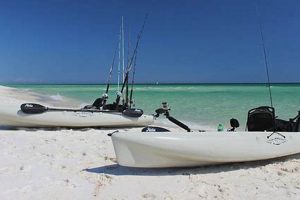
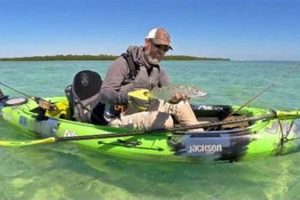
The practice of angling from a small, human-powered watercraft offers a unique and accessible way to experience the diverse marine life off the coast of this South African city. This method allows anglers to explore shallower waters and navigate hard-to-reach areas, providing an intimate connection with the ocean environment. Launching from various points along the coastline opens up possibilities for targeting a range of species, from game fish in deeper waters to smaller catches closer to shore.
This style of fishing provides a sustainable and environmentally friendly approach to enjoying the aquatic resources of the region. Its low impact minimizes disturbance to marine ecosystems and encourages a responsible angling experience. Historically, small craft have been used for fishing in the area, evolving from traditional methods to the modern, specialized equipment available today. This evolution reflects the growing popularity of this activity and its integration into the local recreational landscape.
Further exploration will cover topics such as suitable locations, recommended equipment, target species, safety considerations, local regulations, and the growing community surrounding this activity.
Tips for Kayak Fishing in Durban
Successful angling from a kayak in Durban requires preparation and adherence to best practices. The following tips offer guidance for a safe and productive experience.
Tip 1: Check Weather and Sea Conditions: Prior to launching, consult marine forecasts for wind speed, wave height, and swell direction. Postponing trips in unfavorable conditions prioritizes safety.
Tip 2: Choose Appropriate Launch Sites: Select launch sites based on prevailing conditions and target fishing areas. Protected bays and beaches offer calmer entry points, while more exposed locations may suit experienced paddlers.
Tip 3: Utilize Essential Safety Equipment: A personal flotation device (PFD), a signaling device (whistle or flare), and a communication device (waterproofed mobile phone) are crucial safety items.
Tip 4: Plan Fishing Routes Strategically: Research potential fishing spots, including reefs, drop-offs, and areas with current breaks. Mapping routes optimizes fishing time and reduces unnecessary paddling.
Tip 5: Employ Suitable Tackle and Techniques: Use appropriate rods, reels, lines, and lures for target species. Consider techniques such as trolling, bottom fishing, or jigging, adapting methods to the local environment.
Tip 6: Practice Responsible Catch and Release: Handle fish with care, minimizing air exposure and using appropriate tools for hook removal. Prioritize releasing catches quickly and unharmed to preserve fish populations.
Tip 7: Respect Local Regulations and Etiquette: Adhere to fishing license requirements, size and bag limits, and any protected species regulations. Respect other anglers and maintain a clean environment.
By adhering to these guidelines, anglers can enhance their chances of success while contributing to a safe and sustainable fishing environment. These practices ensure both an enjoyable and responsible experience.
This practical advice lays the foundation for a fulfilling experience. The following section will discuss resources for local information and support networks relevant to anglers.
1. Location

Strategic location selection is paramount for successful kayak fishing in Durban. The diverse coastline offers a range of environments, each presenting unique opportunities and challenges. Understanding these nuances allows anglers to optimize their experience and target specific species.
- Launch Sites:
Choosing an appropriate launch site dictates accessibility and influences the fishing area. Protected beaches like Addington Beach offer calmer launching conditions ideal for beginners, while more experienced paddlers might choose the more exposed launch at Vetch’s Pier for quicker access to deeper waters. Factors like parking availability, proximity to target fishing grounds, and prevailing sea conditions influence launch site selection.
- Nearshore Environments:
Exploring nearshore areas like the shallow reefs around Durban Harbour or the rocky outcrops north of Umhlanga provides opportunities for targeting species such as rockcod and shad. These areas offer sheltered conditions and are easily accessible from various launch points. However, navigating shallow reefs requires careful attention to tides and potential submerged obstacles.
- Offshore Reefs and Deeper Waters:
Venturing further offshore to deeper reefs and drop-offs, accessible from launches like Blue Lagoon, opens possibilities for targeting larger pelagic species such as tuna and dorado. These locations demand more experience and seamanship due to increased exposure to wind and waves. Specialized kayak fishing equipment, including GPS and fish finders, becomes advantageous in these environments.
- Estuarine Systems:
The Durban area offers several estuarine systems, like the Umgeni River mouth, which provide unique fishing opportunities. These calmer waters are suitable for less experienced kayakers and present opportunities for targeting species like grunter and perch. However, tidal flows and potential encounters with other watercraft require careful consideration.
Careful consideration of location factors, coupled with an understanding of target species and personal experience levels, contributes significantly to a successful kayak fishing outing in Durban. Matching the chosen location to these factors enhances the overall experience and maximizes the chances of a productive and enjoyable fishing trip.
2. Equipment

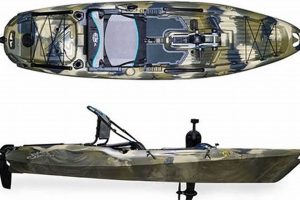
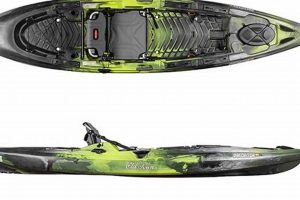
Specialized equipment plays a crucial role in successful and safe kayak fishing in Durban. Appropriate gear selection enhances angler performance and contributes significantly to the overall experience. The connection between equipment and the activity is fundamental, impacting both fishing success and personal safety. Choosing suitable equipment depends on several factors, including target species, fishing location, and individual experience levels. For example, targeting larger game fish offshore necessitates heavier tackle and specialized rods and reels compared to fishing for smaller species in estuaries. Similarly, navigating challenging sea conditions requires a more stable and robust kayak design.
Rods and reels specifically designed for kayak fishing offer advantages in maneuverability and functionality within the confined space of a kayak. Shorter rods are often preferred for ease of handling and casting. A fish finder significantly improves the ability to locate fish aggregations and identify underwater structures. Selecting appropriate lures or bait is crucial for targeting specific species. For example, live bait might be effective for targeting shad, while artificial lures could be better suited for king mackerel. Safety equipment, including a personal flotation device (PFD), a leash connecting the angler to the kayak, and communication devices, are non-negotiable components of responsible kayak fishing. Navigation tools, such as a GPS unit and charts, become increasingly important when venturing further offshore.
Investing in appropriate equipment contributes directly to successful fishing outcomes and enhances safety. Understanding the function and application of specialized gear allows anglers to adapt to varying conditions and target species effectively. The practical significance of this understanding translates directly to a more productive and enjoyable fishing experience. However, the cost of specialized equipment can present a barrier to entry for some individuals. Exploring affordable options, such as renting equipment or purchasing used gear, can provide alternative pathways to participation. The importance of proper equipment maintenance should also be emphasized to ensure longevity and optimal performance.
3. Species

The diverse fish species inhabiting the waters off Durban are central to the kayak fishing experience. Understanding the prevalent species, their behavior, and preferred habitats significantly influences angling strategies and overall success. This knowledge informs decisions regarding tackle choices, fishing locations, and techniques employed. The connection between target species and fishing outcomes is inextricably linked, emphasizing the importance of species-specific knowledge.
Common target species in the Durban area include shad (Pomatomus saltatrix), a popular game fish known for its aggressive strikes, often found near river mouths and along the surf zone. King mackerel (Scomberomorus commerson) represent another prized catch, typically found in deeper offshore waters. Bottom-dwelling species like rockcod (Epinephelus spp.) and kob (Argyrosomus spp.) offer further angling opportunities, particularly around reefs and rocky structures. Garrick (Lichia amia) present a challenging yet rewarding target, often found patrolling shallow waters and estuaries. Knowledge of preferred bait and feeding patterns enhances the likelihood of successful capture. For example, shad often respond well to live bait or brightly colored lures, while king mackerel are typically targeted with trolled lures or live bait. Understanding the migratory patterns of certain species, such as shad, further refines fishing strategies.
Comprehending the ecological role of each species within the marine ecosystem contributes to a responsible and sustainable fishing practice. Adhering to size and bag limits, practicing catch and release techniques, and avoiding fishing in protected areas help maintain healthy fish populations. This understanding underscores the importance of conservation efforts and the long-term sustainability of the sport. Challenges such as misidentification of species or unintentional capture of protected species can be mitigated through education and access to reliable resources. The practical significance of this knowledge extends beyond individual fishing success to encompass broader ecological considerations and the preservation of marine biodiversity.
4. Safety
Safety is paramount in kayak fishing off Durban. The ocean environment presents inherent risks, requiring careful planning and preparation. Neglecting safety precautions can lead to serious consequences, including injury or even fatality. Understanding the potential hazards and implementing appropriate safety measures are essential for a positive experience. The dynamic nature of the ocean, with changing weather patterns and unpredictable sea conditions, necessitates constant vigilance. A sudden shift in wind or an unexpected swell can create hazardous situations quickly. For instance, a strong offshore wind can make returning to shore challenging, even for experienced paddlers. Similarly, encountering strong currents or rip tides can pose significant risks. Real-life examples of incidents involving capsized kayaks or anglers swept out to sea underscore the critical importance of safety consciousness.
Practical safety measures include wearing a personal flotation device (PFD) at all times, carrying a communication device such as a VHF radio or a waterproofed mobile phone, and informing someone on shore of the planned fishing route and estimated return time. Checking weather forecasts and sea conditions before launching is crucial. Understanding and respecting one’s own skill level and limitations are also essential. Choosing appropriate launch sites based on prevailing conditions and avoiding venturing out in adverse weather are further examples of prudent safety practices. Carrying essential safety gear, including a signaling device like a flare or whistle, and a first-aid kit, further enhances preparedness. Regular equipment checks and maintenance, particularly of the kayak’s hull and paddle, contribute to preventing potential equipment failures that could compromise safety.
Prioritizing safety in kayak fishing contributes significantly to a positive and enjoyable experience. A comprehensive understanding of potential hazards and the consistent application of safety measures mitigate risks effectively. This proactive approach not only safeguards individual well-being but also fosters a culture of responsibility within the kayak fishing community. Challenges remain, however, in ensuring consistent adherence to safety protocols. Continued education and awareness campaigns can reinforce the importance of safety and encourage responsible practices among all participants.
5. Regulations

Adhering to local regulations is essential for responsible and sustainable kayak fishing in Durban. These regulations aim to protect fish stocks, preserve marine ecosystems, and ensure the safety of all participants. Ignoring these rules can lead to penalties and negatively impact the environment. Understanding and complying with these regulations contribute to the long-term viability of the sport and the health of the marine environment. These rules govern aspects such as licensing requirements, permitted fishing areas, size and bag limits for specific species, and the use of certain fishing gear.
- Fishing Licenses:
A valid fishing license is mandatory for all anglers in Durban, including those fishing from kayaks. Licenses can be obtained from authorized vendors or online through the relevant authorities. Fishing without a license can result in fines and confiscation of equipment. Different license types exist, catering to various fishing activities and durations, such as recreational or shore-based angling. Ensuring the correct license type aligns with the intended fishing activity is crucial for compliance.
- Size and Bag Limits:
Regulations stipulate minimum sizes and maximum bag limits for specific fish species. These limits aim to protect juvenile fish and prevent overfishing. Accurate identification of species is crucial for adhering to these regulations. For example, specific size limits exist for shad and king mackerel, common target species in Durban. Exceeding these limits can lead to penalties and contribute to the depletion of fish populations.
- Protected Species:
Certain species are protected by law and are strictly prohibited from being targeted or caught. These regulations aim to conserve vulnerable or endangered species. Accidental capture of protected species should be reported to the relevant authorities. Examples of protected species in the Durban area might include specific types of sharks or rays. Understanding which species are protected and avoiding their capture is crucial for compliance.
- Restricted Areas:
Certain areas may be designated as marine protected areas or no-fishing zones. Fishing within these areas is strictly prohibited to preserve sensitive ecosystems or specific habitats. These restrictions might apply to certain sections of the coastline or estuaries. Respecting these boundaries and avoiding fishing in restricted areas is essential for maintaining the integrity of these protected environments.
Compliance with these regulations is not merely a legal obligation but a demonstration of responsible angling practice. Adhering to these rules contributes to the sustainability of fish populations, the preservation of marine biodiversity, and the overall health of the Durban marine environment. Ultimately, respecting these regulations benefits all stakeholders, including anglers, the local community, and the environment itself. These regulations evolve over time based on scientific data and conservation needs, emphasizing the importance of staying informed and adapting to any changes.
6. Tides & Currents
Comprehending the influence of tides and currents is fundamental to successful kayak fishing in Durban. These natural forces significantly impact fish behavior, feeding patterns, and navigable waterways. An understanding of tidal cycles and current dynamics allows anglers to optimize fishing strategies, access productive areas, and ensure safe navigation. Neglecting these factors can lead to unproductive fishing trips and potentially hazardous situations. The interplay between tides and currents shapes the underwater landscape, influencing where fish congregate and how they move.
- Tidal Cycles:
Tidal cycles, driven by the gravitational pull of the moon and sun, cause predictable fluctuations in water levels. Incoming tides flood estuaries and coastal areas, creating new feeding opportunities for fish. Outgoing tides concentrate fish in channels and deeper pools as water recedes. Understanding high and low tide times allows anglers to plan fishing trips strategically, targeting specific areas based on tidal stage. For instance, fishing near a river mouth during an incoming tide can be highly productive as baitfish and predatory species are drawn to the influx of nutrient-rich water.
- Current Dynamics:
Currents, influenced by tides, wind, and bathymetry, create distinct patterns of water movement. These currents can concentrate baitfish and create feeding lanes for predatory species. Areas with converging currents or current breaks often hold higher concentrations of fish. Kayak anglers can utilize this knowledge to position themselves strategically within the current flow, presenting lures or bait effectively. Strong currents can also pose challenges for kayak navigation, requiring careful paddle strokes and maneuvering to maintain position or reach desired fishing spots.
- Rip Currents:
Rip currents are powerful, narrow channels of fast-moving water flowing away from the shore. These currents can be hazardous for swimmers and kayakers alike. Recognizing rip currents and understanding how to navigate them safely is crucial. Anglers should avoid paddling directly against a rip current. Instead, paddling parallel to the shore allows escape from the current’s pull. While rip currents present dangers, they can also create productive fishing areas as they often carry baitfish and attract larger predatory species.
- Tidal Influence on Species Behavior:
Different fish species exhibit varying behaviors in response to tidal changes. Some species, like shad, move into shallower waters with the incoming tide to feed. Others, like rockcod, might seek refuge in deeper holes or around reefs during outgoing tides. Understanding these species-specific behaviors allows anglers to target specific fish based on tidal stage and location. For instance, fishing for shad near the surf zone during an incoming tide increases the likelihood of encountering these fish as they actively pursue baitfish.
Effectively incorporating knowledge of tides and currents into kayak fishing strategies significantly enhances angling success. By understanding these dynamic forces, anglers can predict fish movement, identify productive fishing areas, and navigate safely. This knowledge, combined with appropriate fishing techniques and species-specific understanding, contributes to a more rewarding and informed kayak fishing experience in Durban. Furthermore, awareness of these factors promotes responsible angling practices by minimizing environmental impact and maximizing fishing efficiency.
7. Community
The social dimension of kayak fishing in Durban contributes significantly to the overall experience. Connecting with other anglers fosters a sense of camaraderie, facilitates knowledge sharing, and promotes responsible angling practices. This community aspect extends beyond individual fishing trips, encompassing a broader network of individuals passionate about this activity. Engagement within this community enhances enjoyment, fosters skill development, and strengthens the collective commitment to sustainable fishing practices. The shared experience of kayak fishing creates a natural platform for social interaction and mutual support.
- Local Kayak Fishing Clubs:
Joining a local kayak fishing club provides a structured platform for connecting with fellow anglers. Clubs often organize group fishing trips, competitions, and social events, creating opportunities for shared experiences and knowledge exchange. Members can benefit from the collective expertise within the club, gaining insights into local fishing spots, effective techniques, and relevant safety procedures. For example, the Durban Kayak Fishing Club might organize monthly outings to specific locations, offering members a chance to fish together and learn from each other’s experiences. These clubs also play a crucial role in advocating for responsible fishing practices and promoting conservation efforts within the local community.
- Online Forums and Social Media Groups:
Online platforms, including forums and social media groups dedicated to kayak fishing in Durban, provide virtual spaces for anglers to connect, share information, and discuss various aspects of the activity. These platforms facilitate real-time communication, enabling anglers to exchange tips, seek advice, and organize impromptu fishing trips. For instance, anglers might use a Facebook group to discuss recent catches, share information about sea conditions, or ask for recommendations on suitable kayak models. These online communities extend the social dimension of kayak fishing beyond physical gatherings, fostering a sense of connection and shared passion.
- Local Tackle Shops and Outfitters:
Local tackle shops and outfitters specializing in kayak fishing equipment serve as hubs for information and community interaction. These businesses often employ experienced anglers who can provide valuable advice on tackle selection, fishing techniques, and local regulations. They also serve as gathering points for anglers seeking information or looking to connect with others in the community. For example, a local tackle shop might host workshops on kayak fishing techniques or organize guided fishing trips, fostering interaction and skill development within the community.
- Conservation Initiatives and Advocacy:
The kayak fishing community in Durban plays an active role in conservation initiatives and advocacy efforts aimed at protecting local marine ecosystems. Anglers often participate in beach cleanups, contribute to research projects, and advocate for responsible fishing practices. This collective engagement reflects a deep appreciation for the environment and a commitment to ensuring the sustainability of the sport. For example, kayak anglers might collaborate with local conservation organizations to monitor fish populations, collect data on water quality, or participate in educational programs to raise awareness about marine conservation.
The sense of community surrounding kayak fishing in Durban enhances the overall experience, fostering camaraderie, promoting responsible practices, and contributing to the conservation of local marine resources. These interconnected networks of anglers, both online and offline, create a supportive and informative environment that benefits both individual anglers and the broader marine ecosystem. The shared passion for kayak fishing forms a strong foundation for collective action and strengthens the commitment to preserving the natural environment for future generations.
Frequently Asked Questions
This section addresses common inquiries regarding kayak fishing in Durban, providing concise and informative responses.
Question 1: What are the primary safety concerns associated with kayak fishing in Durban?
Primary safety concerns include changing weather conditions, strong currents and rip tides, encounters with larger marine vessels, and potential equipment malfunctions. Adequate preparation, adherence to safety protocols, and continuous awareness of the surrounding environment mitigate these risks.
Question 2: What essential equipment is required for kayak fishing in Durban?
Essential equipment includes a suitable kayak designed for fishing, a paddle, a personal flotation device (PFD), appropriate fishing rods and reels, tackle suited to target species, safety gear (whistle, flare, communication device), and navigation tools (GPS, charts). Specialized equipment like fish finders and anchors enhance the experience.
Question 3: Are there specific regulations or licensing requirements for kayak fishing in the area?
A valid recreational fishing license is required. Specific regulations govern size and bag limits for various species, and certain areas may be designated as no-fishing zones. Adherence to these regulations is mandatory.
Question 4: Where are recommended launch sites for kayak fishing near Durban?
Recommended launch sites vary based on experience level and target fishing areas. Protected beaches and bays offer calmer launching conditions, while more exposed locations provide quicker access to deeper waters. Consulting local resources or experienced anglers provides valuable insights into suitable launch sites based on specific needs and prevailing conditions.
Question 5: What are the most commonly targeted fish species in Durban waters accessible by kayak?
Commonly targeted species include shad, king mackerel, rockcod, kob, and garrick. The choice of target species influences tackle selection, fishing location, and techniques employed.
Question 6: How does one find information on local tides and currents relevant to kayak fishing in Durban?
Tide charts and current information can be obtained from various online resources, maritime agencies, or local tackle shops. Understanding these patterns significantly influences fishing strategies and navigational safety.
Careful consideration of these frequently asked questions contributes to a safer, more productive, and enjoyable kayak fishing experience in Durban. Consulting local experts and resources further enhances preparedness and knowledge.
The next section will provide additional resources and contact information for relevant organizations related to kayak fishing in Durban.
Kayak Fishing Durban
This exploration has provided a comprehensive overview of kayak fishing in Durban, encompassing key aspects such as suitable locations, essential equipment, target species, safety considerations, relevant regulations, the influence of tides and currents, and the significance of community engagement. The interconnectedness of these elements underscores the multifaceted nature of this activity, highlighting the importance of informed preparation and responsible practices.
The future of kayak fishing in Durban hinges on the continued commitment to sustainable practices and the active participation of the angling community. Respecting the marine environment, adhering to regulations, and promoting responsible angling etiquette ensure the long-term viability of this rewarding pursuit. Continued exploration of this unique coastal environment offers the promise of enriching experiences and a deeper connection with the marine world.