Canine companions often accompany anglers on kayaking excursions. This practice involves specialized equipment and considerations to ensure both the safety and enjoyment of the dog and the human. A stable, appropriately-sized watercraft is essential, along with canine-specific personal flotation devices. Proper training and familiarization with the kayak are also vital for a successful trip.
Bringing a dog along can enhance the angling experience, providing companionship and potentially assisting with retrieving downed birds or signaling fish activity. Historically, dogs have played a crucial role in hunting and fishing, and their modern inclusion in kayaking continues this tradition. However, responsible pet ownership practices and adherence to waterway regulations are paramount.
Further exploration of this topic will encompass kayak selection, safety protocols, training techniques, essential gear, and responsible etiquette for kayaking with canines.
Tips for Kayaking with Canine Companions
Careful planning and preparation are essential for safe and enjoyable kayaking excursions with dogs. The following tips offer guidance for a successful trip.
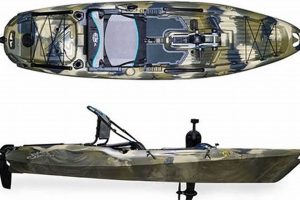
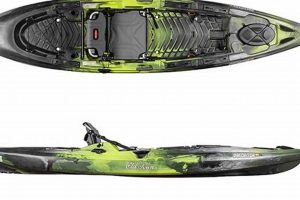
Tip 1: Select a Stable Kayak: Wider, flatter-hulled kayaks offer greater stability, minimizing the chance of capsizing with a dog aboard. Sit-on-top kayaks are generally preferred for easier entry and exit for the canine.
Tip 2: Utilize a Canine Personal Flotation Device (PFD): A properly fitted PFD provides buoyancy and a handle for retrieving the dog from the water if necessary. Bright colors enhance visibility.
Tip 3: Acclimate the Dog Gradually: Introduce the dog to the kayak on dry land, then in shallow, calm water before venturing into deeper areas. Positive reinforcement and short initial trips build confidence.
Tip 4: Implement Essential Training: Basic obedience commands are crucial for managing the dog on the kayak. “Stay,” “sit,” and “come” ensure control and prevent disruptive behavior.
Tip 5: Pack Essential Supplies: Fresh water, a collapsible bowl, waste bags, and a first-aid kit are essential for canine comfort and safety.
Tip 6: Protect Paws from the Sun and Heat: Consider using paw wax or booties on hot days to prevent burns from sun-heated surfaces.
Tip 7: Be Mindful of Wildlife and Other Boaters: Maintain a safe distance from wildlife and respect other boaters’ space. Keep the dog under control to avoid disturbances.
Adhering to these guidelines enhances safety and enjoyment for both the angler and the canine companion, fostering a positive and memorable kayaking experience.
By following these precautions and preparing adequately, anglers can enjoy the rewarding experience of sharing their passion for kayaking with their loyal companions.
1. Canine PFD (life vest)

A canine personal flotation device (PFD), commonly known as a life vest, is an indispensable piece of equipment for any dog accompanying an angler on a kayak. Its importance stems from the inherent risks associated with open water and the potential for accidental falls overboard. A PFD provides essential buoyancy and aids in retrieval, significantly increasing canine safety.
- Buoyancy and Flotation
The primary function of a canine PFD is to keep the dog afloat in case of a fall. This is especially crucial for breeds that are not naturally strong swimmers or for dogs that may become panicked in the water. The PFD’s buoyant material helps the dog conserve energy and maintain a safe position in the water until retrieval.
- Visibility and Identification
Many canine PFDs feature bright colors and reflective strips, enhancing visibility in various conditions, from bright sunlight to overcast skies or even darkness. This increased visibility aids in locating the dog quickly if it falls overboard, especially in choppy water or low-light situations. Some PFDs even include attachment points for lights or locator beacons.
- Retrieval Assistance
Most canine PFDs incorporate a sturdy handle on the back. This handle allows for easy retrieval of the dog from the water. It provides a secure grip, simplifying the process of lifting the dog back into the kayak, minimizing stress on both the dog and the handler.
- Fit and Comfort
A properly fitted PFD is essential for both safety and the dog’s comfort. It should fit snugly without restricting movement or chafing. Adjustable straps and buckles allow customization for different breeds and sizes. A comfortable PFD ensures the dog is less likely to resist wearing it and can move freely on the kayak.
The integration of a canine PFD into the “fishing kayak dog” equation significantly enhances safety on the water. By providing buoyancy, increasing visibility, and aiding in retrieval, it mitigates the risks associated with open water activities. Selecting a well-fitting and comfortable PFD ensures the dog’s well-being and allows for a more enjoyable and worry-free fishing experience.
2. Stable Kayak Selection

Stable kayak selection is paramount when incorporating a canine companion into fishing excursions. A dog’s inherent movementsshifting weight, sudden excitement upon spotting fish or birds, or even an unexpected splashcan destabilize a less stable watercraft. This destabilization presents a risk of capsizing, potentially endangering both the angler and the dog, particularly if the water is cold, rough, or contains strong currents. Wider, flatter-hulled kayaks, particularly sit-on-top models, generally offer enhanced stability compared to narrower, more performance-oriented designs. Sit-on-tops also offer easier entry and exit for the dog, minimizing further destabilization. For example, a smaller, lighter kayak designed for speed might be easily overturned by a larger dog’s sudden movement, while a wider, more stable platform would absorb the shift in weight more effectively.
Considering the dog’s size and weight is crucial in kayak selection. A larger, heavier dog necessitates a kayak with higher weight capacity and greater inherent stability. Weight distribution also plays a critical role; distributing the dog’s weight evenly within the kayak, ideally centered and low, minimizes rocking and enhances stability. Utilizing designated seating areas or padding specifically designed for canine passengers can aid in weight distribution and prevent the dog from shifting position unexpectedly. Furthermore, understanding the intended fishing environment influences kayak choice. Calm, sheltered waters might allow for slightly less stable kayak options, while open water or areas with currents or wakes demand maximum stability. For instance, a stable, wide fishing kayak with a flat bottom would be more suitable for a Labrador retriever on a lake known for motorboat traffic, while a smaller, lighter kayak might suffice for a Chihuahua on a calm pond.
Prioritizing stability in kayak selection directly mitigates risks associated with canine companions on fishing trips. Careful consideration of kayak design, weight capacity, dog size, and intended fishing environment optimizes safety and allows for a more enjoyable and focused angling experience. A stable platform provides a secure and predictable environment for both the angler and the dog, reducing the likelihood of accidents and promoting confidence in the water. This stability translates to a more relaxed and productive fishing trip, enabling anglers to focus on their technique and their canine companion to enjoy the ride.
3. Essential Training Commands
Essential training commands form the cornerstone of a safe and successful fishing kayak dog experience. These commands, instilled through consistent and positive reinforcement, provide a crucial communication link between the angler and the canine companion, ensuring control and predictability on the water. This control mitigates potential hazards associated with an open water environment, such as sudden movements, unexpected encounters with wildlife, or navigating challenging water conditions. Consider a scenario where a dog, startled by a passing motorboat, abruptly shifts its weight on the kayak. A well-trained dog, responsive to a “stay” or “settle” command, minimizes the risk of capsizing compared to an untrained dog reacting impulsively. Similarly, encountering other boaters or wildlife necessitates reliable recall (“come”) to prevent disruptive interactions or potential conflicts.
Specific commands prove particularly valuable in the context of fishing kayaks. “Stay” or “wait” prevents premature disembarking while launching or landing, reducing the risk of the dog entering the water unexpectedly. “Place” designates a specific area on the kayak for the dog to remain, optimizing weight distribution and stability. Recall commands become critical if the dog falls overboard, facilitating swift retrieval. “Leave it” prevents the dog from interacting with fishing gear or potentially hazardous items found in the water or along the shoreline. These commands, practiced regularly on land and reinforced in progressively challenging water environments, build a reliable response pattern, ensuring the dog’s safety and enhancing the overall fishing experience.
The integration of essential training commands into the fishing kayak dog dynamic transforms a potentially chaotic situation into a controlled and enjoyable experience. This training provides a framework for clear communication, mitigating risks inherent to open water activities. A well-trained dog becomes an asset rather than a liability, enhancing safety and fostering a more focused and rewarding fishing trip for both the angler and the canine companion. Consistent training and reinforcement build a strong bond, establishing trust and ensuring a positive and memorable experience on the water.
4. Safe entry and exit practices

Safe entry and exit practices are paramount when kayaking with a canine companion. These practices minimize the risk of capsizing during transitions, a critical consideration given the added weight and potential for movement introduced by the dog. A smooth and controlled transition ensures both the angler and the dog remain secure and confident, contributing to a positive and safe kayaking experience. Improper entry or exit can create instability, potentially leading to falls, gear loss, and even kayak damage.
- Consistent Launch and Landing Points
Designated, shallow-water launch and landing points simplify the process and reduce the likelihood of unexpected movements. Consistency allows the dog to anticipate the procedure, reducing anxiety and promoting calm behavior. For example, always using a specific, gently sloping shoreline area allows the dog to associate the location with entering and exiting the kayak, fostering a predictable routine. This predictability minimizes confusion and the potential for sudden, destabilizing movements.
- Verbal Cues and Positive Reinforcement
Clear verbal cues, such as “wait,” “enter,” and “exit,” coupled with positive reinforcement, guide the dog through the transition process. Consistent cues build a predictable pattern, instilling confidence and reducing uncertainty. Rewarding calm behavior during entry and exit reinforces the desired actions. For instance, praising the dog for remaining seated during entry or offering a small treat upon successful exit reinforces compliant behavior.
- Securing the Kayak During Entry and Exit
Anchoring or stabilizing the kayak against a stable object, such as a shoreline or dock, minimizes movement during transitions. This stability provides a secure platform, preventing the kayak from rocking or shifting unexpectedly as the dog enters or exits. A stable kayak reduces the risk of slips, falls, and subsequent capsizing. In a flowing river environment, securing the kayak to a sturdy branch or using a specialized kayak anchor prevents drifting and provides a stable platform during entry and exit.
- Handler Positioning and Balance
Maintaining proper balance and body position during canine entry and exit is essential for overall stability. The handler should distribute weight evenly, avoiding sudden movements that could destabilize the kayak. Practicing entry and exit procedures on dry land beforehand helps develop balance and coordination, minimizing the risk of capsizing during the actual transition. Maintaining a low center of gravity and anticipating the dog’s movements helps counteract potential destabilizing forces during the transition.
Adherence to these safe entry and exit practices ensures a smooth transition into and out of the kayak, reducing stress on both the dog and the handler. By minimizing the risk of capsizing and fostering confidence, these practices contribute significantly to a safe and enjoyable fishing kayak dog experience. Consistent procedures, clear communication, and a focus on stability optimize safety and allow for a more focused and rewarding time on the water.
5. Respecting wildlife and others
Respecting wildlife and other waterway users is an integral component of responsible kayaking with a canine companion. Canine presence introduces potential disturbances to natural ecosystems and recreational activities, necessitating careful consideration of potential impacts. A dog’s natural instincts, such as chasing birds or barking at other animals, can disrupt nesting behaviors, stress wildlife, and interfere with the natural balance of the environment. For example, an unleashed dog pursuing shorebirds can cause them to abandon nests, exposing eggs or young to predators or harsh environmental conditions. Similarly, barking at seals or other marine mammals can disrupt their resting or feeding patterns, impacting their overall health and well-being.
Furthermore, canine presence can impact other recreational users. Uncontrolled barking can disrupt the tranquility of the environment for other kayakers, anglers, or those simply enjoying the scenery. Allowing a dog to roam freely on shore can interfere with picnickers or other recreational users of public spaces. Leash laws and regulations exist to minimize these disturbances and maintain a harmonious balance between different user groups. For instance, allowing a dog to chase frisbees or balls near a designated swimming area can create safety concerns and disrupt the enjoyment of other visitors. Respecting these shared spaces is crucial for fostering positive interactions and ensuring everyone can enjoy the natural environment.
Responsible kayaking with a dog requires minimizing these potential disturbances. Utilizing a leash, maintaining voice control, and preventing interactions with wildlife are essential practices. Proper waste disposal practices further minimize environmental impact. By respecting wildlife and other waterway users, kayakers with canine companions contribute to the preservation of natural ecosystems and the promotion of positive recreational experiences for all. This consideration enhances not only the individual’s kayaking experience but also contributes to the long-term health and accessibility of these natural environments for future generations. Integrating respect for wildlife and others into the kayaking experience reflects responsible pet ownership and a commitment to shared stewardship of natural resources.
Frequently Asked Questions
Addressing common inquiries regarding kayaking with canine companions provides clarity and promotes responsible practices on the water.
Question 1: What type of kayak is best suited for bringing a dog?
Wider, sit-on-top kayaks offer superior stability and easier entry/exit for dogs. Inflatable kayaks, while potentially suitable for smaller dogs in calm waters, generally offer less stability.
Question 2: Is a canine personal flotation device (PFD) necessary?
A canine PFD is strongly recommended for all dogs on kayaks. It provides buoyancy, aids in retrieval, and increases visibility in case of accidental falls.
Question 3: What essential training is required for a dog accompanying an angler?
Basic obedience commands (“sit,” “stay,” “come”) are essential. Additionally, training the dog to remain calm on the kayak and to enter/exit on command enhances safety.
Question 4: How can potential disturbances to wildlife be minimized?
Maintaining a safe distance from wildlife, preventing chasing or barking, and adhering to leash regulations minimize disturbances to natural ecosystems.
Question 5: What essential supplies should be included for the dog on a kayaking trip?
Fresh water, a collapsible bowl, waste bags, a first-aid kit, and paw protection (wax or booties) are essential for canine comfort and safety.
Question 6: Are there any specific regulations regarding dogs on kayaks?
Regulations vary by location. Consulting local authorities regarding leash laws, access restrictions, and permitted areas ensures compliance.
Careful consideration of these frequently asked questions contributes significantly to informed decision-making and responsible kayaking practices with canine companions.
Exploring additional resources and seeking guidance from experienced kayaking professionals further enhances safety and enjoyment on the water.
Fishing Kayak Dog
Successfully integrating canines into kayak fishing hinges on meticulous preparation and responsible practices. Prioritizing canine safety through proper personal flotation devices, appropriate kayak selection, and comprehensive training ensures a secure and positive experience. Respect for wildlife and other waterway users underscores responsible pet ownership, preserving the natural environment and fostering harmonious recreational opportunities for all. Adherence to established regulations and consideration of potential environmental impacts further solidify ethical kayaking practices.
The evolution of kayak fishing with canine companions signifies a deep connection between humans and animals, reflecting shared enjoyment of the outdoors. Continued emphasis on safety, responsible practices, and environmental stewardship will ensure the preservation of this rewarding activity for future generations of anglers and their loyal companions.