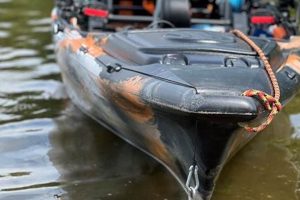
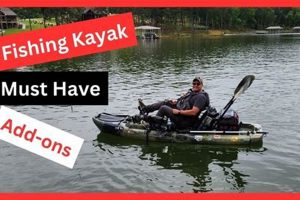
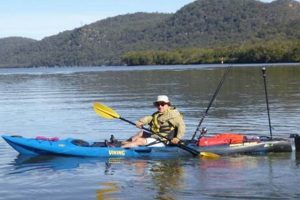
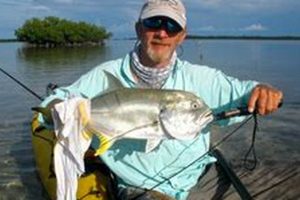
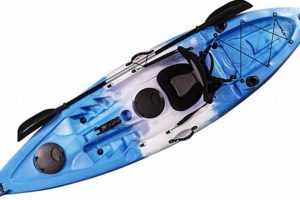
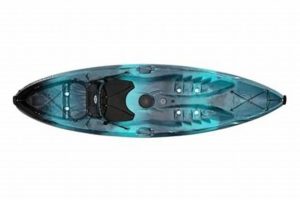
A tandem kayak designed specifically for angling offers a stable platform for two individuals to fish collaboratively or independently. These vessels typically feature specialized storage for rods, tackle, and often include additional features like rod holders and anchor trolleys. A good illustration of this type of watercraft is a vessel equipped with two recessed fishing rod holders, adjustable seats, and ample cargo space for fishing gear.
Sharing the experience on the water enhances camaraderie and can be particularly beneficial for teaching novice anglers. Tandem kayaks offer greater stability compared to their single-person counterparts, which can be a significant advantage in challenging conditions. Historically, fishing from small, human-powered watercraft has been a common practice across various cultures. Modern advancements in materials and design have led to the development of specialized kayaks that cater specifically to the needs of anglers.
The following sections delve into specific aspects of selecting, outfitting, and safely operating these versatile fishing platforms. Topics include considerations for choosing the right model based on hull design, material, and intended use, as well as essential safety equipment and best practices for a successful and enjoyable fishing trip.
Tips for Tandem Kayak Fishing
Careful planning and preparation contribute significantly to a successful and enjoyable tandem kayak fishing excursion. The following tips offer valuable insights for maximizing comfort, efficiency, and safety on the water.
Tip 1: Coordinate Paddling Strokes: Synchronized paddling is crucial for efficient movement and maneuverability. Practicing basic paddling techniques prior to the fishing trip will enhance coordination and reduce wasted effort. Consider alternating paddling sides for balanced exertion.
Tip 2: Distribute Weight Evenly: Proper weight distribution is essential for stability. Gear should be strategically placed throughout the kayak, avoiding excessive weight concentration at either end. Adjust seating positions as needed to maintain balance and trim.
Tip 3: Establish Clear Communication: Open communication between anglers is vital, especially when navigating challenging waters or landing fish. Establishing hand signals or utilizing quiet verbal cues can prevent misunderstandings and facilitate coordinated actions.
Tip 4: Select Appropriate Paddles: Paddle length and blade shape should be tailored to individual physiques and paddling styles. Properly sized paddles minimize fatigue and maximize efficiency. Consider paddles designed specifically for fishing, often featuring a hook retrieval system.
Tip 5: Prioritize Safety Equipment: Personal flotation devices (PFDs) are mandatory and should be worn at all times. A whistle, signaling device, and first-aid kit are also essential safety items. Check local regulations for additional safety requirements.
Tip 6: Plan for Changing Weather Conditions: Weather can change rapidly on the water. Checking the forecast before embarking and carrying appropriate clothing layers are essential precautions. A dry bag can protect electronic devices and other sensitive items from moisture.
Tip 7: Respect Wildlife and the Environment: Practice Leave No Trace principles by packing out all trash and minimizing disturbance to wildlife and their habitats. Adhere to local fishing regulations and handle fish responsibly.
By adhering to these guidelines, anglers can significantly enhance their tandem kayak fishing experience, promoting safety, enjoyment, and responsible interaction with the aquatic environment.
The following section concludes with essential advice for choosing the right tandem fishing kayak and maximizing its potential on the water.
1. Capacity

The “two-person” capacity is a defining characteristic of a tandem fishing kayak, directly influencing its design, functionality, and suitability for various angling scenarios. This capacity dictates the kayak’s dimensions, impacting stability and maneuverability. A wider beam and longer length accommodate two anglers comfortably, contributing to a stable platform, particularly advantageous in rougher water or when landing larger fish. However, the increased size can also influence speed and agility compared to single-person kayaks.
The two-person capacity also shapes storage solutions and weight distribution considerations. Manufacturers design tandem fishing kayaks with storage compartments and features like rod holders strategically placed to accommodate gear for two anglers without compromising balance. Understanding weight distribution principles becomes crucial for optimal performance and stability. For instance, distributing anglers and gear evenly across the kayak’s length and beam prevents tipping and enhances tracking. Uneven weight distribution can lead to inefficient paddling and reduced maneuverability, particularly noticeable in challenging conditions. An example of this would be placing heavy gear at the stern while both anglers sit near the bow, resulting in a less stable and less responsive vessel.
Understanding the implications of the two-person capacity is fundamental for selecting the right kayak and maximizing its utility. Considerations extend beyond simply accommodating two individuals. Factors like combined angler weight, gear requirements, and intended fishing environment all influence the suitability of a specific tandem kayak model. Recognizing the interplay between capacity and design features allows for informed decisions, ensuring a safe, stable, and ultimately successful fishing experience. This understanding allows anglers to match vessel characteristics with their specific needs, optimizing performance and enjoyment on the water.
2. Purpose

The core purpose of a two-seater fishing kayakanglingfundamentally shapes its design and features, distinguishing it from recreational or touring kayaks. Every aspect, from hull design to specialized accessories, caters to the unique demands of fishing from a human-powered watercraft. Understanding how this dedicated purpose influences design choices is crucial for selecting the right vessel and maximizing its effectiveness on the water.
- Stability and Tracking
Fishing often requires stationary positioning or slow, controlled movement. A stable platform, resistant to tipping and rocking, is paramount for casting, reeling, and landing fish, especially in challenging conditions or when battling larger species. Hull design plays a key role, with wider beams and flatter bottoms enhancing stability. Tracking, the ability to maintain a straight course, is equally crucial for trolling or covering specific areas efficiently. A kayak designed for fishing will prioritize these attributes, impacting its overall performance and suitability for various fishing styles.
- Storage and Accessibility
Effective fishing necessitates readily accessible rods, tackle, and gear. Dedicated storage compartments, rod holders, and accessory mounts are integral to fishing kayak design. These features allow anglers to organize and quickly access essential equipment without compromising stability or maneuverability. Examples include recessed tackle trays for lures and hooks, flush-mounted rod holders for hands-free trolling, and gear tracks for mounting fish finders or other electronics. Strategic placement of these features maximizes efficiency and optimizes the fishing experience.
- Comfort and Endurance
Fishing trips can extend for hours, demanding comfortable seating and ergonomic design features. Adjustable seats with lumbar support and ample legroom contribute to sustained comfort, reducing fatigue and maximizing focus. Features like foot braces and adjustable backrests enhance stability and paddling efficiency. These considerations are particularly important for tandem kayaks, where two individuals share the space and require individualized comfort adjustments for extended periods on the water.
- Durability and Material Selection
Fishing kayaks often encounter harsh conditions, from rocky shorelines to submerged debris. Durable construction and robust materials are essential for withstanding impacts and ensuring longevity. High-density polyethylene (HDPE) is a common choice, offering a balance of durability, impact resistance, and affordability. Other materials like fiberglass or composites may offer performance advantages but often come at a higher price point. Understanding the trade-offs between material properties, durability, and cost is essential for selecting a kayak suited to individual fishing needs and budget.
These facets converge to create a vessel specifically designed for fishing. The inherent stability of a two-seater fishing kayak, combined with specialized storage and comfort features, enhances angling effectiveness and enjoyment. Whether trolling for pelagic species or casting in shallow waters, the design considerations driven by the “purpose: fishing” designation ultimately determine the success and satisfaction derived from a tandem fishing kayak adventure.
3. Stability
Enhanced stability is a paramount consideration in the design and functionality of a two-seater fishing kayak. A stable platform is crucial for various fishing activities, from casting and retrieving to landing fish. This characteristic directly influences angler safety, comfort, and overall fishing success. The following facets explore the components and implications of enhanced stability in the context of two-seater fishing kayaks.
- Hull Design and Stability
Hull design significantly influences stability. Wider beams and flatter bottoms generally provide greater initial stability, resisting tipping or rocking. A wider beam increases the kayak’s footprint on the water, providing a broader base of support. Flatter bottoms offer increased surface area in contact with the water, further enhancing stability. However, these design choices can impact maneuverability and speed. For example, a kayak with a wider, flatter hull might be more stable but less responsive to turning compared to a narrower, V-shaped hull. The specific hull design of a two-seater fishing kayak must balance stability with other performance characteristics, considering the intended fishing environment and style.
- Weight Capacity and Distribution
Weight capacity and distribution play a crucial role in overall stability. Exceeding the recommended weight capacity can significantly compromise stability, increasing the risk of capsizing. Distributing weight evenly within the kayak is equally important. Concentrating weight at either end can create instability, particularly in rough conditions. For example, two anglers sitting near the stern with heavy gear stored in the bow can create an unbalanced, less stable platform. Proper weight distribution, with anglers and gear positioned strategically, maintains a balanced center of gravity and optimizes stability.
- Center of Gravity and Stability
The center of gravity significantly influences a kayak’s stability. A lower center of gravity generally contributes to greater stability, as it lowers the point at which the combined weight of the kayak, anglers, and gear acts. Sitting lower in the kayak effectively lowers the center of gravity, enhancing stability. Higher seats raise the center of gravity, potentially reducing stability. Kayak design features, such as seat placement and hull shape, influence the center of gravity and consequently affect stability characteristics.
- Stability in Various Water Conditions
A two-seater fishing kayak’s stability varies in different water conditions. Calm, flat water generally presents fewer stability challenges. Rougher conditions, such as choppy water or currents, test a kayak’s stability more rigorously. Wind can also impact stability, particularly for kayaks with higher profiles. Understanding how a specific kayak model performs in various water conditions is essential for safe and effective fishing. Consider factors like wind resistance, hull design, and weight distribution when evaluating a kayak’s suitability for different environments. For example, a kayak designed for calm lakes might not be as stable in coastal waters with stronger currents and winds.
The enhanced stability of a two-seater fishing kayak directly contributes to angler confidence, comfort, and safety. A stable platform enables focused fishing, reduces the risk of tipping, and facilitates activities like casting, reeling, and landing fish. Understanding the factors influencing stabilityhull design, weight capacity and distribution, center of gravity, and performance in various water conditionsempowers anglers to select the right kayak and maximize their fishing experience. By considering these elements, anglers can confidently choose a vessel that provides a secure and stable platform for enjoyable and productive fishing trips.
4. Storage
Effective storage solutions for tackle and rods are integral to the functionality and enjoyment of a two-seater fishing kayak. Organized and readily accessible gear enhances fishing efficiency, reduces clutter, and contributes to a safer, more productive experience on the water. The following facets explore the critical role of storage in the context of tandem fishing kayaks.
- Types of Storage
Two-seater fishing kayaks offer various storage solutions, each catering to specific needs. Recessed tackle trays provide organized compartments for lures, hooks, and small accessories, protecting them from the elements and preventing loss. Larger storage hatches accommodate bulkier items like tackle boxes, extra clothing, or safety gear. Specialized storage options include dedicated rod holders, often integrated into the kayak’s hull or deck, allowing anglers to keep rods secure and readily available. Understanding the types and capacities of available storage solutions is crucial for selecting a kayak that meets individual fishing requirements.
- Accessibility and Ergonomics
Storage accessibility directly impacts fishing efficiency. Well-designed storage compartments should be easily accessible from a seated position, minimizing the need to shift weight or reach awkwardly. Ergonomic considerations, like strategically placed hatches and intuitive latches, enhance convenience and minimize disruptions during fishing. For instance, a front hatch positioned within easy reach allows quick access to frequently used items, while rear storage might be more suitable for less frequently accessed gear. Consider the layout and accessibility of storage features when evaluating a tandem fishing kayak.
- Capacity and Weight Distribution
Storage capacity and weight distribution are intertwined factors influencing both kayak performance and angler comfort. Ample storage space accommodates the combined gear of two anglers without overcrowding the cockpit. However, proper weight distribution within storage compartments is essential for maintaining balance and stability. Distributing heavier items lower in the kayak and evenly across its length enhances stability and prevents tipping. Consider the combined weight of gear and anglers when evaluating a kayak’s storage capacity and plan how to distribute weight effectively.
- Security and Protection
Secure storage protects valuable fishing gear from loss or damage. Watertight hatches and compartments safeguard sensitive electronics and tackle from moisture and the elements. Secure rod holders prevent rods from shifting or falling overboard during transport or while fishing. Bungee cords and straps provide additional security for items stored on deck. Evaluating the security features of a two-seater fishing kayak ensures gear protection and peace of mind on the water.
Effective storage solutions directly contribute to the overall functionality and enjoyment of a two-seater fishing kayak. Organized, accessible, and secure storage enhances efficiency, reduces clutter, and contributes to a more comfortable and productive fishing experience. By considering the various facets of storagetypes, accessibility, capacity, and securityanglers can select a tandem kayak that optimizes their fishing endeavors and maximizes time spent on the water.
5. Features

Rod holders constitute an integral feature of two-seater fishing kayaks, directly influencing angling effectiveness and overall experience. These specialized fixtures securely hold fishing rods, enabling hands-free operation crucial for various fishing techniques. This functionality allows anglers to manage lines, change lures, or handle other tasks while keeping rods readily accessible and preventing loss or damage. The relationship between rod holders and tandem fishing kayaks extends beyond mere convenience; it fundamentally impacts fishing success and safety.
Consider trolling, a common technique involving dragging lures behind a moving kayak. Rod holders are essential for this method, allowing multiple lines to be deployed simultaneously without requiring constant manual handling. This frees anglers to focus on navigation, observation, or other tasks while maintaining lines in the water. Similarly, still fishing, which involves casting and waiting for a bite, benefits from rod holders. They secure rods in optimal positions, allowing anglers to relax while remaining attentive to line movement. Furthermore, in scenarios involving larger fish or challenging conditions, rod holders offer crucial leverage and control, preventing rod loss and enhancing angler safety. For example, securely held rods prevent forceful takeaways when a large fish strikes, increasing the chances of a successful landing.
The strategic placement and design of rod holders impact functionality. Flush-mounted rod holders, integrated into the kayak’s hull or deck, minimize interference with paddling and movement. Adjustable rod holders offer flexibility in positioning rods at various angles, catering to different fishing styles and preferences. Understanding the types and placement of rod holders is essential for optimizing their utility. The number of rod holders also influences fishing versatility. A two-seater kayak with multiple rod holders allows anglers to employ diverse techniques simultaneously, increasing the potential for success. Ultimately, rod holders elevate the fishing experience from a basic endeavor to a refined pursuit, maximizing efficiency, safety, and enjoyment on the water. This seemingly simple feature profoundly influences the functionality of a two-seater fishing kayak, transforming it into a dedicated angling platform.
6. Materials

Material selection significantly influences the performance, longevity, and overall usability of a two-seater fishing kayak. The ideal materials must balance durabilitythe ability to withstand impacts and abrasionwith lightweight characteristics for efficient transport and maneuverability. This balance directly impacts the kayak’s on-water performance, affecting speed, handling, and ease of paddling, particularly crucial for a two-person vessel. The following facets explore the crucial considerations surrounding material selection for tandem fishing kayaks.
- High-Density Polyethylene (HDPE)
HDPE is a prevalent choice for kayak construction, offering a robust balance of durability and affordability. Its impact resistance makes it well-suited for navigating shallow waters and rocky shorelines, common scenarios in fishing environments. HDPE kayaks can withstand minor collisions and abrasions without significant damage, contributing to their longevity. While slightly heavier than other options, HDPE’s affordability and resilience make it a practical choice for recreational anglers. For instance, an HDPE two-seater fishing kayak can endure impacts from submerged logs or rocks with minimal damage, ensuring the vessel remains functional throughout the fishing trip.
- Fiberglass
Fiberglass offers enhanced performance characteristics compared to HDPE. Its lighter weight translates to improved speed and maneuverability, beneficial for covering larger distances or navigating currents. Fiberglass kayaks also possess greater rigidity, resulting in more efficient power transfer from paddle strokes, reducing angler fatigue. However, fiberglass is more susceptible to damage from impacts, requiring greater care in handling and transport. For example, a fiberglass tandem kayak might offer a noticeable speed advantage when paddling against a current, but it would be more vulnerable to damage if dropped or dragged across rough surfaces.
- Composites (Carbon Fiber, Kevlar)
Composite materials like carbon fiber and Kevlar represent the premium segment of kayak construction. These materials offer exceptional strength-to-weight ratios, resulting in extremely lightweight and high-performing vessels. Composite kayaks excel in speed, efficiency, and responsiveness, making them ideal for serious anglers seeking optimal performance. However, the high cost of composite materials often places them beyond the reach of casual users. Consider a carbon fiber tandem kayak used for tournament fishing; its light weight and responsiveness allow for rapid repositioning and precise maneuvering, crucial for competitive angling, but the investment represents a significant commitment.
- Material Selection and Intended Use
The ideal material for a two-seater fishing kayak depends heavily on intended use and individual priorities. Recreational anglers fishing calm lakes or slow-moving rivers might prioritize HDPE’s durability and affordability. Anglers seeking enhanced performance in more challenging conditions might opt for fiberglass or composites, accepting the trade-offs in cost and fragility. Understanding the nuances of each material allows informed decision-making, aligning material properties with specific fishing needs. For instance, an angler frequently fishing rocky coastlines would prioritize the impact resistance of HDPE, while an angler focused on open-water trolling might value the speed and efficiency of fiberglass.
The interplay between material properties, performance characteristics, and cost considerations defines the optimal material choice for a two-seater fishing kayak. Durability and lightweight characteristics are not mutually exclusive; rather, they represent a spectrum of possibilities, each catering to different fishing styles, budgets, and priorities. By carefully evaluating these factors, anglers can select a vessel that balances performance, longevity, and practicality, maximizing enjoyment and success on the water.
7. Propulsion

Paddle propulsion defines the fundamental human-powered nature of two-seater fishing kayaks, distinguishing them from motorized alternatives. This method of propulsion directly influences the vessel’s maneuverability, range, and overall fishing experience. Understanding the implications of paddle power is crucial for selecting the appropriate kayak and maximizing its effectiveness on the water. The following facets explore the multifaceted relationship between paddle propulsion and tandem fishing kayaks.
- Maneuverability and Control
Paddle propulsion offers exceptional maneuverability, crucial for navigating complex waterways and accessing shallow fishing spots often inaccessible to larger, motorized boats. Precise control over direction and speed allows anglers to position the kayak strategically for optimal casting and retrieval. This maneuverability is particularly advantageous in environments like narrow creeks, winding rivers, or shallow flats where precise boat control is essential for successful fishing. For instance, a paddle-powered tandem kayak can be easily maneuvered through tight turns in a mangrove forest, accessing secluded fishing areas rich with species like snook or redfish.
- Stealth and Fish Disturbance
The quiet nature of paddle propulsion minimizes disturbance to fish, a significant advantage in clear, shallow waters. Unlike motorized boats, kayaks create minimal noise and vibration, reducing the likelihood of spooking fish, particularly wary species. This stealth allows anglers to approach fish more closely, increasing the chances of a successful presentation and catch. Consider fly fishing for bonefish on shallow flats; the quiet approach of a paddle-powered kayak allows anglers to get within casting range without alarming these easily spooked fish, enhancing the opportunity for a successful hookup.
- Physical Exertion and Range
Paddle propulsion inherently involves physical exertion. While this provides a healthy element of exercise, it also limits range compared to motorized options. Anglers must consider their physical capabilities and the intended fishing area when choosing a paddle-powered tandem kayak. Longer trips or challenging conditions necessitate adequate physical preparation and strategic planning. For example, a multi-day fishing trip in a remote area requires careful consideration of paddling distance, rest stops, and potential weather conditions to ensure a safe and enjoyable experience.
- Paddle Selection and Efficiency
Paddle selection influences paddling efficiency and comfort. Properly sized paddles, matched to individual physique and paddling style, minimize fatigue and maximize power transfer. Blade shape and material also impact performance. Asymmetrical blades reduce flutter and enhance efficiency, while lightweight materials decrease overall effort. Consider two anglers using different paddles; one with a properly sized, lightweight paddle experiences less fatigue and covers greater distance compared to the other using an ill-suited paddle, highlighting the importance of paddle selection for efficient and enjoyable paddling.
Paddle propulsion defines the character of a two-seater fishing kayak, shaping its maneuverability, stealth, and overall user experience. While inherently limiting range compared to motorized alternatives, the benefits of precise control, minimal fish disturbance, and physical engagement resonate deeply with many anglers. Understanding the nuances of paddle power, from maneuverability and stealth to physical exertion and paddle selection, allows for informed decisions and a more fulfilling fishing experience. This understanding empowers anglers to leverage the unique advantages of paddle propulsion, transforming the act of paddling from a mere means of transportation to an integral part of the fishing adventure.
Frequently Asked Questions
This section addresses common inquiries regarding tandem fishing kayaks, providing concise and informative responses to facilitate informed decision-making and enhance understanding of these specialized vessels.
Question 1: How does the stability of a two-person fishing kayak compare to a single-person model?
Tandem kayaks generally offer greater stability due to their increased width and length. This enhanced stability proves advantageous in rougher water conditions or when landing larger fish. However, maneuverability may be slightly reduced compared to single kayaks.
Question 2: What are the key features to look for in a tandem fishing kayak designed for ocean use?
Ocean-going tandem kayaks should prioritize stability, tracking, and storage capacity. Features like rudders or skegs enhance tracking in currents and wind. Ample storage accommodates safety gear, including signaling devices and extra flotation. Consider models with scupper holes for drainage and sealed bulkheads for enhanced buoyancy.
Question 3: How is weight capacity determined, and why is it important?
Weight capacity represents the maximum combined weight of anglers and gear the kayak can safely support. Exceeding this limit compromises stability and increases the risk of capsizing. Manufacturers determine weight capacity through rigorous testing, and adhering to these limits is crucial for safety.
Question 4: What are the advantages and disadvantages of inflatable versus rigid-hull tandem fishing kayaks?
Inflatable kayaks offer portability and storage convenience, while rigid-hull kayaks provide superior tracking, speed, and durability. Inflatable options are susceptible to punctures and require inflation before use, whereas rigid-hull kayaks require more storage space. Material selection influences performance characteristics in both categories.
Question 5: How does paddling a tandem kayak differ from paddling a solo kayak, and what techniques enhance efficiency?
Tandem kayaking requires synchronized paddling for efficient forward movement and maneuvering. Communication and coordination between paddlers are essential. Alternating paddle strokes and maintaining a consistent rhythm enhance speed and reduce wasted energy. Practicing basic paddling techniques prior to fishing trips improves coordination.
Question 6: What safety precautions should be taken when fishing from a tandem kayak?
Wearing personal flotation devices (PFDs) is paramount. Carry essential safety equipment, including a whistle, signaling device, first-aid kit, and communication device. Check weather forecasts before embarking and inform someone of your planned route and return time. Adhering to local regulations and boating safety guidelines is crucial.
Understanding these key aspects of tandem fishing kayaks ensures informed selection, safe operation, and maximized enjoyment on the water. Careful consideration of individual needs and intended fishing environments facilitates selection of the appropriate vessel and equipment.
The following section delves into advanced techniques for optimizing fishing success from a two-seater kayak platform.
Conclusion
Tandem fishing kayaks offer a unique blend of stability, specialized features, and human-powered maneuverability. Careful consideration of hull design, material selection, storage solutions, and included features like rod holders ensures optimal performance and angler satisfaction. Understanding the implications of paddle propulsion and the importance of angler coordination further enhances the effectiveness and enjoyment of these versatile vessels.
Successful and responsible angling from a two-seater fishing kayak necessitates informed decision-making, appropriate safety precautions, and respect for the aquatic environment. Through thoughtful selection and mindful operation, these vessels provide a platform for rewarding fishing experiences, fostering connection with nature and promoting responsible stewardship of aquatic resources. The future of kayak fishing hinges on this mindful approach, ensuring the preservation of these valuable ecosystems for generations to come.