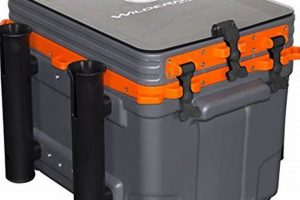
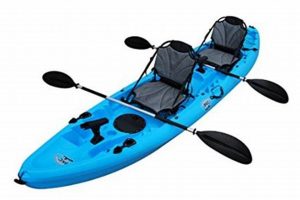
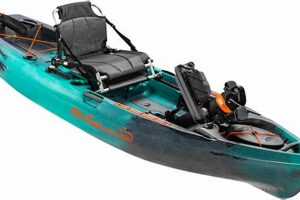
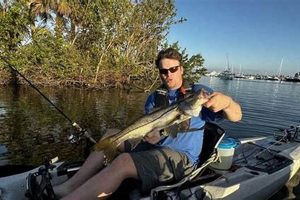
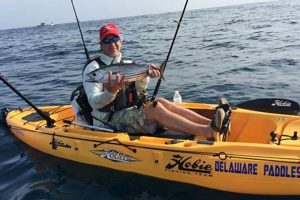
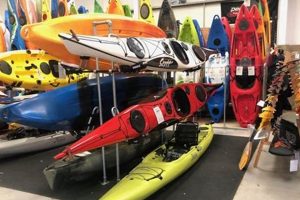
This activity involves the use of small, human-powered watercraft to pursue fish in the state’s diverse waterways. Anglers utilize specialized kayaks designed for stability and equipped with features like rod holders and storage compartments. This method allows for access to shallow waters, backcountry rivers, and secluded lakes often unreachable by larger motorized boats.
The relatively low cost of entry and the ability to explore otherwise inaccessible fishing spots contribute to the growing popularity of this angling approach. It offers a quiet, eco-friendly way to experience the natural beauty of Nebraska’s aquatic ecosystems. Furthermore, it provides a unique challenge and reward for anglers seeking a more intimate connection with their surroundings. Historically, small watercraft have been used for fishing in Nebraska, but the modern iteration with specialized kayaks offers a new dimension to this tradition.
This article will explore various aspects of the sport in Nebraska, covering topics such as suitable locations, necessary equipment, and relevant regulations. Further sections will delve into specific techniques and offer guidance for both novice and experienced anglers.
Tips for Kayak Fishing in Nebraska
Careful planning and preparation contribute significantly to a successful and enjoyable fishing experience from a kayak. The following tips offer valuable guidance for anglers of all skill levels.
Tip 1: Research suitable locations. Nebraska offers a diverse range of water bodies, from large reservoirs to smaller rivers and streams. Thorough research helps identify locations appropriate for kayak fishing and target species.
Tip 2: Prioritize safety. Always wear a personal flotation device (PFD) and inform someone of the fishing plan including location and expected return time. Check weather forecasts before heading out and be aware of changing conditions.
Tip 3: Select appropriate gear. Choose a kayak designed for stability and fishing, equipped with features like rod holders and storage compartments. Fishing gear should be tailored to the target species and the specific waterway.
Tip 4: Practice paddling and maneuvering. Before venturing onto larger bodies of water, practice basic paddling strokes and maneuvering techniques in a calm environment. This builds confidence and control on the water.
Tip 5: Respect wildlife and the environment. Practice catch-and-release whenever possible and adhere to all regulations. Minimize disturbance to wildlife and pack out any trash.
Tip 6: Learn basic kayak fishing techniques. Familiarize oneself with techniques specific to fishing from a kayak, such as anchoring, drifting, and trolling. These techniques maximize angling success.
Tip 7: Be prepared for changing weather conditions. Nebraska weather can change rapidly. Pack appropriate clothing for varying temperatures and potential precipitation. A dry bag is essential for protecting electronics and other valuable items.
By adhering to these guidelines, anglers can enhance their safety, improve their fishing success, and contribute to the preservation of Nebraska’s aquatic resources. These preparations ensure a more rewarding experience on the water.
Following these precautions and recommendations will allow anglers to fully enjoy the unique opportunities presented by kayak fishing in Nebraska. The following section will offer concluding thoughts on this increasingly popular pursuit.
1. Location Selection
Strategic location selection is paramount for successful kayak fishing in Nebraska. The diverse range of aquatic environments within the state necessitates careful consideration of factors such as target species, water conditions, and accessibility. Choosing the right location significantly influences the overall fishing experience and potential success.
- Public Access Points
Identifying designated public access points is crucial for legal and convenient entry to Nebraska’s waterways. These access points, often found on lakes, reservoirs, and rivers, provide designated areas for launching kayaks and ensure responsible use of public resources. Utilizing public access points contributes to organized and sustainable fishing practices.
- Target Species Habitat
Different fish species thrive in specific habitats. Researching the preferred habitat of target species, such as walleye, bass, or catfish, guides anglers toward suitable locations. Understanding the relationship between species and their environment, like rocky areas for smallmouth bass or deeper channels for walleye, increases the probability of successful catches.
- Water Conditions and Flow
Current speed, water clarity, and depth are important considerations. Fast-flowing rivers present different challenges and opportunities compared to still lakes. Water clarity affects visibility and lure presentation, while depth influences the choice of fishing techniques. Adjusting fishing strategies to suit the prevailing water conditions optimizes results. For example, a slow-moving river might be ideal for drifting techniques, while a clear lake benefits from sight fishing.
- Accessibility and Terrain
Evaluating the accessibility of a location, including parking availability and terrain surrounding the water body, ensures a smooth and efficient fishing trip. Some locations may require portaging or navigating uneven terrain. Considering these factors beforehand minimizes potential difficulties and allows for better preparation. A location with easy shoreline access suits beginners, while experienced anglers might seek more remote areas requiring additional effort.
By carefully considering these facets of location selection, anglers can enhance their chances of a successful and enjoyable kayak fishing experience in Nebraska. Combining knowledge of target species behavior, water conditions, and access points allows for a more informed and productive approach to angling within the state’s diverse aquatic ecosystems.
2. Safety Precautions

Safe practices are paramount in Nebraska kayak fishing, impacting both angler well-being and the preservation of the natural environment. Careful consideration of potential hazards and adherence to established safety guidelines ensures a responsible and enjoyable experience on the water.
- Personal Flotation Devices (PFDs)
Wearing a properly fitted PFD is non-negotiable. PFDs provide essential buoyancy in case of capsizing or accidental immersion, significantly increasing the chances of survival. Nebraska law mandates PFD availability in kayaks, but consistent wear ensures immediate protection in unforeseen circumstances. Even strong swimmers can become incapacitated due to cold water shock or unexpected impacts, highlighting the constant need for a PFD.
- Weather Awareness and Monitoring
Checking weather forecasts before and during fishing trips is crucial. Sudden changes in weather conditions, particularly strong winds or thunderstorms, can create hazardous conditions on open water. Portable weather radios and weather apps provide real-time updates, enabling anglers to make informed decisions about continuing or seeking shelter. Ignoring weather warnings can lead to dangerous situations, including capsizing and difficulty returning to shore.
- Communication and Float Plans
Informing someone on shore of the intended fishing location and estimated return time is essential. This information becomes vital in case of emergencies or overdue returns, facilitating timely assistance. A float plan should include details like launch point, planned route, and emergency contact information. This simple precaution enhances safety and provides peace of mind for both the angler and those onshore.
- Kayak Stability and Capacity
Understanding the stability limitations of the kayak and adhering to weight capacity guidelines prevents capsizing. Overloading a kayak compromises its stability and maneuverability, increasing the risk of tipping. Distributing weight evenly within the kayak further enhances stability. Choosing a kayak appropriate for the intended water conditions and carrying only necessary gear contributes to a safe and balanced experience on the water.
Prioritizing these safety precautions ensures responsible enjoyment of Nebraska’s diverse waterways. These practices minimize risks associated with kayak fishing, enabling anglers to focus on the sport while protecting themselves and the natural environment. Implementing these safety measures contributes to a positive and sustainable angling experience in Nebraska.
3. Specialized Equipment

The unique demands of kayak fishing in Nebraska necessitate specialized equipment designed for both efficacy and safety. Equipment choices directly influence an angler’s ability to navigate diverse water bodies, target specific species, and maintain stability. The connection between specialized equipment and successful angling in this context is significant and multifaceted. For example, choosing a kayak tailored to Nebraska’s varied waterways is fundamental. A shorter, wider kayak offers superior maneuverability in smaller streams and rivers, while a longer, narrower kayak provides increased speed and tracking capability on larger reservoirs and lakes.
Furthermore, specialized fishing accessories enhance angler effectiveness. Rod holders secure fishing rods, freeing hands for paddling and other tasks. Anchor trolleys allow for precise boat positioning in current, while fish finders provide valuable underwater insights, increasing the likelihood of locating fish. Similarly, specialized tackle and bait choices tailored to target species prevalent in Nebraska waters, such as catfish, walleye, or bass, contribute significantly to angling success. Durable, waterproof storage solutions protect essential gear and electronics from the elements, ensuring functionality and longevity. The careful selection and utilization of appropriate equipment directly correlate with the overall success and enjoyment of kayak fishing excursions.
In conclusion, the relationship between specialized equipment and kayak fishing in Nebraska is one of critical interdependence. Effective equipment choices not only enhance fishing success but also contribute significantly to angler safety and comfort. Understanding the function and practical application of various specialized equipment components enables anglers to make informed decisions, optimizing their experience on Nebraska’s diverse waterways. The investment in appropriate gear translates to a more productive, safe, and ultimately more rewarding pursuit of angling in the state.
4. Fishing Techniques
Effective fishing techniques in the context of Nebraska kayak fishing require adaptation to the unique challenges and opportunities presented by this specialized angling approach. The confined space and maneuverability of a kayak necessitate modifications to traditional fishing methods, emphasizing precision and efficiency. Understanding these adaptations is crucial for maximizing angling success while maintaining safety and balance on the water.
- Casting Techniques
Casting from a kayak requires adjustments to maintain balance and accuracy. Sidearm or underhand casts minimize the risk of tipping and allow for greater control in tight spaces often encountered in Nebraska’s smaller rivers and streams. Practicing these modified casting techniques in a controlled environment prior to fishing excursions ensures smooth execution on the water. For example, mastering a sidearm cast allows anglers to target areas close to overhanging vegetation or submerged structures without risking entanglement or disrupting the kayak’s stability.
- Drift Fishing
Drift fishing presents a highly effective technique in Nebraskas rivers and streams, allowing anglers to cover water efficiently while presenting bait naturally. Utilizing the current to carry the kayak and bait through prime fishing areas maximizes exposure to target species. Anchor control and precise paddle adjustments ensure the desired drift speed and positioning. Experienced kayak anglers often combine drift fishing with other techniques, such as trolling or jigging, to increase their catch rate.
- Trolling from a Kayak
Trolling involves dragging lures or bait behind a moving kayak, covering a wider area and attracting fish through movement and vibration. This technique is particularly effective in larger bodies of water like Nebraska’s reservoirs. Kayak anglers can control trolling speed by adjusting paddling rhythm or utilizing specialized trolling motors. Varying lure depths and presentations further enhances trolling effectiveness. Adapting trolling techniques to the specific target species, like walleye or crappie, increases chances of success.
- Anchor Positioning and Control
Precise anchor placement from a kayak is crucial for maintaining position in current or targeting specific structures. Utilizing an anchor trolley system allows for controlled positioning and adjustments to drift angle. Understanding anchor deployment techniques appropriate for different bottom substrates, such as sand or rock, ensures secure anchoring and prevents entanglement. Efficient anchor management optimizes fishing time and minimizes disruption to the surrounding environment. This is especially important in areas with submerged vegetation or rocky bottoms where snagging poses a significant risk.
Adapting these fishing techniques to the specific conditions and target species found in Nebraska’s diverse waters significantly increases angling success from a kayak. The combination of specialized techniques and an understanding of the local environment enhances the overall fishing experience and promotes responsible angling practices. Furthermore, refining these skills contributes to angler confidence and proficiency in navigating the unique challenges and rewards of kayak fishing.
5. Regulations and Licensing

Adherence to regulations and proper licensing are integral components of responsible kayak fishing in Nebraska. These legal frameworks ensure the sustainability of fish populations, protect aquatic ecosystems, and promote safe angling practices. Regulations govern aspects such as catch limits, size restrictions, permitted fishing methods, and designated fishing seasons. Licensing requirements generate revenue that supports conservation efforts, including habitat restoration and fish stocking programs. Ignoring these regulations can result in fines, legal repercussions, and damage to the delicate balance of Nebraska’s aquatic environments. For example, exceeding the catch limit for a particular species can deplete local populations and disrupt the natural food chain.
The Nebraska Game and Parks Commission provides comprehensive information on current fishing regulations, licensing requirements, and specific rules applicable to kayak anglers. Consulting these resources prior to any fishing excursion ensures compliance and contributes to responsible angling. Understanding licensing categories, such as resident versus non-resident licenses, and associated fees helps anglers obtain the correct permits. Furthermore, awareness of specific regulations related to kayak fishing, such as lighting requirements for nighttime fishing, ensures a safe and legal experience on the water. Practical applications of this knowledge might include checking for species-specific size restrictions before keeping a catch or adhering to seasonal closures designed to protect spawning fish.
In summary, responsible engagement with kayak fishing in Nebraska necessitates a thorough understanding of applicable regulations and licensing requirements. Compliance with these frameworks safeguards fish populations, preserves the integrity of aquatic ecosystems, and contributes to a sustainable angling environment. Access to and understanding of resources provided by the Nebraska Game and Parks Commission empowers anglers to participate legally and ethically, ensuring the continued enjoyment of this recreational activity for future generations. Neglecting these responsibilities jeopardizes the long-term health of Nebraska’s waterways and the future of the sport itself.
6. Environmental Stewardship
Environmental stewardship represents a crucial aspect of kayak fishing in Nebraska, directly impacting the long-term health and sustainability of the state’s aquatic ecosystems. The low-impact nature of kayak fishing, compared to motorized boating, offers inherent advantages for environmental preservation. However, responsible practices by anglers remain essential to minimize potential negative impacts. Cause and effect relationships exist between angler behavior and environmental outcomes. For instance, improper disposal of fishing line can entangle wildlife, while disturbing nesting areas disrupts breeding cycles. The importance of stewardship as a component of kayak fishing lies in recognizing these connections and adopting practices that mitigate harm.
Real-life examples illustrate the practical significance of environmental stewardship. Using biodegradable fishing lures minimizes plastic pollution in waterways. Practicing catch-and-release, especially for sensitive species, supports healthy fish populations. Adhering to designated access points minimizes disturbance to shoreline vegetation and prevents erosion. Educating fellow anglers about responsible practices amplifies the positive impact. These examples highlight the tangible benefits of integrating environmental stewardship into every aspect of kayak fishing, from equipment choices to on-the-water behavior. They underscore the potential of individual actions to collectively contribute to the preservation of Nebraska’s aquatic resources.
In conclusion, environmental stewardship is not merely a peripheral concern but an integral component of ethical and sustainable kayak fishing in Nebraska. Anglers bear a direct responsibility for minimizing their environmental footprint and actively contributing to the preservation of these valuable ecosystems. Challenges such as invasive species and pollution require ongoing attention and collaborative efforts. By prioritizing responsible practices, kayak anglers contribute not only to the health of Nebraska’s waterways but also to the longevity of the sport itself. The future of kayak fishing in Nebraska depends on the collective commitment to environmental stewardship by all who participate.
Frequently Asked Questions
This section addresses common inquiries regarding kayak fishing in Nebraska, providing concise and informative responses to facilitate a better understanding of this activity.
Question 1: What are the licensing requirements for kayak fishing in Nebraska?
A valid Nebraska fishing permit is required for all anglers, including those fishing from kayaks. Specific license types and fees vary based on residency and duration. Details are available through the Nebraska Game and Parks Commission.
Question 2: Where are suitable locations for kayak fishing in Nebraska?
Numerous lakes, reservoirs, and rivers throughout Nebraska offer suitable kayak fishing access. Popular locations include Lake McConaughy, Merritt Reservoir, and the Platte River. Researching specific locations beforehand, considering factors like target species and water conditions, is advised.
Question 3: What type of kayak is best suited for fishing in Nebraska?
Kayaks designed for stability and fishing, often featuring rod holders and storage compartments, are recommended. Shorter kayaks offer better maneuverability in rivers and streams, while longer kayaks provide advantages in larger lakes and reservoirs.
Question 4: What safety precautions should be taken while kayak fishing in Nebraska?
Wearing a personal flotation device (PFD) is crucial. Checking weather forecasts before embarking and being aware of changing conditions is essential. Informing someone of fishing plans, including location and expected return time, enhances safety.
Question 5: What fishing techniques are effective from a kayak in Nebraska?
Effective techniques include casting, trolling, and drift fishing. Adapting techniques to the specific water body and target species enhances success. Understanding anchor positioning and kayak control is also beneficial.
Question 6: What are the regulations regarding catch limits and size restrictions in Nebraska?
Specific catch limits and size restrictions vary by species. Consulting the Nebraska Game and Parks Commission regulations ensures compliance. Adhering to these regulations supports sustainable fish populations and ecosystem health.
Understanding these commonly addressed points clarifies key aspects of kayak fishing in Nebraska. Reviewing this information promotes responsible angling practices and contributes to a safer and more enjoyable experience on the water.
For further detailed information and specific regulations, consult the Nebraska Game and Parks Commission website.
Nebraska Kayak Fishing
This exploration of kayak fishing within Nebraska’s diverse waterways has highlighted key aspects of this increasingly popular pursuit. From equipment selection and specialized techniques to safety precautions and environmental stewardship, the information presented provides a comprehensive overview for anglers of all skill levels. The importance of location selection, adapting fishing techniques to specific environments, and adhering to regulations has been emphasized. Furthermore, the integral role of environmental responsibility in preserving the state’s aquatic ecosystems for future generations has been underscored.
The future of kayak fishing in Nebraska hinges on the continued commitment to responsible angling practices. Careful consideration of environmental impact, adherence to regulations, and respect for fellow anglers will ensure the sustainability and enjoyment of this unique recreational activity. Continued exploration of Nebraska’s waterways by kayak offers an engaging and rewarding way to experience the natural beauty and abundant fishing opportunities the state provides. The potential for growth and development within this angling discipline remains significant, offering a promising outlook for both seasoned anglers and those new to the sport.