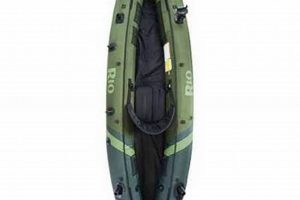
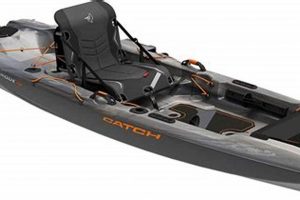
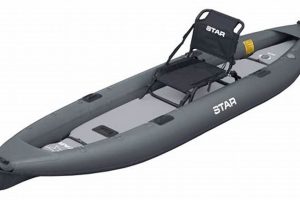
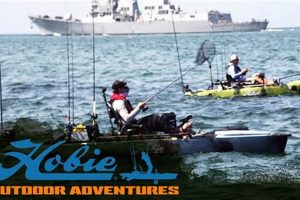
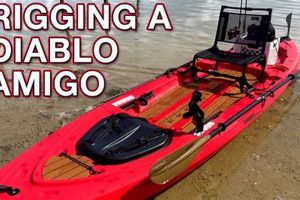
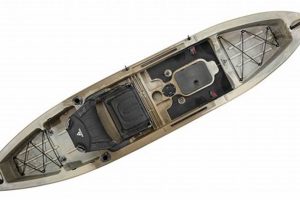
Organizing and securing equipment specific to angling from a kayak involves various methods and specialized products. These range from simple waterproof bags and tackle boxes to purpose-built storage integrated into the kayak itself, such as hatches, recesses, and mounting tracks. A typical setup might include rod holders, crate systems for tackle and bait, and dry bags for electronics and personal items.
Effective management of fishing equipment aboard a kayak contributes significantly to both safety and angling success. A well-organized vessel reduces the risk of entanglement, tripping hazards, and lost or damaged gear. It also allows for quick and easy access to essential items, maximizing fishing time and efficiency. Historically, anglers adapted existing storage solutions; however, the increasing popularity of kayak fishing has driven innovation in dedicated storage design, resulting in more specialized and efficient options.
This article will explore various storage solutions, including DIY modifications, commercially available products, and best practices for organizing different types of fishing gear on a kayak. Further topics will cover maintaining equipment in saltwater environments and maximizing space utilization on different kayak models.
Kayak Fishing Gear Storage Tips
Optimizing available space and ensuring readily accessible equipment are crucial for a successful and safe kayak fishing experience. The following tips offer guidance on effectively organizing and securing gear.
Tip 1: Prioritize essential equipment. Focus on frequently used items and place them within easy reach. Less frequently used items can be stored in less accessible areas.
Tip 2: Utilize waterproof storage. Protect vulnerable items such as electronics, wallets, and first-aid kits from water damage with dry bags or waterproof cases.
Tip 3: Distribute weight evenly. Balance the load within the kayak for optimal stability and maneuverability. Avoid concentrating heavy items at either end or one side.
Tip 4: Secure all gear. Use bungee cords, straps, or clips to prevent equipment from shifting or falling overboard, especially in rough conditions.
Tip 5: Consider rod leashes. Attach leashes to rods to prevent loss in case of an accidental drop or strong currents.
Tip 6: Choose specialized storage solutions. Explore purpose-built kayak fishing accessories such as tackle crates, rod holders, and mounting tracks to maximize organization and efficiency.
Tip 7: Regularly inspect and maintain equipment. Check for wear and tear on storage solutions and replace damaged items promptly. Rinse saltwater residue from gear after each trip.
By implementing these strategies, anglers can enhance safety, improve fishing efficiency, and prolong the life of their equipment. Proper storage contributes significantly to a more enjoyable and productive kayak fishing experience.
These tips provide a solid foundation for effective gear management. The following section will explore specific storage solutions in greater detail.
1. Planning

Effective kayak fishing gear storage relies heavily on pre-trip planning. Careful consideration of target species, fishing techniques, and anticipated weather conditions informs equipment selection and organization. This proactive approach minimizes on-the-water adjustments, maximizing fishing time and enhancing safety. For instance, planning for a fly fishing excursion necessitates different storage solutions compared to trolling, impacting rod placement, tackle organization, and even kayak layout. Neglecting pre-trip planning often results in cluttered decks, inaccessible essential gear, and compromised stability, negatively impacting both efficiency and safety.
Planning influences storage choices based on anticipated needs. A short trip might require only a small tackle box and a few rods, while an extended expedition demands more comprehensive storage for food, water, safety equipment, and additional fishing gear. Understanding these needs beforehand allows for strategic placement of items based on frequency of use and weight distribution. For example, storing heavier items low and centrally enhances stability, while frequently used lures should be readily accessible within arm’s reach. This preemptive organization reduces on-the-water clutter, minimizing the risk of entanglement or lost gear.
Ultimately, planning provides the framework for successful kayak fishing gear storage. It allows anglers to anticipate challenges and devise appropriate storage solutions, contributing significantly to a safer and more efficient fishing experience. By integrating planning into the process, anglers transform storage from a reactive afterthought to a proactive strategy that maximizes both enjoyment and success on the water.
2. Accessibility
Accessibility in kayak fishing gear storage directly impacts angling efficiency and safety. Rapid access to essential equipment, such as pliers, line cutters, or extra lures, is crucial, particularly in dynamic fishing situations. A poorly organized kayak, where essential tools are buried beneath layers of gear, can lead to missed opportunities, tangled lines, and potentially hazardous situations. Consider a scenario where a hooked fish makes a sudden run, requiring a quick adjustment of drag or a timely release. Fumbling through cluttered storage compartments wastes precious seconds and can jeopardize the catch or even the angler’s balance. Strategic placement of frequently used items within easy reach, utilizing readily accessible storage solutions like open-top containers or magnetic patches, significantly improves response time and overall fishing effectiveness.
Prioritizing accessibility necessitates considering the kayak’s layout and the angler’s reach. Items used frequently during casting and retrieval should be positioned within immediate reach, while less critical gear can be stored in less accessible areas. Utilizing specialized storage solutions, such as tackle trays with designated compartments for specific lure types or readily accessible rod holders, further enhances organization and streamlines the fishing process. This thoughtful arrangement not only improves efficiency but also contributes to a safer environment by minimizing the need for excessive movement and reducing the risk of accidental entanglement or tipping.
Optimizing accessibility transforms kayak fishing from a frustrating struggle against clutter into a seamless and enjoyable experience. Strategic organization and readily available essential equipment allow anglers to focus on the task at hand, maximizing their chances of success while ensuring a safe and efficient fishing environment. The ability to swiftly respond to changing fishing conditions, facilitated by accessible gear, ultimately distinguishes a well-prepared angler from one constantly battling logistical challenges.
3. Waterproofing
Waterproofing is paramount in kayak fishing gear storage, safeguarding vulnerable equipment from the inevitable exposure to water. Electronics, first-aid supplies, documentation, and even clothing require protection from splashes, rain, and potential submersion. Effective waterproofing measures prevent damage, ensuring functionality and longevity of essential gear, ultimately contributing to a safer and more successful fishing experience.
- Dry Bags:
Dry bags, constructed from durable, waterproof materials, offer versatile protection for a range of items. Available in various sizes, they safeguard electronics, clothing, and other sensitive gear from moisture. Their roll-top closures create a reliable seal, preventing water ingress even during submersion. In kayak fishing, dry bags protect essential items like phones, wallets, and cameras, ensuring they remain functional even in wet conditions. Investing in quality dry bags is a crucial step in effective kayak fishing gear storage.
- Waterproof Cases:
Hard-shell waterproof cases provide robust protection for fragile electronics and valuables. These cases typically feature airtight seals and impact-resistant construction, safeguarding items from both water damage and physical shocks. Anglers often utilize waterproof cases for cameras, GPS devices, and other sensitive electronics, ensuring their functionality in challenging environments. The added protection offered by these cases proves invaluable in the demanding conditions of kayak fishing.
- Hatch Seals and Covers:
Maintaining the integrity of kayak hatches is essential for preventing water intrusion into internal storage compartments. Regular inspection and maintenance of hatch seals and covers ensure a watertight barrier, protecting stored gear from unexpected splashes or capsizing. Well-maintained seals prevent gear damage and contribute to overall kayak stability by minimizing internal water accumulation. This preventative measure plays a significant role in comprehensive kayak fishing gear storage strategies.
- Waterproof Sprays and Coatings:
Waterproof sprays and coatings offer an additional layer of protection for gear susceptible to moisture damage. Applying these treatments to tackle boxes, bags, and even clothing enhances their water resistance, safeguarding contents from splashes and light rain. While not a substitute for dedicated waterproof storage solutions, these treatments provide added security against unexpected moisture exposure, further enhancing the overall effectiveness of kayak fishing gear storage practices.
Integrating these waterproofing strategies into a comprehensive kayak fishing gear storage plan ensures equipment remains dry and functional, regardless of environmental conditions. This proactive approach safeguards valuable investments, minimizes disruptions due to equipment failure, and ultimately contributes to a safer and more enjoyable fishing experience. The combination of various waterproofing methods provides a robust defense against the ever-present risk of water damage in kayak fishing.
4. Security

Security in kayak fishing gear storage encompasses two primary concerns: preventing equipment loss due to environmental factors or accidental dislodgement, and deterring theft. Unsecured gear risks being swept overboard by waves or lost during a capsize. Theft, while less frequent on the water, remains a concern, especially when kayaks are left unattended onshore. Implementing appropriate security measures safeguards valuable investments and ensures essential equipment remains available throughout the fishing trip.
Several strategies contribute to enhanced gear security. Leashes or tethers connecting rods, reels, and other valuable items to the kayak prevent loss overboard. Bungee cords and straps secure larger items like tackle boxes and coolers, minimizing movement within the kayak and reducing the risk of accidental dislodgement. Locking hatches and compartments deter theft and provide additional protection against water intrusion. When leaving a kayak unattended, employing a cable lock to secure it to a fixed object further enhances security against theft. For example, securing a high-end fishing rod with a leash prevents its loss in rough conditions, while a locked hatch safeguards electronic devices and other valuables from opportunistic theft.
Prioritizing security in kayak fishing gear storage protects against financial loss and ensures essential equipment remains available, contributing significantly to a successful and worry-free fishing experience. A comprehensive security approach, encompassing both prevention of accidental loss and deterrence of theft, allows anglers to focus on the enjoyment of fishing without the constant concern of losing valuable equipment. Integrating these security measures into standard storage practices enhances both peace of mind and overall fishing trip success.
5. Weight Distribution
Weight distribution plays a critical role in kayak fishing gear storage, directly impacting stability, maneuverability, and overall safety. Proper weight distribution ensures the kayak remains balanced and responsive, minimizing the risk of capsizing and maximizing fishing efficiency. Uneven weight distribution compromises stability, making the kayak more susceptible to tipping, particularly in challenging conditions such as wind or waves. It also hinders maneuverability, making paddling and navigating more difficult. Understanding the principles of weight distribution is crucial for safe and effective kayak fishing.
- Balance and Stability
Maintaining balance and stability is paramount in kayak fishing. Proper weight distribution, achieved by evenly distributing gear throughout the kayak, minimizes the risk of capsizing. Concentrating weight in one area, such as the stern or bow, creates instability, making the kayak prone to tipping, especially in rough conditions. Distributing heavier items low in the kayak and near the center of gravity enhances stability. For example, placing a heavy tackle box near the center of the kayak and securing it to prevent shifting contributes significantly to overall balance.
- Maneuverability and Tracking
Weight distribution significantly influences kayak maneuverability and tracking. An evenly distributed load allows for efficient paddling and precise maneuvering. Conversely, uneven weight distribution can make the kayak difficult to turn and prone to veering off course. For instance, an overloaded stern hinders turning and reduces responsiveness, making navigation challenging. Careful consideration of weight placement when storing gear ensures the kayak remains responsive and easy to control, facilitating efficient movement on the water.
- Impact on Paddling Efficiency
Weight distribution affects paddling efficiency and energy expenditure. A balanced kayak requires less effort to paddle, conserving energy and maximizing fishing time. Uneven weight distribution increases drag and requires more exertion to maintain speed and direction. This added strain can lead to fatigue and reduce overall fishing enjoyment. Efficient weight distribution optimizes paddling performance, allowing anglers to cover greater distances with less effort and focus on fishing rather than battling an unbalanced kayak.
- Safety Considerations
Weight distribution directly impacts safety in kayak fishing. An unbalanced kayak increases the risk of capsizing, especially in challenging conditions. Proper weight distribution enhances stability, reducing the likelihood of tipping and ensuring a safer fishing experience. Moreover, an overloaded kayak sits lower in the water, increasing the risk of swamping in waves or rough water. Careful attention to weight distribution is a fundamental safety precaution in kayak fishing, minimizing risks and contributing to a more secure environment on the water.
Effective kayak fishing gear storage hinges on understanding the principles of weight distribution. Strategic placement of gear based on weight and frequency of use enhances stability, maneuverability, and overall safety. By prioritizing weight distribution during the organization process, anglers create a more efficient, enjoyable, and secure fishing experience. A well-balanced kayak allows for effortless paddling, precise maneuvering, and reduced risk of capsizing, ultimately maximizing fishing success and ensuring a safe return to shore.
6. Space Optimization

Space optimization is paramount in kayak fishing gear storage due to the inherently limited space available on a kayak. Efficient use of every available compartment and surface area maximizes storage capacity while maintaining a safe and organized fishing environment. Strategic planning and utilization of specialized storage solutions are crucial for optimizing limited space and ensuring essential gear remains accessible without compromising stability or maneuverability.
- Vertical Storage Solutions
Maximizing vertical space is crucial for optimizing limited kayak storage. Utilizing rod holders, tackle racks, and other vertical storage systems keeps gear organized and readily accessible while minimizing deck clutter. For example, vertically mounted rod holders free up deck space, reducing entanglement risks and facilitating easy rod retrieval. This approach allows anglers to carry more rods without sacrificing valuable deck space, enhancing fishing versatility.
- Utilizing Empty Spaces
Effective space optimization involves leveraging often-overlooked areas. Storing items under seats, within hatch compartments, and in the bow or stern maximizes storage capacity. Dry bags containing extra clothing or emergency supplies can be placed in the bow, utilizing otherwise empty space. Similarly, smaller tackle boxes or tools can fit under the seat, keeping them secure and out of the way. Exploiting these underutilized areas significantly expands storage capacity without requiring additional external storage solutions.
- Multi-Purpose Gear
Selecting multi-purpose gear contributes significantly to space optimization. Items serving multiple functions reduce the need for carrying separate, dedicated tools. For example, a combination pliers/line cutter eliminates the need for two separate tools, saving valuable space. Similarly, a tackle box with integrated rod holders consolidates storage and reduces clutter. Prioritizing multi-functional gear streamlines equipment needs and maximizes space efficiency.
- Decluttering and Prioritization
Regular decluttering and prioritization of essential gear are essential for maintaining an organized and efficient kayak fishing setup. Removing unnecessary items and focusing on essential equipment minimizes clutter and optimizes available space. Before each trip, assess gear needs and leave behind non-essential items. This proactive approach prevents accumulating unnecessary clutter and ensures readily accessible essential equipment. Regular decluttering promotes efficient space utilization and enhances overall fishing experience.
Effective space optimization in kayak fishing gear storage significantly impacts both fishing efficiency and safety. By strategically utilizing available space and prioritizing essential gear, anglers create an organized and accessible environment. Maximizing limited space allows for carrying necessary equipment without compromising stability or maneuverability, contributing to a more productive and enjoyable fishing experience. A well-organized kayak reduces clutter, minimizes entanglement risks, and ensures essential gear remains readily accessible, ultimately enhancing both safety and fishing success.
7. Equipment Protection

Equipment protection is integral to effective kayak fishing gear storage, ensuring longevity and functionality of valuable investments. Exposure to harsh environmental conditions, including saltwater, UV radiation, and physical impacts, necessitates protective measures. Proper storage safeguards equipment, minimizing corrosion, wear and tear, and damage, ultimately contributing to a more efficient and cost-effective fishing experience.
- Corrosion Prevention
Saltwater environments pose a significant corrosion threat to fishing gear. Storing equipment in waterproof containers or applying corrosion inhibitors mitigates this risk. For example, rinsing reels with freshwater after each use and storing them in protective cases prevents salt buildup and subsequent corrosion. This preventative maintenance extends equipment lifespan and maintains functionality.
- UV Protection
Prolonged exposure to sunlight degrades fishing lines, lures, and kayak hulls. Utilizing UV-resistant storage solutions, such as opaque containers or covered storage compartments, minimizes UV damage. Storing fishing line in a dark, dry compartment preserves its strength and integrity, extending its usable life. These preventative measures protect equipment from the detrimental effects of sun exposure.
- Impact Protection
Kayak fishing exposes gear to potential impacts from rocks, other vessels, or even accidental drops. Securing equipment within the kayak and utilizing padded storage solutions minimizes the risk of damage. For instance, storing rods in padded rod holders protects them from impacts during transport and navigation. This protective measure safeguards delicate rod components and prevents breakage.
- Organized Storage
Organized storage contributes significantly to equipment protection. Properly stowed gear is less susceptible to tangling, snagging, and damage. Utilizing tackle boxes with designated compartments for hooks, lures, and other small items prevents tangling and damage. This organized approach not only protects equipment but also enhances fishing efficiency by facilitating quick and easy access to necessary items.
Protecting equipment through appropriate storage practices is essential for maintaining its functionality and extending its lifespan. By mitigating the risks of corrosion, UV damage, and physical impacts, anglers safeguard their investments and ensure continued performance. Integrating these protective measures into a comprehensive kayak fishing gear storage strategy contributes to a more efficient, enjoyable, and cost-effective fishing experience. Proper equipment care translates directly into enhanced performance and longevity, maximizing the return on investment and contributing to long-term fishing success.
Frequently Asked Questions about Kayak Fishing Gear Storage
Addressing common queries regarding kayak fishing gear storage provides clarity and facilitates informed decision-making for enhanced on-the-water experiences.
Question 1: What are the most important factors to consider when choosing kayak fishing storage solutions?
Key considerations include kayak compatibility, storage capacity, accessibility, waterproofing, durability, and weight. Balancing these factors ensures optimal functionality and contributes to a safe and efficient fishing experience.
Question 2: How can one prevent gear from shifting or falling overboard during a kayak fishing trip?
Securing gear with bungee cords, straps, and dedicated tie-down points minimizes movement within the kayak. Utilizing leashes for rods and other valuable items provides additional security against accidental loss overboard.
Question 3: What are the best ways to waterproof essential gear during kayak fishing?
Employing waterproof bags, cases, and hatch covers safeguards vulnerable items from water damage. Applying waterproof sprays or coatings to tackle boxes and other storage solutions adds an extra layer of protection.
Question 4: How does weight distribution impact kayak stability and performance?
Distributing weight evenly within the kayak enhances stability and maneuverability. Concentrating heavy items low and centrally minimizes the risk of capsizing and improves tracking. Proper weight distribution contributes significantly to a safer and more efficient fishing experience.
Question 5: What storage solutions are best suited for different types of fishing gear?
Rod holders, tackle boxes, and specialized storage crates cater to specific gear types. Tailoring storage solutions to equipment needs optimizes organization and accessibility. For instance, dedicated fly fishing boxes accommodate delicate flies and tools, while lure-specific trays organize and protect various lure types.
Question 6: How can one maximize limited storage space on a fishing kayak?
Utilizing vertical space with rod holders and tackle racks maximizes storage capacity. Leveraging under-seat and hatch compartments efficiently utilizes available space. Prioritizing essential gear and minimizing unnecessary items optimizes space and reduces clutter.
Understanding these fundamental aspects of kayak fishing gear storage empowers anglers to make informed decisions, enhance safety, and maximize their fishing experience.
The subsequent section will offer practical tips and demonstrate specific storage solutions for various kayak fishing scenarios.
Kayak Fishing Gear Storage
Effective kayak fishing gear storage is integral to a safe, efficient, and enjoyable angling experience. From initial planning and equipment selection to strategic organization and security measures, each aspect contributes significantly to on-the-water success. Prioritizing accessibility, waterproofing, weight distribution, and space optimization ensures essential gear remains readily available while maintaining kayak stability and maneuverability. Protecting equipment from the elements prolongs its lifespan and contributes to a more sustainable and cost-effective approach to kayak fishing. Understanding these fundamental principles empowers anglers to create a customized storage system tailored to individual needs and fishing styles.
Ultimately, successful kayak fishing gear storage transcends mere organization; it represents a commitment to safety, efficiency, and environmental responsibility. By embracing these principles, anglers elevate their fishing experience, fostering a deeper connection with the sport and the natural world. The ongoing evolution of kayak fishing gear storage solutions promises further advancements in organization, accessibility, and equipment protection, enhancing the pursuit of this dynamic and rewarding pastime.