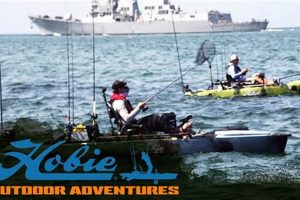
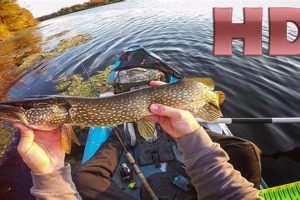
The pursuit of finned quarry from small, human-powered vessels in the waterways of eastern Texas offers a unique blend of angling and outdoor recreation. This activity takes advantage of the region’s abundant lakes, rivers, and bayous, providing anglers with access to diverse freshwater species such as largemouth bass, crappie, and catfish.
This style of angling provides numerous advantages. The quiet, non-motorized approach allows for stealthy access to shallow waters and areas inaccessible to larger boats, increasing the likelihood of encountering fish. Furthermore, the low impact nature of this activity minimizes disturbance to the aquatic environment. Historically, small boats have been used for fishing in the region, but the modern popularity of specialized kayaks designed for angling has significantly expanded access and opportunity.
Exploration of specific locations, appropriate gear and techniques, and the importance of safety and conservation will further illuminate the nuances of this rewarding pursuit.
Tips for Kayak Angling in East Texas
Successful kayak fishing in East Texas requires preparation and awareness. The following tips enhance angler safety and improve the chances of a productive outing.
Tip 1: Research and Plan: Thorough research is crucial. Understanding the specific waterway, including potential hazards such as submerged logs or swift currents, is paramount. Checking local regulations and obtaining necessary permits ensures legal compliance.
Tip 2: Prioritize Safety: A personal flotation device (PFD) should always be worn. Carrying a whistle and communication device enables signaling for assistance in emergencies. Informing someone of the planned fishing location and estimated return time is a crucial safety precaution.
Tip 3: Choose Appropriate Gear: Selecting a kayak designed for fishing provides stability and ample storage for tackle and equipment. Rods and reels should be chosen based on the targeted species. Essential gear includes appropriate lures, lines, hooks, and a landing net.
Tip 4: Master Kayak Control: Practicing basic paddling and maneuvering techniques before venturing onto the water is recommended, especially in areas with current or wind. Learning to position the kayak effectively for casting and retrieving lines improves fishing success.
Tip 5: Respect the Environment: Practicing catch-and-release fishing helps conserve fish populations. Proper disposal of fishing line and other waste minimizes environmental impact. Avoiding disturbing natural habitats ensures the long-term health of the ecosystem.
Tip 6: Utilize Local Resources: Consulting local bait shops or fishing guides provides valuable insights into current fishing conditions, effective techniques, and recommended locations.
Tip 7: Monitor Weather Conditions: Checking the weather forecast before heading out is essential. Avoid fishing during thunderstorms or periods of high winds. Being prepared for changing weather conditions ensures a safe and enjoyable experience.
By adhering to these guidelines, anglers can maximize their chances of a successful and safe experience while contributing to the preservation of East Texas’s aquatic ecosystems.
These tips provide a solid foundation for a rewarding outing. Understanding the specific challenges and opportunities presented by East Texas waterways is key to a positive angling experience.
1. Location Selection

Optimal location selection is paramount for successful kayak angling in East Texas. The diverse waterways of the region offer a range of habitats, each supporting specific fish species and presenting unique challenges and opportunities. Careful consideration of factors such as water clarity, depth, current, vegetation, and accessibility significantly influences angling outcomes.
For example, targeting largemouth bass often involves focusing on areas with abundant submerged structure like fallen trees or aquatic vegetation. Caddo Lake, known for its cypress forests, provides excellent opportunities for this species. Conversely, pursuing catfish might lead anglers to deeper channels and river bends in the Sabine River. Understanding these habitat preferences and tailoring location choices accordingly increases the likelihood of encountering target species. Access points also play a critical role; choosing a launch site with convenient parking and safe entry/exit points simplifies the logistical aspects of the fishing trip.
Effectively evaluating these factors and making informed decisions about where to fish is a critical skill for any angler. Neglecting location selection can lead to unproductive fishing trips, missed opportunities, and potential safety hazards. Careful planning, research, and consideration of available resources, such as local fishing reports and maps, contribute significantly to positive angling experiences and maximize the chances of success in the diverse waters of East Texas.
2. Kayak Choice
Kayak selection significantly influences the overall experience of angling in East Texas. The chosen vessel must accommodate the angler’s needs, the specific fishing environment, and the target species. Careful consideration of various factors, including stability, maneuverability, storage capacity, and propulsion systems, is crucial for a successful and enjoyable outing.
- Hull Design
Hull design directly impacts stability and maneuverability. A wider, flatter hull offers greater stability, particularly beneficial for stand-up fishing, prevalent in shallow-water bass fishing. Conversely, a narrower, V-shaped hull provides enhanced tracking and speed, advantageous for covering larger distances on open water, like paddling across a lake to reach a promising fishing spot. Choosing the appropriate hull design depends on the intended fishing style and the specific waterways targeted.
- Length and Weight Capacity
Kayak length and weight capacity correlate with storage space and angler comfort. Longer kayaks generally offer more storage for tackle and gear, essential for extended trips or diverse fishing techniques. Weight capacity dictates the maximum load the kayak can safely carry, including the angler, equipment, and potential catch. Exceeding the weight limit compromises stability and safety. Assessing individual needs and anticipated loads ensures proper kayak selection.
- Propulsion System
Kayak propulsion systems include paddle, pedal, and motor-driven options. Traditional paddle kayaks provide a quiet, non-motorized approach, minimizing disturbance to fish and offering excellent maneuverability in tight spaces. Pedal-driven kayaks allow hands-free fishing and efficient travel across larger distances. Motorized kayaks, while convenient, may be restricted in certain areas due to noise and environmental regulations. Choosing a propulsion system aligns with personal preference, fishing style, and waterway regulations.
- Features and Accessories
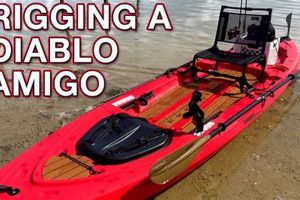
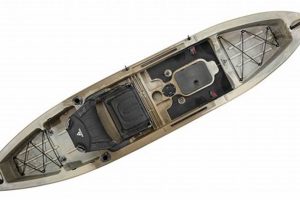
Features like rod holders, anchor trolleys, and built-in storage compartments significantly enhance fishing functionality. Rod holders secure rods while paddling or maneuvering. Anchor trolleys allow precise anchor positioning for targeted fishing. Dedicated storage compartments protect sensitive electronics and keep tackle organized. Evaluating available features and accessories ensures the kayak aligns with specific fishing needs and improves overall angling efficiency.
Considering these factors in kayak selection ensures a balanced approach to comfort, stability, maneuverability, and functionality, ultimately maximizing the enjoyment and success of kayak angling in East Texas. The ideal kayak choice complements the anglers skill level, target species, and the unique characteristics of the chosen waterway. Prioritizing these elements contributes to a safe, efficient, and rewarding fishing experience.
3. Essential Gear

Effective kayak angling in East Texas necessitates specific gear tailored to the region’s unique environment and target species. This equipment plays a crucial role in angler safety, fishing success, and overall enjoyment of the experience. Careful selection and appropriate utilization of essential gear directly impact outcomes on the water. Neglecting proper gear can lead to missed opportunities, safety risks, and a less fulfilling angling experience.
Essential gear categories include safety equipment, fishing tackle, and kayak accessories. Safety equipment comprises a personal flotation device (PFD), a whistle, and a communication device. These items are non-negotiable for personal safety and emergency preparedness. Fishing tackle selection hinges on target species. For example, targeting largemouth bass might require baitcasting reels spooled with braided line, appropriate rods, and a selection of lures like crankbaits and Texas-rigged soft plastics. Catfish angling, conversely, might involve heavier tackle, circle hooks, and stink bait. Kayak accessories, such as rod holders, anchor trolleys, and fish finders, enhance angling efficiency and overall comfort. A well-organized tackle box or crate system also contributes significantly to a streamlined and efficient fishing experience. Real-world examples illustrate the importance of appropriate gear: an angler properly equipped with a PFD avoids potential tragedy in the event of capsizing; a well-chosen lure selection leads to increased catches; a reliable anchor trolley allows precise boat positioning in current.
Understanding the direct link between appropriate gear and successful kayak angling in East Texas is crucial. This knowledge empowers informed decisions about equipment selection, ultimately enhancing safety, maximizing fishing success, and fostering a deeper appreciation for the sport. Preparation and attention to detail in gear selection pay dividends on the water, contributing to rewarding and memorable angling experiences. Challenges such as changing weather conditions or encountering unexpected obstacles on the water are mitigated through proper gear selection and utilization. Ultimately, careful consideration of essential gear significantly contributes to the overall success and enjoyment of East Texas kayak fishing.
4. Target Species

Target species selection significantly influences the overall approach to kayak angling in East Texas. The diverse fish populations inhabiting the region’s waterways present a range of angling opportunities, each requiring specific tackle, techniques, and location strategies. Understanding the habits and habitats of target species is crucial for maximizing fishing success. This knowledge informs decisions regarding lure selection, fishing presentation, and location choice. Furthermore, awareness of species-specific regulations, such as size and bag limits, ensures ethical and legal angling practices.
For instance, targeting largemouth bass, a popular game fish in East Texas, often necessitates focusing on shallow-water habitats with abundant cover, such as submerged vegetation or fallen trees. Anglers might employ techniques like flipping or pitching Texas-rigged soft plastic lures to entice bass hiding in these areas. Conversely, pursuing crappie, another sought-after species, often involves fishing deeper brush piles or submerged structures using jigs or minnows. Catfish angling frequently utilizes bottom fishing rigs baited with cut bait or stink bait in deeper channels or river bends. These examples illustrate how target species selection dictates specific angling approaches and directly impacts the overall fishing experience.
The connection between target species and kayak angling in East Texas extends beyond simply catching fish. A deep understanding of species-specific behaviors and habitat preferences enhances angler appreciation for the aquatic ecosystem. This knowledge fosters responsible fishing practices, contributing to the long-term health and sustainability of fish populations. Challenges such as changing weather patterns or fluctuating water levels influence fish behavior and necessitate adaptability in angling strategies. Ultimately, a comprehensive understanding of target species and their relationship to the East Texas environment is essential for a successful and rewarding kayak angling experience.
5. Safety Precautions
Safety precautions are paramount in east Texas kayak fishing due to the inherent risks associated with navigating waterways in a small vessel. These risks include unpredictable weather patterns, fluctuating water levels, submerged obstacles, and potential encounters with wildlife. Neglecting safety protocols can lead to serious consequences, ranging from minor injuries to life-threatening situations. A comprehensive understanding of potential hazards and the implementation of appropriate safety measures significantly mitigate these risks, ensuring a positive and safe angling experience.
Several key safety precautions are essential for kayak anglers in east Texas. Wearing a properly fitted personal flotation device (PFD) is non-negotiable. This device provides essential buoyancy in the event of capsizing, significantly increasing the chances of survival. Carrying a whistle enables signaling for assistance in emergencies, particularly in remote or sparsely populated areas. A waterproof communication device, such as a cell phone or VHF radio, allows contact with emergency services or shore-based contacts if needed. Checking weather forecasts before embarking on a fishing trip is crucial. Sudden storms or strong winds can create hazardous conditions on the water. Informing someone of the intended fishing location and estimated return time provides an additional layer of safety, ensuring prompt assistance in case of an unexpected delay or emergency.
Practical examples underscore the critical role of safety precautions. An angler wearing a PFD avoids potential tragedy when unexpectedly encountering a submerged log and capsizing. Carrying a communication device enables a swift rescue for an angler who experiences a medical emergency on the water. Heeding weather warnings prevents a fishing trip from turning into a perilous situation during a sudden storm. Ultimately, prioritizing safety precautions demonstrates a responsible approach to kayak angling in east Texas, maximizing enjoyment while minimizing potential risks. Challenges like rapidly changing weather or navigating unfamiliar waterways are effectively addressed through adherence to established safety protocols. This proactive approach ensures a safe and rewarding experience for all anglers, fostering a culture of responsibility and respect for the aquatic environment.
6. Ethical Practices

Ethical practices are integral to sustainable and responsible kayak angling in East Texas. These practices demonstrate respect for the aquatic ecosystem, ensuring the long-term health of fish populations and preserving the natural environment for future generations. Disregarding ethical considerations can negatively impact fish populations, damage habitats, and detract from the overall angling experience for everyone. Understanding the connection between ethical angling and environmental stewardship is crucial for responsible participation in this recreational activity.
Several key ethical practices are particularly relevant to kayak angling in East Texas. Practicing catch-and-release fishing, especially for species of conservation concern, helps maintain healthy fish populations. Proper handling techniques, such as using wet hands or a landing net, minimize stress on fish during release, increasing their chances of survival. Avoiding fishing in spawning beds protects vulnerable fish during critical reproductive periods. Proper disposal of fishing line and other waste prevents entanglement of wildlife and minimizes pollution of the aquatic environment. Respecting private property and adhering to access restrictions ensures harmonious coexistence with riparian landowners and maintains positive relationships within the angling community. Real-world examples illustrate the practical significance of ethical practices. An angler practicing catch-and-release contributes to the continued abundance of trophy-sized bass in a local lake. Proper disposal of fishing line prevents a water bird from becoming entangled and injured. Respecting private property maintains access to a popular fishing area for all anglers.
Ethical considerations in kayak angling extend beyond immediate actions on the water. Advocating for responsible fishing regulations and supporting conservation initiatives contribute to the long-term health of East Texas waterways. Educating fellow anglers about ethical practices promotes a culture of responsibility within the angling community. Challenges such as increasing fishing pressure or the introduction of invasive species require collective action and adherence to ethical principles to mitigate negative impacts on the ecosystem. Ultimately, embracing ethical practices demonstrates a commitment to environmental stewardship and ensures the sustainability of kayak angling in East Texas for generations to come.
Frequently Asked Questions
This FAQ section addresses common inquiries regarding kayak angling in East Texas, providing concise and informative responses to assist anglers in planning successful and enjoyable outings.
Question 1: What are the most common fish species targeted by kayak anglers in East Texas?
Largemouth bass, crappie, catfish, and various sunfish species are frequently targeted. Specific species availability varies depending on the chosen waterway and time of year.
Question 2: Are there specific regulations or licensing requirements for kayak fishing in East Texas?
A valid Texas fishing license is required. Specific regulations regarding size and bag limits for different species are in effect and should be consulted before fishing.
Question 3: What essential safety equipment should kayak anglers carry in East Texas?
A personal flotation device (PFD), a whistle, and a communication device are crucial for safety. Additional safety items include a first-aid kit, sunscreen, and a dry bag for personal belongings.
Question 4: What are the best times of year for kayak fishing in East Texas?
Spring and fall generally offer favorable fishing conditions with moderate temperatures. Summer fishing can be productive during early morning and late evening hours to avoid extreme heat. Winter fishing requires specialized gear and cold-weather precautions.
Question 5: Are there guided kayak fishing trips available in East Texas?
Numerous professional guides offer kayak fishing trips in East Texas. Guided trips provide valuable insights into local fishing hotspots, effective techniques, and enhance safety for novice anglers.
Question 6: What are the primary considerations for choosing a kayak for fishing in East Texas?
Stability, maneuverability, storage capacity, and propulsion system are key factors. The chosen kayak should align with the angler’s experience level, target species, and the specific waterways being fished.
Addressing these frequently asked questions provides a foundation for informed decision-making and contributes to safer and more productive kayak angling experiences in East Texas. Careful consideration of these factors enhances enjoyment and fosters responsible angling practices.
Further exploration of specific locations, techniques, and resources can provide additional insights for anglers seeking to maximize their success on East Texas waters.
East Texas Kayak Fishing
Exploration of this popular pursuit reveals a multifaceted activity requiring careful consideration of several key elements. Successful angling hinges on informed decisions regarding location selection, appropriate gear and kayak choice, targeted species, and adherence to essential safety precautions and ethical practices. Understanding the interplay of these factors contributes significantly to positive angling experiences and fosters environmental stewardship.
The future of this rewarding pastime relies on continued conservation efforts and responsible angling practices. Preserving the ecological integrity of East Texas waterways ensures the sustainability of fish populations and the continued enjoyment of kayak angling for generations to come. Consideration of these factors contributes to a deeper appreciation for the sport and fosters a responsible approach to interacting with the natural environment.