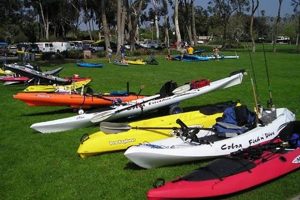
This activity involves angling from a small, human-powered watercraft in the waterways surrounding Perth, Western Australia. It offers a unique blend of outdoor recreation, providing access to diverse fishing grounds often unreachable by larger vessels. Anglers employ specialized equipment and techniques adapted for this specific style of fishing.
The combination of accessibility, affordability, and the potential for close encounters with marine life makes this pastime incredibly popular. It contributes positively to the local economy through tourism and related industries. Furthermore, it fosters an appreciation for the natural environment and promotes sustainable fishing practices. Historically, small watercraft have been utilized for fishing for centuries globally; however, the modern iteration with specialized kayaks and equipment has gained significant traction in recent decades.
The following sections delve into specific aspects of this popular activity, including recommended locations, essential equipment, licensing requirements, and safety considerations. They will provide readers with the necessary knowledge to engage in this pursuit responsibly and successfully.
Tips for Kayak Fishing in Perth
Careful planning and preparation are essential for a successful and enjoyable fishing experience from a kayak in Perth waters. The following tips offer valuable insights for both novice and experienced anglers.
Tip 1: Check Weather Conditions: Prior to embarking on any kayak fishing trip, consult marine weather forecasts. Wind strength and direction, swell height, and tide changes can significantly impact safety and fishing success.
Tip 2: Choose Appropriate Locations: Select fishing grounds suitable for kayak access and prevailing conditions. Sheltered bays, estuaries, and nearshore reefs offer productive options. Research potential hazards like strong currents or boat traffic.
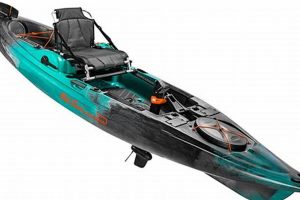
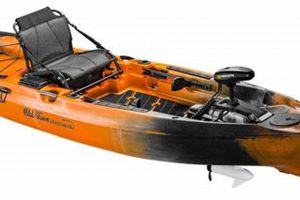
Tip 3: Utilize Suitable Equipment: Employ a kayak specifically designed for fishing, equipped with rod holders, storage compartments, and an anchor system. Fishing gear should be appropriate for the target species and environment.
Tip 4: Prioritize Safety Measures: Always wear a personal flotation device (PFD). Carry essential safety equipment, including a VHF radio, flares, and a first-aid kit. Inform someone of the intended fishing location and estimated return time.
Tip 5: Practice Proper Kayak Handling: Develop proficient paddling and maneuvering skills before venturing into open water. Understand basic self-rescue techniques in case of capsize.
Tip 6: Respect Local Regulations: Obtain necessary fishing licenses and adhere to all relevant regulations regarding size and bag limits. Practice catch-and-release principles whenever possible.
Tip 7: Minimize Environmental Impact: Dispose of all waste responsibly. Avoid disturbing sensitive habitats and wildlife. Use appropriate anchoring techniques to minimize damage to the seabed.
By following these guidelines, anglers can enhance their enjoyment of this popular pastime while ensuring safety and environmental responsibility.
The following section concludes with a summary of key takeaways and resources for further information.
1. Location Selection

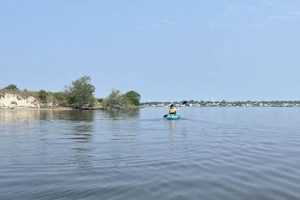
Location selection significantly impacts the success and safety of kayak fishing excursions near Perth. Factors such as target species, angler experience, prevailing weather conditions, and tidal movements influence location choices. The Swan River offers calm waters suitable for beginners targeting bream or flathead, while experienced anglers seeking larger species like Samson fish might choose exposed reefs further offshore. Protected areas like Cockburn Sound provide sheltered fishing grounds appropriate for various skill levels, whereas the open ocean west of Rottnest Island presents challenging conditions requiring advanced kayaking and navigational skills. Careful consideration of these factors ensures optimal fishing opportunities while minimizing risks.
Matching location choice to target species increases the likelihood of a successful catch. For instance, anglers seeking herring or tailor might focus on areas near river mouths or along beaches where these species congregate. Similarly, choosing locations with appropriate water depth and structure, such as reefs or drop-offs, improves the chances of encountering demersal species like snapper or dhufish. Accessibility, including launch points and parking facilities, also plays a practical role in location selection, particularly for anglers transporting kayaks by vehicle. Understanding the interplay of these elements contributes to a more rewarding fishing experience.
Effective location selection necessitates research and planning. Consulting nautical charts, online resources, and local fishing reports provides valuable information on potential fishing grounds, hazards, and access points. Checking weather forecasts and tide charts before departing ensures safe and productive outings. Ultimately, informed location selection maximizes the potential for a successful and enjoyable kayak fishing experience in the diverse waters surrounding Perth.
2. Kayak Choice

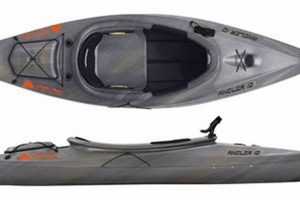
Kayak selection significantly influences the overall experience of kayak fishing in Perth waters. The diverse conditions, ranging from calm estuaries to exposed coastal areas, necessitate careful consideration of kayak characteristics. Stability, maneuverability, storage capacity, and compatibility with fishing accessories are key factors influencing kayak choice. A stable platform is crucial for casting and reeling, particularly in challenging conditions. Maneuverability affects the angler’s ability to navigate tight spots and access specific fishing grounds. Sufficient storage accommodates essential gear, including tackle boxes, safety equipment, and catches. Compatibility with rod holders, fish finders, and anchor systems enhances fishing efficiency and enjoyment. Choosing an unsuitable kayak can compromise safety, restrict access to desired fishing locations, and limit overall fishing success.
Different kayak types cater to various fishing styles and locations within the Perth region. Sit-on-top kayaks offer inherent stability and self-bailing capabilities, making them suitable for beginners and fishing in calmer waters. Sit-in kayaks provide better protection from the elements and enhanced paddling efficiency, making them suitable for longer trips and more exposed conditions. Inflatable kayaks offer portability and convenience, suitable for anglers with limited storage space or those accessing remote locations. Specialized fishing kayaks often feature built-in rod holders, anchor trolleys, and live wells, further enhancing the fishing experience. Matching kayak type to individual needs and intended fishing locations optimizes performance and enjoyment.
Appropriate kayak choice directly impacts fishing success and safety in Perth. Selecting a kayak that aligns with experience level, target species, and intended fishing locations enables anglers to maximize their time on the water. Investing in a suitable kayak enhances stability, maneuverability, and overall fishing efficiency, leading to a more rewarding and safer experience. Conversely, an ill-suited kayak can create instability, restrict access to prime fishing spots, and compromise safety, ultimately diminishing the enjoyment and effectiveness of kayak fishing in Perth’s diverse waterways. Careful consideration of these factors ensures a positive and productive experience on the water.
3. Essential Gear

Effective kayak fishing in Perth requires specialized equipment tailored to the unique demands of this activity. Essential gear contributes significantly to safety, fishing success, and overall enjoyment. Appropriate gear selection hinges upon factors such as target species, fishing location, and prevailing conditions. For example, targeting larger pelagic species offshore necessitates heavier tackle and specialized rods and reels compared to fishing for bream in the Swan River. Similarly, venturing into open water requires additional safety equipment, including a VHF radio, flares, and a bilge pump, compared to fishing in sheltered estuaries. The interplay between essential gear and location-specific requirements underscores the need for careful planning and preparation.
Several key items comprise the essential gear list for kayak fishing in Perth. A well-fitting personal flotation device (PFD) is paramount for safety. A suitable paddle, appropriately sized for the kayak and angler, ensures efficient propulsion and maneuverability. Rod holders, securely mounted on the kayak, facilitate hands-free fishing and prevent gear loss. A reliable anchor system, including anchor, rope, and appropriate deployment mechanism, allows anglers to maintain position in desired fishing areas. Essential fishing tackle, encompassing rods, reels, lines, hooks, and lures, must be chosen according to target species and fishing techniques employed. Additional items such as a fish finder, GPS unit, and waterproof storage containers enhance fishing efficiency and contribute to overall success.
Understanding the function and importance of essential gear directly impacts fishing outcomes and personal safety. Proper use of safety equipment mitigates risks associated with open water environments. Effective deployment of fishing gear enhances the likelihood of hooking and landing target species. Appropriate storage and organization of equipment contribute to a more streamlined and enjoyable experience. Ultimately, the careful selection and utilization of essential gear are integral components of successful and safe kayak fishing in Perth. Neglecting these aspects can compromise safety, limit fishing effectiveness, and detract from the overall experience. Therefore, prioritizing essential gear is paramount for anyone embarking on this popular recreational activity in Perth’s diverse waterways.
4. Safety Procedures
Safety procedures are integral to kayak fishing in Perth, directly impacting angler wellbeing and successful excursions. The inherent risks associated with open water environments, coupled with the specific challenges of fishing from a small vessel, necessitate meticulous attention to safety protocols. Negligence in this area can lead to serious consequences, ranging from equipment loss to life-threatening situations. For example, neglecting to wear a personal flotation device (PFD) can prove fatal in the event of a capsize, particularly in cold water or strong currents. Similarly, ignoring weather forecasts and venturing out in unsuitable conditions can expose anglers to dangerous situations, such as high winds, large swells, or lightning strikes. Practical application of safety procedures mitigates these risks and ensures a more positive experience.
Several key safety procedures contribute to mitigating risks associated with kayak fishing in Perth. Checking weather forecasts prior to every outing allows anglers to avoid hazardous conditions and plan accordingly. Wearing a PFD at all times provides essential buoyancy in case of capsize. Carrying a waterproof communication device, such as a VHF radio or mobile phone in a waterproof case, enables anglers to contact emergency services if necessary. Informing someone of the intended fishing location and estimated return time ensures timely assistance in case of unexpected delays or emergencies. Carrying essential safety equipment, including flares, a first-aid kit, and a bilge pump, further enhances preparedness for unforeseen circumstances. Regularly inspecting and maintaining kayak and safety equipment ensures optimal performance and reliability when needed.
Prioritizing safety procedures significantly contributes to a positive and safe kayak fishing experience in Perth. Adherence to these procedures minimizes risks, enhances angler confidence, and promotes responsible enjoyment of the activity. Challenges such as changing weather conditions and unexpected equipment malfunctions underscore the importance of continuous vigilance and preparedness. Integrating safety procedures into every aspect of kayak fishing, from pre-trip planning to on-water practices, ensures a safer and more rewarding experience in the diverse waterways surrounding Perth. Failure to prioritize safety can have significant repercussions, impacting not only personal well-being but also the broader perception and sustainability of this popular recreational activity.
5. Fishing Regulations
Fishing regulations play a crucial role in the sustainability and enjoyment of kayak fishing within Perth waters. These regulations, enforced by the Department of Primary Industries and Regional Development (DPIRD), govern aspects such as size and bag limits, permitted fishing methods, and seasonal closures. Adherence to these regulations ensures the long-term health of fish stocks, protects vulnerable species, and promotes equitable access to resources for all anglers. Ignoring these regulations can lead to fines, confiscation of equipment, and damage to the marine ecosystem. For example, exceeding bag limits for popular species like bream or whiting depletes fish populations and undermines future fishing opportunities. Similarly, using prohibited fishing methods, such as illegal nets or traps, can indiscriminately harm non-target species and disrupt the ecological balance.
Understanding and complying with fishing regulations is an essential component of responsible kayak fishing in Perth. Regulations vary depending on location, species, and time of year. Anglers must familiarize themselves with specific rules applicable to their chosen fishing grounds. Resources such as the DPIRD website, recreational fishing guides, and local tackle shops provide up-to-date information on current regulations. Practical application of this knowledge involves checking size and bag limits before fishing, using permitted fishing gear and methods, and respecting seasonal closures. For instance, knowing the minimum size limit for dhufish and adhering to it helps protect juvenile fish and ensures the sustainability of the population. Similarly, understanding permitted fishing methods in specific areas, such as designated sanctuary zones or protected habitats, helps preserve sensitive ecosystems.
Compliance with fishing regulations contributes significantly to the ecological health of Perth’s waterways and ensures the longevity of kayak fishing as a recreational activity. These regulations, though sometimes perceived as restrictive, serve a crucial purpose in maintaining healthy fish stocks, protecting vulnerable species, and promoting responsible fishing practices. Challenges associated with enforcement and public awareness underscore the importance of angler education and self-regulation. By prioritizing compliance and promoting responsible fishing ethics within the kayak fishing community, anglers contribute to the preservation of this valuable resource for future generations. Ignoring regulations not only risks penalties but also undermines the long-term sustainability of the fishery and the enjoyment of this popular pastime in Perth’s unique marine environment.
Frequently Asked Questions
This section addresses common inquiries regarding kayak fishing in Perth, offering concise and informative responses to facilitate informed decision-making and enhance the overall experience.
Question 1: What are the licensing requirements for kayak fishing in Perth?
A recreational fishing licence from the Department of Primary Industries and Regional Development (DPIRD) is generally required for fishing in Western Australian waters, including from a kayak. Specific requirements vary depending on location and target species, therefore, consulting the DPIRD website for detailed information is recommended.
Question 2: Where are recommended launch sites for kayak fishing around Perth?
Several suitable launch sites exist around Perth, catering to various skill levels and fishing preferences. Popular locations include the Swan River, Cockburn Sound, and various beaches along the coast. Factors such as prevailing conditions, target species, and accessibility influence launch site selection. Researching potential launch points and considering factors like parking availability and proximity to desired fishing grounds is advisable.
Question 3: What safety equipment is essential for kayak fishing in Perth?
Essential safety equipment includes a personal flotation device (PFD), a waterproof communication device (VHF radio or mobile phone in a waterproof case), flares, a first-aid kit, and a bilge pump. Additional safety items like a paddle leash, a whistle, and a knife can further enhance angler safety. Carrying appropriate safety gear and understanding its proper use are crucial for mitigating risks associated with kayak fishing.
Question 4: What types of fish can one expect to catch while kayak fishing in Perth?
The diverse marine environment around Perth supports a variety of fish species accessible to kayak anglers. Common catches include bream, whiting, flathead, tailor, herring, and skippy in nearshore waters. Anglers venturing further offshore may encounter larger species such as snapper, dhufish, Samson fish, and yellowtail kingfish. Target species vary depending on location, season, and fishing techniques employed.
Question 5: Are there any specific regulations regarding kayak fishing in designated marine parks or sanctuary zones around Perth?
Specific regulations often apply to fishing within marine parks and sanctuary zones around Perth. These regulations aim to protect sensitive habitats and preserve biodiversity. Restrictions may include limitations on fishing methods, designated no-fishing areas, and specific size and bag limits. Consulting the DPIRD website and relevant park authorities for detailed information on regulations applicable to specific locations is crucial.
Question 6: What are the recommended fishing techniques for kayak fishing in Perth?
Effective fishing techniques for kayak fishing in Perth vary depending on target species and location. Popular methods include trolling, casting lures, bait fishing, and jigging. Understanding the preferred feeding habits and habitats of target species informs technique selection. Local tackle shops and online resources offer valuable insights into effective fishing techniques for specific locations and species around Perth.
Careful consideration of these frequently asked questions enhances preparedness, promotes safe practices, and contributes to a more rewarding kayak fishing experience in Perth. Thorough planning and informed decision-making are crucial for maximizing enjoyment and minimizing potential risks associated with this popular recreational activity.
The following section provides further resources and information for those interested in exploring kayak fishing opportunities in Perth.
Kayak Fishing Perth
This exploration of kayak fishing in Perth has highlighted key elements essential for a successful and rewarding experience. Location selection based on target species and conditions, appropriate kayak choice, essential gear utilization, adherence to safety procedures, and compliance with fishing regulations are crucial for maximizing enjoyment and minimizing risks. Understanding the interplay of these factors contributes to a safe, productive, and sustainable approach to this popular activity.
Kayak fishing in Perth offers a unique opportunity to connect with the marine environment and experience the thrill of angling from a personal watercraft. Careful preparation, informed decision-making, and a commitment to responsible fishing practices ensure the continued enjoyment and sustainability of this rewarding recreational pursuit for all who partake. The future of kayak fishing in Perth relies on the collective responsibility of anglers to prioritize safety, respect the environment, and adhere to regulations, preserving this unique experience for generations to come.