A professional leading anglers through the diverse waters of the Florida Keys archipelago via kayak offers a unique and intimate fishing experience. This personalized approach allows for access to shallow-water flats, mangrove creeks, and backcountry channels often inaccessible to larger vessels. Such excursions typically involve instruction on paddling techniques, local fishing regulations, and best practices for targeting popular species like tarpon, bonefish, permit, snook, and redfish.
Engaging such expertise provides several advantages. It enhances fishing success by leveraging local knowledge of fish behavior, tides, and optimal fishing locations. Furthermore, it contributes to conservation efforts by promoting responsible angling practices and minimizing environmental impact. Historically, fishing has been integral to the Keys’ culture and economy, and kayak fishing represents a contemporary evolution of this tradition, blending a low-impact approach with the pursuit of prized game fish.
The following sections will explore key aspects of this specialized service, including species targeted, equipment used, recommended locations, and responsible fishing practices.
Tips for Kayak Fishing in the Florida Keys
Successful kayak fishing in the Florida Keys requires preparation and awareness. These tips offer guidance for a safe and productive experience.
Tip 1: Prioritize Safety Equipment. Always wear a personal flotation device (PFD). Carry a whistle, signaling mirror, and VHF radio for emergencies. A first-aid kit and sun protection are also essential.
Tip 2: Understand Local Regulations. Obtain the necessary fishing licenses and familiarize oneself with size and catch limits for targeted species. Respect closed seasons and protected areas.
Tip 3: Plan According to Tides and Weather. Outgoing tides often concentrate fish in channels and flats. Monitor weather forecasts and avoid venturing out in strong winds or storms.
Tip 4: Choose Appropriate Tackle and Gear. Light to medium tackle is generally suitable for most species. Pack a variety of lures and flies to match prevailing conditions and target specific fish.
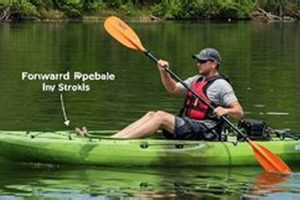
Tip 5: Practice Kayak Control. Master basic paddling strokes and maneuvering techniques before venturing into open water. Learn how to anchor effectively and position the kayak for optimal casting.
Tip 6: Respect the Environment. Practice catch-and-release whenever possible, handling fish with care. Dispose of fishing line and other waste responsibly. Avoid disturbing wildlife and sensitive habitats like seagrass beds and mangroves.
Tip 7: Engage a Reputable Guide Service. For those unfamiliar with the area, a local guide can significantly enhance the fishing experience. Guides offer valuable insights into local conditions, fishing techniques, and responsible angling practices.
Adhering to these guidelines contributes to a rewarding and sustainable kayak fishing experience. Careful planning and responsible practices ensure both angler safety and the preservation of this unique ecosystem.
By implementing these strategies, anglers can maximize their chances of success while minimizing their impact on the environment, leading to a more enjoyable and sustainable fishing experience.
1. Local Expertise

Local expertise forms the cornerstone of a successful Florida Keys kayak fishing experience. Intimate knowledge of the intricate network of channels, flats, and mangroves is crucial for locating fish and navigating safely. A qualified guide understands subtle variations in tides, currents, and water temperature that influence fish behavior. This localized knowledge extends to identifying productive fishing spots based on time of day, season, and targeted species. For example, a guide might know a specific creek mouth where tarpon congregate during an incoming tide or a hidden flat frequented by bonefish during the summer months. This targeted approach maximizes fishing opportunities unavailable to those unfamiliar with the area.
The value of local expertise extends beyond simply finding fish. Guides possess a deep understanding of the local ecosystem, including regulations, conservation efforts, and ethical fishing practices. They can identify protected areas, ensure compliance with catch limits, and promote responsible handling and release techniques. This awareness helps preserve the delicate balance of the marine environment. Furthermore, a guide’s familiarity with local weather patterns is paramount for safety. They can anticipate changing conditions, identify potential hazards, and make informed decisions about when and where to fish. For example, a guide understands the implications of an approaching squall and can navigate clients to safety before conditions deteriorate.
In summary, local expertise distinguishes a successful Florida Keys kayak fishing trip from a mediocre one. It’s the key to unlocking the area’s rich fishing potential while ensuring a safe and sustainable experience. The practical application of this understanding is evident in higher catch rates, increased angler satisfaction, and a deeper appreciation for the unique ecosystem of the Florida Keys.
2. Safety Practices

Client safety remains paramount for any reputable Florida Keys kayak fishing guide. Professional guides prioritize a comprehensive approach to safety, encompassing pre-trip preparation, on-water procedures, and emergency preparedness. Understanding and implementing these practices ensures a secure and enjoyable experience for all participants.
- Pre-Trip Briefing
A thorough pre-trip briefing covers essential safety information. This includes proper paddling techniques, kayak handling in various conditions, and an overview of potential hazards such as shallow water, strong currents, and changing weather. Guides also review emergency procedures, communication protocols, and the use of safety equipment. For example, clients learn how to signal for help, deploy a sea anchor, and re-enter a kayak after capsizing.
- Equipment Check and Provision
Guides ensure all safety equipment is functional and readily accessible. This includes properly fitted personal flotation devices (PFDs), whistles, signaling mirrors, and a VHF radio. Guides also provide necessary gear such as bilge pumps, paddles with leashes, and first-aid kits. Regularly inspecting and maintaining this equipment demonstrates a commitment to client safety.
- On-Water Awareness and Navigation
Maintaining situational awareness is crucial throughout the fishing excursion. Guides continuously assess weather conditions, monitor boat traffic, and navigate safely through shallow areas and channels. They advise clients on appropriate paddling techniques and positioning for optimal fishing while minimizing risk. For instance, a guide might reposition kayaks to avoid approaching storms or advise clients to paddle closer together in areas of strong current.
- Emergency Response Protocols
Guides establish clear emergency response protocols to address unforeseen situations. This includes procedures for handling medical emergencies, equipment malfunctions, and severe weather events. Having a pre-determined plan and practicing drills ensures a swift and effective response in any situation, minimizing potential risks to clients. For example, guides typically establish communication protocols with local authorities and have backup plans for retrieving clients in the event of equipment failure.
These multifaceted safety practices, implemented by professional Florida Keys kayak fishing guides, demonstrate a commitment to client well-being. By prioritizing safety, guides create an environment where clients can fully enjoy the unique fishing experience offered by the Florida Keys without compromising their security. This focus on preparedness and risk mitigation ensures a memorable and positive experience for all involved.
3. Equipment Provided

A significant advantage of engaging a Florida Keys kayak fishing guide lies in the provision of specialized equipment. This alleviates the logistical challenges of transporting kayaks and fishing gear, allowing clients to focus solely on the fishing experience. Furthermore, guides offer expertise in selecting appropriate equipment for the targeted species and prevailing conditions. The following facets illustrate the key components of equipment typically provided.
- Kayaks Designed for Fishing
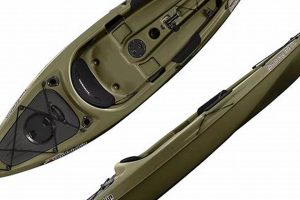
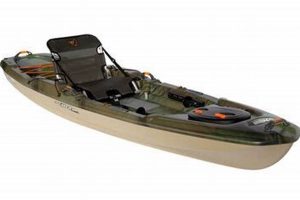
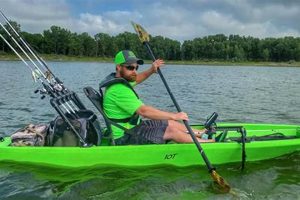
Guides furnish kayaks specifically designed for fishing stability, maneuverability, and ample storage. These vessels often feature rod holders, tackle compartments, and comfortable seating arrangements tailored for angling. Sit-on-top kayaks are prevalent due to their self-bailing capabilities and ease of entry and exit. Specialized designs, such as pedal-driven kayaks, offer hands-free fishing and increased mobility. The provision of suitable kayaks enhances angler comfort and efficiency on the water.
- Species-Specific Fishing Tackle
Guides provide fishing rods, reels, lines, and terminal tackle appropriate for targeting the desired species. This includes selecting the correct weight and action of rods, appropriate reel sizes and drag systems, and lines with suitable breaking strengths. Guides also furnish an assortment of lures, flies, and bait tailored to the local fish populations and prevailing conditions. For example, a guide targeting tarpon might provide heavy-duty rods and reels with wire leaders, while a bonefish guide might offer lighter tackle with specialized flies. This tailored approach maximizes the chances of success.
- Essential Safety Gear
Safety remains paramount, and reputable guides furnish essential safety equipment. This includes Coast Guard-approved personal flotation devices (PFDs), whistles, signaling mirrors, and VHF radios for communication in emergencies. Guides also provide items like first-aid kits, dry bags for personal belongings, and appropriate sun protection. The consistent provision of this equipment underscores a commitment to client safety and well-being.
- Navigation and Fish-Finding Aids
Guides often equip their kayaks with navigation and fish-finding aids to enhance the fishing experience. These might include GPS units, chartplotters, or fish finders. Such tools assist in locating productive fishing areas, navigating safely, and understanding underwater structures and fish behavior. The provision of these technologies optimizes fishing time and improves the likelihood of success.
By providing specialized equipment, Florida Keys kayak fishing guides streamline the angling experience and contribute to both client comfort and success. The selection of appropriate gear tailored to the target species and local conditions maximizes efficiency and ensures anglers are properly equipped for a safe and rewarding fishing trip. The provision of these essential components underscores the value and convenience of engaging a professional guide.
4. Target Species Knowledge

A Florida Keys kayak fishing guide’s profound understanding of target species is fundamental to a successful angling experience. This specialized knowledge encompasses various aspects of fish behavior, habitat preferences, and effective fishing techniques. It directly influences decisions regarding location selection, tackle choices, and bait presentation, ultimately maximizing the client’s chances of a successful catch. For instance, understanding the migratory patterns of tarpon allows a guide to position clients in key locations during specific times of the year, significantly increasing the likelihood of an encounter. Similarly, knowing that bonefish prefer shallow flats with specific bottom compositions enables a guide to select productive fishing grounds and employ appropriate fly patterns. This targeted approach distinguishes guided fishing from less informed attempts.
This in-depth knowledge extends beyond general behavior patterns to encompass the nuances of each species’ feeding habits. Guides understand the preferred prey items, foraging behaviors, and tidal influences that dictate feeding activity. This detailed understanding informs bait selection and presentation techniques. For example, a guide targeting permit might utilize live crabs presented in a specific manner to mimic their natural movement and attract wary fish. Conversely, when pursuing snook in mangrove-lined creeks, a guide might opt for lures that imitate the small baitfish prevalent in those environments. This targeted approach increases the likelihood of eliciting strikes and enhances overall fishing success. It also promotes conservation by minimizing wasted effort and reducing the potential for unintended bycatch.
In summary, the Florida Keys kayak fishing guide’s comprehensive understanding of target species represents a cornerstone of their expertise. This knowledge directly translates into informed decision-making, optimized fishing strategies, and increased client satisfaction. It enables guides to tailor each excursion to the specific goals and preferences of the client, enhancing the overall experience and contributing to a deeper appreciation of the diverse fishery of the Florida Keys. The ability to effectively target specific species while minimizing environmental impact underscores the value and professionalism of guided fishing experiences.
5. Respectful Angling
Respectful angling practices are integral to the ethos of a Florida Keys kayak fishing guide. Maintaining the health and vitality of the marine ecosystem is paramount. Guides champion conservation through catch-and-release techniques, minimizing environmental impact, and promoting responsible angling behaviors among clients. This commitment to sustainability ensures the longevity of the fishery and preserves the natural beauty of the Florida Keys for future generations. It also cultivates a deeper appreciation for the interconnectedness of the environment and the importance of responsible stewardship.
- Catch-and-Release Practices
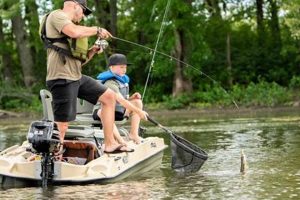
Promoting catch-and-release is a cornerstone of respectful angling. Guides educate clients on proper handling techniques to minimize stress on fish during release. This includes using wet hands or de-hooking tools to avoid removing protective slime coatings and minimizing air exposure. Reviving fish alongside the kayak before release ensures their successful return to the ecosystem. Such practices preserve fish populations and contribute to the overall health of the fishery. For example, guides emphasize the importance of supporting a fish’s weight during handling to prevent internal injuries. This careful approach minimizes stress and maximizes the chances of survival after release.
- Minimizing Environmental Disturbance
Respectful angling extends beyond fish handling to encompass minimizing overall environmental disturbance. Guides emphasize avoiding contact with sensitive habitats such as seagrass beds and coral reefs. They educate clients about the importance of proper waste disposal, ensuring all fishing line, hooks, and other debris are collected and removed from the water. Additionally, guides promote responsible anchoring practices to prevent damage to the seabed. These collective efforts contribute to the preservation of the delicate ecosystem. For example, guides might demonstrate how to use a push pole instead of an anchor in shallow areas to avoid disturbing seagrass. This minimizes impact and promotes sustainable practices.
- Adherence to Regulations and Local Guidelines
Respectful angling necessitates strict adherence to fishing regulations and local guidelines. Guides ensure clients understand and comply with size and catch limits for various species, respecting closed seasons and protected areas. They emphasize the importance of obtaining necessary fishing licenses and educate clients on specific local rules and etiquette. This commitment to legality protects vulnerable fish populations and ensures the sustainability of the fishery. For example, guides inform clients about seasonal closures designed to protect spawning fish, emphasizing the importance of respecting these regulations for long-term conservation.
- Educating Clients on Conservation
Guides actively engage in educating clients about broader conservation principles. They share insights into the local ecosystem, highlighting the interconnectedness of various species and the importance of preserving their habitats. This educational component fosters a deeper appreciation for the natural environment and encourages clients to become stewards of responsible angling practices. For example, a guide might explain the role of mangroves in providing nursery habitats for juvenile fish or the importance of seagrass beds in supporting a healthy marine ecosystem. This knowledge empowers clients to make informed decisions and contribute to conservation efforts.
Respectful angling practices, as championed by Florida Keys kayak fishing guides, represent a crucial commitment to environmental stewardship. By prioritizing conservation and responsible behavior, guides ensure the long-term health and vitality of the Florida Keys fishery. These practices also enrich the client experience, fostering a deeper appreciation for the natural world and the importance of its preservation. Through education and active demonstration, guides cultivate a culture of respect for the environment, ensuring its sustainability for future generations. This holistic approach to angling benefits both the ecosystem and the overall fishing experience, creating a positive and lasting impact on the Florida Keys.
Frequently Asked Questions
Addressing common inquiries regarding guided kayak fishing expeditions in the Florida Keys provides clarity and facilitates informed decision-making for prospective participants.
Question 1: What level of fishing experience is required for a guided kayak fishing trip?
Experience is not a prerequisite. Guides cater to all skill levels, from novices to seasoned anglers. Instruction and assistance are provided as needed.
Question 2: What is typically included in the cost of a guided trip?
Costs generally encompass kayak rental, fishing equipment, safety gear, and the guide’s expertise. Some guides may also include items such as bottled water and snacks. Clarification regarding inclusions is recommended prior to booking.
Question 3: What types of fish are commonly targeted on these excursions?
Targeted species often include tarpon, bonefish, permit, snook, redfish, and various other inshore species depending on the season and client preferences. Guides possess expertise in locating and targeting these specific fish.
Question 4: What should one wear and bring on a kayak fishing trip?
Recommended attire includes lightweight, quick-drying clothing, a hat, polarized sunglasses, and water shoes. Sunscreen, insect repellent, and a personal dry bag for valuables are also advisable. Specific recommendations may be provided by the guide based on weather conditions.
Question 5: Are there any physical limitations or restrictions for kayak fishing?
While kayak fishing is generally accessible, certain physical limitations may pose challenges. Discussing any health concerns or physical conditions with the guide beforehand ensures appropriate accommodations and safety measures can be implemented.
Question 6: What is the typical duration of a guided kayak fishing trip?
Trip durations vary depending on the specific offering and client preferences. Half-day and full-day trips are common options. Specific timeframes should be confirmed with the chosen guide service during the booking process.
Prospective participants are encouraged to directly contact guides with any further inquiries. Clear communication ensures expectations align, facilitating a positive and rewarding fishing experience.
The following section details the ecological importance of preserving the Florida Keys’ unique marine environment.
Florida Keys Kayak Fishing Guide
Engaging a Florida Keys kayak fishing guide offers a specialized approach to experiencing the diverse marine ecosystem of this unique archipelago. This overview has explored the multifaceted aspects of such guided excursions, emphasizing the importance of local expertise, adherence to safety practices, the provision of specialized equipment, in-depth knowledge of target species, and a commitment to respectful angling. These combined elements contribute significantly to a successful and enriching fishing experience, distinguishing guided trips from independent ventures.
The Florida Keys’ delicate ecosystem thrives on responsible stewardship. Choosing a guide dedicated to sustainable practices ensures the preservation of this valuable resource for future generations. Supporting such conservation-minded approaches safeguards the biodiversity and natural beauty of the Florida Keys, allowing anglers to continue enjoying its unique fishing opportunities while minimizing environmental impact. The future of this remarkable fishery rests on the collective commitment to responsible and sustainable practices.