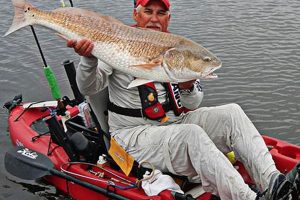
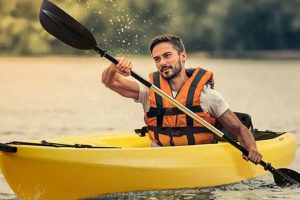
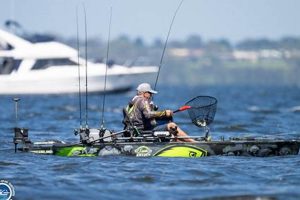
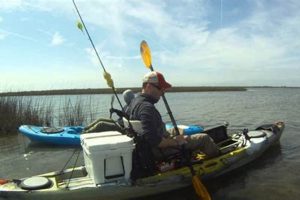
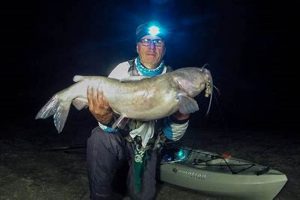
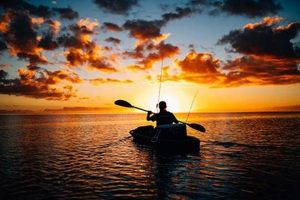
This activity involves angling from a small, human-powered watercraft in the waterways surrounding Melbourne, Australia. It combines the tranquility of paddling with the excitement of catching a variety of fish species. Imagine casting a line against the backdrop of the city skyline or exploring the serene estuaries and bays teeming with marine life. This popular recreational pursuit provides an intimate connection with nature while offering a unique perspective on the vibrant aquatic ecosystems of the region.
Angling from these vessels provides several advantages. It allows access to shallow waters and secluded fishing spots often inaccessible to larger boats, offering a distinct advantage in pursuing specific species. The quiet movement of a paddle minimizes disturbance to fish, increasing the chances of a successful catch. Additionally, it provides a low-impact, environmentally friendly way to enjoy the waterways while promoting physical activity. The growing popularity of this pastime reflects a broader trend towards accessible and sustainable recreational fishing.
The following sections will explore specific locations suitable for this activity around Melbourne, discuss relevant regulations and licensing requirements, and offer guidance on choosing appropriate gear and techniques for a successful and enjoyable experience.
Tips for Kayak Fishing in Melbourne
Successful and enjoyable kayak fishing experiences require careful planning and preparation. These tips offer valuable insights for anglers of all skill levels.
Tip 1: Check Weather Conditions: Prior to embarking on any fishing trip, consulting marine weather forecasts is crucial. Wind speed, wave height, and tides significantly impact safety and fishing success. Postponing trips during adverse conditions is recommended.
Tip 2: Choose the Right Kayak: Selecting a kayak appropriate for fishing and the intended waterways is essential. Stability, storage capacity, and ease of maneuvering should be considered. Specialized fishing kayaks often offer features like rod holders and built-in livewells.
Tip 3: Essential Safety Gear: Carrying necessary safety equipment is paramount. A personal flotation device (PFD), a signaling device such as a whistle or flare, and a communication device are essential for safe navigation and emergency situations.
Tip 4: Plan Your Route: Mapping a route in advance, considering launch points, fishing areas, and potential hazards ensures efficient use of time and minimizes risks. Familiarizing oneself with local regulations and restricted areas is essential.
Tip 5: Respect Local Regulations: Adhering to fishing regulations, including size and bag limits for different species, is crucial for conservation and maintaining sustainable fisheries. Obtaining necessary licenses and permits before fishing is mandatory.
Tip 6: Proper Waste Disposal: Minimizing environmental impact by practicing responsible waste disposal is crucial. Removing all trash, including fishing line and hooks, helps preserve the natural beauty of the waterways.
Tip 7: Pack Light and Efficiently: Organizing tackle and gear efficiently maximizes space and accessibility. Prioritizing essential items and avoiding unnecessary clutter enhances safety and maneuverability.
By adhering to these tips, anglers can enhance their safety, improve their chances of a successful catch, and contribute to the preservation of Melbourne’s valuable aquatic ecosystems.
Equipped with these insights, anglers are now prepared to explore the diverse fishing opportunities that Melbourne has to offer. The following section will provide a detailed overview of popular fishing locations around the city.
1. Suitable Kayak Selection
Suitable kayak selection significantly impacts the success and enjoyment of kayak fishing in Melbourne. The diverse waterways around Melbourne, ranging from calm bays and estuaries to open ocean areas, present varying conditions that necessitate careful consideration of kayak characteristics. Stability, maneuverability, and storage capacity are key factors influencing performance and safety. A stable kayak is crucial for casting lines and reeling in fish without compromising balance, especially in choppy waters. Maneuverability is essential for navigating tight spaces, exploring shallow areas, and efficiently reaching desired fishing spots. Ample storage capacity allows for carrying essential fishing gear, safety equipment, and catches comfortably. For example, a sit-on-top kayak offers excellent stability and ease of re-entry in case of capsizing, making it suitable for bay fishing. A sit-in kayak, while offering better protection from the elements, may be less stable and more challenging to re-enter, making it more appropriate for calmer waters.
Matching kayak features to specific fishing styles further enhances the experience. Anglers targeting larger species in open water might prioritize kayaks with higher weight capacities and tracking capabilities, while those fishing in sheltered estuaries might favor shorter, more agile kayaks for navigating shallows and mangroves. Integrating features like rod holders, fish finders, and anchor trolleys can significantly improve fishing efficiency. Consideration of the local environment, including potential hazards like strong currents or submerged obstacles, also plays a crucial role in kayak selection. Choosing a brightly colored kayak enhances visibility, contributing to safety on the water.
Careful kayak selection, therefore, underpins a successful and enjoyable kayak fishing experience in Melbourne. Understanding the interplay between kayak characteristics, fishing styles, and the specific conditions of the chosen waterway allows anglers to optimize their setup for safety, efficiency, and overall success. This informed approach ultimately contributes to a more rewarding and sustainable engagement with the sport.
2. Essential Safety Equipment

Safety equipment is paramount for kayak fishing in Melbourne due to the inherent risks associated with navigating waterways. The combination of open water, variable weather conditions, and potential interactions with other vessels necessitates a proactive approach to safety. A key element is a properly fitted personal flotation device (PFD). PFDs provide essential buoyancy in the event of capsizing or accidental immersion, significantly increasing the chances of survival. Cold water shock, a common occurrence in Melbourne’s waters, can incapacitate even strong swimmers, making a PFD a critical piece of safety equipment. Consider a situation where an angler encounters unexpected rough waters or gets entangled in fishing gear. A PFD provides crucial flotation, allowing time for self-rescue or assistance from other boaters.
Beyond PFDs, communication devices are essential for summoning help in emergencies. A waterproof VHF radio allows direct communication with marine authorities and other vessels, ensuring a swift response in distress situations. Mobile phones, while useful, may have limited reception in offshore areas. Carrying a signaling device, such as a waterproof flare or a personal locator beacon (PLB), provides an additional layer of security. Visual distress signals are particularly effective in attracting attention from a distance. For instance, if a kayak capsizes far from shore, a PLB can pinpoint the location for search and rescue teams, significantly increasing the chances of a timely rescue. A first-aid kit, equipped to handle common fishing-related injuries like hook punctures and cuts, is another essential item.
Proper safety equipment is not merely a recommendation but a critical factor in ensuring angler well-being in Melbourne’s waterways. Understanding the potential risks and equipping oneself accordingly allows for a safer and more enjoyable fishing experience. The combination of PFDs, communication devices, signaling devices, and basic first-aid supplies provides a comprehensive safety net, minimizing potential dangers and promoting responsible angling practices.
3. Prime Fishing Locations

Prime fishing locations are integral to successful kayak fishing in Melbourne. The diverse waterways surrounding the city offer a range of habitats, each supporting specific fish species and requiring distinct angling approaches. Selecting appropriate locations based on target species, angler experience, and prevailing conditions maximizes fishing success and overall enjoyment.
- Western Port Bay
Western Port Bay, renowned for its sheltered waters and extensive seagrass beds, provides ideal habitat for numerous fish species, including snapper, whiting, and flathead. The shallow, protected areas are particularly well-suited for kayak fishing, offering easy access and minimizing exposure to open ocean conditions. Launching from locations like Stony Point or Hastings provides anglers with ample opportunities to explore the bay’s productive fishing grounds. The relatively calm waters also make it a suitable location for less experienced kayak anglers.
- Port Phillip Bay
Port Phillip Bay, while larger and more exposed than Western Port, offers diverse fishing opportunities. Areas like Beaumaris and Ricketts Point are popular for kayak fishing, providing access to snapper, squid, and King George whiting. However, anglers should be mindful of changing weather conditions and boat traffic. Careful planning and awareness of tidal movements are crucial for a safe and successful fishing trip in this larger bay.
- Yarra River
The Yarra River, flowing through the heart of Melbourne, offers a unique urban fishing experience. While not typically known for large saltwater species, the Yarra holds populations of bream, mullet, and even the occasional mulloway. Kayak fishing in the Yarra provides a tranquil escape from the city’s hustle, allowing anglers to explore the river’s hidden pockets and enjoy the scenic views. Awareness of boat traffic and adherence to local regulations are essential considerations when fishing in this urban waterway.
- Patterson River
The Patterson River, located southeast of Melbourne, offers a blend of saltwater and freshwater fishing opportunities. This estuary system provides habitat for bream, mullet, and Australian salmon, making it a popular spot for kayak anglers seeking a variety of species. The relatively calm waters of the river make it a good option for beginners while providing sufficient challenge for more experienced anglers.
Strategic selection of fishing locations enhances the overall kayak fishing experience in Melbourne. By understanding the specific characteristics of each waterway, including target species, accessibility, and potential challenges, anglers can optimize their chances of a successful and rewarding outing. The combination of sheltered bays, open waters, and urban rivers provides a diverse range of options to cater to varying skill levels and fishing preferences.
4. Target Fish Species

Target fish species significantly influence equipment choices, fishing techniques, and location selection for kayak fishing in Melbourne. Understanding the habits and preferred habitats of various species is crucial for a successful and rewarding fishing experience. This knowledge allows anglers to optimize their approach and maximize their chances of a successful catch while contributing to sustainable fishing practices.
- Snapper
Snapper, a prized target for many anglers, are commonly found in both Port Phillip Bay and Western Port Bay. They prefer deeper waters and reef structures, requiring anglers to utilize heavier tackle and employ techniques like bottom fishing or drifting. Knowledge of snapper behavior, including their feeding patterns and preferred bait, significantly increases the likelihood of a successful catch. Their presence in these bays makes them a popular target for kayak anglers equipped for deeper water fishing.
- Bream
Bream, a popular estuarine species, thrive in the Yarra River, Patterson River, and other sheltered waterways around Melbourne. They are often found in shallower waters near structures like mangroves and jetties. Lighter tackle and techniques like lure fishing or bait fishing with live shrimp or worms are effective for targeting bream. Their adaptability to various environments makes them a readily accessible target for kayak anglers.
- Flathead
Flathead, a common inshore species, inhabit sandy or muddy bottoms in shallow bays and estuaries, including Western Port Bay. They are ambush predators, often lying partially buried in the substrate waiting to strike passing prey. Lure fishing with soft plastics or bait fishing with prawns or whitebait are effective methods for catching flathead. Their camouflaging abilities present a unique challenge for anglers.
- King George Whiting
King George whiting, highly regarded for their delicate flavor, are found in sandy areas of Port Phillip Bay. They are often targeted using lighter tackle and bait such as mussels or pipis. Knowledge of their preferred habitats, including sandbars and channels, is essential for successful whiting fishing. Their specific habitat preferences make them a suitable target for kayak anglers familiar with Port Phillip Bay.
Understanding the target fish species in Melbourne’s waterways is essential for effective kayak fishing. Matching fishing techniques and equipment to the specific habits and habitats of desired species significantly increases the chances of a successful catch. Furthermore, this knowledge contributes to responsible fishing practices by promoting targeted fishing and minimizing bycatch. By aligning their approach with the ecological characteristics of the target species, anglers can enjoy a more rewarding and sustainable fishing experience in Melbourne’s diverse aquatic environments.
5. Local Regulations
Adherence to local regulations is essential for responsible and sustainable kayak fishing in Melbourne. These regulations, established by the Victorian Fisheries Authority (VFA), aim to protect fish stocks, preserve aquatic ecosystems, and ensure safe navigation of waterways. Understanding and complying with these rules is crucial for all anglers, regardless of experience level. Ignoring regulations can lead to penalties and negatively impact the long-term health of Melbourne’s fisheries.
- Licensing Requirements
A valid recreational fishing license is mandatory for anyone fishing in Victorian waters, including those engaged in kayak fishing. Licenses can be obtained online or through authorized agents. Different license types exist, catering to various durations, and anglers must ensure they hold the appropriate license for their intended fishing period. Fishing without a valid license can result in fines and confiscation of equipment. This requirement ensures that fishing activities contribute to the management and conservation of fish stocks through license fees.
- Size and Bag Limits
Size and bag limits are crucial regulations designed to protect fish populations and maintain healthy ecosystems. These limits specify the minimum size of fish that can be legally kept and the maximum number of each species an angler can possess. These regulations vary depending on the species and location, and anglers are responsible for staying informed about current limits. Exceeding these limits can result in penalties and harm fish populations by removing breeding-sized individuals. For example, snapper in Port Phillip Bay have specific size and bag limits to ensure their continued presence in the bay.
- Closed Seasons
Closed seasons are implemented for specific species during their breeding periods to protect vulnerable populations and allow for successful reproduction. During closed seasons, targeting or possessing these species is prohibited. These regulations are crucial for the long-term sustainability of fish stocks and the overall health of the ecosystem. Ignoring closed seasons can severely impact fish populations and disrupt their natural life cycles. For instance, closed seasons for Murray cod in certain rivers aim to protect this iconic species during its breeding season.
- Equipment Restrictions
Equipment restrictions, such as limitations on net sizes and the number of hooks allowed, aim to prevent overfishing and minimize the impact on non-target species. These regulations vary depending on the location and target species and are designed to promote sustainable fishing practices. Using prohibited equipment or exceeding allowed limits can result in fines and negatively impact fish populations. For example, restrictions on the use of certain types of nets in specific areas help protect vulnerable species and maintain a balanced ecosystem.
Understanding and adhering to these local regulations are integral to responsible kayak fishing in Melbourne. Compliance ensures the sustainability of fish stocks, preserves the health of aquatic ecosystems, and contributes to the overall enjoyment of the sport. By respecting these regulations, anglers play a crucial role in safeguarding Melbourne’s valuable fisheries for future generations. This commitment to responsible angling fosters a sustainable and ethical approach to enjoying the diverse fishing opportunities that Melbourne’s waterways offer.
6. Respectful Environmental Practices
Respectful environmental practices are integral to sustainable kayak fishing in Melbourne. The close interaction with the aquatic environment inherent in this activity necessitates a mindful approach to minimize negative impacts and preserve the health of these valuable ecosystems. Disregarding environmental considerations can lead to habitat degradation, pollution, and disruption of delicate ecological balances, ultimately jeopardizing the long-term viability of kayak fishing itself. The direct contact with the water and shoreline places anglers in a unique position to actively contribute to environmental protection.
Consider the impact of discarded fishing line. Left in the water, it poses a significant entanglement hazard to marine life, including birds, fish, and turtles. Responsible disposal of fishing line, along with hooks and other tackle, is a simple yet crucial practice that mitigates this risk. Similarly, improper disposal of bait or fish remains can attract unwanted scavengers and alter the local ecosystem. Carrying a dedicated trash bag and properly disposing of waste at designated onshore facilities minimizes these negative impacts. Kayaks offer a low-impact way to access fishing spots compared to motorized boats, further contributing to environmental preservation by reducing noise pollution and minimizing disturbance to aquatic life.
Respectful environmental practices are not merely an optional component but rather a fundamental responsibility for kayak anglers in Melbourne. This responsibility extends beyond simple waste disposal to encompass a broader understanding of the interconnectedness of the aquatic environment. Minimizing disturbance to wildlife, avoiding sensitive habitats like seagrass beds, and adhering to catch-and-release guidelines for non-target or undersized fish are all crucial elements of responsible kayak fishing. This mindful approach ensures the long-term health of Melbourne’s waterways and the continued enjoyment of kayak fishing for future generations. The integration of respectful environmental practices into every aspect of kayak fishing reflects a commitment to sustainability and a deep appreciation for the natural environment.
Frequently Asked Questions
This section addresses common inquiries regarding kayak fishing in Melbourne, providing concise and informative responses to assist anglers in planning safe and successful fishing trips.
Question 1: What are the licensing requirements for kayak fishing in Melbourne?
A valid recreational fishing license, issued by the Victorian Fisheries Authority (VFA), is mandatory for all individuals fishing in Victorian waters, including those fishing from kayaks. Licenses can be obtained online through the VFA website or from authorized agents.
Question 2: What safety equipment is essential for kayak fishing in Melbourne?
Essential safety equipment includes a properly fitted personal flotation device (PFD), a communication device (VHF radio or mobile phone), a signaling device (flare or whistle), and a first-aid kit. A bilge pump and paddle leash are also recommended.
Question 3: Are there specific regulations regarding fishing locations in Melbourne?
Certain areas may have restrictions or closures, particularly during specific seasons. Consulting the VFA website or local fishing guides provides detailed information on designated fishing zones and any applicable restrictions.
Question 4: What are the common target fish species accessible by kayak in Melbourne?
Common target species include snapper, bream, flathead, King George whiting, and Australian salmon. Specific locations and techniques are often tailored to target particular species.
Question 5: What are the recommended kayak features for fishing in Melbourne’s waterways?
Recommended features include stability for casting and reeling, ample storage for gear and catches, rod holders, and an anchor trolley system. Sit-on-top kayaks are often preferred for their stability and ease of re-entry.
Question 6: What environmental considerations are important for kayak fishing in Melbourne?
Proper disposal of fishing line and other waste, minimizing disturbance to wildlife, and respecting sensitive habitats are crucial environmental considerations. Adhering to catch-and-release guidelines for non-target or undersized fish contributes to sustainable fishing practices.
By understanding these frequently asked questions and adhering to local regulations, anglers can contribute to a safe, enjoyable, and sustainable kayak fishing experience in Melbourne’s diverse waterways.
Further sections of this guide will explore specific fishing techniques and recommended gear for various target species in Melbourne’s waters.
Kayak Fishing Melbourne
Kayak fishing in Melbourne offers a unique blend of recreational angling and intimate exploration of diverse aquatic environments. From the sheltered bays of Western Port and Port Phillip to the urban waterways of the Yarra River, opportunities abound for anglers seeking diverse target species and tranquil escapes. Careful consideration of kayak selection, adherence to safety regulations, and respect for local ecosystems are crucial for a rewarding and sustainable experience. Understanding target species’ behavior, utilizing appropriate fishing techniques, and complying with licensing and catch limits contribute to responsible angling practices. Proper waste disposal and minimal environmental impact are essential for preserving these valuable resources.
The future of kayak fishing in Melbourne relies on the continued commitment of anglers to responsible practices and environmental stewardship. Through informed decision-making and a dedication to conservation, this unique recreational pursuit can thrive, offering future generations the opportunity to experience the tranquility and excitement of angling from a human-powered vessel amidst the stunning backdrop of Melbourne’s waterways.