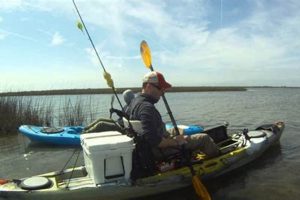
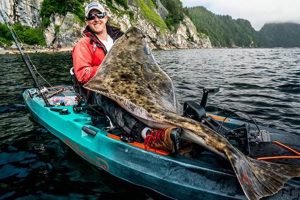
This pursuit involves angling for catfish from a kayak. It combines the tranquility and close-to-nature experience of kayaking with the challenge and excitement of catching these whiskered fish. Imagine drifting silently along a riverbank at dawn, casting a line into the murky depths, and feeling the powerful tug of a large catfish on the other end. This exemplifies the core of the activity.
Angling for these fish from a small, maneuverable vessel offers distinct advantages. Kayaks grant access to shallow, weedy areas often inaccessible to larger boats, prime catfish habitat. Their quiet movement minimizes disturbance, increasing the likelihood of a successful catch. Historically, smaller, non-motorized boats have been used for fishing in various cultures, demonstrating a long-standing appreciation for the stealth and accessibility they provide. This modern adaptation offers a unique blend of traditional fishing techniques and contemporary sporting equipment.
This exploration delves into various aspects of this popular activity, covering topics such as suitable kayak selection, effective tackle and bait choices, proven fishing techniques, and essential safety considerations for a rewarding and secure experience on the water.
Tips for Kayak Catfishing
Effective angling from a kayak requires specialized knowledge and techniques. The following tips offer valuable insights for a successful and enjoyable experience.
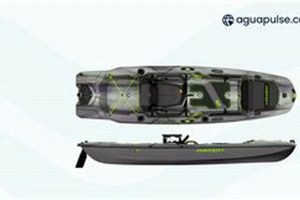
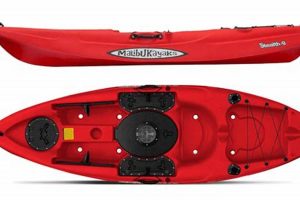
Tip 1: Choose the Right Kayak: Stability and maneuverability are key. Sit-on-top kayaks are recommended for their self-bailing capabilities and ease of entry and exit. Wider hulls offer greater stability, particularly when battling larger fish.
Tip 2: Utilize Appropriate Tackle: Medium-heavy rods and reels spooled with strong line are essential for handling powerful catfish. Circle hooks are recommended for their effectiveness and reduced risk of deep hooking.
Tip 3: Select Effective Bait: Catfish are opportunistic feeders. Consider using live bait such as worms, minnows, or bluegill. Stinky baits like chicken liver, cut bait, or commercially prepared stinkbait are also proven effective.
Tip 4: Anchor Effectively: A stable anchoring system is crucial for maintaining position in current or wind. Consider using a lightweight anchor with an appropriate length of anchor rope.
Tip 5: Practice Proper Fish Handling: Catfish possess sharp spines that can inflict painful injuries. Use a lip grip or fish gloves to securely handle them while removing the hook.
Tip 6: Prioritize Safety: Always wear a personal flotation device (PFD). Inform someone of your fishing plans, including location and expected return time. Carry a whistle or other signaling device in case of emergency.
Tip 7: Understand Local Regulations: Familiarize oneself with licensing requirements and catch limits for the specific fishing area.
By implementing these strategies, anglers can enhance their success rate and overall enjoyment on the water. Preparation and adherence to safety guidelines are paramount for a rewarding experience.
These insights equip enthusiasts with the necessary knowledge to pursue catfish from a kayak effectively. The subsequent sections will delve deeper into specific gear recommendations and advanced fishing techniques.
1. Kayak Selection

Appropriate kayak selection is crucial for successful and enjoyable catfish angling. The vessel’s characteristics directly influence stability, maneuverability, and overall fishing effectiveness. Choosing the right kayak enhances the angling experience and contributes significantly to safety and comfort on the water.
- Stability
Stability is paramount, especially when battling large catfish. Wider, flatter-bottomed kayaks offer enhanced stability compared to narrower, more performance-oriented designs. Consider the potential for sudden movements and shifts in weight distribution during the fight. A stable platform minimizes the risk of capsizing and ensures a secure fishing experience. Sit-on-top kayaks are generally preferred for their inherent stability and self-bailing capabilities.
- Maneuverability
Maneuverability is essential for navigating shallow water, tight spaces, and areas with heavy vegetation, typical catfish habitats. Shorter kayaks with a shallower draft offer superior maneuverability compared to longer, deeper-hulled designs. This allows anglers to access prime fishing spots often inaccessible to larger boats. The ability to quickly reposition the kayak and respond to fish movement is crucial for a successful outing.
- Storage Capacity
Sufficient storage space is necessary for carrying essential gear, including tackle boxes, bait containers, and safety equipment. Kayaks equipped with built-in storage compartments or ample deck space for mounting accessories offer practical solutions for organizing gear. Adequate storage capacity ensures essential items are readily accessible and prevents clutter, optimizing the fishing experience.
- Comfort
Comfort becomes increasingly important during longer fishing trips. Features such as adjustable seating, padded backrests, and foot braces contribute significantly to overall comfort and reduce fatigue. A comfortable seating position allows anglers to focus on fishing and enhances enjoyment on the water. Proper seating also supports good posture and reduces the risk of back strain.
Careful consideration of these facets contributes significantly to a positive kayak fishing experience. Selecting a kayak that balances stability, maneuverability, storage capacity, and comfort ensures anglers are well-equipped to target catfish effectively and safely. The right kayak complements other essential aspects of catfish angling, such as tackle selection and fishing techniques, maximizing the chances of a successful and enjoyable outing.
2. Tackle and Gear

Specialized tackle and gear significantly influence success when angling for catfish from a kayak. Appropriate equipment enhances an angler’s ability to effectively target, hook, and land these powerful fish while maintaining safety and optimizing the fishing experience from a smaller vessel. The selection of rods, reels, line, hooks, and other accessories directly impacts fishing outcomes.
Rods typically range from medium-heavy to heavy action, providing the necessary backbone to handle strong catfish runs and leverage fish from cover. Shorter rods, generally between six and seven feet, are preferred for kayak fishing due to their maneuverability in the confined space of a kayak. Reels should be durable and capable of handling heavier lines, with baitcasting reels often favored for their strength and control. Line selection depends on the fishing environment and target catfish size, with braided line often preferred for its sensitivity and strength in heavy cover. Circle hooks are widely recommended for catfishing due to their increased hook-up rate and reduced likelihood of deep hooking.
Essential accessories further enhance kayak fishing effectiveness and safety. A reliable anchor system prevents drift in current or wind, maintaining the angler’s desired position. A fish finder assists in locating catfish holding areas and identifying underwater structures. A landing net facilitates safe and efficient landing of larger fish. Appropriate lighting is crucial for early morning or late evening fishing trips, ensuring visibility and safety. Finally, proper storage solutions within the kayak maintain organization and accessibility of tackle and gear. Understanding the function and purpose of each piece of tackle and gear contributes significantly to a successful and rewarding kayak fishing experience.
3. Bait and Lures
Bait and lure selection plays a crucial role in successful kayak fishing for catfish. These fish are opportunistic feeders with a keen sense of smell and taste, making them susceptible to a variety of offerings. Understanding catfish feeding preferences and how different baits and lures function in various environments significantly influences catch rates. The effectiveness of a given bait or lure often depends on factors such as water temperature, clarity, current, and the specific species of catfish targeted.
Live bait options like worms, minnows, and bluegill often prove highly effective. Their natural movement and scent trigger predatory instincts in catfish. Chicken liver, cut bait (sections of fish like shad or herring), and commercially prepared stinkbaits capitalize on catfish’s attraction to strong, pungent odors. These baits create a scent trail that draws catfish from a distance, increasing the likelihood of encounters. Alternatively, lures, such as spinnerbaits, crankbaits, and soft plastic jigs, can entice catfish through visual stimulation and vibration. These lures mimic the movement of prey fish, triggering strikes. Matching lure color and size to the prevalent forage in the fishing area can enhance their effectiveness. For example, using a dark-colored jig in murky water or a shad-imitating crankbait in clearer water with a shad population increases the probability of attracting catfish.
Effective bait and lure presentation techniques further amplify their attractiveness. Proper rigging ensures the bait or lure behaves naturally in the water, maximizing its potential to entice catfish. Understanding how water current affects bait and lure movement allows anglers to position offerings strategically within the catfish’s strike zone. Regularly checking and refreshing bait ensures its continued effectiveness, particularly with live bait or scent-based offerings. Adapting bait and lure choices to prevailing conditions and observed catfish behavior ultimately maximizes the chances of a successful kayak fishing trip. This targeted approach improves efficiency and allows anglers to refine their techniques based on real-time observations. By considering these factors, anglers can significantly enhance their ability to consistently locate and entice catfish from a kayak.
4. Location Scouting
Location scouting represents a critical pre-fishing stage for maximizing success when kayak fishing for catfish. Identifying productive areas with high catfish concentrations significantly increases the likelihood of a successful outing. Effective scouting involves understanding catfish behavior and habitat preferences, utilizing available resources, and employing strategic observation techniques. Thorough location scouting contributes directly to increased catch rates and a more rewarding fishing experience.
- Habitat Preferences
Catfish exhibit specific habitat preferences based on species and environmental conditions. Understanding these preferences is fundamental to effective location scouting. Channel catfish, for example, often congregate in deeper holes, channels, and areas with underwater structure like logs or rock piles. Blue catfish, on the other hand, may prefer open water areas with current. Targeting areas with suitable habitat for the desired species increases the probability of locating catfish concentrations.
- Water Depth and Temperature
Water depth and temperature significantly influence catfish activity and location. During warmer months, catfish may seek cooler, deeper water. Conversely, in cooler months, they might move to shallower areas where the water temperature is slightly warmer. Utilizing a depth finder and temperature gauge helps pinpoint areas holding catfish under prevailing conditions. Combining this data with knowledge of local topography and underwater features further refines location selection.
- Current and Flow
Current and flow patterns impact catfish feeding behavior and movement. Catfish often position themselves near current breaks or eddies where food sources are concentrated. These locations offer a strategic advantage for ambush predation. Observing water movement and identifying areas with changes in current speed or direction provides valuable insights for locating catfish. Consider how current interacts with underwater structures and vegetation, creating potential ambush points.
- Forage Availability
Catfish are opportunistic feeders, and their presence often correlates with the availability of forage. Scouting for areas with abundant baitfish, crustaceans, or other food sources likely frequented by catfish increases the probability of finding them. Observing signs of baitfish activity, such as surface disturbances or bird activity, provides clues about potential catfish feeding zones. Understanding the local food chain and the preferred prey of the target catfish species aids in identifying promising fishing locations.
Integrating these facets of location scouting into pre-fishing preparations greatly improves the efficiency and success of kayak fishing trips targeting catfish. By combining knowledge of catfish behavior with careful observation and analysis of potential fishing areas, anglers can significantly enhance their ability to locate and target these fish effectively from a kayak. Strategic location scouting ultimately leads to a more rewarding and productive experience on the water.
5. Safety Precautions
Safety precautions are paramount when kayak fishing for catfish. The environment presents inherent risks, and specific considerations related to catfish behavior further necessitate careful planning and preparation. Prioritizing safety ensures a rewarding and incident-free fishing experience, allowing anglers to focus on the enjoyment of the sport while mitigating potential hazards.
- Personal Flotation Devices (PFDs)
Wearing a properly fitted PFD is non-negotiable. Unexpected capsizing or accidental immersion presents a significant risk, particularly when battling strong fish or navigating challenging water conditions. A PFD provides essential buoyancy, increasing survival chances in such events. Selecting a comfortable, well-maintained PFD designed for kayaking ensures unrestricted movement and optimal performance.
- Weather Awareness
Checking weather forecasts before embarking on a fishing trip is crucial. Sudden changes in weather conditions, such as strong winds, storms, or rapid temperature drops, can create hazardous situations on the water. Being aware of potential weather changes allows anglers to make informed decisions about whether to proceed with a trip or seek shelter if necessary. Monitoring weather conditions throughout the outing enables proactive responses to changing circumstances.
- Communication and Float Plans
Informing someone about planned fishing locations, estimated return times, and emergency contact information is essential. This allows for timely assistance in case of an emergency or unexpected delay. A float plan provides crucial details to search and rescue teams, facilitating a swift and effective response if needed. Communication devices, such as a VHF radio or a charged mobile phone in a waterproof case, can further enhance safety and enable communication in emergencies.
- Catfish Handling
Catfish possess sharp spines that can inflict painful injuries. Exercising caution when handling these fish is vital. Using a lip grip or fish gloves provides a secure hold while minimizing the risk of puncture wounds. Understanding proper hook removal techniques further reduces the potential for injury to both the angler and the fish. Promptly treating any injuries and seeking medical attention if necessary prevents complications.
Implementing these safety precautions significantly reduces risks associated with kayak fishing for catfish. Careful preparation, combined with a proactive approach to safety, creates a more secure and enjoyable fishing experience. Prioritizing safety allows anglers to fully appreciate the sport while minimizing potential hazards inherent in the environment and specific to catfish behavior. This focus on safety fosters a responsible and sustainable approach to kayak fishing, promoting long-term enjoyment of the activity.
Frequently Asked Questions
This section addresses common inquiries regarding angling for catfish from a kayak, providing concise and informative responses to facilitate a deeper understanding of the activity.
Question 1: What type of kayak is best suited for this type of fishing?
Sit-on-top kayaks are generally preferred for their stability, self-bailing capabilities, and ease of entry and exit. Wider hulls provide added stability when battling larger fish.
Question 2: What is the recommended tackle setup?
Medium-heavy to heavy action rods paired with robust reels spooled with strong line are recommended. Circle hooks are often preferred for their effectiveness and reduced risk of deep hooking.
Question 3: What are the most effective baits and lures?
Effective options include live bait (worms, minnows, bluegill), cut bait (shad, herring), stinkbaits (chicken liver, commercial preparations), and lures like spinnerbaits, crankbaits, and soft plastic jigs.
Question 4: How does one locate productive fishing spots?
Focus on areas with suitable catfish habitat, such as deeper holes, channels, underwater structures (logs, rock piles), current breaks, and eddies. Utilize a fish finder and consider factors like water depth, temperature, and forage availability.
Question 5: What essential safety precautions should be taken?
Always wear a personal flotation device (PFD). Check weather forecasts before embarking. Inform someone of fishing plans, including location and expected return time. Exercise caution when handling catfish due to their sharp spines.
Question 6: Are there specific regulations to consider?
Regulations vary by location. Consult local authorities regarding licensing requirements, catch limits, and any specific rules governing the target fishing area. Adhering to these regulations ensures responsible and sustainable fishing practices.
Addressing these frequently asked questions provides a foundational understanding of key aspects related to this angling pursuit. Preparation and adherence to safety guidelines contribute significantly to a successful and enjoyable experience.
The following sections will delve further into advanced techniques and specialized strategies for maximizing success on the water.
Kayak Fishing Catfish
This exploration has provided a comprehensive overview of angling for catfish from a kayak. Key aspects discussed include selecting appropriate kayaks prioritizing stability and maneuverability, understanding effective tackle and bait choices tailored to catfish behavior, scouting optimal locations based on habitat preferences and environmental factors, and adhering to essential safety precautions. The synthesis of these elements contributes significantly to a successful and rewarding fishing experience.
Pursuing catfish from a kayak offers a unique blend of challenge, tranquility, and connection with nature. Anglers who embrace informed preparation, refined techniques, and a steadfast commitment to safety stand poised to experience the full potential of this rewarding pursuit. Continued learning and adaptation to evolving conditions further enhance long-term success and enjoyment within this dynamic fishing discipline.