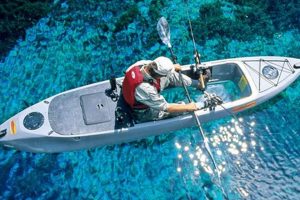
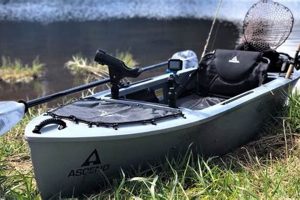
The confluence of suitable waterways and a growing outdoor enthusiast community makes the Knoxville area a prime location for angling from small, human-powered vessels. This activity offers a unique blend of recreation and sport, allowing close contact with nature while pursuing various fish species.
This pursuit provides numerous advantages. The compact size and maneuverability of these vessels grant access to shallow, secluded waters often unreachable by larger boats, opening opportunities for diverse catches. Furthermore, the quiet, non-motorized approach minimizes disturbance to aquatic life, potentially improving fishing success. Historically, small boats have been utilized for fishing in the region, evolving from traditional canoes and rafts to modern, purpose-built designs. This enduring practice reflects the area’s strong connection to its waterways and the continued appreciation for self-propelled watercraft.
This exploration will delve into specific locations, appropriate equipment, effective techniques, and relevant regulations for this popular activity in the Knoxville area. Further discussion will cover safety considerations, conservation efforts, and the overall impact on the local ecosystem. The information provided aims to equip enthusiasts with the knowledge and resources to enjoy a successful and responsible experience on the water.
Tips for Kayak Angling in Knoxville
Successful outings require preparation and adherence to best practices. The following tips offer guidance for a safe and productive experience on Knoxville’s waterways.
Tip 1: Research and choose suitable locations. Thorough research should precede any excursion. Factors such as water conditions, target species, access points, and local regulations should inform location selection. Consult maps, online resources, and local fishing reports for valuable insights.
Tip 2: Prioritize safety equipment and procedures. A properly fitted personal flotation device (PFD) is paramount. Carrying a whistle, signaling device, and first-aid kit is also recommended. Informing someone of the intended fishing location and estimated return time enhances safety.
Tip 3: Select appropriate tackle and gear. Rods, reels, lines, and lures should be chosen based on target species and fishing techniques. Essential gear includes a landing net, pliers, and appropriate tackle storage. Consider specialized kayak fishing accessories like rod holders and anchor systems.
Tip 4: Practice efficient paddling and maneuvering techniques. Developing proficient paddling skills enhances boat control and reduces fatigue. Learning basic kayak maneuvering techniques allows efficient navigation and precise positioning for optimal fishing.
Tip 5: Understand and respect local regulations. Familiarization with licensing requirements, catch limits, and seasonal restrictions is essential. Adhering to these regulations ensures the sustainability of local fish populations and the preservation of the aquatic environment.
Tip 6: Employ effective fishing techniques. Adapting techniques to target species and prevailing conditions maximizes success. Consider factors such as water depth, current, and structure when selecting lures or bait. Experimenting with different presentations can improve catch rates.
Tip 7: Practice responsible angling and conservation. Proper handling and release techniques minimize stress on fish and promote their survival. Avoid littering and dispose of fishing line responsibly to protect the aquatic environment. Supporting local conservation efforts contributes to the long-term health of the fishery.
By following these guidelines, individuals can enhance their chances of a productive and rewarding fishing trip while prioritizing safety and environmental stewardship. These practices contribute to a positive and sustainable angling experience on Knoxville’s diverse waterways.
This information provides a foundation for successful kayak fishing in the Knoxville area. The subsequent conclusion will reiterate key takeaways and emphasize the importance of responsible angling practices.
1. Location Research

Thorough location research is crucial for successful kayak fishing in the Knoxville area. The diverse waterways offer a range of fishing opportunities, but conditions, access points, and species vary significantly. Effective research allows anglers to target specific species, optimize fishing techniques, and ensure a safe and productive experience. For example, researching the Clinch River tailwater below Norris Dam reveals opportunities for trout fishing, while Melton Hill Lake offers excellent bass fishing. Understanding these distinctions allows for informed decisions regarding tackle, bait, and fishing strategies.
Several resources facilitate effective location research. Online maps, fishing forums, and local bait shops offer valuable insights into water conditions, access points, and species prevalence. Consulting the Tennessee Wildlife Resources Agency website provides information on regulations, licensing requirements, and stocking schedules. Analyzing river flow rates and water temperatures can inform decisions regarding target species and optimal fishing times. For instance, understanding the impact of dam releases on the Clinch River tailwater helps anglers anticipate fishing conditions and plan accordingly.
Investing time in location research significantly contributes to a successful kayak fishing experience in the Knoxville area. This preparation allows anglers to maximize their chances of catching target species, adapt to prevailing conditions, and ensure a safe and enjoyable outing. Failure to adequately research can lead to unproductive trips, safety risks, or unintentional violations of regulations. By prioritizing location research, anglers demonstrate a commitment to responsible angling and contribute to the long-term sustainability of the fishery.
2. Safety Precautions

Safety precautions are paramount for kayak fishing in the Knoxville area. The inherent risks associated with on-water activities necessitate careful planning and adherence to established safety guidelines. Neglecting these precautions can lead to serious incidents, jeopardizing angler well-being and potentially impacting others on the waterways. Understanding the specific safety considerations relevant to the Knoxville area’s diverse aquatic environments is crucial for a secure and enjoyable fishing experience.
Several factors contribute to the importance of safety precautions. The region’s waterways range from calm lakes to swift-flowing rivers, each presenting unique challenges. Fluctuating water levels, submerged obstacles, and changing weather conditions can create hazardous situations. For example, sudden thunderstorms can generate strong winds and waves, posing a capsize risk, especially on larger bodies of water like Fort Loudoun Lake. Similarly, navigating the swift currents of the Holston River requires heightened awareness of potential strainers and underwater hazards. Wearing a personal flotation device (PFD), carrying a signaling device, and checking weather forecasts are essential precautions to mitigate these risks. Further safety measures include informing someone of the planned fishing location and estimated return time, carrying a first-aid kit, and understanding basic self-rescue techniques.
Prioritizing safety precautions demonstrates responsible angling practices and contributes to a positive experience on Knoxville’s waterways. Adequate preparation minimizes risks, allowing anglers to focus on enjoying the sport and appreciating the natural environment. Failure to prioritize safety not only endangers individuals but also places a burden on local rescue services. By adhering to established safety guidelines, kayak anglers contribute to a culture of responsible recreation and ensure the long-term sustainability of this popular activity in the Knoxville area.
3. Appropriate Gear

Appropriate gear selection significantly impacts the success and safety of kayak fishing excursions in the Knoxville area. The diverse waterways and target species necessitate careful consideration of equipment choices. From specialized rods and reels to essential safety items, appropriate gear enhances angling effectiveness, improves comfort, and mitigates risks inherent to on-water activities. Understanding the nuances of gear selection empowers anglers to optimize their experience and contribute to a responsible and enjoyable time on the water.
- Rods and Reels
Rod and reel selection should align with target species and fishing techniques. Lightweight, shorter rods are often preferred for kayak fishing due to space constraints and maneuverability requirements. Spinning reels are commonly used for their versatility and ease of use. For targeting larger species like striped bass in Watts Bar Lake, a medium-heavy rod with a larger reel capacity might be appropriate. Conversely, fishing for smallmouth bass in the French Broad River might require a lighter setup with a more sensitive rod tip.
- Tackle and Accessories
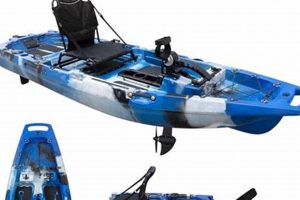
Appropriate tackle and accessories enhance angling effectiveness and efficiency. A selection of lures, hooks, weights, and lines tailored to target species and fishing conditions is essential. Specialized kayak fishing accessories, such as rod holders, anchor systems, and fish finders, can significantly improve organization and fishing success. For example, utilizing a drift sock in the Clinch River allows for controlled drifts and precise bait presentation, while a fish finder can help locate structure and fish concentrations in Melton Hill Lake.
- Safety Equipment
Essential safety equipment is paramount for kayak fishing. A properly fitted personal flotation device (PFD) is non-negotiable. A whistle, signaling device, first-aid kit, and dry bag for essential items further enhance safety. Understanding and carrying appropriate safety equipment mitigates risks associated with on-water activities and demonstrates responsible angling practices. For instance, carrying a bilge pump allows for rapid removal of water in the event of a capsize, while a paddle leash prevents paddle loss in challenging conditions.
- Apparel and Personal Items
Appropriate apparel and personal items contribute to comfort and safety. Weather-appropriate clothing, including rain gear and sun protection, is crucial. Non-marking footwear with good traction improves stability on wet surfaces. Polarized sunglasses reduce glare and enhance visibility, aiding in fish spotting and navigation. These considerations enhance comfort, prevent fatigue, and promote a positive experience on the water. Packing adequate hydration and snacks also contributes to well-being, especially during longer outings.
Careful consideration of these gear components contributes significantly to successful and safe kayak fishing experiences in the Knoxville area. Selecting appropriate gear based on target species, fishing location, and prevailing conditions optimizes angling effectiveness and ensures angler safety. By prioritizing appropriate gear selection, individuals demonstrate a commitment to responsible angling practices and contribute to the long-term sustainability of this popular activity on Knoxvilles diverse waterways.
4. Efficient Techniques

Efficient techniques are essential for successful and enjoyable kayak fishing in the Knoxville area. The unique characteristics of kayak fishinglimited space, maneuverability considerations, and close proximity to the waternecessitate specialized techniques. Effective paddling, precise boat control, and adapted casting methods maximize fishing opportunities while ensuring safety and minimizing environmental impact. Mastering these techniques allows anglers to navigate diverse waterways, target specific locations, and present lures or bait effectively, ultimately enhancing fishing success and promoting responsible angling practices.
- Paddle Control and Maneuvering
Efficient paddling and maneuvering techniques are fundamental to kayak fishing. Precise boat control allows anglers to position themselves effectively for casting, maintain desired locations in current, and navigate tight spaces. Utilizing various paddle strokes, such as the forward stroke, sweep stroke, and draw stroke, enables precise movement and minimizes disturbance to the water, which can spook fish. Practicing these techniques in calm water before venturing onto flowing rivers or larger lakes is recommended. For instance, mastering the stern rudder allows for quick turns and adjustments in current, while the forward stroke with feathering minimizes wind resistance and maximizes paddling efficiency.
- Casting Techniques
Casting techniques must be adapted to the confined space and lower casting platform of a kayak. Sidearm casts and underhand casts minimize the risk of entanglement with overhead branches or the kayak itself. Practicing accurate casts in various directions is essential for presenting lures or bait effectively to target areas. For example, a sidearm cast is often preferred when fishing close to bankside vegetation, while an underhand pitch cast allows for precise placement of lures under overhanging structures. Adapting casting techniques to the kayak environment maximizes fishing opportunities and reduces the likelihood of snags or equipment loss.
- Anchor and Drift Techniques
Effective anchor and drift techniques allow anglers to control their position and presentation in various water conditions. Utilizing a lightweight anchor or drift sock enables controlled drifts in current, maintaining a desired position for targeting specific areas. Understanding how current and wind affect kayak movement is essential for effective drift fishing. For example, deploying a drift sock in the tailwaters below Norris Dam allows anglers to present flies effectively to feeding trout, while anchoring near submerged structure in Melton Hill Lake provides opportunities to target bass. Proper anchor and drift management minimizes disturbance to the aquatic environment and ensures efficient presentation of lures or bait.
- Fish Fighting and Landing Techniques
Landing a fish from a kayak requires specialized techniques. Maintaining balance and boat control while fighting a fish is crucial. Using a landing net and appropriate pliers for hook removal minimizes stress on the fish and promotes safe handling. Keeping the fish in the water as much as possible during hook removal and release minimizes handling time and reduces stress, particularly important for catch-and-release fishing. Understanding how to manage a hooked fish in the confined space of a kayak minimizes the risk of capsize and ensures a safe and responsible handling experience.
These efficient techniques are integral to successful kayak fishing in the Knoxville area. Mastery of these skills enhances angler effectiveness, promotes safety, and minimizes environmental impact. By prioritizing efficient techniques, kayak anglers demonstrate a commitment to responsible angling practices and contribute to the long-term sustainability of this popular activity on the region’s diverse waterways. Combining these techniques with thorough location research, appropriate gear selection, and adherence to safety precautions contributes to a positive and rewarding kayak fishing experience.
5. Local Regulations
Adherence to local regulations is essential for responsible kayak fishing in the Knoxville area. These regulations, established by the Tennessee Wildlife Resources Agency (TWRA), govern aspects such as licensing requirements, catch limits, size restrictions, and permitted fishing methods. Compliance ensures the sustainability of fish populations, protects sensitive aquatic ecosystems, and promotes equitable access to resources. Ignoring these regulations can lead to fines, legal repercussions, and damage to the environment, undermining the long-term viability of this popular recreational activity. Understanding and respecting these regulations is fundamental to the ethical and sustainable practice of kayak fishing in the region.
Specific regulations relevant to kayak anglers in the Knoxville area include licensing requirements, which mandate a valid fishing license for anyone 16 years or older. Catch limits and size restrictions vary depending on the species and location; for example, smallmouth bass in the Holston River have different regulations than those in Cherokee Lake. Specific areas may also have restricted fishing methods, such as prohibitions on certain types of lures or bait. For example, some sections of the Clinch River tailwater may have specific regulations regarding artificial lures and fly fishing. Consulting the TWRA website or contacting local bait shops provides access to up-to-date regulations and ensures compliance. Understanding these specific regulations enables anglers to fish legally and responsibly, contributing to the preservation of the area’s aquatic resources.
Compliance with local regulations demonstrates a commitment to responsible angling practices and ensures the long-term health of Knoxville’s fisheries. Adherence safeguards fish populations, protects sensitive habitats, and promotes equitable access to the region’s waterways. Ignoring regulations not only risks legal repercussions but also undermines the sustainability of this valuable resource. By prioritizing compliance, kayak anglers contribute to the conservation of the aquatic environment and ensure the continued enjoyment of this activity for future generations. Understanding and respecting local regulations is not merely a legal obligation but a fundamental aspect of ethical and sustainable kayak fishing in the Knoxville area.
6. Conservation Practices

Conservation practices are integral to the sustainability of kayak fishing in the Knoxville area. The region’s diverse aquatic ecosystems face numerous pressures, including habitat degradation, pollution, and invasive species. Kayak anglers, due to their direct interaction with these environments, have a crucial role in implementing and promoting conservation efforts. Adopting responsible angling practices and actively participating in conservation initiatives ensures the long-term health of these waterways and the continued enjoyment of kayak fishing for future generations. Understanding the connection between conservation practices and kayak fishing in Knoxville is essential for preserving this valuable recreational resource.
- Minimize Disturbance
Minimizing disturbance to aquatic habitats is a fundamental conservation practice. Kayak anglers should avoid paddling through sensitive areas like spawning beds or shallow vegetated areas, which serve as critical habitat for fish and other aquatic organisms. Reducing speed and noise levels minimizes disruption to wildlife and preserves the natural integrity of these ecosystems. For example, paddling quietly near heron rookeries minimizes disturbance to nesting birds, while avoiding shallow gravel beds during spawning season protects fish reproduction. Minimizing disturbance reflects a respect for the environment and contributes to the long-term health of the aquatic ecosystem.
- Proper Fish Handling
Proper fish handling techniques are crucial for minimizing stress and injury to caught fish, particularly in catch-and-release scenarios. Using wet hands or a rubberized landing net minimizes the removal of the fish’s protective slime coat. Prompt and careful hook removal with appropriate tools reduces injury. Minimizing air exposure and handling time reduces stress and increases the likelihood of survival upon release. Practicing catch-and-release whenever possible, or adhering to size and creel limits when harvesting, contributes to the sustainability of fish populations. For example, quickly releasing a caught trout back into the cool, oxygenated water of the Clinch River maximizes its chances of survival, while harvesting only legally sized bass from Norris Lake contributes to the health of the fishery.
- Leave No Trace
Adhering to Leave No Trace principles is crucial for minimizing the environmental impact of kayak fishing. Packing out all trash, including fishing line, hooks, and food wrappers, prevents pollution and protects wildlife. Avoiding disturbing natural features, such as vegetation and rocks, preserves habitat integrity. Properly disposing of human waste minimizes water contamination. For example, packing out discarded fishing line prevents entanglement of birds and other wildlife, while avoiding trampling vegetation along the shoreline protects sensitive riparian habitats. Leaving No Trace practices demonstrate respect for the environment and contribute to the preservation of the natural beauty of Knoxville’s waterways.
- Invasive Species Awareness
Awareness and prevention of invasive species spread are critical for protecting native aquatic ecosystems. Inspecting kayaks, paddles, and other equipment for invasive plants or animals before and after each fishing trip prevents their introduction or spread to new waterways. Cleaning kayaks thoroughly and draining all water from bilges and compartments further minimizes the risk of transporting invasive species. For example, removing fragments of hydrilla, an invasive aquatic plant, from a kayak before launching in a different lake prevents its introduction to a new environment. Reporting sightings of invasive species to the TWRA assists in monitoring and management efforts. Active participation in invasive species prevention demonstrates a commitment to protecting the biodiversity of Knoxville’s waterways.
These conservation practices are essential for the long-term health and sustainability of kayak fishing in the Knoxville area. By integrating these practices into their angling routines, kayak anglers contribute to the preservation of the region’s diverse aquatic ecosystems. Responsible angling practices, coupled with active participation in conservation initiatives, ensure the continued enjoyment of kayak fishing and protect the natural beauty of Knoxville’s waterways for future generations. The connection between conservation practices and kayak fishing is not merely a matter of environmental responsibility but a crucial aspect of ensuring the future of this popular recreational activity in the region.
7. Respectful Angling
Respectful angling practices are fundamental to the long-term sustainability of kayak fishing in the Knoxville area. This approach encompasses ethical considerations, courtesy towards fellow anglers, and a commitment to minimizing the impact on the environment. Respectful angling fosters a positive community atmosphere and contributes to the preservation of the region’s valuable aquatic resources, ensuring the continued enjoyment of kayak fishing for all. It goes beyond simply adhering to regulations; it embodies a deeper appreciation for the sport and the natural world.
- Minimizing Disturbance to Other Anglers
Maintaining a respectful distance from other anglers, whether in kayaks or other vessels, is essential. Avoid encroaching on fishing spots or creating excessive noise or wake that could disrupt their experience. For example, paddling quietly past another angler engaged in fishing, rather than creating a large wake with rapid paddling, demonstrates courtesy and allows them to continue their activity undisturbed. Respectful co-existence on the water fosters a positive atmosphere and enhances the overall fishing experience for everyone.
- Sharing Access Points and Resources
Sharing access points, such as boat ramps and fishing docks, requires courtesy and cooperation. Avoid blocking access or monopolizing limited resources. Waiting one’s turn at a busy boat ramp or offering assistance to fellow anglers launching or retrieving their kayaks demonstrates respectful angling practices. Shared access points benefit everyone and promote a sense of community among kayak anglers. Cooperative behavior ensures equitable access to the region’s waterways and fosters a welcoming environment for all.
- Respecting Private Property and Designated Areas
Respecting private property boundaries and adhering to designated fishing areas is crucial. Avoid trespassing on private land or fishing in restricted areas, such as designated swimming zones or areas closed for conservation purposes. Understanding and adhering to signage and local regulations demonstrates respect for property rights and environmental protection efforts. For example, refraining from fishing near a clearly marked bird sanctuary protects sensitive wildlife habitats and demonstrates responsible angling practices. Respecting designated areas ensures the preservation of these valuable resources and maintains positive relationships with landowners and local communities.
- Practicing Ethical Catch and Release
Ethical catch and release practices are fundamental to respectful angling. Handling fish gently, minimizing air exposure, and using appropriate tools for hook removal reduces stress and injury to the fish, increasing their chances of survival upon release. Supporting conservation efforts by participating in tagging programs or reporting unusual catches contributes to the overall health of the fishery. For example, quickly releasing a caught smallmouth bass back into the Holston River after removing the hook demonstrates a commitment to preserving fish populations and ensuring the sustainability of the sport. Ethical catch and release practices not only benefit the fish but also contribute to the long-term viability of kayak fishing in the Knoxville area.
These facets of respectful angling contribute significantly to the positive experience of kayak fishing in the Knoxville area. By embracing these principles, kayak anglers create a welcoming and sustainable environment for themselves and others. Respectful angling practices not only benefit the aquatic ecosystem but also enhance the overall enjoyment of the sport, fostering a strong sense of community and responsibility among those who appreciate the unique angling opportunities available in the region. It reflects a commitment to preserving both the sport and the natural resources it depends on, ensuring the continued enjoyment of kayak fishing in the Knoxville area for generations to come.
Frequently Asked Questions
This section addresses common inquiries regarding kayak fishing in the Knoxville area. The information provided aims to clarify regulations, address safety concerns, and offer guidance for a successful angling experience.
Question 1: What are the licensing requirements for kayak fishing in Knoxville?
A valid Tennessee fishing license is required for individuals 16 years of age or older. Licenses can be obtained online through the Tennessee Wildlife Resources Agency (TWRA) website or at authorized vendors.
Question 2: Are there specific regulations regarding kayak fishing locations in Knoxville?
Specific regulations may apply to certain waterways, including access restrictions, motor use limitations, and designated fishing zones. Consulting the TWRA website or local authorities provides detailed information regarding specific locations.
Question 3: What safety precautions are recommended for kayak fishing in the Knoxville area?
Wearing a personal flotation device (PFD), carrying a signaling device, and informing someone of fishing plans are essential safety precautions. Checking weather forecasts and being aware of potential hazards, such as fluctuating water levels and swift currents, further enhances safety.
Question 4: What types of fish can one expect to catch while kayak fishing in Knoxville?
The diverse waterways in the Knoxville area support a variety of fish species, including largemouth and smallmouth bass, crappie, trout, catfish, and sunfish. Specific species prevalence varies depending on location and season.
Question 5: What are the best times of year for kayak fishing in Knoxville?
Fishing opportunities exist year-round in Knoxville, although specific species may be more active during certain seasons. Spring and fall often offer favorable conditions for a variety of species, while summer fishing may require adapting strategies to warmer water temperatures.
Question 6: Are there guided kayak fishing tours available in Knoxville?
Several local outfitters and guides offer kayak fishing tours and instructional services. These services provide opportunities for beginners to learn essential techniques and gain insights into local fishing spots.
Understanding local regulations, prioritizing safety, and practicing responsible angling ensures a positive and sustainable kayak fishing experience in the Knoxville area. This knowledge contributes to the preservation of the region’s aquatic resources and fosters a welcoming environment for all anglers.
The following conclusion will summarize key information and offer final recommendations for enthusiasts interested in exploring kayak fishing opportunities in the Knoxville area.
Kayak Fishing Knoxville
This exploration has provided a comprehensive overview of kayak fishing in the Knoxville area. Key aspects discussed include the importance of location research, safety precautions, appropriate gear selection, efficient techniques, adherence to local regulations, and the implementation of conservation practices. Emphasis has been placed on the interconnectedness of these elements and their contribution to a successful and responsible angling experience. The diverse waterways surrounding Knoxville offer unique opportunities for anglers of all skill levels, from the tranquil lakes to the challenging currents of the region’s rivers. Understanding these nuances allows for informed decision-making and maximizes the potential for a rewarding experience on the water.
The future of kayak fishing in Knoxville rests on the continued commitment to responsible angling practices and environmental stewardship. Prioritizing safety, respecting local regulations, and minimizing environmental impact ensures the preservation of these valuable resources for future generations. Continued exploration of efficient techniques and adaptive strategies further enhances the angling experience while minimizing pressure on aquatic ecosystems. Kayak fishing in Knoxville offers a unique opportunity to connect with nature, challenge oneself physically, and contribute to the long-term sustainability of a cherished recreational activity. Through responsible practices and continued education, this pursuit can thrive, providing enjoyment and enriching the lives of anglers for years to come.