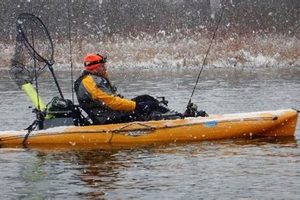
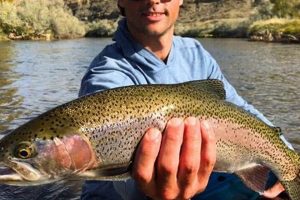
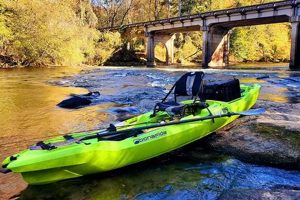
This activity involves angling for trout from a small, human-powered watercraft. It combines the tranquility and close-to-nature experience of kayaking with the challenge and reward of pursuing this prized freshwater fish. Imagine drifting silently on a pristine lake or navigating a gentle river, casting a line into promising waters. This method offers a unique blend of outdoor recreation and sport fishing.
The advantages are significant. Kayaks offer unparalleled access to shallow, secluded waters often unreachable by larger boats, bringing anglers closer to trout habitats. Their quiet operation minimizes disturbance, increasing the likelihood of a successful catch. This method also promotes a deeper connection with the natural environment and offers a physically engaging, low-impact form of exercise. Historically, small watercraft have played a role in fishing practices across cultures, and the modern adaptation with specialized kayaks and angling gear elevates this traditional pursuit.
The following sections will explore the essential equipment, techniques, and best practices for a successful and enjoyable experience on the water, covering topics such as kayak selection, rod and reel choices, lure selection, and responsible fishing practices.
Tips for Success
Preparation and technique are crucial for a productive and enjoyable outing. The following tips offer valuable insights for anglers of all skill levels.
Tip 1: Choose the Right Kayak: Stability and maneuverability are paramount. Sit-on-top kayaks offer easier access to gear and a drier experience, while sit-inside models provide better protection from the elements. Consider specialized fishing kayaks equipped with rod holders, anchor trolleys, and storage compartments.
Tip 2: Pack Light and Efficiently: Essential gear includes a well-balanced rod and reel, a selection of lures and flies, appropriate line and leader, pliers, a net, and a first-aid kit. Organize gear for easy access and minimize clutter to maintain stability.
Tip 3: Master Basic Paddle Strokes: Efficient paddling techniques conserve energy and allow for precise boat control. Practice forward, reverse, and turning strokes to navigate effectively and position the kayak for optimal casting.
Tip 4: Understand Trout Behavior: Knowledge of trout feeding habits, preferred habitats, and seasonal patterns enhances angling success. Research local species and adapt techniques accordingly.
Tip 5: Utilize Stealth and Observation: Trout are easily spooked. Approach fishing spots quietly and avoid sudden movements. Observe the water for signs of activity, such as rising fish or insect hatches.
Tip 6: Practice Proper Casting Techniques: Accuracy and distance are crucial for reaching target areas. Refine casting skills to present lures or flies effectively. Consider roll casting or underhand casting techniques to avoid overhead obstructions.
Tip 7: Prioritize Safety: Wear a personal flotation device (PFD) at all times. Check weather conditions before heading out and inform someone of your fishing plans. Carry a whistle and a communication device in case of emergencies.
By implementing these strategies, anglers can significantly improve their chances of a successful outing while enjoying the unique experience this activity provides. Careful planning and informed decision-making contribute to both enjoyment and safety on the water.
This information provides a foundation for a rewarding experience. Further exploration of specific techniques, regional variations, and conservation practices will enhance proficiency and foster a deeper appreciation for this specialized form of angling.
1. Kayak Selection

Appropriate kayak selection is paramount for successful trout fishing. The vessel serves as the angler’s mobile platform, influencing access, stability, and overall fishing effectiveness. Choosing the right kayak significantly impacts the experience, demanding careful consideration of various factors.
- Stability
Stability is crucial, especially when casting, landing fish, and navigating currents. Wider kayaks generally offer greater primary stability (resistance to initial tipping), while longer kayaks provide better secondary stability (resistance to capsizing after tipping). Anglers fishing in calm lakes might prioritize a longer, faster kayak for covering more water, while those fishing in rivers or windy conditions benefit from a wider, more stable platform.
- Maneuverability
Maneuverability dictates the ease of navigating tight spots, approaching fish discreetly, and adjusting position in changing currents. Shorter kayaks turn more quickly, while longer kayaks track better in a straight line. River anglers often favor shorter, more agile kayaks for navigating around obstacles, whereas lake anglers might opt for longer kayaks to efficiently cover distance.
- Storage and Features
Adequate storage is essential for carrying tackle, rods, and other equipment. Specialized fishing kayaks often feature built-in rod holders, anchor trolleys, and storage compartments designed for angling gear. These features enhance organization and efficiency, allowing anglers to focus on fishing rather than managing equipment. A well-designed kayak simplifies gear access and streamlines the fishing process.
- Sit-on-Top vs. Sit-Inside
Sit-on-top kayaks offer superior stability, easier entry and exit, and better drainage. Sit-inside kayaks provide greater protection from the elements and a drier ride. The choice depends on personal preference, fishing conditions, and water temperature. Anglers in warmer climates often prefer sit-on-tops, while those in colder environments or rougher waters might choose sit-insides.
The interplay of these factors determines the optimal kayak for a given angler and fishing environment. Careful consideration of stability, maneuverability, storage, and kayak type ensures a safe, efficient, and ultimately more productive fishing experience. Selecting the correct kayak is a fundamental step towards maximizing success and enjoyment on the water.
2. Specialized Gear

Specialized gear plays a crucial role in successful trout fishing from a kayak. The unique demands of this angling style necessitate equipment tailored for efficiency, effectiveness, and integration with the kayak platform. From rods and reels to specialized tools and accessories, appropriate gear selection significantly impacts both the angler’s performance and overall experience.
- Rods and Reels
Shorter, lighter rods (typically 6-7 feet) designed for finesse techniques are ideal for kayak fishing. These rods offer better control in the confined space of a kayak and facilitate accurate casts. Spinning reels or baitcasting reels in smaller sizes, spooled with light to medium-weight lines, balance well with these shorter rods. A fast-action rod with a sensitive tip enhances lure control and strike detection. The choice between spinning and baitcasting reels depends on angler preference and target species.
- Tackle and Lures
A selection of lures and flies appropriate for trout species and local conditions is essential. Small spinners, spoons, crankbaits, and soft plastics are effective choices. Fly anglers might opt for dry flies, nymphs, and streamers. A tackle box designed for kayak fishing should be compact, waterproof, and easily accessible. Organization and readily available gear contribute to efficient lure changes and maximize fishing time.
- Kayak Fishing Accessories
Specialized accessories enhance the kayak angling experience. A well-placed anchor trolley system allows for controlled anchoring and drift fishing. Rod holders secure rods while paddling or landing fish. A fish finder provides valuable information on water depth, structure, and fish location. These additions streamline the fishing process and improve overall efficiency. Properly integrating these accessories with the kayak platform maximizes their effectiveness.
- Safety and Utility Gear
Safety equipment is paramount. A personal flotation device (PFD) is mandatory and should be worn at all times. A whistle, signaling device, and communication device are crucial for emergencies. A dry bag protects essential items from water damage. These items contribute to angler safety and preparedness. A first-aid kit should also be readily available.
The thoughtful selection and integration of specialized gear significantly enhance the effectiveness and enjoyment of trout fishing from a kayak. By prioritizing appropriate rods, reels, tackle, accessories, and safety equipment, anglers optimize their performance and ensure a safe and productive experience on the water. Each piece of gear contributes to a streamlined, efficient, and ultimately more rewarding fishing experience.
3. Stealth and Approach
Stealth and a considered approach are critical components of successful trout fishing from a kayak. Trout possess keen senses and are easily spooked by disturbances in their environment. Kayaks, while offering an advantage in terms of quiet operation compared to motorized boats, still require careful maneuvering and deliberate action to avoid alerting fish. The impact of noise and visual disruption on trout behavior necessitates a strategic approach to positioning and presentation.
Minimizing noise is paramount. Paddling strokes should be smooth and controlled, avoiding splashing or scraping against the kayak hull. Gear should be organized to prevent rattling or unnecessary movement. Sudden movements or loud noises can send vibrations through the water, alerting trout and causing them to retreat. For example, dropping a tackle box or forcefully paddling towards a promising fishing spot can negatively impact the likelihood of success. A quiet and controlled approach maximizes opportunities for a closer, undisturbed presentation.
Visual concealment also plays a significant role. Natural camouflage patterns on kayaks and clothing help anglers blend with the surroundings. Avoiding bright colors and reflective surfaces minimizes visual disruption. Approaching fishing locations from an upstream or downwind position, if possible, further reduces the chances of detection. Consider the angle of the sun and avoid casting a shadow over the target area. These factors contribute to a more natural and less intrusive presence, increasing the chances of success. Understanding the trout’s perspective and minimizing visual disturbances are essential for successful angling.
Mastery of stealth and a thoughtful approach significantly enhance the likelihood of success in trout fishing from a kayak. By minimizing noise and visual presence, anglers create a more natural environment and increase the chances of enticing trout. This understanding is integral to successful angling, requiring a combination of careful planning, practiced techniques, and an appreciation for the nuances of trout behavior. The combination of a discreet approach and proper presentation techniques significantly contributes to a rewarding fishing experience.
4. Location Knowledge

Location knowledge forms a cornerstone of successful trout fishing from a kayak. Understanding the interplay between water characteristics, habitat features, and trout behavior is crucial for effective angling. This knowledge informs decisions regarding where to fish, how to approach target areas, and what techniques to employ. Cause and effect relationships are central to this understanding. For example, areas with cooler water temperatures and higher oxygen levels attract trout, particularly during warmer months. Similarly, structures such as submerged logs, overhanging vegetation, and deep pools provide shelter and ambush points, making them prime locations for trout activity. Understanding these relationships allows anglers to predict trout location and tailor their approach accordingly.
Practical application of location knowledge requires observation and analysis. Reading water currents to identify seams, riffles, and eddies helps pinpoint feeding lies. Recognizing the presence of aquatic insects and other food sources provides further clues about trout location. Mapping these features mentally or using GPS technology allows anglers to develop a strategic approach to each fishing location. For instance, in a river system, focusing efforts on the tailouts of pools, where currents slow and food concentrates, often yields better results than fishing in the faster, turbulent water. Similarly, in a lake, targeting drop-offs, points, and weed beds increases the likelihood of encountering trout. These practical applications demonstrate the significance of location knowledge as a component of successful angling.
Effective integration of location knowledge empowers anglers to maximize their time on the water. By understanding the factors that influence trout behavior and distribution, anglers can make informed decisions about where to focus their efforts. This targeted approach leads to increased efficiency and ultimately a higher likelihood of success. While general knowledge provides a foundation, continuous learning and adaptation to specific environments refine this understanding. Challenges such as changing weather patterns, seasonal variations, and human impact on waterways necessitate ongoing observation and adjustment of strategies. This continuous refinement of location knowledge is crucial for consistently successful trout fishing from a kayak.
5. Safety Practices

Safety practices are paramount in trout fishing from a kayak. The inherent risks associated with on-water activities, combined with the specific challenges of angling from a small vessel, necessitate careful planning and adherence to safety protocols. Neglecting these precautions can lead to accidents, injuries, or even fatalities. A comprehensive understanding of safety practices ensures not only a secure experience but also contributes to a more focused and enjoyable fishing outing.
- Personal Flotation Devices (PFDs)
Wearing a properly fitted PFD is non-negotiable. PFDs provide essential buoyancy in the event of capsizing or accidental immersion, significantly increasing the chances of survival. Different types of PFDs exist, and selecting one appropriate for kayaking and fishing is crucial. Inflatable PFDs offer greater comfort and freedom of movement, while traditional foam PFDs provide immediate flotation. Regularly inspecting PFDs for damage and ensuring proper fit are essential for maximizing their effectiveness. For example, a PFD that is too loose may not provide adequate support in the water.
- Weather Awareness and Preparation
Checking weather forecasts before embarking on a fishing trip is crucial. Sudden changes in weather conditions, such as strong winds, thunderstorms, or rapid temperature drops, can create hazardous situations on the water. Being prepared for changing conditions includes carrying appropriate clothing, rain gear, and emergency supplies. Understanding weather patterns and potential hazards specific to the fishing location enhances preparedness. For instance, awareness of local fog patterns or areas prone to sudden gusts of wind informs decisions regarding route planning and safe anchoring locations.
- Communication and Emergency Planning
Carrying a communication device, such as a waterproof cell phone or VHF radio, enables contact in case of emergencies. Informing someone of the planned fishing location, route, and expected return time is a crucial safety measure. Establishing communication protocols and emergency procedures ensures a swift response in case of unforeseen circumstances. For example, designating a check-in time with a family member or friend allows for prompt action if the angler fails to return as scheduled. Pre-planning communication strategies is vital for effective emergency response.
- Kayak Handling and Navigation
Understanding basic kayak handling techniques, including paddling strokes, turning maneuvers, and self-rescue procedures, is essential for safe navigation. Knowing how to react to changing water conditions, such as currents, waves, and obstacles, minimizes the risk of capsizing or collisions. Practicing these skills in calm water before venturing into more challenging environments builds confidence and competence. For instance, practicing wet exits and re-entries in a controlled environment prepares anglers for unexpected situations on the water.
These safety practices are integral to responsible trout fishing from a kayak. By prioritizing safety considerations, anglers mitigate risks, enhance their overall experience, and contribute to a culture of responsible on-water recreation. Integrating these practices into every fishing trip ensures not only personal safety but also fosters a safer environment for fellow anglers and promotes the preservation of natural resources.
Frequently Asked Questions
This section addresses common inquiries regarding trout fishing from a kayak, providing concise and informative responses to facilitate a deeper understanding of this specialized angling method.
Question 1: What type of kayak is best suited for trout fishing?
Kayak selection depends on individual needs and fishing environment. Sit-on-top kayaks offer stability and ease of access, while sit-inside kayaks provide protection from the elements. Shorter kayaks excel in maneuverability, while longer kayaks offer speed and tracking. Specialized fishing kayaks often feature integrated rod holders and storage compartments.
Question 2: What essential gear is required?
Essential gear includes a lightweight rod and reel combo, appropriate line and leader, a selection of lures or flies, pliers, a net, and a PFD. Additional accessories such as an anchor trolley, rod holders, and a fish finder can enhance the experience.
Question 3: How does one locate trout from a kayak?
Locating trout involves understanding their behavior and preferred habitats. Focus on areas with cooler water temperatures, structure such as fallen logs or overhanging vegetation, and current breaks where food sources tend to accumulate. Observing water flow and insect activity provides valuable clues.
Question 4: What techniques are effective for catching trout from a kayak?
Effective techniques include casting lures or flies upstream or across currents, allowing them to drift naturally. Retrieving techniques vary depending on the lure or fly used. Trolling can also be productive, especially in lakes. Adapting techniques to specific water conditions and trout behavior maximizes success.
Question 5: What safety precautions should be taken?
Wearing a PFD at all times is crucial. Checking weather conditions before heading out, informing someone of fishing plans, and carrying communication and signaling devices are essential safety measures. Understanding kayak handling and self-rescue techniques is also important.
Question 6: What are the advantages of fishing for trout from a kayak?
Kayaks offer access to shallow, secluded waters often inaccessible to larger boats. Their quiet operation minimizes disturbance to fish. This approach combines the enjoyment of paddling with the challenge of angling, providing a unique and immersive outdoor experience.
Careful consideration of these frequently asked questions provides a solid foundation for a safe and successful trout fishing experience from a kayak. Preparation, informed decision-making, and continuous learning contribute to both enjoyment and responsible angling practices.
For further information on specific techniques, regional regulations, and conservation practices, consult local fishing resources and experienced anglers.
Trout Fishing from a Kayak
This exploration of trout fishing from a kayak has highlighted the multifaceted nature of this increasingly popular pursuit. From equipment selection and specialized techniques to the importance of location knowledge and unwavering safety practices, each aspect contributes significantly to a successful and rewarding experience. The advantages offered by kayaksunparalleled access to shallow waters, quiet operation, and a close connection with natureposition this angling method as a unique and fulfilling way to engage with the sport. The analysis presented underscores the importance of preparation, informed decision-making, and a respect for the environment.
Trout fishing from a kayak represents more than simply catching fish; it offers a journey into the heart of nature, demanding skill, patience, and an appreciation for the delicate balance of aquatic ecosystems. As anglers continue to embrace this specialized pursuit, responsible practices and a commitment to conservation will ensure the sustainability of this rewarding pastime for generations to come. The future of this method relies on a collective commitment to preserving the pristine environments that support both trout populations and the human desire to connect with the natural world.