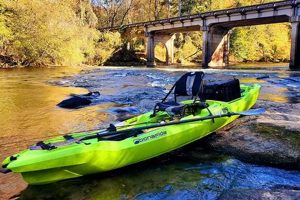
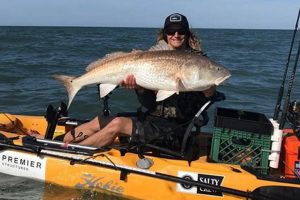
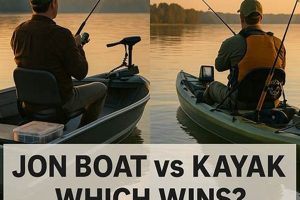
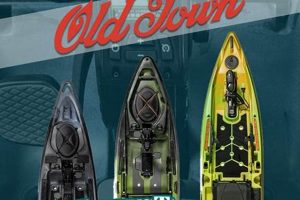
A tandem kayak designed specifically for angling offers features like rod holders, gear storage, and often elevated seating for improved visibility and casting. These vessels provide ample space for two anglers and their equipment, allowing for shared experiences on the water.
Tandem fishing kayaks provide enhanced stability compared to solo models, beneficial in challenging conditions or when landing larger fish. The shared experience fosters camaraderie and teamwork, enabling anglers to cover more water and explore diverse fishing locations together. Historically, tandem watercraft played a crucial role in fishing and transportation, with modern designs incorporating advanced materials and features for improved performance and comfort.
Further exploration of this topic will delve into the various types of tandem fishing kayaks available, considering factors such as hull design, materials, and specialized features. Additionally, best practices for choosing, equipping, and safely operating these vessels will be addressed.
Tips for Tandem Kayak Fishing
Successful tandem kayak fishing requires careful planning and coordination. These tips offer guidance for a safe and productive experience.
Tip 1: Distribute Weight Evenly: Proper weight distribution is crucial for stability and efficient paddling. Gear should be balanced between both paddlers and stored securely.
Tip 2: Coordinate Paddling Strokes: Synchronized paddling maximizes speed and minimizes wasted effort. Practice paddling together before venturing onto the water.
Tip 3: Establish Communication Protocols: Clear communication is essential, especially when navigating challenging waters or landing fish. Agree on hand signals or verbal cues before setting out.
Tip 4: Choose Appropriate Fishing Locations: Consider water conditions, target species, and potential hazards when selecting fishing spots. Sheltered coves and calm lakes are often ideal for beginners.
Tip 5: Employ Effective Anchoring Strategies: Using two anchors, one at the bow and one at the stern, can help maintain the kayak’s position in currents or windy conditions.
Tip 6: Prioritize Safety: Wear personal flotation devices and carry essential safety equipment, including a whistle, first-aid kit, and communication device.
Tip 7: Respect Wildlife and the Environment: Practice catch-and-release whenever possible and avoid disturbing natural habitats. Pack out all trash and fishing line.
By following these guidelines, anglers can enhance their tandem kayak fishing experience while ensuring safety and promoting responsible angling practices.
This information provides a solid foundation for successful tandem kayak fishing. The following section will delve deeper into specific techniques and equipment considerations.
1. Stability

Stability is a critical factor in fishing double kayaks, directly influencing safety and angling effectiveness. A stable platform provides a secure foundation for casting, reeling, and landing fish, especially in challenging conditions. This section explores key facets contributing to stability in these vessels.
- Hull Design:
Hull design significantly impacts stability. Wider hulls generally offer greater initial stability, resisting tipping, while longer, narrower hulls provide superior secondary stability, recovering more readily from larger disturbances. A flatter hull provides excellent initial stability, suitable for calm waters, whereas a V-shaped hull offers better performance in choppy conditions but less initial stability. Selecting the appropriate hull design depends on the intended fishing environment.
- Weight Distribution:
Proper weight distribution is crucial for maintaining balance. Evenly distributing gear and passengers within the kayak minimizes the risk of capsizing. Positioning heavier items lower in the hull enhances stability. For example, placing tackle boxes near the center of the kayak improves overall balance compared to storing them at the ends.
- Center of Gravity:
A lower center of gravity contributes to greater stability. Sitting lower in the kayak and avoiding sudden movements helps maintain a stable platform. High-seat kayaks may provide superior visibility and comfort, but lower seat positions improve stability, particularly in windy or rough water.
- Water Conditions:
Water conditions significantly influence stability. Calm lakes and sheltered bays offer more stable environments than open ocean or fast-flowing rivers. Wind, waves, and currents can destabilize even the most stable kayaks, highlighting the importance of assessing environmental factors before embarking on a fishing trip.
Understanding these facets of stability is essential for choosing and operating a fishing double kayak effectively. Prioritizing stability ensures a safer and more enjoyable fishing experience, allowing anglers to focus on the task at hand rather than maintaining balance. Selecting a kayak with an appropriate hull design, distributing weight evenly, and understanding the effects of water conditions are critical for maximizing stability and enhancing angling performance.
2. Capacity

Capacity in a fishing double kayak directly impacts its practicality and suitability for various fishing scenarios. Sufficient capacity is crucial for accommodating two anglers, their gear, and potentially any catch. Understanding the nuances of capacity ensures informed decisions when selecting a tandem fishing kayak.
- Weight Capacity:
Weight capacity represents the maximum combined weight of passengers and gear that the kayak can safely support. Exceeding this limit compromises stability and safety, increasing the risk of capsizing. Manufacturers specify weight capacities, and choosing a kayak with adequate capacity for intended use is crucial. For example, a kayak with a 450-pound capacity would be suitable for two anglers weighing 175 pounds each and carrying 50 pounds of gear.
- Storage Capacity:
Storage capacity encompasses the space available for stowing fishing gear, personal items, and potentially caught fish. Ample storage facilitates organized and efficient fishing trips. Dedicated compartments, such as hatches and tank wells, provide secure and accessible storage solutions. For instance, a kayak with dedicated rod holders, tackle storage compartments, and a large rear tank well provides convenient access to essential equipment while keeping the cockpit uncluttered.
- Space for Anglers:
Adequate space for two anglers is crucial for comfortable and productive fishing. Sufficient legroom and seating adjustability allow for prolonged periods on the water without discomfort. Consider individual body sizes and preferences when evaluating cockpit space. A kayak with adjustable seats and ample legroom accommodates diverse body types and ensures comfortable paddling and fishing.
- Impact on Performance:
Capacity influences kayak performance. Heavier loads decrease speed and maneuverability, while lighter loads enhance responsiveness. Finding the right balance between capacity and performance depends on the intended fishing style and environment. For example, a kayak loaded near its maximum capacity will require more effort to paddle and maneuver compared to a lightly loaded kayak. This can be particularly noticeable in challenging conditions such as strong currents or wind.
Careful consideration of capacity is essential for selecting a fishing double kayak that meets specific needs. Balancing weight capacity, storage space, angler comfort, and performance ensures optimal functionality and a positive fishing experience. Understanding these nuances empowers informed decision-making and contributes to safe and enjoyable tandem kayak fishing adventures.
3. Maneuverability

Maneuverability in a fishing double kayak significantly impacts its effectiveness and suitability for various fishing environments. Navigating tight spaces, swiftly changing directions, and efficiently positioning the kayak for optimal casting angles are crucial aspects of successful angling. The interplay between hull design, length, and water conditions dictates a kayak’s maneuverability, influencing its performance in diverse settings. For example, a shorter, wider kayak with a flatter hull offers enhanced maneuverability in tight quarters like mangrove tunnels or narrow creeks, allowing anglers to navigate intricate waterways effectively. Conversely, longer, narrower kayaks excel in open water, tracking efficiently and covering greater distances but may prove less agile in confined areas.
Several factors influence the maneuverability of a tandem fishing kayak. Hull design plays a crucial role; a kayak with a pronounced keel provides better tracking in a straight line but sacrifices turning responsiveness. Shorter kayaks generally turn more quickly than longer ones, while the width of the kayak affects its responsiveness to paddle strokes. Water conditions also play a significant role; strong currents or windy conditions can challenge maneuverability, requiring greater paddling effort and precise boat control. Understanding these factors allows anglers to select a kayak suited to their target fishing environments and skill levels. For instance, experienced anglers fishing in open ocean conditions might prioritize tracking and speed over turning radius, opting for a longer, narrower kayak designed for efficient paddling over long distances.
Optimizing maneuverability enhances fishing success. The ability to precisely position the kayak for casting, adjust to changing currents or wind, and navigate complex waterways allows anglers to effectively target fish in diverse environments. Choosing a kayak with appropriate maneuverability characteristics for the intended fishing location contributes significantly to a productive and enjoyable experience. While longer kayaks provide speed and stability in open water, their reduced turning radius can be a disadvantage in confined spaces. Conversely, shorter, more maneuverable kayaks may lack the speed and stability needed for open water or challenging conditions. Selecting the right balance between maneuverability, stability, and speed is essential for maximizing angling effectiveness and overall enjoyment on the water.
4. Fishing Features

Specialized features distinguish fishing double kayaks from recreational models, enhancing angling effectiveness and overall experience. These features directly impact functionality and contribute significantly to a successful fishing trip. Rod holders, for example, secure rods while paddling or preparing tackle, freeing hands and preventing rod loss. Multiple rod holders allow anglers to employ diverse fishing techniques simultaneously, increasing the likelihood of success. Similarly, integrated tackle storage compartments keep essential gear organized and readily accessible, minimizing clutter and maximizing efficiency. A well-designed storage system streamlines tackle management, enabling quick lure changes and efficient handling of fishing accessories. These features, while seemingly minor, contribute significantly to an angler’s overall performance and enjoyment.
Further enhancing the fishing experience are features like anchor trolleys, which allow controlled anchoring and precise boat positioning in currents. This capability enables anglers to maintain optimal fishing locations even in challenging conditions, maximizing their chances of success. Livewells, another valuable feature, provide a temporary holding area for caught fish, preserving their freshness and allowing for catch-and-release practices. Additionally, integrated fish finders enhance situational awareness, providing valuable information about water depth, bottom structure, and fish location. These technological advancements optimize fishing strategies and increase the probability of successful angling. Furthermore, comfortable, adjustable seating contributes to prolonged fishing comfort, allowing anglers to remain focused and productive throughout their excursion. Ergonomic design considerations, such as adjustable backrests and footrests, minimize fatigue and maximize enjoyment, particularly during extended fishing trips.
In conclusion, specialized fishing features significantly enhance the functionality and effectiveness of double kayaks designed for angling. Rod holders, tackle storage, anchor trolleys, livewells, fish finders, and comfortable seating contribute to a more organized, efficient, and enjoyable fishing experience. The strategic incorporation of these features optimizes angling performance and underscores the distinction between recreational and fishing-specific kayak designs. Selecting a tandem kayak equipped with appropriate fishing features is crucial for maximizing angling potential and ensuring a productive and satisfying experience on the water.
5. Comfort
Comfort plays a crucial role in the overall experience of fishing from a double kayak. Extended periods on the water, often in varying weather conditions, necessitate a comfortable environment for both anglers. Discomfort can detract from focus, reduce endurance, and ultimately diminish the enjoyment of the fishing trip. A comfortable kayak allows anglers to concentrate on the task at handfishingrather than contending with aches, pains, or restrictive movement. For example, a well-designed seat with adequate back support and cushioning can significantly reduce fatigue and discomfort during long hours on the water, particularly in rough conditions or when paddling against strong currents. Similarly, adjustable footrests contribute to proper posture and paddling efficiency, reducing strain on legs and lower back. The interplay between these comfort features directly impacts an angler’s ability to remain focused and engaged throughout the fishing excursion.
Several factors contribute to comfort in a fishing double kayak. Seat design is paramount, encompassing factors such as cushioning, breathability, and adjustability. High-back seats offer superior support, while adjustable features accommodate individual body types and preferences. Ample legroom and strategically placed footrests are essential for maintaining proper posture and preventing cramping during prolonged paddling. Furthermore, the kayak’s stability contributes to a sense of security and reduces anxiety, enhancing overall comfort, especially in challenging conditions. A stable platform allows anglers to move freely within the kayak without fear of tipping, facilitating casting, reeling, and landing fish with confidence. The cockpit layout also plays a role; a well-organized cockpit with easy access to essential gear and equipment minimizes clutter and maximizes efficiency, contributing to a more comfortable and less stressful fishing experience. Features like cup holders and designated storage compartments further enhance convenience and contribute to overall comfort. For instance, integrated storage compartments for tackle boxes and personal items keep the cockpit organized and prevent gear from shifting during paddling or when landing fish, reducing clutter and enhancing both safety and comfort.
Prioritizing comfort in a fishing double kayak directly translates to a more enjoyable and productive fishing experience. Reduced fatigue, enhanced focus, and increased endurance contribute to better angling performance and a more positive overall experience. While factors like stability and maneuverability are undeniably important, overlooking comfort can compromise even the most well-equipped fishing kayak. Selecting a tandem kayak that prioritizes ergonomic design and comfort features ensures anglers can fully enjoy their time on the water, maximizing both their fishing success and overall satisfaction. The investment in comfort features often translates to longer, more productive, and ultimately more enjoyable fishing trips, contributing to a fulfilling and rewarding angling experience.
6. Transportation

Transporting a fishing double kayak presents unique logistical considerations compared to smaller, single-person models. The increased size and weight necessitate careful planning and appropriate equipment to ensure safe and efficient transport to and from fishing locations. Understanding the various transportation methods, along with their respective advantages and disadvantages, is crucial for seamless integration of kayaking into fishing excursions.
- Rooftop Carriers:
Rooftop carriers are a common method for transporting kayaks. Specialized kayak cradles or J-style carriers secure the kayak to the vehicle’s roof rack. This method requires a compatible roof rack system and careful loading and unloading procedures. Factors such as vehicle height and kayak weight influence the ease of use. While offering convenient transport, rooftop carriers can impact fuel efficiency due to increased wind resistance.
- Trailers:
Trailers offer a versatile solution for transporting multiple kayaks or kayaks with heavier weights. Trailers dedicated to kayak transport often feature rollers and bunks, simplifying loading and unloading. While requiring a tow hitch and potentially additional storage space, trailers offer greater carrying capacity and minimize strain on the vehicle’s roof. This method is particularly suitable for longer distances or transporting multiple kayaks.
- Truck Beds:
Truck beds provide a convenient option for kayak transport. Securing the kayak with straps and padding prevents shifting during transit. This method eliminates the need for specialized carriers or trailers but requires appropriate tie-down points and careful loading to prevent damage. Truck bed size limitations may restrict the length of kayaks that can be transported.
- Trolley Systems:
Trolley systems, featuring wheels and a frame, facilitate transporting kayaks over shorter distances, such as from a parking area to the water’s edge. These systems are particularly useful for launching kayaks in areas with limited vehicle access. While reducing carrying strain, trolley systems are less suitable for longer distances or uneven terrain.
Selecting the appropriate transportation method depends on individual circumstances, including the type of vehicle, distance to the fishing location, and the kayak’s size and weight. Evaluating these factors ensures efficient and safe transport, contributing to a seamless and enjoyable fishing experience. Properly securing the kayak during transport is essential to prevent damage and ensure road safety. Furthermore, adhering to local regulations regarding oversized loads and safe towing practices is paramount for responsible kayak transportation.
Frequently Asked Questions
This section addresses common inquiries regarding fishing double kayaks, providing concise and informative responses to facilitate informed decision-making and enhance understanding.
Question 1: What are the key advantages of a fishing double kayak compared to a single kayak?
Tandem kayaks offer increased stability, greater carrying capacity for gear and potential catch, and the opportunity for a shared fishing experience. They can also be beneficial in challenging conditions where added stability is advantageous. However, they may be less maneuverable than single kayaks.
Question 2: How does one choose the right size fishing double kayak?
Selecting the appropriate size depends on the combined weight of the anglers and gear, intended fishing environment, and desired storage capacity. Consulting manufacturer specifications regarding weight capacity and storage volume is crucial.
Question 3: Are fishing double kayaks more difficult to paddle than single kayaks?
Tandem kayaks require coordinated paddling and may initially present a learning curve. Synchronized paddling techniques and clear communication between paddlers enhance efficiency and maneuverability.
Question 4: What essential safety equipment should be carried on a fishing double kayak?
Essential safety gear includes personal flotation devices (PFDs) for each angler, a whistle, a first-aid kit, a communication device (e.g., VHF radio or mobile phone in a waterproof case), and navigation tools.
Question 5: What are the key features to consider when choosing a fishing double kayak?
Important features include rod holders, tackle storage compartments, comfortable seating, an anchor trolley system, and potentially a livewell. Hull design and material construction influence stability, maneuverability, and durability.
Question 6: How does one transport a fishing double kayak?
Transportation options include rooftop carriers, trailers, truck beds, and trolley systems. The chosen method depends on vehicle type, kayak size and weight, and distance to the fishing location. Proper securing of the kayak during transit is essential.
Careful consideration of these frequently asked questions provides a foundation for informed decision-making when selecting and utilizing a fishing double kayak. Prioritizing safety, functionality, and individual needs ensures a positive and productive angling experience.
This concludes the FAQ section. The following section will offer a comprehensive comparison of various fishing double kayak models currently available on the market.
Conclusion
Tandem fishing kayaks offer distinct advantages for anglers seeking shared experiences, enhanced stability, and increased carrying capacity. Careful consideration of factors such as hull design, maneuverability, fishing-specific features, comfort, transportation logistics, and adherence to safety practices contributes significantly to a successful and enjoyable fishing excursion. Understanding the nuances of capacity, stability, and specialized features empowers informed decision-making and optimizes angling effectiveness in diverse environments.
The selection of a tandem fishing kayak represents an investment in shared experiences and enhanced angling opportunities. Thorough research and thoughtful consideration of individual needs and intended usage ensure optimal performance and long-term satisfaction. Continued exploration of advanced features and innovative designs promises further advancements in tandem fishing kayak technology, enhancing angling experiences for years to come.