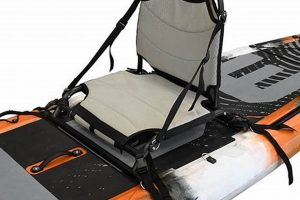
The sport of angling from a small, human-powered vessel in the waters of New York State offers a unique blend of recreation and connection with nature. This activity provides access to diverse aquatic environments, from tranquil lakes and ponds to challenging coastal waters and rivers, each teeming with a variety of fish species.
This method of fishing provides a stealthy approach, allowing anglers to reach shallow, secluded areas often inaccessible to larger boats. It offers a sustainable, environmentally friendly alternative to motorized fishing and promotes physical activity. Historically, small boats have been used for fishing in New York’s waters for centuries, evolving from traditional canoes and rowboats to the modern, specialized kayaks available today. This evolution has broadened access and increased the popularity of this pursuit.
Further exploration will cover topics such as choosing the right equipment, identifying suitable locations, understanding local regulations, and implementing safe practices for this enjoyable and rewarding outdoor activity.
Tips for Kayak Fishing in New York
Successful outings require careful planning and preparation. The following tips provide guidance for a safe and productive experience.
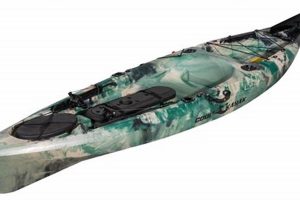
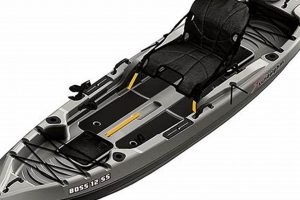
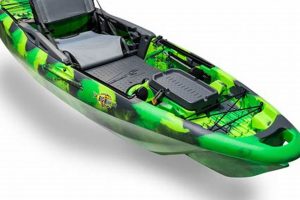
Tip 1: Choose the Right Kayak. Kayak selection depends on the intended fishing environment. Sit-on-top kayaks offer stability and ease of re-entry in calmer waters, while sit-inside kayaks provide better protection in colder conditions and rougher waters. Consider factors such as storage capacity, maneuverability, and comfort.
Tip 2: Research Fishing Locations. New York offers diverse fishing opportunities. Research potential locations thoroughly, considering factors such as target species, water conditions, access points, and local regulations. Consult maps, online resources, and local fishing reports.
Tip 3: Prioritize Safety Equipment. Safety is paramount. Always wear a personal flotation device (PFD). Carry a whistle, signaling device, and a first-aid kit. Inform someone of the fishing plan and expected return time.
Tip 4: Organize Tackle and Gear. Efficient organization is key. Utilize tackle boxes and storage solutions designed for kayaks to keep essential gear readily accessible and prevent clutter. Secure rods and reels properly to avoid loss or damage.
Tip 5: Understand Local Regulations. Fishing licenses and regulations vary by location and species. Obtain the necessary licenses and familiarize oneself with size and catch limits, as well as any specific regulations for kayak fishing.
Tip 6: Practice Paddle Strokes and Maneuvering. Confident kayak handling is essential for efficient fishing. Practice basic paddle strokes and maneuvering techniques in calm water before venturing into more challenging conditions.
Tip 7: Respect the Environment. Practice Leave No Trace principles. Pack out all trash and fishing line. Avoid disturbing wildlife and sensitive habitats. Respect other anglers and water users.
Careful preparation and adherence to these tips will contribute to a safe, enjoyable, and successful fishing experience. These practices also promote the long-term health of New York’s aquatic ecosystems.
By following these guidelines, anglers can contribute to a positive and sustainable future for the sport.
1. Safety Gear

Safeguarding against unforeseen circumstances is paramount in kayak fishing, especially in New York’s diverse water environments. Appropriate safety equipment mitigates risks, ensuring an enjoyable and incident-free experience. The following facets are crucial:
- Personal Flotation Device (PFD)
A properly fitted PFD is non-negotiable. It provides essential buoyancy in case of capsizing or accidental immersion, especially in cold water conditions where hypothermia poses a significant threat. New York State law mandates PFD usage for all kayak occupants.
- Signaling Devices
Visual and auditory signaling devices are critical for attracting attention in emergencies. A whistle can be heard over long distances, while a waterproof flashlight or strobe light can signal distress at night or in low visibility. Flares and signal mirrors can also be beneficial.
- First-Aid Kit
A waterproof first-aid kit containing essential supplies for treating minor injuries, such as cuts, scrapes, and stings, is essential. Items such as bandages, antiseptic wipes, pain relievers, and motion sickness medication should be included.
- Communication Device
Maintaining communication is crucial. A waterproof cell phone or VHF radio allows contact with emergency services or shore personnel if assistance is required. Ensuring devices are charged and protected from water damage is essential.
These safety measures are integral to responsible kayak fishing in New York. Proper preparation and adherence to safety guidelines significantly enhance the probability of a positive and safe outing. Neglecting these precautions can lead to dangerous situations, compromising angler well-being and potentially necessitating costly rescue operations.
2. Kayak Choice

Appropriate kayak selection significantly impacts the success and enjoyment of kayak fishing in New York. Diverse water conditions, from placid lakes to challenging coastal areas, necessitate careful consideration of vessel characteristics. Matching kayak design to the intended fishing environment optimizes stability, maneuverability, and overall performance.
- Hull Design
Hull design influences stability and tracking. Wider, flatter hulls offer enhanced stability, ideal for calm lakes and ponds. Longer, narrower hulls provide better tracking and speed, suitable for covering distances in open water or rivers. Specialized fishing kayaks often feature a hybrid design, balancing stability and maneuverability.
- Sit-on-Top vs. Sit-Inside
Sit-on-top kayaks offer superior stability and ease of re-entry after a water landing, making them suitable for warmer conditions and calmer waters. Sit-inside kayaks provide better protection from the elements and increased storage capacity, advantageous in colder conditions or rougher waters. Anglers should consider prevailing weather conditions and personal preferences.
- Propulsion System
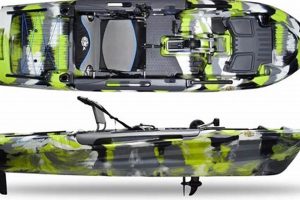
Paddle propulsion remains the most common method for kayak fishing, offering affordability and exercise. Pedal-powered kayaks provide hands-free operation, allowing anglers to focus on fishing. Electric motors offer increased speed and range, suitable for larger bodies of water. The chosen propulsion system depends on individual needs and fishing style.
- Storage and Features
Storage capacity and specialized features enhance practicality. Dedicated rod holders, tackle storage compartments, and anchor trolleys improve organization and efficiency. Consider the amount of gear typically carried and the duration of fishing trips. Weight capacity is also a crucial factor, ensuring sufficient buoyancy and safe handling.
Careful consideration of these factors ensures the chosen kayak aligns with the specific demands of New York’s diverse fishing environments. An appropriate vessel enhances angler safety, comfort, and overall fishing success, contributing to a more rewarding experience on the water. Optimal kayak selection maximizes access to prime fishing locations and enhances the ability to target desired species effectively.
3. Location Scouting

Effective location scouting is crucial for successful kayak fishing in New York. The diverse aquatic environments across the state offer a wide range of fishing opportunities, each with unique characteristics influencing species presence, accessibility, and optimal fishing techniques. Thorough pre-fishing reconnaissance maximizes the chances of a productive and enjoyable outing. Factors such as target species, water conditions, seasonal patterns, and access points necessitate careful evaluation.
For example, targeting smallmouth bass in the St. Lawrence River requires different location considerations compared to pursuing striped bass in the Long Island Sound. River fishing may involve identifying areas with suitable current breaks, rocky structures, or submerged vegetation, while saltwater fishing might focus on locating reefs, drop-offs, or tidal rips. Understanding these habitat preferences and how they interact with local conditions is fundamental. Resources such as nautical charts, bathymetric maps, online fishing forums, and local tackle shops provide valuable information for identifying promising areas. Observing environmental cues like bird activity, baitfish schools, and water temperature variations can further refine location selection while on the water.
Failing to scout effectively can lead to unproductive fishing trips, wasted time, and potential safety risks in unfamiliar waters. Conversely, diligent location scouting increases the probability of encountering target species, improves understanding of the local ecosystem, and contributes to a more rewarding experience. By investing time in pre-fishing research and observation, anglers significantly enhance their chances of success and promote responsible interaction with New York’s valuable aquatic resources. This preparation allows for informed decisions regarding launch points, fishing strategies, and necessary equipment adjustments, further optimizing efficiency and enjoyment on the water.
4. Fishing Regulations
Adherence to fishing regulations is essential for the sustainability of aquatic ecosystems and the ethical enjoyment of kayak fishing in New York. Regulations established by the New York State Department of Environmental Conservation (NYSDEC) govern aspects such as licensing, season dates, size limits, catch limits, and permitted fishing methods. These regulations vary depending on species, location, and time of year. Kayak anglers, like all anglers in the state, are obligated to understand and comply with these rules.
For instance, fishing for trout in Adirondack streams requires a valid New York State fishing license and adherence to specific season dates and catch limits. Similarly, targeting striped bass in the marine waters of Long Island Sound necessitates a saltwater registry and compliance with size and catch restrictions designed to protect breeding populations. Ignoring these regulations can result in fines, confiscation of equipment, and suspension of fishing privileges. Moreover, non-compliance undermines conservation efforts and jeopardizes the long-term health of fish populations, impacting future fishing opportunities.
Understanding and respecting fishing regulations is not merely a legal obligation but a crucial aspect of responsible angling. Compliance demonstrates respect for the environment, contributes to the sustainability of fish stocks, and ensures the continued enjoyment of kayak fishing for future generations. Resources such as the NYSDEC website, official fishing guides, and local tackle shops provide detailed information on current regulations. Staying informed about these rules is an integral part of ethical and sustainable kayak fishing in New York, fostering a positive relationship between anglers and the aquatic resources they value.
5. Tackle Management
Effective tackle management is essential for a successful and enjoyable kayak fishing experience in New York. The limited space and unique challenges inherent in kayak fishing necessitate a streamlined and organized approach to gear storage and deployment. Efficient tackle management maximizes fishing time, minimizes frustration, and contributes to a safer on-the-water experience.
- Organization and Accessibility
Organizing tackle based on target species and fishing techniques optimizes efficiency. Utilizing tackle boxes with compartments, dividers, and labels allows for quick identification and retrieval of lures, hooks, weights, and other essential items. Easy access to frequently used items minimizes disruption and keeps the kayak deck clutter-free.
- Space Optimization
Kayaks offer limited storage. Choosing compact tackle boxes and utilizing specialized kayak storage solutions, such as crates and bags designed to fit within hatches and recesses, maximizes available space. Minimizing unnecessary gear and selecting versatile lures that can be used for multiple species streamlines the tackle system and reduces weight.
- Securing Tackle
Protecting tackle from loss or damage is crucial. Securing tackle boxes and other gear using straps, bungee cords, or dedicated attachment points prevents shifting and potential overboard spills, especially in rough conditions. Waterproof containers or bags provide additional protection against rain and splashes.
- Tackle Selection for Target Species
Tailoring tackle selection to target species maximizes fishing effectiveness. Researching the preferred forage and feeding habits of target species informs lure choices, colors, and sizes. Carrying a variety of lures suitable for different depths, water clarity, and retrieval speeds increases the chances of enticing strikes.
Efficient tackle management contributes significantly to a positive kayak fishing experience in New York. A well-organized and accessible tackle system allows anglers to focus on fishing rather than searching for gear, maximizing time on the water and increasing the likelihood of success. Proper tackle management also enhances safety by reducing clutter and minimizing distractions, allowing for quicker reactions to changing conditions or unexpected events.
6. Environmental Awareness
Environmental awareness is integral to responsible kayak fishing in New York. The close interaction with the natural environment inherent in this activity necessitates a mindful approach that minimizes impact and preserves the delicate balance of aquatic ecosystems. Understanding the interconnectedness of human actions and environmental consequences is crucial for sustainable fishing practices. Kayak anglers, by virtue of their direct engagement with the water and its inhabitants, hold a particular responsibility for environmental stewardship.
Discarded fishing line, for example, poses a significant threat to wildlife, potentially entangling birds, fish, and other aquatic animals. Improper disposal of plastic lures and packaging contributes to pollution, impacting water quality and harming aquatic life. Disturbing nesting sites or sensitive habitats can disrupt breeding cycles and negatively impact local populations. Failing to observe recommended practices for catch and release can lead to unnecessary fish mortality. These seemingly small actions, when multiplied across the angling community, can have significant cumulative impacts on the environment.
Practicing Leave No Trace principles, adhering to catch and release guidelines, and respecting wildlife are essential components of environmentally responsible kayak fishing. Minimizing reliance on single-use plastics, properly disposing of waste, and educating fellow anglers about environmental best practices contribute to the long-term health and viability of New York’s aquatic ecosystems. Environmental awareness is not merely an abstract concept but a practical necessity for ensuring the continued enjoyment of kayak fishing for generations to come. Preserving the natural beauty and ecological integrity of New York’s waters is essential for sustaining the sport and ensuring its positive contribution to the state’s natural heritage.
7. Paddle Proficiency
Proficient paddling technique is fundamental to successful kayak fishing in New York. Efficient and controlled kayak movement enables anglers to navigate diverse water conditions, access prime fishing locations, and position themselves effectively for casting and retrieving. Mastery of essential paddle strokes enhances maneuverability, conserves energy, and contributes significantly to overall fishing success and safety.
- Forward Stroke
The forward stroke propels the kayak efficiently through the water. Proper technique involves a smooth, controlled motion, utilizing core muscles for power and minimizing reliance on arm strength. Efficient forward paddling maximizes speed and minimizes fatigue, allowing anglers to cover greater distances and reach desired fishing spots quickly.
- Reverse Stroke
The reverse stroke is used for stopping, slowing down, and maneuvering in tight spaces. Precise control of the reverse stroke is crucial for maintaining position in currents, avoiding obstacles, and backing away from snags or shallow areas. Mastering this stroke enhances boat control and prevents unwanted drift.
- Sweep Stroke
Sweep strokes are used for turning the kayak. Forward sweep strokes turn the kayak away from the paddle side, while reverse sweep strokes turn the kayak toward the paddle side. Proficient use of sweep strokes enables precise maneuvering and quick adjustments in position, crucial for navigating complex shorelines, avoiding hazards, and positioning for optimal casting angles.
- Draw Stroke
The draw stroke moves the kayak sideways, useful for precise positioning near structures, docks, or other points of interest. This stroke allows anglers to approach fishing targets quietly and maintain a desired distance from the shoreline or structure without the need for constant forward or reverse paddling.
Mastery of these fundamental paddle strokes is essential for effective kayak fishing in New York’s diverse waters. Efficient paddling technique enhances maneuverability, reduces fatigue, improves boat control, and contributes significantly to overall fishing success and safety. Proficient paddling allows anglers to focus on fishing rather than struggling with kayak control, maximizing enjoyment and optimizing the chances of a productive outing. Furthermore, skilled paddling reduces the risk of accidents and enhances the ability to respond effectively to changing water conditions or unexpected situations, ensuring a safer and more rewarding experience on the water.
Frequently Asked Questions
This section addresses common inquiries regarding kayak fishing in New York, providing concise and informative responses to facilitate informed decision-making and enhance understanding of this popular activity.
Question 1: What type of kayak is best suited for fishing in New York waters?
Kayak selection depends on the intended fishing environment. Sit-on-tops offer stability and ease of re-entry, ideal for calmer waters. Sit-ins provide better protection from the elements in colder conditions or rougher waters. Specialized fishing kayaks often incorporate features like rod holders and increased storage.
Question 2: Are there specific licensing requirements for kayak fishing in New York?
A valid New York State fishing license is required for all anglers, including those fishing from kayaks. Specific regulations, such as catch limits and size restrictions, vary depending on the species and location. Consult the New York State Department of Environmental Conservation (NYSDEC) website for detailed information.
Question 3: Where are suitable locations for kayak fishing in New York?
New York offers diverse fishing opportunities. Popular locations include the Great Lakes, Finger Lakes, Adirondack lakes and rivers, St. Lawrence River, Hudson River, and the Long Island Sound. Research specific locations based on target species and preferred fishing style.
Question 4: What safety precautions are essential for kayak fishing?
Wearing a personal flotation device (PFD) is paramount. Carrying a whistle, signaling device, and first-aid kit is also recommended. Informing someone of the fishing plan and expected return time is a crucial safety measure.
Question 5: What essential gear is needed for kayak fishing?
Essential gear includes a fishing rod and reel, appropriate tackle, a paddle or other propulsion system, and safety equipment. Specialized gear like a fish finder, anchor, and rod holders can enhance the experience.
Question 6: What are the best practices for catch and release in kayak fishing?
Minimizing handling time, using appropriate hooks (e.g., barbless or circle hooks), and supporting the fish horizontally while removing the hook are crucial. Wetting hands before handling fish helps protect their slime coat. Revive the fish in the water before release, ensuring it swims away strongly.
Careful consideration of these frequently asked questions promotes safe and responsible kayak fishing practices in New York. Understanding regulations, prioritizing safety, and respecting the environment contribute to a positive and sustainable angling experience.
The information provided here serves as a starting point. Further research and consultation with local resources are encouraged for detailed information specific to chosen fishing locations and target species.
Kayak Fishing NY
Exploration of this pursuit reveals its multifaceted nature, encompassing equipment selection, location scouting, regulatory adherence, safety protocols, and environmental responsibility. Effective angling from these small vessels within New York’s diverse waters hinges upon a thorough understanding of these interconnected elements. Proficiency in paddling technique, efficient tackle management, and respect for aquatic ecosystems contribute significantly to successful and sustainable fishing practices.
The future of this activity relies upon continued education, responsible angling practices, and collaborative conservation efforts. Preservation of New York’s aquatic resources ensures continued opportunities for rewarding experiences in the state’s unique natural environments. Diligent preparation, informed decision-making, and respect for fellow anglers and the environment foster a positive trajectory for this increasingly popular outdoor pursuit.