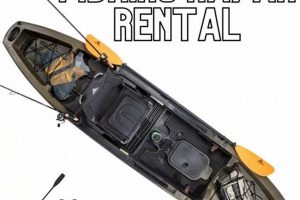
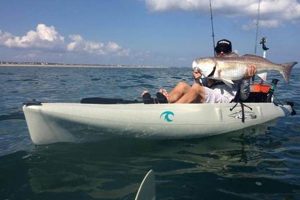
The selection of a suitable watercraft designed for angling involves careful consideration of various factors to ensure optimal performance and enjoyment on the water. This process often begins with an assessment of individual needs and preferences, such as fishing style, target species, and typical water conditions. For instance, an angler frequently fishing in calm lakes might prioritize stability and comfort, while an angler navigating ocean surf might prioritize maneuverability and speed.
A well-chosen vessel enhances the overall fishing experience, providing anglers with a stable and efficient platform to pursue their quarry. Historically, anglers relied on traditional boats or shore fishing. The development of specialized kayaks designed for fishing has expanded opportunities for anglers to access diverse waterways, from shallow rivers and estuaries to open ocean environments. This specialized equipment often includes features like rod holders, tackle storage, and even livewells, enabling anglers to carry essential gear and maintain catch freshness.
This discussion will further explore key aspects of kayak selection, encompassing hull design, propulsion systems, essential features, and popular brands. By understanding these elements, prospective buyers can make informed decisions and choose the ideal watercraft tailored to their specific fishing needs and preferences.
Tips for Kayak Selection
Careful consideration of several key factors ensures the chosen kayak aligns with individual angling needs and preferences.
Tip 1: Define Fishing Style: Determine primary fishing methods. Trolling requires different kayak characteristics than still fishing or fly fishing. Consider the typical distance paddled and the need for specialized features like anchor trolleys or outriggers.
Tip 2: Assess Water Conditions: The intended fishing environment significantly influences kayak choice. Calm lakes and rivers necessitate different hull designs than ocean surf or fast-flowing currents. Stability is paramount in challenging conditions.
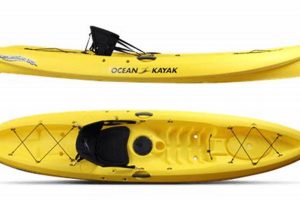
Tip 3: Evaluate Hull Design: Consider sit-on-top versus sit-inside kayaks. Sit-on-tops offer better stability and self-bailing capabilities, while sit-ins provide greater protection from the elements and enhanced paddling efficiency.
Tip 4: Choose a Propulsion System: Paddle kayaks offer excellent exercise and maneuverability. Pedal-driven kayaks allow hands-free fishing and cover greater distances. Motorized kayaks offer speed and convenience but often come with higher price tags.
Tip 5: Prioritize Essential Features: Rod holders, tackle storage, and comfortable seating are crucial for a positive fishing experience. Consider additional features like livewells, fish finders, and GPS systems based on specific needs.
Tip 6: Consider Weight Capacity: Ensure the kayak’s weight capacity accommodates the angler’s weight, fishing gear, and potential catch. Exceeding the weight limit compromises stability and performance.
Tip 7: Test Before Purchasing: Whenever possible, test paddle or demo different kayak models. This provides valuable firsthand experience and ensures a comfortable fit and optimal performance on the water.
By considering these tips, prospective buyers can significantly improve their chances of selecting the optimal kayak for their individual fishing needs, leading to enhanced enjoyment and success on the water.
These essential considerations provide a foundation for making an informed decision and selecting a fishing kayak that maximizes angling potential.
1. Stability

Stability represents a critical factor in fishing kayak selection. A stable platform is essential for casting lines, reeling in fish, and landing catches, particularly in challenging conditions. Compromised stability can lead to angler fatigue, difficulty in maneuvering, and even capsizing, jeopardizing both safety and fishing success. Understanding the factors contributing to kayak stability is crucial for informed decision-making.
- Hull Design
Hull design significantly influences stability. Wider hulls generally provide greater initial stability, resisting tipping when at rest. However, they may be slower and less maneuverable. Longer kayaks tend to track straighter but offer less primary stability. Specialized hull designs, such as pontoon hulls or catamaran hulls, offer exceptional stability but may sacrifice maneuverability or speed. Understanding the trade-offs between stability and other performance characteristics is essential.
- Center of Gravity
The angler’s center of gravity plays a crucial role in overall stability. A lower center of gravity enhances stability, while a higher center of gravity increases the likelihood of tipping. Seating position, kayak width, and weight distribution all influence the center of gravity. Anglers should consider their body type and fishing style when evaluating kayak stability. Maintaining a low center of gravity, especially in rough water, is essential for maintaining balance.
- Water Conditions
Water conditions significantly impact perceived stability. Calm lakes and slow-moving rivers present fewer stability challenges than ocean surf or fast-flowing currents. Wind, waves, and boat wakes can all compromise stability. Anglers should choose a kayak with adequate stability for the intended fishing environment. Evaluating stability ratings and understanding manufacturer recommendations can help anglers make informed decisions.
- Added Features and Gear
Added features and gear, such as rod holders, tackle boxes, and fish finders, can influence stability by altering the kayak’s weight distribution and center of gravity. Proper placement and secure storage of gear are essential for maintaining optimal stability. Overloading a kayak compromises stability and increases the risk of capsizing.
By carefully considering hull design, center of gravity, water conditions, and gear placement, anglers can choose a fishing kayak that offers the appropriate level of stability for their needs and fishing style. Prioritizing stability contributes significantly to safety, comfort, and overall fishing success.
2. Maneuverability

Maneuverability is a critical aspect of fishing kayak selection, directly influencing an angler’s ability to navigate various water conditions and fishing scenarios. A highly maneuverable kayak allows for precise positioning in tight spots, efficient navigation through obstacles, and quick adjustments to changing currents or fish movement. Conversely, a less maneuverable kayak can be cumbersome and frustrating, limiting access to prime fishing locations and hindering responsiveness to fishing opportunities.
- Hull Design
Hull design significantly impacts maneuverability. Shorter kayaks with a rounded or shallow-V hull tend to turn more quickly and require less effort to change direction. Longer kayaks with a deeper-V hull track straighter and offer better speed and glide, but sacrifice maneuverability in tight spaces. Understanding the trade-offs between hull design, maneuverability, and tracking is crucial for selecting a kayak suited to specific fishing environments.
- Water Conditions
The intended fishing environment dictates the level of maneuverability required. Navigating narrow creeks, rivers with obstacles, or areas with dense vegetation necessitates a highly maneuverable kayak. Open water environments with fewer obstructions may prioritize tracking and speed over tight turning capabilities. Matching kayak maneuverability to anticipated water conditions is essential for optimal performance.
- Propulsion System
The chosen propulsion system affects maneuverability. Paddle kayaks offer excellent control and maneuverability, allowing for quick turns and precise adjustments. Pedal-driven kayaks generally sacrifice some maneuverability compared to paddle kayaks, especially in tight spaces. Motorized kayaks offer speed and convenience but may be less nimble than paddle or pedal kayaks, particularly in confined areas.
- Kayak Weight and Length
The kayak’s weight and length influence maneuverability. Lighter kayaks are generally easier to maneuver than heavier kayaks, requiring less effort to change direction. Shorter kayaks turn more quickly than longer kayaks, making them more agile in confined spaces. Consideration of weight and length, along with hull design, provides a comprehensive understanding of a kayak’s maneuverability characteristics.
Selecting a fishing kayak with appropriate maneuverability characteristics is paramount for maximizing fishing success and overall enjoyment on the water. Careful consideration of hull design, intended fishing environment, propulsion system, and kayak dimensions allows anglers to choose a vessel that balances maneuverability with other essential performance attributes such as stability and speed.
3. Storage Capacity

Storage capacity represents a crucial factor in fishing kayak selection. Adequate storage directly impacts an angler’s ability to carry essential gear, maintain organization, and ultimately, maximize fishing success. Insufficient storage can lead to a cluttered kayak, hindering access to tackle, compromising safety, and detracting from the overall fishing experience. Conversely, ample and well-designed storage facilitates efficient tackle management, enhances comfort, and allows anglers to focus on fishing rather than managing gear.
Consider the scenario of a fly fisherman navigating a river. Multiple fly boxes, lines, leaders, and other specialized gear require dedicated storage solutions. A kayak lacking sufficient compartments or specialized storage areas would force the angler to improvise, potentially damaging delicate equipment or creating an unsafe environment. Alternatively, a kayak equipped with designated fly box storage, sealed compartments for electronic devices, and ample deck space for frequently accessed items enables the angler to maintain organization and focus on fishing. Similarly, an angler targeting large saltwater species requires robust storage for heavier tackle, gaffs, and potentially even a cooler for preserving catch. Insufficient storage capacity could limit the angler’s ability to carry necessary equipment, jeopardizing safety and potentially impacting the success of the trip.
Selecting a fishing kayak with appropriate storage capacity requires careful consideration of individual fishing styles, target species, and typical trip duration. Evaluating storage options such as front and rear hatches, tank wells, side pockets, and integrated tackle storage systems is essential for ensuring the chosen kayak meets specific needs. Prioritizing storage capacity contributes significantly to organization, efficiency, and overall enjoyment on the water.
4. Propulsion Type
Propulsion type represents a pivotal decision in fishing kayak selection. The chosen method of propulsion significantly influences speed, maneuverability, fishing style, and overall experience on the water. Understanding the advantages and disadvantages of each propulsion type empowers anglers to choose the optimal system for their specific needs and preferences.
- Paddle Propulsion
Paddle propulsion remains the most traditional and widely adopted method for kayaking. Paddle kayaks offer excellent maneuverability, allowing for precise control in tight spaces and quick adjustments to changing currents. They are generally more affordable than other propulsion systems and require minimal maintenance. However, paddling requires physical exertion, potentially limiting fishing time and range, especially in challenging conditions. Paddle propulsion is well-suited for anglers prioritizing maneuverability, affordability, and exercise.
- Pedal Propulsion
Pedal-driven kayaks utilize leg power for propulsion, freeing hands for fishing. They offer greater speed and range compared to paddle kayaks, allowing anglers to cover more water and access distant fishing spots with less fatigue. Pedal kayaks are particularly advantageous for techniques like trolling or covering large areas. However, they typically sacrifice some maneuverability compared to paddle kayaks and may be more challenging to navigate in shallow water or areas with dense vegetation. The added complexity of the pedal drive system also contributes to a higher price point.
- Motorized Propulsion
Motorized kayaks offer the greatest speed and range of all propulsion types, allowing anglers to quickly reach distant fishing locations and cover vast areas with minimal effort. They are particularly well-suited for large bodies of water or challenging conditions where paddling or pedaling would be impractical. However, motorized kayaks are the most expensive option and require regular maintenance, including battery charging or fuel refills. Regulations regarding motorized watercraft may also restrict access to certain areas.
- Combination Propulsion
Some kayaks offer hybrid propulsion systems, combining paddle power with either a pedal drive or a motor. This versatility allows anglers to adapt to changing conditions or fishing scenarios. For instance, an angler might utilize the motor for long-distance travel and then switch to paddle power for navigating shallows or maneuvering in tight spaces. Combination propulsion offers flexibility but typically comes at a higher price point and may involve increased maintenance requirements.
Selecting the appropriate propulsion system is paramount for optimizing fishing kayak performance and ensuring a positive experience on the water. Careful consideration of fishing style, target species, typical water conditions, budget, and desired level of physical exertion empowers anglers to choose the propulsion type that best aligns with their individual needs and preferences.
5. Comfort
Comfort plays a crucial role in fishing kayak selection, significantly impacting an angler’s endurance, focus, and overall enjoyment. An uncomfortable kayak can lead to fatigue, back pain, and a diminished fishing experience, especially during longer outings. Conversely, a comfortable kayak promotes sustained focus on fishing, allowing anglers to remain on the water longer and maximize their chances of success. Consider the scenario of an angler spending hours on the water targeting offshore species. An uncomfortable seat, inadequate back support, or poorly positioned footrests can lead to discomfort and fatigue, hindering the angler’s ability to effectively cast, reel, and fight fish. A well-designed kayak with adjustable seating, ample legroom, and ergonomic features allows the angler to maintain comfort and focus, maximizing endurance and enjoyment throughout the fishing trip.
Several factors contribute to kayak comfort. Seat design, including cushioning, adjustability, and breathability, significantly impacts comfort levels. Back support is crucial for maintaining proper posture and preventing fatigue. Adjustable footrests accommodate varying leg lengths and contribute to stability and paddling efficiency. Legroom and overall cockpit space influence comfort, particularly for larger anglers or those requiring more freedom of movement. The kayak’s stability also indirectly affects comfort, as a stable platform reduces the need for constant adjustments and promotes a more relaxed fishing experience. For example, an angler fishing in choppy conditions will appreciate the added comfort and stability provided by a wider kayak with a well-designed seat and back support. This stability allows the angler to focus on fishing rather than maintaining balance, enhancing both comfort and safety.
Prioritizing comfort in fishing kayak selection directly translates to enhanced enjoyment, reduced fatigue, and increased time on the water. Careful evaluation of seat design, back support, footrests, legroom, and overall kayak stability empowers anglers to choose a vessel that promotes comfort and maximizes fishing potential. This focus on comfort is an investment in long-term fishing enjoyment and success.
Frequently Asked Questions
This section addresses common inquiries regarding fishing kayak selection, providing concise and informative responses to assist prospective buyers in making informed decisions.
Question 1: What is the average lifespan of a fishing kayak?
A fishing kayak’s lifespan depends on factors like material, usage, and storage conditions. Proper care and maintenance can significantly extend its usable life, potentially lasting a decade or more. Regular cleaning, UV protection, and appropriate storage contribute to longevity.
Question 2: How important is weight capacity when choosing a kayak?
Weight capacity is crucial. It dictates the total weight a kayak can safely support, encompassing the angler’s weight, gear, and potential catch. Exceeding the weight limit compromises stability and performance, potentially leading to capsizing. Choosing a kayak with ample weight capacity ensures safety and optimal performance.
Question 3: What are the key differences between sit-on-top and sit-inside kayaks for fishing?
Sit-on-top kayaks offer superior stability and self-bailing capabilities, making them ideal for warmer climates and calmer waters. Sit-inside kayaks provide better protection from the elements and enhanced paddling efficiency, making them suitable for colder conditions or longer expeditions. Anglers should consider their typical fishing environment and personal preferences when choosing between the two.
Question 4: Are fishing kayaks suitable for beginners?
Many fishing kayaks are designed with beginner-friendly features, such as enhanced stability and user-friendly layouts. Starting with a wider, stable kayak in calm waters can build confidence and skills. Seeking guidance from experienced kayakers or retailers can further assist beginners in selecting the right kayak.
Question 5: How does one transport a fishing kayak?
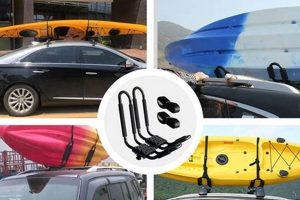
Transporting a fishing kayak requires appropriate equipment, such as roof racks or trailers. Kayak carts facilitate easier movement from vehicle to water. Understanding proper loading and securing techniques is crucial for safe and damage-free transportation.
Question 6: What essential safety gear should one carry when fishing from a kayak?
Essential safety gear includes a personal flotation device (PFD), a whistle, a first-aid kit, and appropriate navigation lights. Carrying a communication device, such as a VHF radio or cell phone, is highly recommended. Checking weather conditions before embarking and informing someone of the planned fishing location enhances safety precautions.
Careful consideration of these frequently asked questions provides a deeper understanding of the key factors involved in fishing kayak selection. This knowledge empowers prospective buyers to make well-informed decisions and choose the optimal kayak for their specific needs and preferences.
Further exploration of specific kayak models and brands will follow in the next section.
Picking a Fishing Kayak
Careful selection of a fishing kayak involves a comprehensive evaluation of various factors, each contributing significantly to on-the-water success and enjoyment. Hull design, propulsion type, storage capacity, stability, maneuverability, and comfort all play crucial roles in determining a kayak’s suitability for specific fishing styles and environments. Understanding these interconnected elements empowers informed decision-making, ensuring the chosen vessel aligns precisely with individual angler requirements. Prioritizing these aspects ultimately leads to a more productive, comfortable, and rewarding fishing experience.
The process of choosing a fishing kayak represents a significant investment in both time and resources. Thorough research, careful consideration of individual needs, and a commitment to prioritizing essential features ultimately determine long-term satisfaction and success on the water. A well-chosen fishing kayak becomes an extension of the angler, facilitating access to diverse waterways and enhancing the pursuit of angling passion. This pursuit, in turn, connects individuals with nature, fostering a deeper appreciation for aquatic environments and the delicate ecosystems they support.