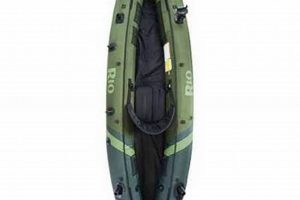
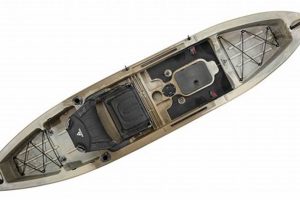
This pursuit involves angling for sharks from a small, human-powered vessel. It typically requires specialized tackle and techniques adapted to the unique challenges and opportunities this approach presents. Imagine a lightweight, maneuverable platform enabling access to shallow, near-shore waters where sharks may congregate. This method contrasts sharply with traditional boat-based shark fishing, offering distinct advantages.
The growing popularity of this activity stems from factors such as its affordability, the intimate connection it fosters with the marine environment, and the thrilling challenge it offers anglers. Historically, smaller vessels have been used for fishing in various cultures, but the combination of modern kayak designs and specialized fishing gear elevates this to a distinct sporting pursuit. This approach can offer valuable insights into shark behavior in specific habitats, contributing to research and conservation efforts.
The following sections will explore essential aspects of this specialized fishing method, covering topics such as suitable kayak selection, targeted shark species, necessary equipment, responsible fishing practices, safety precautions, and relevant regulations.
Tips for Kayak Shark Fishing
Safe and successful kayak shark fishing requires careful planning and execution. These tips offer guidance for anglers venturing into this challenging and rewarding pursuit.
Tip 1: Choose the Right Kayak: Selecting a stable and robust kayak designed for offshore conditions is paramount. Consider sit-on-top models for improved stability and self-bailing capabilities. Longer kayaks generally track better in open water.
Tip 2: Utilize Specialized Gear: Heavy-duty rods, reels, and lines designed for large game fish are essential. Leaders made from wire or heavy monofilament are crucial to withstand abrasion from sharks’ teeth and rough skin.
Tip 3: Prioritize Safety Equipment: A personal flotation device (PFD) is mandatory. Carry a VHF radio, signaling devices (flares, whistle), and a first-aid kit. A knife or cutting tool can be crucial for line management.
Tip 4: Understand Shark Behavior: Research the target species and their behavior patterns. Knowledge of their feeding habits, preferred habitats, and potential reactions enhances angling success and improves safety.
Tip 5: Practice Responsible Catch and Release: Minimize handling time to reduce stress on the shark. Use appropriate circle hooks to avoid deep hooking. Revive the shark alongside the kayak before release, ensuring it swims away strongly.
Tip 6: Check Local Regulations: Adhere to all licensing requirements and regulations regarding shark fishing, including size limits, bag limits, and permitted fishing areas.
Tip 7: Inform Someone of Your Plans: Always inform someone of your fishing location, planned return time, and emergency contacts. This crucial step ensures assistance can be rendered if needed.
By adhering to these guidelines, anglers can increase their chances of a successful and safe experience while contributing to the conservation of these magnificent creatures.
These preparatory steps are crucial for a positive experience. The subsequent section will discuss ethical considerations and conservation practices associated with this specialized fishing method.
1. Species Selection

Species selection plays a critical role in kayak-based shark fishing, influencing equipment choices, angling techniques, and overall safety. Targeting smaller coastal species like blacktip or bonnethead sharks presents different challenges compared to pursuing larger pelagic species such as mako or thresher sharks. The physical capabilities of the angler and the limitations of the kayak platform necessitate careful consideration of target species. Matching tackle strength and line capacity to the expected size and fighting power of the target species is paramount for a successful and safe experience. For example, targeting smaller inshore species might involve using lighter tackle and focusing on areas with shallower depths and calmer waters, whereas pursuing larger offshore species demands heavier gear and venturing into deeper waters.
Practical considerations related to species selection extend beyond tackle and location. Understanding the behavior and habitat preferences of the target species is essential. Some species are more likely to be found near reefs or structure, while others favor open water. This knowledge dictates fishing location and strategies. Furthermore, species-specific regulations often govern size and bag limits, highlighting the importance of accurate identification. Misidentification could lead to unintentional violations. For example, some regions impose stricter regulations on certain shark species due to conservation concerns, requiring anglers to possess specific permits or adhere to stricter size limits. Differentiating between similar-looking species becomes crucial in such cases.
In summary, informed species selection is fundamental to responsible and successful kayak shark fishing. Careful consideration of the target species size, fighting ability, habitat preferences, and applicable regulations ensures appropriate gear selection, enhances angling effectiveness, and promotes angler safety. This foundational knowledge also allows anglers to contribute meaningfully to conservation efforts by adhering to species-specific regulations and adopting best practices for catch and release. Overlooking this crucial aspect can jeopardize both the angler and the targeted species.
2. Kayak Stability

Kayak stability is paramount for successful and safe shark fishing. A stable platform is essential for managing the powerful runs and unpredictable movements of hooked sharks. Compromised stability jeopardizes angler safety and increases the risk of capsizing, especially during critical moments like hooking, fighting, and landing a shark. Understanding the factors influencing kayak stability is crucial for anglers venturing into this demanding pursuit.
- Hull Design and Stability
Kayak hull design significantly impacts stability. Wider, flatter hulls offer primary stability, resisting initial tipping. Longer kayaks generally provide better directional stability, crucial for tracking in open water and maintaining control during a shark’s run. Specialized fishing kayaks often incorporate design features like outriggers or pontoons to enhance stability, particularly valuable when battling larger species. The hull design must be suitable for the anticipated sea conditions and the target species’ size and behavior.
- Weight Distribution and Balance
Proper weight distribution is crucial for maintaining balance and preventing capsizing. Distributing gear evenly within the kayak’s storage compartments and avoiding excessive weight at either end optimizes stability. Angler positioning also influences balance. A centered and low center of gravity enhances stability, enabling anglers to react effectively to a shark’s movements without compromising the kayak’s equilibrium. Shifting weight suddenly can destabilize the kayak, especially during a fight, highlighting the importance of controlled movements.
- Sea Conditions and Stability
Prevailing sea conditions significantly impact kayak stability. Calm, flat water presents fewer challenges compared to choppy or rough seas. Wind, waves, and currents can destabilize a kayak, requiring constant adjustments and heightened awareness. Anglers must assess sea conditions before venturing out and adapt their fishing strategies accordingly. Attempting to fish in conditions exceeding the kayak’s stability limitations or the angler’s skill level significantly increases the risk of capsizing.
- Impact of Shark Behavior on Stability
A hooked shark’s behavior directly influences kayak stability. Sudden changes in direction, powerful runs, and leaps can destabilize the kayak, demanding quick reactions and precise angling techniques. Understanding the typical fighting behavior of the target species allows anglers to anticipate potential challenges and adjust their approach accordingly. Maintaining a firm grip on the rod and reel and using proper angling techniques minimizes the risk of losing balance or capsizing during these critical moments.
Considering these facets of kayak stability is essential for responsible and successful shark fishing. Matching kayak selection and fishing techniques to the target species and prevailing sea conditions ensures angler safety and enhances the overall fishing experience. Prioritizing stability equips anglers to handle the challenges presented by a hooked shark, contributing to a successful and safe outcome. Ignoring these factors significantly elevates the risks associated with this demanding pursuit.
3. Specialized Tackle

Specialized tackle is essential for successful and safe shark fishing from a kayak. The unique challenges and opportunities presented by this fishing method necessitate gear designed to withstand the power and unpredictable behavior of sharks while operating within the limitations of a kayak platform. Appropriate tackle selection directly influences angling effectiveness, angler safety, and the ethical treatment of the targeted species.
- Rods and Reels
Heavy-duty rods designed for big-game fishing provide the necessary strength and leverage to handle powerful sharks. Reels with high line capacity and smooth drag systems are crucial for managing long runs and preventing line breakage. The rod and reel combination must balance strength, durability, and manageable size within the confines of a kayak.
- Fishing Line and Leaders
Braided fishing line offers high strength and low stretch, enabling effective hooksets and direct contact with the fish. Heavy monofilament or fluorocarbon leaders provide abrasion resistance against a shark’s rough skin and teeth. Wire leaders are sometimes necessary for species with particularly sharp teeth. Leader selection depends on the target species and fishing conditions.
- Hooks and Terminal Tackle
Circle hooks are essential for promoting ethical catch-and-release practices. Their design reduces the likelihood of deep hooking, increasing the chances of successful release and minimizing injury to the shark. Strong swivels and crimps ensure secure connections between line, leader, and hook. Terminal tackle selection must withstand the forces exerted by a hooked shark.
- Accessories and Tools
Essential accessories include a sturdy gaff for controlling larger sharks during landing and release, a tail rope for maneuvering sharks alongside the kayak, and a dehooking tool for safe and efficient hook removal. A sharp knife or cutting tool is crucial for managing lines and dealing with entanglement situations. These accessories contribute to angler safety and facilitate responsible handling of sharks.
The specialized tackle employed in kayak shark fishing reflects the demanding nature of this pursuit. Careful selection and proper utilization of these tools are crucial for angler safety, ethical handling of sharks, and maximizing the chances of a successful fishing experience. The interplay between these elements contributes significantly to the overall effectiveness and safety of this specialized fishing method. Ignoring these specialized requirements could lead to equipment failure, angler injury, or unnecessary harm to the targeted species.
4. Safety Protocols
Safety protocols are paramount in kayak shark fishing, mitigating inherent risks associated with this activity. The open-water environment, the presence of large predators, and the limitations of a small vessel necessitate meticulous planning and adherence to safety guidelines. Neglecting these protocols can lead to severe consequences, including injury, equipment loss, or even fatality. A comprehensive understanding of these protocols is essential for responsible and successful kayak shark fishing.
Several key safety protocols directly address the specific challenges of kayak shark fishing. Wearing a personal flotation device (PFD) is non-negotiable, providing essential buoyancy in case of capsizing or accidental immersion. Carrying a VHF radio enables communication with shore or other vessels in emergencies, while signaling devices such as flares or a whistle facilitate attracting attention if assistance is needed. A first-aid kit equipped to handle potential injuries, including cuts, abrasions, and hook wounds, is crucial. These protocols collectively enhance angler safety, minimizing the potential impact of unforeseen events.
Practical applications of these protocols illustrate their significance. For instance, a sudden, powerful run by a hooked shark can easily destabilize a kayak, potentially leading to capsizing. A properly worn PFD becomes a lifesaver in such scenarios. Similarly, in the event of a medical emergency, such as a deep hook injury, the ability to communicate via VHF radio and administer first aid while awaiting rescue can be critical. These real-world examples underscore the practical significance of adhering to safety protocols, transforming potentially dangerous situations into manageable events. Implementing these protocols requires constant vigilance, meticulous planning, and a thorough understanding of the associated risks. This proactive approach transforms kayak shark fishing from a potentially hazardous activity into a safer and more rewarding pursuit.
5. Legal Regulations

Legal regulations governing shark fishing from a kayak vary significantly by jurisdiction and are essential for maintaining sustainable shark populations and minimizing environmental impact. These regulations often encompass aspects such as permitted species, size limits, bag limits, fishing seasons, and gear restrictions. Understanding and adhering to these regulations is a non-negotiable aspect of responsible kayak shark fishing. Ignorance of these legal frameworks can lead to penalties, fines, and contribute to the depletion of shark populations. For example, regulations might prohibit the harvesting of certain endangered or protected species, while others may impose size limits to protect juvenile sharks and ensure healthy breeding populations. Specific gear restrictions, such as the mandatory use of circle hooks, aim to minimize injury to released sharks, promoting conservation efforts.
The practical implications of these regulations are substantial. Anglers must familiarize themselves with the specific regulations in their fishing area before embarking on any kayak shark fishing expedition. This often involves researching local fishing ordinances, obtaining necessary permits or licenses, and staying updated on any changes to existing regulations. Failure to comply can result in legal repercussions and damage to local ecosystems. For example, fishing for prohibited species, exceeding bag limits, or using illegal gear can lead to fines, confiscation of equipment, and even suspension of fishing privileges. Moreover, disregarding regulations undermines conservation efforts, potentially leading to long-term negative impacts on shark populations and the marine environment. Real-life examples abound, highlighting the importance of compliance. In certain areas, overfishing of specific shark species has led to population declines, prompting stricter regulations and increased enforcement efforts to protect these vulnerable populations. These instances underscore the direct link between legal regulations and the sustainability of shark populations.
In conclusion, legal regulations are integral to responsible kayak shark fishing. Compliance with these regulations is not merely a legal obligation but a crucial contribution to conservation efforts. Understanding and adhering to local fishing laws ensures the sustainability of shark populations, minimizes environmental impact, and promotes ethical angling practices. By prioritizing legal compliance, anglers contribute to the long-term health of marine ecosystems and the preservation of shark populations for future generations. Disregarding these regulations undermines these objectives, potentially leading to irreversible ecological damage and jeopardizing the future of this unique fishing pursuit.
6. Ethical Considerations

Ethical considerations are paramount in kayak shark fishing, adding a layer of responsibility beyond mere adherence to legal regulations. These considerations reflect a deeper understanding of the impact of fishing practices on shark populations and the marine environment. They encompass a range of factors, from minimizing stress on captured sharks to promoting conservation through responsible angling practices. Ignoring ethical considerations can lead to unintended consequences, including unnecessary harm to sharks, ecosystem disruption, and the erosion of public trust in recreational fishing.
- Minimizing Fight Time and Stress
Minimizing fight time is crucial for reducing stress on hooked sharks. Prolonged struggles deplete a shark’s energy reserves, compromising its ability to recover after release. Utilizing appropriate tackle and employing skilled angling techniques expedite the capture and release process, minimizing the physiological strain on the animal. For example, using heavier tackle suited to the target species allows for quicker control and reduces the duration of the fight, minimizing exhaustion and increasing the likelihood of successful release. Conversely, prolonged fights increase the risk of lactic acid buildup, muscle damage, and physiological stress, potentially leading to post-release mortality even if the shark appears healthy upon release.
- Responsible Catch and Release
Responsible catch-and-release practices are fundamental to ethical shark fishing. This involves handling sharks with care, minimizing air exposure, and using appropriate dehooking tools to expedite release. Avoiding unnecessary handling or contact with sensitive areas like the gills and eyes further reduces stress and potential injury. For example, using a purpose-built dehooking tool allows for quick and efficient hook removal, minimizing handling time and potential harm. Conversely, improper handling, such as lifting a shark by its tail or gills, can cause significant internal injuries, reducing its chances of survival after release. Reviving exhausted sharks alongside the kayak before release, ensuring they swim away strongly, demonstrates a commitment to their well-being.
- Respecting the Marine Environment
Respecting the marine environment is an integral aspect of ethical shark fishing. This encompasses avoiding damage to habitats, minimizing bycatch, and properly disposing of fishing lines and other waste. Discarded fishing gear can entangle marine life, causing injury or death, while habitat destruction disrupts the delicate balance of marine ecosystems. For example, carefully retrieving snagged lines and hooks minimizes the risk of leaving debris that could entangle other marine animals. Similarly, avoiding anchoring in sensitive habitats, such as coral reefs or seagrass beds, helps preserve these essential ecosystems. These practices demonstrate a commitment to responsible stewardship of the marine environment.
- Promoting Conservation Awareness
Promoting conservation awareness is an important ethical consideration. Educating fellow anglers about responsible fishing practices, supporting conservation organizations, and advocating for sustainable fisheries management contribute to the long-term health of shark populations and marine ecosystems. Sharing knowledge and experiences within the angling community fosters a culture of conservation and encourages responsible behavior. For instance, engaging in citizen science initiatives, such as reporting tagged sharks or participating in data collection programs, contributes valuable information to research and conservation efforts. Similarly, supporting organizations dedicated to shark research and conservation provides resources for crucial work aimed at protecting these magnificent creatures.
These ethical considerations collectively represent a higher standard of responsibility within the kayak shark fishing community. Embracing these principles elevates the pursuit beyond mere sport, transforming it into a practice that respects the delicate balance of marine ecosystems and contributes to the long-term survival of shark populations. By prioritizing ethical considerations, anglers demonstrate a commitment to responsible stewardship of the marine environment, ensuring the sustainability of this unique fishing experience for future generations. Failing to acknowledge these ethical dimensions diminishes the value of the pursuit and risks undermining the very resource upon which it depends.
7. Conservation Practices
Conservation practices are inextricably linked to the sustainability of kayak-based shark fishing. This specialized angling method offers a unique opportunity to interact with these apex predators while contributing to their long-term survival. The direct interaction provides anglers with firsthand experience of shark behavior and vulnerability, fostering a sense of responsibility towards their conservation. This connection necessitates a shift from a purely recreational perspective to one that prioritizes the well-being of the target species and the health of the marine ecosystem. Cause and effect relationships are readily apparent. Overfishing or irresponsible fishing practices can lead to population declines, necessitating stricter regulations and potentially jeopardizing future fishing opportunities. Conversely, adopting conservation-minded practices contributes to healthy shark populations, ensuring the longevity of this unique fishing pursuit.
The importance of conservation practices as a component of kayak-based shark fishing is underscored by real-life examples. The widespread adoption of circle hooks within the shark fishing community exemplifies this shift towards conservation. Circle hooks significantly reduce the incidence of deep hooking, increasing post-release survival rates. Similarly, the promotion of catch-and-release practices, particularly for vulnerable or threatened species, reflects a growing awareness of the importance of minimizing fishing mortality. These practical applications demonstrate the tangible impact of conservation-minded angling. Furthermore, the increasing involvement of recreational anglers in data collection programs, such as tagging studies, highlights the potential for citizen science to contribute valuable information for research and management efforts. These initiatives empower anglers to become active participants in shark conservation.
A comprehensive understanding of these conservation practices is essential for the ethical and sustainable pursuit of kayak-based shark fishing. This understanding translates into practical actions, such as employing proper handling techniques to minimize stress on captured sharks, adhering to size and bag limits, and actively participating in conservation initiatives. Challenges remain, including the need for continued education and outreach to promote responsible angling practices and address misconceptions surrounding sharks. However, the growing awareness of the interconnectedness between recreational fishing and conservation represents a positive trend. Ultimately, the future of kayak-based shark fishing hinges on the widespread adoption of conservation practices, ensuring the long-term health of shark populations and the preservation of this unique angling experience for future generations.
Frequently Asked Questions
This section addresses common inquiries regarding kayak-based shark fishing, offering clarity and dispelling misconceptions surrounding this specialized pursuit.
Question 1: How dangerous is shark fishing from a kayak?
While inherent risks exist, responsible practices significantly mitigate danger. Adhering to safety protocols, using appropriate equipment, and understanding shark behavior are crucial for minimizing risks.
Question 2: What type of kayak is best suited for shark fishing?
Stable, sit-on-top kayaks designed for offshore conditions are recommended. Longer kayaks generally track better in open water, while wider hulls enhance stability.
Question 3: What specialized gear is required for kayak shark fishing?
Heavy-duty rods, reels, and lines designed for large game fish are essential. Leaders made from wire or heavy monofilament are crucial. Circle hooks are recommended for ethical catch and release.
Question 4: Are there specific regulations regarding shark fishing from a kayak?
Regulations vary by jurisdiction and may include size limits, bag limits, permitted species, and gear restrictions. Checking local regulations before fishing is essential.
Question 5: What conservation practices should be followed?
Minimizing fight time, utilizing proper catch-and-release techniques, and respecting the marine environment are crucial conservation practices. Using circle hooks and avoiding overfishing are essential.
Question 6: How can one learn more about responsible shark fishing practices?
Consulting local fishing authorities, engaging with experienced anglers, and researching reputable conservation organizations provide valuable information regarding responsible shark fishing practices.
Prioritizing safety and conservation ensures the sustainability of this pursuit and fosters respect for these magnificent creatures.
The following section delves into advanced techniques for kayak-based shark fishing, exploring strategies for locating, attracting, and landing these apex predators.
Conclusion
This exploration of shark fishing from a kayak has highlighted the multifaceted nature of this pursuit. From specialized equipment and safety protocols to ethical considerations and conservation practices, the activity demands careful planning and responsible execution. Key takeaways include the importance of kayak stability, the necessity of specialized tackle, the critical role of legal regulations, and the ethical obligation to minimize stress on captured sharks. The interconnectedness of these elements underscores the complexity and inherent risks associated with this specialized fishing method. Furthermore, the emphasis on conservation practices highlights the angler’s role in ensuring the sustainability of shark populations and the long-term health of marine ecosystems.
The future of shark fishing from a kayak hinges on a continued commitment to responsible angling practices. Prioritizing safety, adhering to regulations, and embracing conservation principles are essential for preserving this unique pursuit. Continued education and outreach within the angling community are crucial for fostering a culture of respect for these apex predators and their vital role in the marine environment. Ultimately, the pursuit’s long-term viability depends on a collective commitment to responsible stewardship, ensuring that future generations can experience the thrill and challenge of interacting with these magnificent creatures in their natural habitat.