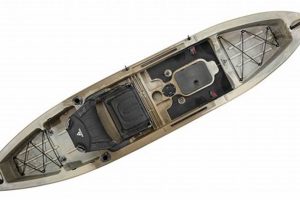
This activity involves angling from a small, human-powered watercraft on the waterways of Crystal River, Florida. The area offers diverse fishing opportunities due to its mix of freshwater springs, saltwater estuaries, and shallow coastal waters. Anglers can target a variety of species, from redfish and snook in the brackish waters to largemouth bass in the spring-fed rivers.
The shallow, clear waters of Crystal River provide excellent visibility, allowing anglers to sight-fish and experience the natural beauty of the area. The calm nature of many areas within the river system makes it ideal for kayak angling. Historically, small boats have been utilized for fishing in this region, reflecting its importance as a source of food and recreation. Modern kayak fishing offers a sustainable and accessible way to continue this tradition, promoting a close connection with the natural environment. The relatively low impact of kayaks compared to motorized boats contributes to preserving this delicate ecosystem.
Further exploration of this topic will cover essential equipment, recommended launch sites, optimal times to fish, relevant regulations, and the importance of responsible angling practices within this unique ecosystem. Details regarding species identification, effective fishing techniques, and the historical significance of the Crystal River area will also be addressed.
Tips for Kayak Fishing in Crystal River, Florida
Successful angling in Crystal River requires preparation and adherence to best practices. The following tips offer guidance for a safe and productive experience.
Tip 1: Understand Local Regulations. Review Florida Fish and Wildlife Conservation Commission (FWC) rules regarding licensing, bag limits, and size restrictions for targeted species. Regulations vary depending on location and season.
Tip 2: Plan for Tides and Weather. Tidal fluctuations significantly impact water depth and fish behavior in coastal areas. Consult tide charts and weather forecasts before embarking. Wind conditions can affect kayak stability and paddling ease.
Tip 3: Choose Appropriate Gear. Light to medium tackle is typically suitable for the species found in Crystal River. Select rods, reels, and lines appropriate for the targeted fish. Artificial lures and live bait can both be effective.
Tip 4: Prioritize Safety. Wear a personal flotation device (PFD) at all times. Carry a whistle, signaling device, and communication device in case of emergencies. Inform someone of planned fishing locations and expected return time.
Tip 5: Respect Wildlife and the Environment. Practice catch-and-release whenever possible, handling fish carefully to minimize stress. Avoid disturbing manatees or other wildlife. Properly dispose of fishing line and other waste to maintain the ecosystem’s health.
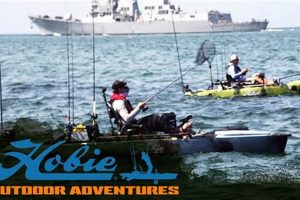
Tip 6: Utilize a Paddle or Pedal Kayak. Both paddle and pedal-powered kayaks offer advantages. Paddle kayaks are quieter and often more affordable, while pedal kayaks allow hands-free fishing and easier navigation against currents or wind.
Tip 7: Hire a Guide (Optional). Consider hiring a local fishing guide for those unfamiliar with the area. Guides offer valuable insights into productive fishing spots, effective techniques, and local regulations.
Adhering to these guidelines promotes a safe, enjoyable, and sustainable fishing experience in Crystal River. Careful planning and responsible angling practices contribute to the preservation of this valuable natural resource.
The following section will conclude with a summary of key information and encourage responsible enjoyment of the Crystal River ecosystem.

Shallow water navigation forms a cornerstone of the kayak fishing experience in Crystal River, Florida. The region’s extensive network of shallow creeks, flats, and backwaters provides ideal habitat for a variety of fish species, but navigating these areas requires specialized watercraft. Kayaks, with their shallow drafts and maneuverability, excel in these environments, granting anglers access to productive fishing grounds often inaccessible to larger, deeper-hulled boats. This ability to navigate shallows opens opportunities to target species preferring these habitats, such as redfish tailing in mere inches of water or snook lurking beneath mangrove roots.
The shallow, clear waters of Crystal River also allow for sight fishing, a technique heavily reliant on the angler’s ability to quietly and precisely position the kayak. Stealthy maneuvering in shallow areas is essential to avoid spooking fish. Kayaks offer an advantage in this regard, producing minimal disturbance compared to motorized vessels. For example, anglers can silently drift across grass flats, observing fish behavior and casting lures with precision. Furthermore, kayaks enable anglers to exploit tight channels and narrow passages within the mangrove forests, areas rich with fish but inaccessible to other boat types. This advantage significantly expands fishing opportunities and contributes to the overall success of kayak angling in the region.
Mastery of shallow water navigation techniques, including efficient paddling, understanding tides and currents, and interpreting nautical charts, contributes significantly to a productive and enjoyable kayak fishing experience in Crystal River. Challenges such as navigating oyster beds or avoiding submerged obstacles can arise, emphasizing the importance of careful observation and boat control. The ability to navigate shallow water effectively not only maximizes fishing success but also enhances safety, minimizes environmental impact, and allows for a closer connection with the natural environment. This proficiency is central to experiencing the unique fishery Crystal River offers.
2. Abundant Fish Species

The abundance and diversity of fish species in Crystal River, Florida, significantly contribute to its popularity as a kayak fishing destination. The unique ecosystem, encompassing freshwater springs, saltwater estuaries, and coastal marshes, supports a wide range of game fish, attracting anglers seeking diverse fishing opportunities. This variety allows for targeting different species throughout the year, catering to varying skill levels and angling preferences.
- Inshore Saltwater Species
Crystal River’s brackish waters harbor popular inshore species such as redfish, snook, and spotted seatrout. Redfish are known for their powerful runs and tailing behavior in shallow flats, offering exciting sight-fishing opportunities. Snook, often found near structures like mangroves and docks, provide a challenging angling experience. Spotted seatrout, prized for their table fare, inhabit grassy flats and offer consistent action. Kayak anglers can effectively target these species by utilizing techniques tailored to their specific habitats and feeding patterns.
- Freshwater Species
The freshwater springs and rivers feeding into Crystal River support healthy populations of largemouth bass, providing excellent freshwater fishing experiences. These bass thrive in the clear, spring-fed waters, often lurking near vegetation and submerged logs. Kayak anglers can utilize artificial lures or live bait to target these sought-after game fish. The constant temperature of the spring water ensures year-round fishing opportunities.
- Seasonal Variations
Fish species distribution and behavior in Crystal River fluctuate seasonally. Certain species, like tarpon, migrate through the area during specific times of the year, creating unique angling opportunities. Understanding these seasonal variations and adjusting fishing techniques accordingly contributes to successful kayak angling. Local knowledge regarding seasonal fish movements is valuable for maximizing catch rates.
- Ecosystem Interdependence
The abundance of fish species in Crystal River reflects the health and complexity of the local ecosystem. The diverse habitats, including seagrass beds, oyster reefs, and mangrove forests, provide essential nursery and feeding grounds. Responsible angling practices, such as catch-and-release and habitat preservation, are crucial for maintaining the delicate balance within this ecosystem and ensuring the continued abundance of fish species.
The diversity and abundance of fish species in Crystal River contribute significantly to its appeal as a premier kayak fishing destination. The ability to target a variety of species in diverse habitats provides a unique and rewarding angling experience, attracting both seasoned anglers and newcomers alike. Understanding the specific characteristics and behaviors of these fish species, along with the seasonal variations and ecosystem dynamics, further enhances fishing success and promotes responsible angling practices within this valuable natural resource.
3. Protected Waters

The protected waters of Crystal River, Florida, play a crucial role in the overall kayak fishing experience. These designated areas, encompassing various habitats like spring-fed rivers, estuaries, and coastal marshes, offer unique advantages for anglers. Protection from strong currents and open sea conditions creates a calmer environment conducive to kayak fishing, particularly for less experienced paddlers. Furthermore, these protected zones often serve as vital nursery grounds for various fish species, contributing to a healthy and diverse fish population, enhancing angling opportunities.
- Reduced Impact of Weather
Protected waters offer a buffer against harsh weather conditions, making kayak fishing more accessible and enjoyable. Areas sheltered by barrier islands or within river systems experience reduced wave action and wind exposure compared to open ocean environments. This stability allows for safer and more comfortable kayak fishing, especially during periods of inclement weather. Anglers can confidently venture out in kayaks, even on days less suitable for other types of watercraft.
- Habitat Preservation
The designation of protected waters in Crystal River contributes significantly to habitat preservation. Regulations within these zones often restrict motorized boat traffic or limit development, minimizing disturbances to sensitive ecosystems like seagrass beds and mangrove forests. These habitats provide crucial nursery and feeding grounds for various fish species, supporting a thriving fish population and enhancing the overall kayak fishing experience. The preservation of these habitats ensures a healthy and sustainable fishery for future generations.
- Enhanced Fish Populations
Protected waters often function as sanctuaries for fish, fostering healthy populations and increasing angling opportunities. Regulations within these zones may include restrictions on fishing gear or limits on harvesting certain species, allowing fish populations to thrive. This abundance of fish, combined with the calm water conditions, creates ideal circumstances for kayak anglers to target a variety of species. The protected status contributes to a more productive and rewarding fishing experience.
- Accessibility for Kayak Anglers
The calm and predictable nature of protected waters creates an ideal environment for kayak angling. The absence of strong currents and large waves facilitates easier navigation and maneuverability, making these areas accessible to anglers of varying skill levels. This accessibility, combined with the rich biodiversity fostered by protected environments, makes kayak fishing in Crystal River a popular activity for both novice and experienced anglers. The protected nature of the waters enhances safety and allows anglers to focus on the fishing experience.
The presence of protected waters in Crystal River is integral to the success and enjoyment of kayak fishing. These areas offer not only enhanced fishing opportunities due to healthy fish populations but also a safer and more accessible environment for kayak anglers. The preservation of these protected zones ensures the long-term health of the ecosystem and the sustainability of this valuable recreational fishery.
4. Essential Equipment

Appropriate equipment selection significantly impacts the safety and success of kayak fishing excursions in Crystal River, Florida. The unique environment, characterized by shallow waters, diverse fish species, and the presence of protected wildlife, necessitates specific gear choices. Understanding the function and importance of essential equipment allows anglers to prepare adequately, maximize their fishing experience, and prioritize safety.
- Kayak Selection
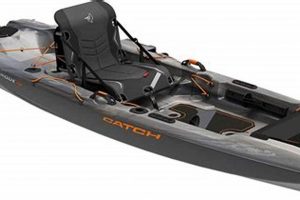
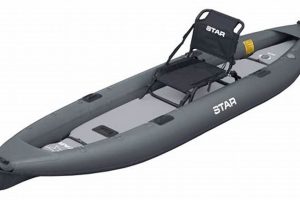
Kayak choice depends on individual preferences and fishing style. Sit-on-top kayaks are popular for their stability and ease of re-entry in the event of a capsize, particularly beneficial in the warm Florida waters. Sit-in kayaks offer greater protection from the elements and increased storage capacity. Consider factors like length, width, and weight capacity when selecting a kayak suitable for Crystal River conditions and the angler’s physical capabilities. Pedal-driven kayaks provide hands-free fishing, beneficial for specific techniques, while paddle kayaks offer greater maneuverability in shallow, vegetated areas. Proper kayak selection contributes significantly to comfort and efficiency on the water.
- Paddle/Pedal Drive
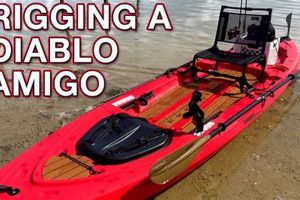
Efficient propulsion is essential for covering water and reaching desired fishing locations. A well-designed paddle, appropriately sized for the angler and kayak, minimizes fatigue and maximizes paddling efficiency. Pedal drives offer an alternative propulsion method, freeing hands for fishing and allowing for greater speed and endurance. Regular maintenance and understanding proper paddling or pedaling techniques enhance overall performance and enjoyment on the water.
- Safety Gear
Prioritizing safety is paramount in any kayak fishing excursion. A personal flotation device (PFD) is a mandatory piece of equipment and should be worn at all times. A whistle, signaling device, and a waterproof communication device are essential for emergencies. Carrying a first-aid kit, sunscreen, and ample drinking water addresses basic health and safety needs. Informing someone of the planned fishing location and estimated return time further enhances safety precautions. Careful attention to safety considerations minimizes potential risks associated with kayak fishing.
- Fishing Tackle
Selecting appropriate fishing tackle depends on the targeted species and fishing techniques employed. Light to medium tackle is typically suitable for the species found in Crystal River. Rod and reel combinations should be balanced and durable. A selection of lures, hooks, lines, and weights appropriate for the target species allows anglers to adapt to varying fishing conditions. Live bait can be highly effective in certain situations. Proper tackle maintenance and organization within the kayak enhance efficiency and enjoyment.
Careful consideration of essential equipment contributes significantly to a successful and safe kayak fishing experience in Crystal River. Appropriate gear selection allows anglers to navigate the shallow waters effectively, target specific species, and prioritize safety. The unique environmental conditions and diverse fishing opportunities underscore the importance of proper preparation and equipment selection for an enjoyable and rewarding angling adventure.
5. Respectful Angling

Respectful angling practices are integral to the sustainability of the Crystal River ecosystem and the long-term enjoyment of kayak fishing in this unique environment. The shallow waters, diverse habitats, and presence of protected species underscore the importance of minimizing environmental impact. Respectful angling encompasses catch-and-release fishing, proper handling techniques, and adherence to local regulations. These practices contribute to the preservation of fish populations, the protection of sensitive habitats, and the overall health of the Crystal River ecosystem.
Catch-and-release fishing allows fish to reproduce and contribute to the overall health of the population. Careful handling techniques, such as minimizing air exposure and using appropriate de-hooking tools, reduce stress on fish and increase their chances of survival after release. Respect for local regulations regarding bag limits, size restrictions, and permitted fishing areas ensures sustainable fishing practices. Avoiding disturbing sensitive habitats like seagrass beds and mangrove forests preserves essential nursery and feeding grounds for various species. Proper disposal of fishing line and other waste prevents entanglement of wildlife and minimizes pollution. For example, discarding monofilament line in designated receptacles prevents entanglement of manatees and other marine animals. These collective actions contribute to the long-term health and viability of the Crystal River fishery.
Respectful angling in Crystal River ensures the continued enjoyment of this valuable natural resource. Minimizing environmental impact through sustainable fishing practices preserves the diverse fish populations and protects the delicate ecosystem. Adherence to these principles benefits not only the environment but also future generations of anglers, ensuring the opportunity to experience the unique kayak fishing opportunities Crystal River provides. The combination of responsible angling practices and the low-impact nature of kayak fishing contributes significantly to the long-term health and sustainability of this valuable ecosystem.
6. Wildlife Encounters
Wildlife encounters are an intrinsic aspect of the kayak fishing experience in Crystal River, Florida. The area’s rich biodiversity and protected waters create opportunities for close-range observation of various species, enriching the angling experience. The shallow draft and quiet operation of kayaks allow access to areas teeming with wildlife, often undisturbed by human presence. This proximity offers unique perspectives on the natural environment and its inhabitants, enhancing the overall appeal of kayak fishing in Crystal River.
The Crystal River National Wildlife Refuge, established to protect the endangered West Indian manatee, is a prime example of this integration of wildlife and angling. Kayak anglers frequently encounter manatees while navigating the shallow waters, providing remarkable opportunities for observation. However, these encounters necessitate responsible behavior. Maintaining a safe distance, avoiding sudden movements, and refraining from pursuing or harassing manatees are crucial for minimizing disturbance and respecting these vulnerable creatures. Similar considerations apply to interactions with other wildlife, such as wading birds, dolphins, and sea turtles. Understanding species-specific behaviors and sensitivities ensures minimal impact on their natural habits. For instance, recognizing nesting areas for birds and avoiding close approaches during breeding seasons safeguards their reproductive success. Respectful observation contributes to the preservation of the area’s biodiversity and enhances the overall experience for all.
The prevalence of wildlife encounters adds a unique dimension to kayak fishing in Crystal River. These experiences underscore the interconnectedness of the ecosystem and highlight the importance of responsible angling practices. Respectful observation contributes to wildlife conservation efforts and enhances the overall value of the kayak fishing experience. Appreciating the delicate balance within this environment fosters a deeper understanding of its ecological significance and promotes sustainable recreational activities. The potential for wildlife encounters, coupled with the area’s natural beauty and diverse fishery, solidifies Crystal River’s position as a premier kayak fishing destination.
Frequently Asked Questions
This FAQ section addresses common inquiries regarding kayak fishing in Crystal River, providing clarity on regulations, best practices, and relevant considerations.
Question 1: What are the licensing requirements for kayak fishing in Crystal River?
A valid Florida fishing license is required for residents and non-residents. Specific license requirements vary depending on age and residency status. Consult the Florida Fish and Wildlife Conservation Commission (FWC) website for detailed information and to obtain the appropriate license.
Question 2: Are there specific launch sites recommended for kayak anglers in Crystal River?
Several public boat ramps and kayak launch sites provide access to Crystal River. Hunter Springs Park, Kings Bay Park, and Fort Island Gulf Beach are popular options. Researching launch sites in advance helps determine suitability based on desired fishing locations and access to amenities.
Question 3: What are the primary target species for kayak anglers in Crystal River?
Crystal River offers diverse fishing opportunities. Redfish, snook, spotted seatrout, and largemouth bass are popular targets. Other species, like tarpon and cobia, may be seasonally available. Understanding species-specific habits and preferred habitats enhances fishing success.
Question 4: What safety precautions should kayak anglers observe in Crystal River?
Wearing a personal flotation device (PFD) is essential. Checking weather forecasts and tide charts before embarking ensures preparedness for changing conditions. Informing someone of planned fishing locations and expected return times enhances safety. Carrying a communication device and signaling equipment is recommended.
Question 5: How can kayak anglers minimize their environmental impact in Crystal River?
Practicing catch-and-release fishing helps maintain fish populations. Careful handling of fish minimizes stress and increases survival rates after release. Proper disposal of fishing line and other waste prevents pollution and protects wildlife. Respecting designated no-fishing zones and manatee protection areas preserves sensitive habitats.
Question 6: Are guided kayak fishing tours available in Crystal River?
Numerous local guides offer kayak fishing tours in Crystal River. Guided tours provide valuable insights into local fishing spots, effective techniques, and relevant regulations. Consider hiring a guide, particularly if unfamiliar with the area or seeking specialized fishing experiences.
Careful planning and responsible angling practices contribute to enjoyable and sustainable kayak fishing experiences in Crystal River. Adhering to regulations, respecting wildlife, and minimizing environmental impact ensures the preservation of this valuable natural resource.
The following section offers concluding remarks regarding kayak fishing in Crystal River.
Kayak Fishing Crystal River Florida
Exploration of kayak fishing within Crystal River, Florida, reveals a unique convergence of natural beauty, diverse angling opportunities, and the importance of environmental stewardship. The shallow, protected waters offer ideal conditions for kayak angling, providing access to a variety of habitats and fish species. From the pursuit of redfish in the shallow flats to targeting largemouth bass in the spring-fed rivers, Crystal River presents a dynamic and rewarding angling experience. Furthermore, the presence of protected wildlife, notably the West Indian manatee, underscores the ecological significance of this region and the responsibility anglers bear in preserving its delicate balance. Successful kayak fishing in Crystal River necessitates careful preparation, including appropriate equipment selection, understanding local regulations, and employing respectful angling practices.
The future of kayak fishing in Crystal River rests upon the continued commitment to sustainable practices. Respect for the environment, adherence to regulations, and responsible interactions with wildlife are essential for preserving this valuable resource. Kayak anglers possess a unique opportunity to experience the natural beauty of Crystal River while contributing to its long-term health and ensuring future generations can enjoy the same rewarding angling experiences. The combination of skillful angling and environmental stewardship defines the essence of kayak fishing in Crystal River, Florida, securing its place as a cherished destination for anglers seeking both adventure and connection with the natural world.