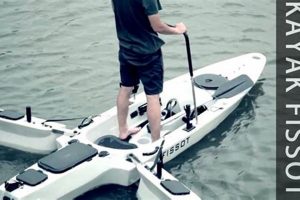
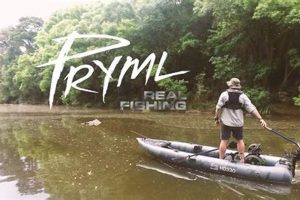
The North Carolina coast offers a unique and rewarding experience for anglers using small, human-powered vessels. This style of fishing allows for access to shallow-water areas often unreachable by larger boats, including sounds, estuaries, and marshes teeming with diverse fish species. Imagine gliding through serene waters, casting lines near the shoreline, and experiencing the thrill of a catch in a pristine natural setting. This immersive experience is precisely what draws many to the sport.
This activity contributes significantly to the coastal economy through tourism and related industries. Its low environmental impact compared to motorized boating makes it a sustainable recreational pursuit. Historically, small boats have played a crucial role in the region’s fishing traditions, and the modern iteration maintains a connection to this heritage while embracing contemporary techniques and equipment. This blend of tradition and innovation enhances the appeal for both seasoned anglers and newcomers.
The following sections delve deeper into specific aspects of this popular pastime, covering topics such as suitable locations, necessary gear, optimal techniques, and relevant regulations. Further exploration will also encompass the variety of fish species commonly targeted, safety considerations for navigating coastal waters, and the growing community surrounding this rewarding outdoor activity.
Tips for Coastal Kayak Angling in North Carolina
Careful planning and preparation are essential for a successful and enjoyable fishing excursion from a kayak along the North Carolina coast. These tips offer valuable insights for both novice and experienced anglers.
Tip 1: Check Weather and Tide Charts: Coastal conditions can change rapidly. Consulting marine forecasts and understanding tidal influences are crucial for safety and effective fishing. Strong winds and currents can significantly impact kayak handling.
Tip 2: Choose Appropriate Launch Sites: Selecting a suitable launch location based on water conditions and desired fishing areas is paramount. Protected areas offer calmer launches, while more exposed areas may require greater experience.
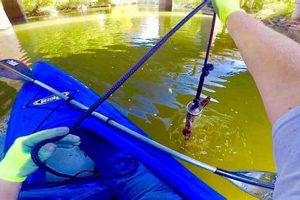
Tip 3: Utilize Proper Safety Gear: A personal flotation device (PFD) is mandatory. A whistle, signaling device, and first-aid kit are also essential for safety. A leash connecting the paddle to the kayak prevents loss in rough conditions.
Tip 4: Employ Effective Fishing Techniques: Understanding the target species’ habits and preferred baits is essential. Techniques like drift fishing, anchoring, and trolling can be adapted for kayak fishing.
Tip 5: Respect Wildlife and the Environment: Practice catch-and-release whenever possible to conserve fish populations. Properly dispose of fishing line and other waste to maintain a clean and healthy ecosystem.
Tip 6: Familiarize oneself with Local Regulations: Understanding licensing requirements and size/catch limits for various species ensures legal compliance and promotes sustainable fishing practices.
Tip 7: Consider a Guided Trip: For newcomers, a guided trip offers valuable instruction and local knowledge, enhancing the overall experience and promoting safety.
By adhering to these guidelines, anglers can maximize their chances of a productive and enjoyable experience while prioritizing safety and environmental responsibility.
With these essential tips in mind, the subsequent section will explore the rich diversity of fish species inhabiting North Carolina’s coastal waters.
1. Location Selection

Strategic location selection is paramount for a successful kayak fishing excursion along the North Carolina coast. The diverse coastline offers a range of environments, from tranquil sounds and estuaries to dynamic inlets and nearshore ocean waters. Each location presents unique opportunities and challenges, influencing species availability, tidal currents, and overall safety. Choosing a location aligned with skill level, target species, and prevailing conditions is crucial. For example, the calmer waters of the Albemarle Sound are well-suited for beginners targeting red drum, while experienced anglers seeking spanish mackerel might venture into the more challenging waters near Cape Hatteras. Careful consideration of launch sites within a chosen location is also essential, prioritizing protected areas during periods of strong winds or currents.
Factors influencing location choice extend beyond mere species presence. Water clarity, depth, and structure like oyster beds or grass flats play significant roles. Understanding how these elements interact with tides and currents enhances angling prospects. For instance, fishing near inlets during an outgoing tide can concentrate baitfish and attract predatory species. Similarly, exploring shallow grass flats during a flood tide can provide access to feeding flounder. Access points, parking availability, and potential hazards like boat traffic or submerged obstacles further refine location decisions. Thorough research utilizing nautical charts, local fishing reports, and online resources provides invaluable insights for informed choices.
Ultimately, effective location selection optimizes the kayak fishing experience. Matching skill level and desired fishing style with appropriate locations enhances safety and increases the likelihood of success. Leveraging knowledge of local ecosystems, tidal influences, and potential hazards empowers anglers to make informed decisions. Such informed choices contribute significantly to a productive and enjoyable outing, fostering a deeper appreciation for the diverse coastal environments of North Carolina.
2. Equipment Essentials

Specialized equipment plays a crucial role in successful kayak fishing along the North Carolina coast. The right gear enhances safety, improves fishing effectiveness, and contributes to a more comfortable and enjoyable experience. Selecting appropriate equipment requires careful consideration of the specific conditions encountered in this coastal environment, including saltwater exposure, varying weather patterns, and the target species pursued.
- Kayak Selection
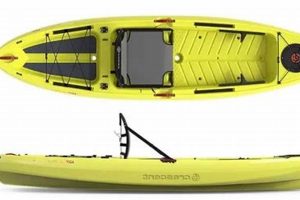
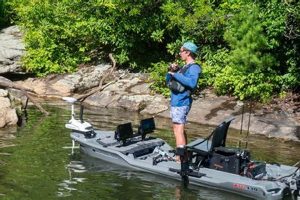
Kayak choice hinges on factors such as stability, maneuverability, and storage capacity. Shorter, wider kayaks offer enhanced stability for beginners, while longer, narrower designs provide greater speed and efficiency for covering larger areas. Sit-on-top kayaks are favored for their self-bailing capabilities and ease of re-entry in the event of a capsize. Features like rod holders, anchor trolleys, and storage compartments further enhance fishing functionality. Specialized fishing kayaks often incorporate these features, optimizing the angling experience.
- Paddle Choice
An efficient and comfortable paddle is essential for covering distances and maneuvering effectively. Paddle length depends on factors like kayak width and paddler height. Lightweight paddles reduce fatigue during long outings. Durable materials like fiberglass or carbon fiber offer optimal performance and longevity in saltwater environments.
- Safety Gear
Personal flotation devices (PFDs) are mandatory and should be worn at all times. A whistle, signaling device, and waterproof first-aid kit are essential safety items. A leash connecting the paddle to the kayak prevents loss in rough conditions. A VHF radio enables communication in emergencies. Navigation lights are crucial for low-light conditions. These precautions enhance safety and preparedness for unforeseen circumstances.
- Fishing Tackle
Rods, reels, and tackle should be selected based on the target species. Lighter tackle is suitable for species like speckled trout and flounder, while heavier gear is necessary for larger fish like red drum or cobia. Saltwater-resistant reels and corrosion-resistant hooks are essential for longevity in the coastal environment. A variety of lures, baits, and rigs cater to different fishing techniques and target species.
The proper selection and utilization of these essential equipment components contribute significantly to a safe, productive, and enjoyable kayak fishing experience along the North Carolina coast. Investing in quality gear tailored to the specific demands of this environment enhances angling success and ensures preparedness for the challenges and opportunities presented by these dynamic coastal waters.
3. Safety Precautions

Navigating the dynamic coastal waters of North Carolina in a kayak presents inherent risks that necessitate meticulous attention to safety precautions. These precautions are not mere suggestions but essential practices for mitigating potential hazards and ensuring a safe and enjoyable fishing experience. The following facets highlight critical safety considerations specific to kayak fishing along the North Carolina coast.
- Personal Flotation Devices (PFDs)
Wearing a properly fitted PFD is paramount. North Carolina law mandates PFD usage for all kayak occupants. Beyond legal requirements, a PFD provides essential buoyancy in the event of a capsize, significantly increasing survival chances in cold water or rough conditions. Selecting a comfortable, well-maintained PFD designed for paddling enhances both safety and comfort. Automatic inflatable PFDs offer greater freedom of movement while providing crucial flotation when activated.
- Weather Awareness and Monitoring
Coastal weather conditions can change rapidly. Checking marine forecasts before embarking on a fishing trip is crucial. Monitoring weather radar during the outing provides real-time updates on approaching storms or changing wind conditions. Strong winds, lightning, and sudden temperature drops pose significant threats to kayakers. Postponing or shortening trips due to adverse weather demonstrates prudent decision-making that prioritizes safety.
- Navigation and Communication
Carrying a nautical chart, compass, or GPS device aids navigation, especially in unfamiliar waters or areas with limited visibility. A VHF radio enables communication with the Coast Guard or other boaters in emergencies. A charged mobile phone in a waterproof case provides an additional communication option. Informing someone onshore of the intended fishing location and estimated return time adds another layer of safety.
- Kayak Handling and Self-Rescue
Understanding basic kayak handling skills, including paddling techniques and maneuvering in currents and wind, is essential. Practicing self-rescue techniques, such as re-entering a capsized kayak, in calm water prepares anglers for potential emergencies. Carrying a bilge pump or sponge helps remove water from the kayak after a capsize or wave intrusion. These skills and tools enhance self-sufficiency and preparedness in challenging situations.
Adhering to these safety precautions is not merely a matter of compliance but a demonstration of responsible seamanship. Prioritizing safety enhances the overall kayak fishing experience, allowing anglers to focus on the enjoyment of the sport while minimizing risks associated with the dynamic coastal environment of North Carolina.
4. Target Species
The diverse fish species inhabiting North Carolina’s coastal waters present a wealth of opportunities for kayak anglers. Understanding the habits, habitats, and seasonal patterns of these target species is crucial for a successful and rewarding fishing experience. Matching fishing techniques and tackle to the specific characteristics of desired species significantly increases the likelihood of a successful catch. The following facets explore key target species and their relevance to kayak fishing along the North Carolina coast.
- Red Drum (Redfish)
Red drum, often called redfish, are a popular target due to their fighting spirit and prevalence in inshore waters easily accessible by kayak. They inhabit shallow estuaries, marshes, and sounds, feeding on crustaceans, small fish, and mollusks. Their copper-red coloration and distinctive black spot near the tail base make them easily identifiable. Kayak anglers often target red drum using live bait, artificial lures, or cut bait, employing techniques such as sight fishing in shallow flats or drifting along channels and oyster beds.
- Speckled Trout (Spotted Seatrout)
Speckled trout, another prized inshore species, thrive in grassy flats, oyster bars, and deeper channels. These ambush predators feed primarily on shrimp, small fish, and crabs. Their distinctive speckled pattern and silver sides make them a readily identifiable target. Kayak anglers commonly use topwater lures, soft plastics, or live bait to entice speckled trout, often focusing their efforts around structure and changes in depth.
- Flounder (Summer Flounder)
Flounder, known for their flat, bottom-dwelling nature, are a popular target for kayak anglers seeking a delicious table fare. They inhabit sandy or muddy bottoms, camouflaging themselves to ambush prey such as small fish and crustaceans. Their unique sideways swimming motion and ability to change color make them a fascinating species to pursue. Kayak anglers often target flounder using live bait or jigs bounced along the bottom, focusing their efforts in shallow, sandy areas.
- Spanish Mackerel
Spanish mackerel offer exciting near-shore fishing opportunities for kayak anglers. These fast-swimming predators patrol the waters near beaches, inlets, and reefs, feeding on smaller fish. Their silver bodies and sharp teeth make them readily identifiable. Kayak anglers typically target Spanish mackerel by trolling small spoons or jigs, often focusing their efforts around baitfish schools or near-shore structure.
Targeting these and other species from a kayak offers a unique and rewarding angling experience along the North Carolina coast. Understanding the specific characteristics and preferred habitats of each target species enhances angling success. Combining this knowledge with appropriate tackle, techniques, and a respect for conservation regulations ensures a sustainable and enjoyable fishing experience.
5. Fishing Techniques
Effective fishing techniques are essential for maximizing success while kayak fishing along the North Carolina coast. Adapting traditional fishing methods to the unique characteristics of kayak angling requires specialized approaches and considerations. The following facets explore key fishing techniques relevant to this specific coastal environment.
- Drift Fishing
Drift fishing allows anglers to cover a wider area by utilizing natural currents and wind to propel the kayak. This technique is particularly effective in estuaries, sounds, and tidal creeks where currents distribute baitfish and attract predatory species. Anglers can employ various rigs and baits while drifting, including live bait, jigs, or soft plastics. Controlling drift speed and direction using a drift sock or anchor is crucial for maintaining optimal fishing presentation and targeting specific areas.
- Anchoring and Bottom Fishing
Anchoring provides stability and allows anglers to target specific structures or areas holding fish. This technique is particularly effective for bottom-dwelling species like flounder or black drum. Positioning the kayak up-current of the target area ensures that bait or lures drift naturally towards the desired location. Selecting appropriate anchor type and deployment method based on bottom composition and water depth is crucial for secure anchoring.
- Trolling
Trolling involves dragging lures or baits behind a moving kayak. This technique is effective for covering larger areas and targeting pelagic species like Spanish mackerel, bluefish, or kingfish. Adjusting trolling speed and lure depth based on the target species and water conditions is essential for attracting strikes. Utilizing rod holders and a trolling motor, if permitted and appropriate for the kayak, enhances trolling efficiency.
- Sight Fishing
Sight fishing involves actively searching for fish in shallow water and casting lures or baits directly to them. This technique requires keen observation and stealthy kayak maneuvering to avoid spooking fish. Polarized sunglasses enhance visibility beneath the water’s surface. Sight fishing is particularly effective for targeting red drum in shallow flats or tailing fish in the marshes. Accurate casting and precise lure presentation are crucial for success with this technique.
Adapting these fishing techniques to the specific conditions encountered in North Carolina’s coastal waters, including tidal currents, wind patterns, and target species behavior, enhances angling success. Mastering these techniques allows kayak anglers to effectively explore the diverse fishing opportunities presented by this dynamic coastal environment.
6. Regulations/Licensing
Adhering to North Carolina’s fishing regulations and licensing requirements is essential for the sustainable management of coastal fisheries and the preservation of angling opportunities. Regulations govern size and catch limits for various species, protecting vulnerable populations and maintaining healthy ecosystems. Licensing fees directly support conservation efforts, including habitat restoration and fish stocking programs. These regulations apply equally to all anglers, including those fishing from kayaks. Ignorance of these regulations is not a valid defense against penalties, which can include fines and suspension of fishing privileges. Specific regulations pertain to protected species, such as sea turtles and marine mammals, prohibiting interactions that could cause harm or disturbance. Understanding and complying with these regulations demonstrates responsible angling practices and contributes to the long-term health of North Carolina’s coastal fisheries.
Obtaining the appropriate fishing license prior to embarking on a kayak fishing trip is crucial. Different license types exist depending on residency status, fishing duration, and targeted areas (coastal, inland, or joint). Licenses can be purchased online, at authorized retail locations, or through the North Carolina Wildlife Resources Commission. Carrying a valid license while fishing is mandatory, and failure to produce a license upon request from law enforcement can result in penalties. Regulations also dictate permissible fishing gear and methods, including restrictions on certain types of nets, traps, and fishing lines. For example, specific areas may prohibit the use of treble hooks or mandate the use of circle hooks to minimize injury to released fish. Familiarization with these gear restrictions ensures compliance and promotes ethical angling practices.
Comprehending and respecting these regulations contributes significantly to the sustainability of North Carolina’s coastal fisheries. By adhering to size and catch limits, anglers protect breeding populations and allow fish stocks to replenish. Supporting conservation efforts through licensing fees ensures the long-term health and viability of these valuable resources. Ultimately, responsible angling practices benefit both the environment and the angling community, preserving the enjoyment of kayak fishing for future generations. Regularly consulting the North Carolina Wildlife Resources Commission’s website or contacting local fisheries offices ensures access to the most up-to-date regulations and licensing information, fostering responsible and sustainable angling practices.
7. Environmental Awareness

Maintaining the pristine coastal ecosystems of North Carolina is crucial for the continued enjoyment of kayak fishing. Environmental awareness among anglers plays a vital role in minimizing the impact of this recreational activity and preserving the natural resources that support it. Understanding the interconnectedness of coastal environments and the potential consequences of human actions underscores the importance of responsible angling practices. The following facets delve into specific components of environmental awareness relevant to kayak fishing along the North Carolina coast.
- Leave No Trace Principles
Practicing Leave No Trace principles minimizes human impact on the environment. Packing out all trash, including fishing line and discarded tackle, prevents pollution and protects wildlife. Avoiding disturbing vegetation or wildlife habitats maintains the integrity of these sensitive ecosystems. Minimizing campfire impacts, where permitted, reduces the risk of wildfires and habitat destruction. These practices ensure that kayak fishing areas remain pristine for future generations.
- Responsible Waste Disposal
Proper disposal of fishing line and other plastic waste is critical for preventing entanglement of marine animals and seabirds. Discarded fishing line poses a significant threat to these animals, causing injuries, entanglement, and even death. Utilizing designated disposal receptacles or packing out all waste ensures that these materials do not enter the marine environment. Participating in local cleanup efforts further contributes to maintaining healthy coastal ecosystems.
- Respect for Wildlife and Habitats
Observing wildlife from a respectful distance avoids disturbing their natural behaviors and breeding patterns. Resisting the urge to feed or interact directly with wildlife prevents habituation and maintains their wild instincts. Respecting nesting areas and avoiding sensitive habitats during breeding seasons protects vulnerable populations. These practices promote a healthy coexistence between humans and wildlife, ensuring the long-term viability of coastal ecosystems.
- Catch and Release Practices
Employing proper catch and release techniques minimizes stress and injury to released fish, promoting their survival. Using appropriate tackle, minimizing handling time, and avoiding contact with gills and eyes reduces the likelihood of harm. Reviving exhausted fish before release ensures their successful return to the ecosystem. These practices contribute to maintaining healthy fish populations and preserving the quality of the kayak fishing experience.
Integrating these principles of environmental awareness into kayak fishing practices along the North Carolina coast ensures the sustainability of this recreational activity. By minimizing human impact and promoting responsible interactions with the environment, anglers contribute to the long-term health and vitality of these coastal ecosystems, preserving the beauty and bounty of these natural resources for future generations.
Frequently Asked Questions
Addressing common inquiries regarding kayak fishing along the North Carolina coast provides clarity for both novice and experienced anglers. Understanding these frequently asked questions enhances preparedness and promotes responsible angling practices.
Question 1: What are the licensing requirements for kayak fishing in North Carolina coastal waters?
A valid North Carolina Coastal Recreational Fishing License is required for individuals aged 16 and older. Specific regulations apply to residents and non-residents, with various license durations available.
Question 2: What essential safety gear should one carry while kayak fishing along the NC coast?
Essential safety gear includes a properly fitted personal flotation device (PFD), a whistle, a visual signaling device, a first-aid kit, and a communication device such as a VHF radio or a mobile phone in a waterproof case.
Question 3: Where are suitable launch sites for kayaks along the North Carolina coast?
Suitable launch sites vary depending on targeted fishing areas and prevailing conditions. Public boat ramps, designated kayak launch areas within parks, and secluded beaches offer access points. Local knowledge and online resources provide valuable information regarding suitable launch locations.
Question 4: What fish species are commonly targeted by kayak anglers along the NC coast?
Commonly targeted species include red drum, speckled trout, flounder, Spanish mackerel, bluefish, and striped bass. Specific species availability varies depending on location, season, and prevailing environmental conditions.
Question 5: What are the recommended fishing techniques for kayak angling in this region?
Recommended techniques include drift fishing, anchoring and bottom fishing, trolling, and sight fishing. Adapting these techniques to specific target species and prevailing conditions enhances angling success.
Question 6: What environmental considerations are important for kayak anglers along the North Carolina coast?
Minimizing environmental impact through responsible waste disposal, adherence to Leave No Trace principles, respect for wildlife and their habitats, and practicing proper catch and release techniques contribute to preserving the coastal ecosystem.
Careful consideration of these frequently asked questions enhances preparedness, promotes responsible angling, and contributes to a safer and more enjoyable kayak fishing experience along the North Carolina coast. Further research and consultation with local resources provide valuable insights tailored to specific locations and target species.
Beyond these frequently asked questions, exploring additional resources such as local fishing reports, tide charts, and nautical maps further enhances preparedness and maximizes the potential for a successful and rewarding kayak fishing experience.
Kayak Fishing NC Coast
This exploration has highlighted the multifaceted nature of kayak fishing along the North Carolina coast. From the strategic selection of locations and essential equipment to the nuanced understanding of target species and effective fishing techniques, each aspect contributes to a rewarding and sustainable angling experience. Safety precautions, adherence to regulations, and a deep respect for the environment underscore the responsible angler’s commitment to preserving this valuable coastal resource. The dynamic interplay of these elements defines the essence of kayak fishing in this unique environment.
The North Carolina coast offers exceptional opportunities for anglers seeking an immersive and accessible fishing experience. Continued exploration of this dynamic coastal environment, coupled with a commitment to responsible angling practices, will ensure the preservation of this valuable resource for generations to come. The future of kayak fishing along the North Carolina coast rests on the collective stewardship of those who appreciate its unique challenges and rewards.