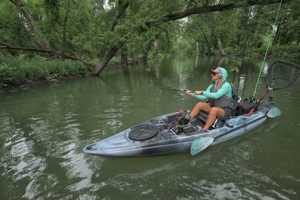
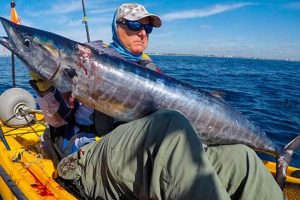
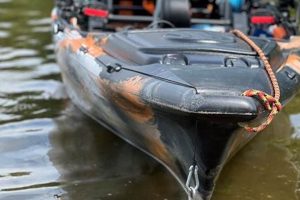
Angling from a small, human-powered watercraft on Lake Norman offers a unique blend of sport and connection with nature. This approach allows anglers to access shallow coves and tributaries often unreachable by larger motorized boats, providing opportunities to target diverse fish species in a variety of habitats. The quiet, non-motorized approach can also be less disruptive to fish behavior, potentially increasing catch rates.
This activity has grown in popularity due to factors such as increased accessibility of specialized kayaks designed for fishing, a growing interest in outdoor recreation, and the recognized environmental benefits of human-powered watercraft. Lake Normans expansive size and diverse fish populations make it a particularly attractive destination for this type of fishing. Historically, small boats have always played a role in fishing on the lake, but modern kayaks offer increased stability, storage, and specialized features catered to anglers.
This article will explore specific techniques, equipment recommendations, ideal locations, and relevant regulations for enjoying a successful and rewarding fishing experience on Lake Norman from a kayak. It will also touch on the importance of safety and conservation practices for preserving this valuable resource for future generations.
Tips for Kayak Fishing on Lake Norman
Successful angling from a kayak on Lake Norman requires preparation and an understanding of specific techniques. The following tips can enhance safety and improve the overall experience.
Tip 1: Plan the Trip Carefully: Check weather forecasts, water conditions, and sunrise/sunset times before departure. Inform someone of the planned route and estimated return time. Carry a map or chart of the lake, particularly if unfamiliar with the area.
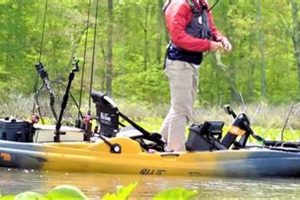
Tip 2: Choose Appropriate Equipment: Utilize a kayak designed for stability and outfitted for fishing. Essential equipment includes a paddle, personal flotation device (PFD), rod holders, and tackle storage. A fish finder and anchor can significantly enhance fishing success.
Tip 3: Prioritize Safety: Always wear a PFD. Carry a whistle, signaling device, and basic first-aid kit. Be aware of other boat traffic and maintain a safe distance. Understand and adhere to all applicable boating regulations.
Tip 4: Target Specific Species: Research prevalent fish species in Lake Norman and select appropriate tackle and bait. Common targets include bass, crappie, catfish, and striped bass. Varying retrieval techniques can improve catch rates.
Tip 5: Explore Different Locations: Lake Norman offers diverse habitats, from shallow coves to deeper channels. Experiment with different locations to discover productive fishing spots. Consider using online resources or local fishing reports to identify promising areas.
Tip 6: Practice Catch and Release: Employ proper handling techniques to minimize stress on released fish. Use barbless hooks and wet hands before handling. Return fish to the water quickly and gently.
Tip 7: Respect the Environment: Pack out all trash and fishing line. Avoid disturbing natural habitats. Adhere to catch limits and size restrictions. Responsible angling ensures the preservation of Lake Norman’s resources.
By following these guidelines, anglers can maximize their chances of a successful and enjoyable experience while contributing to the long-term health of the lake’s ecosystem.
This information provides a starting point for planning a kayak fishing trip on Lake Norman. Further research and preparation can significantly contribute to a safe and rewarding outing.
1. Stable Kayak Selection

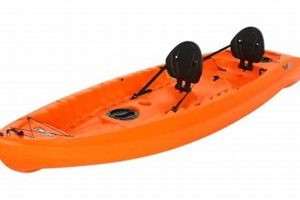
Stability is a paramount consideration when selecting a kayak for fishing on Lake Norman. The lake’s size and exposure to wind and boat wakes create conditions that can challenge kayak stability. An unstable platform compromises not only angler safety but also fishing effectiveness. Sudden movements can spook fish, while difficulty maintaining balance hinders casting accuracy and hook setting. Choosing a kayak with a wider hull, a lower center of gravity, and sufficient weight capacity significantly enhances stability in these conditions. For example, a sit-on-top kayak with a wide beam offers inherent stability, making it suitable for Lake Norman’s often choppy waters. Similarly, a sit-inside kayak designed for fishing often incorporates features that enhance stability, such as wider hulls and outriggers.
Beyond inherent design features, factors such as proper weight distribution within the kayak also contribute to stability. Distributing gear evenly and avoiding overloading the kayak are crucial for maintaining balance. Adding weight strategically, such as using a cooler filled with ice and drinks as ballast, can further enhance stability. Anglers should also consider their own body weight and balance when selecting a kayak, opting for a model that provides adequate support and stability for their individual needs. Practical experience gained through testing different kayak models in controlled environments can inform decision-making and improve angler comfort and confidence on the water.
Selecting a stable kayak platform is fundamental to a successful and safe fishing experience on Lake Norman. Prioritizing stability ensures angler safety in varying conditions, enhances fishing effectiveness by allowing for controlled movement and accurate casting, and contributes to a more enjoyable and productive outing. Understanding the relationship between kayak stability and the specific conditions encountered on Lake Norman empowers anglers to make informed decisions when choosing equipment, ultimately improving their overall fishing experience.
2. Essential fishing gear

Effective angling on Lake Norman from a kayak necessitates specialized equipment tailored to the environment and target species. Unlike fishing from larger boats or from shore, kayak fishing demands compact, easily accessible, and appropriately chosen gear. Rod and reel selection depends significantly on the targeted fish species. For example, bass fishing often requires a baitcasting or spinning rod and reel combo spooled with a line appropriate for the expected size of the fish. Targeting crappie, on the other hand, might involve lighter spinning tackle and smaller lures. Carrying a variety of lures and baits is also crucial. Lake Norman’s diverse fish populations respond to different presentations, from crankbaits and spinnerbaits for bass to jigs and minnows for crappie. Having a selection of options increases the likelihood of finding a successful combination. Furthermore, essential gear extends beyond rods, reels, and lures. Items like pliers for removing hooks, a sharp knife for cutting line, and a reliable fish finder for locating fish are crucial components of a well-equipped kayak fishing setup on Lake Norman.
Practical organization of this essential gear significantly impacts fishing efficiency and safety. Kayak anglers operate in a confined space, necessitating efficient storage and retrieval of equipment. Utilizing tackle boxes designed for kayaks, with specialized compartments and secure closures, keeps lures and terminal tackle organized and readily available. Rod holders mounted on the kayak provide secure storage for rods while paddling or fighting fish. Furthermore, attaching essential tools like pliers and knives to lanyards prevents loss overboard. Appropriate gear storage not only streamlines the fishing process but also contributes to angler safety by minimizing clutter and maximizing available space within the kayak. This careful organization allows for quick adjustments to changing fishing conditions and contributes to a more productive and enjoyable experience.
Understanding the essential fishing gear and its efficient organization within a kayak directly impacts angling success and safety on Lake Norman. Selecting appropriate rods, reels, and tackle tailored to target species maximizes catch potential. Organized storage streamlines the fishing process, while safety equipment enhances angler well-being. Careful consideration of these factors contributes to a rewarding and secure kayak fishing experience on Lake Norman.
3. Safety Precautions

Safety precautions are paramount when kayak fishing on Lake Norman. The lake’s size, fluctuating weather conditions, and presence of motorized watercraft necessitate careful planning and adherence to safety protocols. Neglecting these precautions can lead to serious consequences, ranging from equipment damage and minor injuries to life-threatening situations. A sudden shift in weather, for example, can create challenging paddling conditions, potentially capsizing a kayak. Similarly, failing to yield to larger vessels can result in collisions, posing significant risks to kayak anglers. Understanding and mitigating these risks are fundamental to a safe and enjoyable experience.
Several key safety measures apply specifically to kayak fishing on Lake Norman. Wearing a personal flotation device (PFD) is non-negotiable. Carrying a whistle, signaling device, and waterproof communication device are also essential. Checking weather forecasts before embarking and continuously monitoring conditions during the outing allows anglers to react to changing circumstances. Informing someone of the planned fishing route and estimated return time provides an additional layer of security. Furthermore, carrying a basic first-aid kit enables immediate response to minor injuries. These precautions are not merely suggestions but critical components of responsible kayak fishing practice on Lake Norman.
In conclusion, prioritizing safety precautions is integral to a successful and enjoyable kayak fishing experience on Lake Norman. The lake’s unique characteristics present specific challenges that require careful consideration. Implementing comprehensive safety measures, from wearing a PFD to monitoring weather conditions, mitigates risks and enhances angler well-being. Understanding the potential hazards and actively implementing preventative measures ensures a safer and more rewarding fishing experience, promoting the long-term enjoyment of this recreational activity.
4. Effective Fishing Techniques
Effective fishing techniques are crucial for successful kayak angling on Lake Norman. The lake’s diverse habitats and fish species necessitate adapting approaches to maximize catch rates. Understanding these techniques allows anglers to exploit specific environmental factors and fish behavior, leading to a more rewarding experience. This section explores key techniques relevant to kayak fishing on Lake Norman.
- Drift Fishing:
Drift fishing involves allowing the kayak to drift naturally with wind or current, presenting bait or lures to a wider area. This technique is particularly effective in Lake Norman’s coves and along its shoreline. Natural drifts mimic the movement of forage, attracting species such as crappie and bass. Using a drift sock can control the speed and direction of the drift, optimizing presentation in specific areas. Combining drift fishing with depth finders allows anglers to target fish holding at specific depths within the water column.
- Trolling:
Trolling from a kayak involves dragging lures or bait behind the moving vessel. This method covers a larger area than casting, increasing the chance of encountering active fish. On Lake Norman, trolling is effective for targeting striped bass and other pelagic species. Using different lures or varying trolling speeds can attract different species. Downriggers or planer boards can further refine trolling presentations by controlling lure depth and spread.
- Still Fishing:
Still fishing from a kayak involves anchoring or positioning the vessel in a stationary location and casting to specific targets. This technique is effective in areas with known fish-holding structures, such as submerged brush piles or drop-offs. On Lake Norman, still fishing is often employed for targeting catfish and bass around docks and bridges. Using live bait or bottom-rigged lures can be particularly effective in these situations. Quietly maintaining position is crucial to avoid spooking fish.
- Sight Casting:
Sight casting involves visually locating fish before casting a lure or bait. Lake Normans clear water in certain areas makes sight casting a viable technique, particularly in shallow coves. This approach requires stealth and accurate casting to avoid spooking the targeted fish. Polarized sunglasses enhance visibility by reducing surface glare, allowing anglers to spot fish more easily. Sight casting can be particularly exciting when targeting bass in shallow water.
Mastering these effective fishing techniques significantly improves angling success on Lake Norman. Adapting techniques based on target species, location, and prevailing conditions allows kayak anglers to exploit the lakes diverse fishing opportunities. Combining these methods with sound knowledge of fish behavior and habitat preferences enhances the overall kayak fishing experience, leading to increased catch rates and a greater appreciation for the sport.
5. Respectful Catch and Release
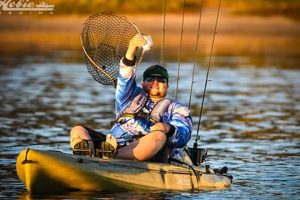
Respectful catch and release practices are integral to maintaining healthy fish populations and preserving the angling experience on Lake Norman. Kayak fishing, with its increasing popularity, places added pressure on these resources. Handling fish carefully and minimizing their time out of water significantly impacts their survival rates. The physical stress of being caught, combined with improper handling, can lead to injuries, infections, and physiological imbalances that diminish a fish’s ability to thrive after release. For example, holding a fish by its gills can damage delicate gill filaments, hindering respiration. Similarly, excessively squeezing a fish can damage internal organs. Using appropriate techniques, such as supporting the fish’s weight with wet hands and minimizing air exposure, promotes post-release survival.
The impact of catch and release practices extends beyond the immediate well-being of individual fish. Sustainable fisheries depend on healthy fish populations capable of reproduction and growth. Respectful catch and release contributes directly to this sustainability. Utilizing barbless hooks, for instance, makes hook removal quicker and less damaging, minimizing stress and injury to the fish. Promptly returning fish to the water, particularly in warmer temperatures, reduces the risk of oxygen deprivation. Furthermore, reviving exhausted fish by gently moving them back and forth in the water until they regain strength increases their chances of survival. These practices, when consistently applied by kayak anglers, contribute significantly to the long-term health and viability of Lake Norman’s fishery.
In summary, respectful catch and release is not merely an ethical consideration but a critical component of sustainable kayak fishing on Lake Norman. Understanding the physiological impact of capture and handling on fish informs responsible angling practices. Implementing proper techniques, such as using barbless hooks, minimizing air exposure, and supporting a fish’s weight correctly, directly contributes to post-release survival and the overall health of the fish population. This awareness and consistent application of respectful catch and release practices by kayak anglers ensures the continued enjoyment of this valuable resource for future generations.
6. Lake Norman Regulations

Adherence to Lake Norman regulations is essential for safe and legal kayak fishing. These regulations, established to ensure boater safety and protect the lake’s ecosystem, apply equally to all watercraft, including kayaks. Ignoring these rules can result in fines, legal repercussions, and negatively impact the shared environment. Understanding and complying with these regulations contributes to a safe and sustainable fishing experience.
- Licensing and Registration:
While non-motorized kayaks generally do not require registration in North Carolina, understanding licensing requirements for fishing is crucial. Anglers must possess a valid North Carolina fishing license to legally fish on Lake Norman. Different license types exist, including annual, short-term, and lifetime options, each with specific eligibility criteria. Obtaining the correct license ensures compliance and supports conservation efforts through funding generated from license sales.
- Navigational Rules and Safety Equipment:
Kayak anglers must adhere to established navigational rules on Lake Norman, such as maintaining safe distances from other vessels and yielding right-of-way as appropriate. Carrying required safety equipment, including a personal flotation device (PFD) for each person onboard, is mandatory. Sound-producing devices, like whistles, are also required for signaling in emergencies. Adhering to these rules enhances safety and reduces the risk of accidents on the water.
- Fishing Regulations:
Specific fishing regulations govern Lake Norman, including catch limits, size restrictions, and permitted fishing methods for different species. For example, certain species, like largemouth bass, may have minimum size limits and daily catch limits to ensure population sustainability. Certain types of fishing gear or bait may also be restricted. Staying informed about these species-specific regulations is the responsibility of each angler and ensures compliance with conservation efforts.
- Environmental Protection:
Regulations related to environmental protection on Lake Norman impact kayak anglers directly. Disposing of trash properly, avoiding littering, and refraining from disturbing natural habitats are essential. Regulations may also restrict the use of certain types of anchors or weights to prevent damage to the lake bed. Respecting these regulations contributes to the long-term preservation of Lake Norman’s ecosystem.
Complying with Lake Norman regulations ensures a legal, safe, and environmentally responsible kayak fishing experience. These rules, while potentially complex, contribute to the overall health of the lake and the sustainability of its fish populations. Understanding and adhering to these regulations is not just a legal obligation but a demonstration of respect for the shared resource and fellow lake users. By prioritizing compliance, kayak anglers contribute to the long-term preservation of Lake Norman’s recreational value.
7. Environmental Awareness

Environmental awareness plays a crucial role in sustainable kayak fishing on Lake Norman. The lake’s ecological health directly impacts the quality of the fishing experience. Degradation of water quality, loss of habitat, and declines in fish populations diminish recreational opportunities. Kayak anglers, through environmentally conscious practices, contribute directly to the preservation of this valuable resource. Understanding the interconnectedness of human actions and environmental consequences informs responsible angling practices. For example, discarded fishing line poses a significant threat to aquatic wildlife, while improper disposal of bait can introduce invasive species. Minimizing these impacts through mindful practices ensures the long-term health of the lake’s ecosystem.
Practical applications of environmental awareness within kayak fishing on Lake Norman are numerous. Carrying reusable water bottles and packing out all trash minimizes pollution. Using biodegradable sunscreen prevents chemical contamination of the water. Adhering to catch and release guidelines, employing barbless hooks, and minimizing fish handling time reduces stress on fish populations. Furthermore, participating in lake cleanup events or advocating for policies that protect water quality demonstrates a commitment to environmental stewardship. These actions, collectively, contribute to a healthier lake environment and enhance the long-term sustainability of kayak fishing.
In conclusion, environmental awareness is not merely an abstract concept but a practical necessity for sustainable kayak fishing on Lake Norman. The lake’s ecological well-being directly correlates with the quality of the angling experience. Kayak anglers, through informed choices and responsible actions, become stewards of this valuable resource. Embracing environmentally conscious practices, from minimizing pollution to promoting conservation efforts, ensures the continued enjoyment of kayak fishing on Lake Norman for future generations. The long-term health and viability of this recreational activity depend on the collective commitment to environmental awareness and responsible angling practices.
Frequently Asked Questions
This section addresses common inquiries regarding kayak fishing on Lake Norman, providing concise and informative responses to enhance angler understanding and preparedness.
Question 1: What are the primary target fish species for kayak anglers on Lake Norman?
Lake Norman offers diverse fishing opportunities. Common target species include largemouth bass, smallmouth bass, spotted bass, crappie, catfish, and striped bass. The specific species targeted often influences tackle choices, fishing locations, and techniques employed.
Question 2: Are there specific areas on Lake Norman recommended for kayak fishing?
While the entire lake offers fishing potential, certain areas are particularly well-suited for kayaks. The numerous coves and inlets provide calmer waters and access to shallow-water habitats. Exploring areas around docks, bridges, and submerged structures often yields productive results. Consulting local fishing reports or online resources can provide additional insights into productive locations.
Question 3: What safety precautions are essential for kayak fishing on Lake Norman?
Wearing a personal flotation device (PFD) is paramount. Carrying a whistle, signaling device, and a waterproof communication device enhances safety. Checking weather forecasts before departure and remaining aware of changing conditions during the outing are crucial. Informing someone of the planned fishing route and estimated return time provides an additional layer of security.
Question 4: Are there any specific regulations regarding kayak fishing on Lake Norman?
A valid North Carolina fishing license is required. Adherence to established navigational rules and boating regulations is mandatory. Specific regulations apply to catch limits, size restrictions, and permitted fishing methods for different species. Consulting the North Carolina Wildlife Resources Commission website provides detailed information on current regulations.
Question 5: What equipment is recommended for kayak fishing on Lake Norman?
A stable kayak designed for fishing forms the foundation. Essential gear includes appropriate rods, reels, tackle, and a PFD. A fish finder, anchor, and specialized kayak fishing accessories, such as rod holders and tackle storage solutions, enhance the experience. Equipment choices often depend on target species and fishing techniques employed.
Question 6: What environmental considerations should kayak anglers keep in mind on Lake Norman?
Practicing catch and release minimizes stress on fish populations. Packing out all trash and fishing line prevents pollution. Using biodegradable sunscreen minimizes chemical contamination. Avoiding disturbing natural habitats and adhering to designated access points preserve the lake’s ecosystem. Responsible angling practices contribute to the long-term health of the lake and ensure its continued enjoyment.
Understanding these commonly addressed topics contributes to a safer, more productive, and environmentally responsible kayak fishing experience on Lake Norman. Thorough preparation and informed decision-making enhance enjoyment and contribute to the preservation of this valuable resource.
For additional detailed information and resources related to kayak fishing on Lake Norman, consult local fishing guides, bait and tackle shops, and online forums dedicated to the sport. This continued engagement with the local angling community fosters knowledge sharing and promotes responsible fishing practices.
Kayak Fishing Lake Norman
This exploration of kayak fishing on Lake Norman has highlighted key elements contributing to a successful and sustainable angling experience. From selecting appropriate equipment and mastering effective fishing techniques to prioritizing safety precautions and adhering to regulations, informed preparation is crucial. Respectful catch and release practices and environmental awareness are not merely ethical considerations but essential components of preserving this valuable resource. The analysis encompassed practical advice, emphasizing the interconnectedness of angler actions and the long-term health of the lake’s ecosystem. Understanding the specific challenges and opportunities presented by Lake Norman empowers anglers to make informed decisions that enhance their fishing experience while contributing to the sustainability of the fishery.
Lake Norman offers exceptional kayak fishing opportunities, but its continued enjoyment relies on responsible angling practices. Preserving the lake’s ecological integrity and diverse fish populations ensures future generations can experience the rewarding pursuit of angling from a kayak. Continued education, engagement with the local angling community, and a commitment to responsible stewardship are crucial for the long-term sustainability of kayak fishing on Lake Norman. The future of this recreational activity rests on the collective responsibility of anglers to prioritize conservation and practice sustainable fishing methods.