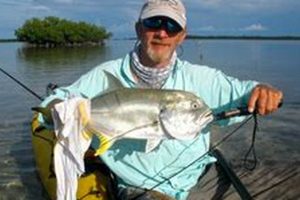
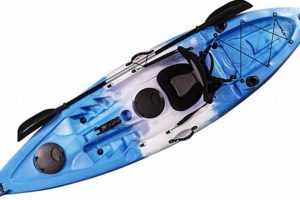
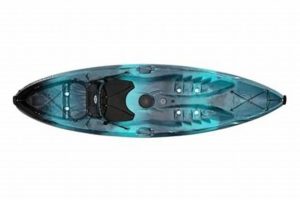
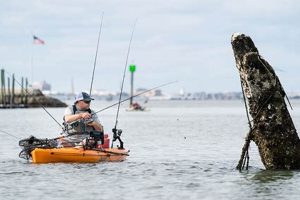
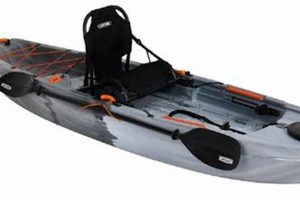
A two-person kayak designed specifically for angling, manufactured by Jackson Kayak, typically features specialized seating, rod holders, and other amenities conducive to a comfortable and productive fishing experience from a watercraft. These vessels often incorporate design elements for stability and ample storage for fishing gear.
Sharing the experience of angling with a companion offers advantages in terms of safety, shared effort, and camaraderie. A specialized fishing platform designed for two anglers allows for efficient use of space and equipment. Such watercraft can access shallow waters and provide a stable platform for casting and reeling, enhancing the fishing experience. The evolution of kayak design has led to increasingly specialized vessels catering to specific needs, including tandem fishing, reflecting a growing demand for this type of recreational activity.
Further exploration of this topic will cover key aspects such as design variations, material selection, essential features, and popular models offered by this manufacturer. This will provide readers with a comprehensive understanding of the factors to consider when selecting a two-person fishing kayak.
Tips for Tandem Kayak Fishing
Proper preparation and technique enhance the tandem kayak fishing experience. The following tips offer guidance for a safe and successful outing.
Tip 1: Coordinate Paddling Strokes: Synchronized paddling is crucial for efficient movement and maintaining a desired course. Practice paddling together on calm water before venturing into more challenging conditions. Establish clear communication signals for turning and stopping.
Tip 2: Distribute Weight Evenly: Balance is essential for stability. Gear should be distributed evenly throughout the kayak, considering the combined weight of the anglers and their equipment. Avoid overloading the vessel.
Tip 3: Choose Appropriate Paddles: Paddle length and blade shape impact paddling efficiency and comfort. Select paddles appropriate for individual height and paddling style. Consider adjustable-length paddles for versatility.
Tip 4: Practice Casting Techniques: Casting from a kayak requires adaptation. Practice casting in an open area before fishing to avoid tangling lines or hooking unintended objects. Be mindful of the other angler’s position.
Tip 5: Employ Effective Communication: Clear communication is vital for a safe and productive fishing trip. Discuss fishing strategies, potential hazards, and desired locations beforehand. Establish clear signals for fish sightings or changes in direction.
Tip 6: Prioritize Safety: Always wear personal flotation devices (PFDs). Carry essential safety equipment, including a whistle, signaling device, and first-aid kit. Check weather conditions before embarking and inform someone of your fishing plans.
Tip 7: Respect the Environment: Practice Leave No Trace principles. Pack out all trash and fishing line. Avoid disturbing wildlife or sensitive habitats. Adhere to local fishing regulations.
Adhering to these guidelines contributes significantly to a safer and more enjoyable tandem kayak fishing experience. Preparation, communication, and respect for the environment are key elements of successful angling.
By understanding and implementing these strategies, anglers can maximize their chances of a productive and memorable fishing excursion.
1. Stability

Stability represents a critical performance attribute in tandem fishing kayaks, directly influencing angler safety, comfort, and fishing efficacy. A stable platform minimizes the risk of capsizing, particularly during casting, reeling, and landing fish. Jackson Kayak addresses stability through design elements such as hull shape, width, and weight distribution. A wider, flatter hull generally provides greater initial stability, resisting tipping, while a carefully designed hull shape enhances secondary stability the ability to recover from leaning or tilting. Consider, for example, the wide, flat hull of the Big Tuna, designed specifically for stability in calm waters, versus the more streamlined hull of the Cruise Angler, offering a balance of stability and maneuverability.
The practical significance of stability becomes evident in various fishing scenarios. Standing to cast offers improved visibility and leverage but requires a highly stable platform. Similarly, landing a large fish can destabilize a kayak lacking sufficient secondary stability. In tandem kayaks, the added weight and movement of two anglers further underscore the importance of a stable platform. The design features implemented by Jackson Kayak aim to mitigate these challenges, contributing to a safer and more enjoyable fishing experience. Weight capacity also plays a role, as exceeding recommended limits can compromise stability.
Ultimately, understanding the relationship between stability and design choices is essential for selecting an appropriate tandem fishing kayak. Factors such as intended fishing environment (calm lakes versus moving rivers), angler experience levels, and planned activities (casting while standing versus seated fishing) influence the required degree of stability. Selecting a kayak with appropriate stability characteristics maximizes both safety and fishing performance.
2. Capacity

Capacity in a tandem fishing kayak directly impacts functionality and suitability for various angling scenarios. Understanding weight capacity and its implications is crucial for safe and efficient operation. This encompasses both the total weight the vessel can safely support and the available storage volume for gear.
- Total Weight Capacity
This critical specification denotes the maximum combined weight of anglers, gear, and any additional cargo. Exceeding this limit compromises stability and safety, increasing the risk of capsizing. Manufacturers provide this specification based on rigorous testing, and adhering to it is non-negotiable. Consider, for example, a kayak with a 500 lb capacity. Two anglers weighing 200 lbs each leave only 100 lbs for gear and other items.
- Storage Capacity
Storage space dictates the amount of gear, tackle boxes, and other essentials that can be carried on board. Ample storage facilitates organization and efficient access to equipment, enhancing the fishing experience. Different kayak models offer varying storage configurations, including hatches, tank wells, and integrated storage compartments. Selecting a kayak with appropriate storage volume depends on individual needs and intended fishing style. For instance, extended multi-day trips require significantly more storage than short excursions.
- Passenger Capacity
While inherently a two-person vessel, tandem kayaks may accommodate small children or pets, further influencing capacity considerations. Adding passengers increases the total weight and requires careful distribution to maintain balance and stability. The kayak’s design and available space determine its suitability for carrying additional passengers. Certain models are designed specifically with additional passenger capacity in mind, offering dedicated seating areas.
- Impact on Performance
Capacity significantly affects performance characteristics. A heavily loaded kayak sits lower in the water, impacting speed, maneuverability, and tracking. Proper weight distribution mitigates these effects, optimizing performance. Approaching maximum capacity limits can also affect responsiveness in challenging water conditions. Understanding the interplay between capacity and performance allows for informed decision-making and appropriate gear selection.
Evaluating capacity in relation to intended use is essential for selecting an appropriate tandem fishing kayak. Factors such as typical fishing locations, anticipated gear requirements, and potential additional passengers inform capacity needs. A thorough assessment ensures safe operation, efficient gear management, and an optimized fishing experience. Neglecting capacity considerations can lead to instability, compromised performance, and potentially dangerous situations. A balanced approach considering both weight and storage capacity contributes significantly to a successful and enjoyable outing.
3. Maneuverability
Maneuverability in a tandem fishing kayak significantly impacts its suitability for diverse water environments and fishing styles. Efficient navigation through tight spaces, swift currents, and changing conditions relies heavily on the vessel’s responsiveness and handling characteristics. This attribute is particularly relevant in tandem kayaks due to their increased length and weight compared to solo kayaks. Understanding the factors influencing maneuverability allows for informed decision-making aligned with specific angling needs.
- Hull Design
Hull design fundamentally influences maneuverability. Shorter, wider hulls generally enhance stability but sacrifice maneuverability. Longer, narrower hulls tend to track straighter and glide more efficiently, but turning responsiveness may diminish. Jackson Kayak employs various hull designs across its tandem models to cater to different performance priorities. The Big Tuna, with its wide, stable hull, excels in calm waters but may prove less nimble in tight quarters. Conversely, the Cruise Angler’s more streamlined hull facilitates maneuverability in winding waterways.
- Rudder System
The presence and design of a rudder system significantly impact maneuverability. A rudder assists in directional control, especially in windy conditions or strong currents, improving tracking and reducing the need for constant paddle adjustments. Some Jackson Kayak tandem models feature integrated rudder systems, offering enhanced control and maneuverability. The presence of a rudder can be particularly advantageous in tandem kayaks, aiding course correction and reducing the effort required from both paddlers.
- Water Conditions
Maneuverability varies based on prevailing water conditions. Calm, flat water presents fewer challenges, whereas wind, currents, and waves can significantly impact handling. A kayak designed for maneuverability in challenging conditions may feel overly responsive in calm environments. Consider typical fishing locations and anticipated water conditions when evaluating maneuverability needs. A tandem kayak intended for ocean fishing requires different handling characteristics than one designed for tranquil lakes or slow-moving rivers.
- Combined Paddler Input
Effective communication and synchronized paddling are crucial for maximizing maneuverability in a tandem kayak. Coordinated paddle strokes facilitate efficient turns and directional changes, while inconsistent paddling can hinder maneuverability. Practice and clear communication between paddlers significantly enhance the vessel’s responsiveness and overall handling characteristics.
The interplay of these factors determines a tandem fishing kayak’s maneuverability profile. Selecting a model with appropriate characteristics aligned with intended use and paddling environment is essential for a positive on-the-water experience. Prioritizing maneuverability may necessitate compromising stability or tracking performance, highlighting the importance of considering individual needs and typical fishing scenarios. Jackson Kayak’s range of tandem models offers various combinations of stability, maneuverability, and tracking performance, allowing anglers to select the optimal vessel for their specific requirements.
4. Comfort
Comfort in a tandem fishing kayak directly influences angler endurance, focus, and overall enjoyment. Prolonged periods on the water, often in varying weather conditions, necessitate a comfortable seating arrangement and ergonomic design. Discomfort can detract from the fishing experience, leading to fatigue, reduced concentration, and potentially premature termination of outings. Jackson Kayak addresses comfort through features like adjustable seating systems, ergonomic backrests, and ample legroom. These elements contribute to a more supportive and less fatiguing experience, allowing anglers to remain on the water longer and focus on fishing. Consider, for example, the Hi-Lo seating system in some Jackson models, allowing anglers to switch between higher and lower seating positions for varied perspectives and comfort levels. This adaptability caters to individual preferences and fishing styles.
The practical significance of comfort becomes evident during extended fishing trips. A well-designed seat and backrest mitigate back strain and fatigue, while ample legroom allows for position adjustments and improved circulation. These factors become increasingly important in tandem kayaks where two individuals share a confined space. The ability to maintain a comfortable posture over time directly impacts fishing performance and overall enjoyment. Furthermore, comfort considerations extend beyond seating. Features like adjustable foot braces and strategically placed padding contribute to a more ergonomic and supportive environment. For example, integrated thigh pads can enhance stability and control, particularly during challenging paddling conditions. The cumulative effect of these design elements enhances the overall fishing experience, allowing anglers to remain comfortable and focused on their objective.
Comfort, therefore, represents a crucial factor in evaluating tandem fishing kayaks. While performance features often take precedence, neglecting comfort can compromise the overall experience. Balancing comfort and performance features depends on individual needs, fishing style, and anticipated trip duration. A kayak prioritizing comfort may sacrifice some maneuverability or speed, underscoring the importance of aligning kayak selection with specific angling requirements. Investing in a comfortable tandem fishing kayak contributes directly to increased enjoyment, reduced fatigue, and enhanced on-the-water performance.
5. Features (fishing-specific)
Specialized features distinguish fishing kayaks from recreational models, enhancing angling effectiveness and overall experience. Jackson Kayak incorporates a range of fishing-specific features into its tandem designs, reflecting a commitment to angler needs. These features represent a key aspect of the brand’s focus on creating purpose-built fishing platforms.
Rod holders, for example, provide secure storage and easy access to fishing rods, freeing hands for paddling and other tasks. Different rod holder styles cater to specific angling techniques. Flush-mounted rod holders offer a streamlined profile, minimizing line entanglement, while adjustable rod holders allow for customized positioning. Similarly, integrated tackle storage systems keep essential gear organized and readily accessible. These systems often include removable trays, compartments for lures and terminal tackle, and designated areas for larger items like tackle boxes. Such organization streamlines the fishing process, allowing anglers to focus on fishing rather than searching for equipment.
Other specialized features often found in Jackson tandem fishing kayaks include anchor trolleys, facilitating controlled drift fishing; transducer scupper holes, simplifying fish finder installation; and gear tracks, providing versatile mounting points for accessories. These features, while seemingly minor, contribute significantly to overall fishing efficiency and enjoyment. Consider, for example, the advantage of an anchor trolley in maintaining position in a current, allowing for targeted fishing of specific areas. These features reflect a deep understanding of angler needs and a commitment to providing solutions for a more productive and enjoyable experience. The practical significance of these fishing-specific features becomes evident on the water, where efficient gear management and optimized positioning directly impact fishing success. Jackson Kayak’s focus on these features underscores its dedication to creating purpose-built fishing platforms that cater to a range of angling styles and environments.
6. Durability

Durability represents a crucial factor in evaluating tandem fishing kayaks, directly influencing lifespan and long-term value. These vessels often encounter harsh conditions, including impacts with rocks, submerged obstacles, and abrasive shorelines. A durable construction mitigates potential damage, ensuring continued performance and extending the kayak’s usable life. Jackson Kayak addresses durability through material selection and construction techniques, contributing to the resilience of its tandem models.
- Material Selection
The choice of materials significantly impacts a kayak’s ability to withstand impacts and abrasion. High-density polyethylene (HDPE) is a common material known for its impact resistance and durability. Linear polyethylene offers enhanced stiffness and impact resistance compared to standard HDPE. Some manufacturers utilize proprietary blends for specific performance characteristics. Understanding the properties of different materials informs assessment of long-term durability.
- Construction Techniques
Construction techniques influence a kayak’s structural integrity and resistance to stress. Rotomolding, a common manufacturing process, creates a seamless, one-piece hull with uniform wall thickness, enhancing durability. Additional reinforcement in high-stress areas further strengthens the kayak’s structure. Thermoforming offers precise shaping and material distribution, potentially enhancing durability in specific areas. Evaluating construction techniques provides insights into a kayak’s ability to withstand long-term use.
- UV Resistance
Prolonged exposure to sunlight can degrade kayak materials, leading to fading, brittleness, and reduced structural integrity. UV-resistant additives and coatings protect against sun damage, extending the kayak’s lifespan. Consider the typical storage environment and anticipated sun exposure when evaluating UV resistance requirements. Kayaks stored outdoors require greater UV protection than those stored indoors.
- Hardware and Fittings
The quality and durability of hardware components, including handles, latches, and seat fittings, contribute to the overall lifespan of a tandem fishing kayak. Corrosion-resistant materials, such as stainless steel or marine-grade aluminum, ensure long-term functionality in saltwater environments. Reinforced attachment points prevent hardware failure under stress. Evaluating the quality of hardware components provides insights into a kayak’s ability to withstand regular use.
The combination of material selection, construction techniques, UV resistance, and hardware quality determines a tandem fishing kayak’s overall durability. Investing in a durable kayak minimizes repair costs and extends its usable life, contributing to long-term value. Jackson Kayak’s focus on durability ensures its tandem models withstand the rigors of fishing environments, providing anglers with reliable and long-lasting performance on the water.
7. Portability
Portability significantly influences the practicality and accessibility of tandem fishing kayaks. These vessels, inherently larger and heavier than solo kayaks, present unique transportation and storage challenges. The ability to efficiently transport a tandem kayak to and from launch sites, as well as store it conveniently, directly impacts its usability. Jackson Kayak addresses portability through design considerations and features aimed at simplifying transport and storage. Consider, for example, integrated carrying handles, molded-in side handles, and compatibility with roof rack systems. These features facilitate handling and secure transport, minimizing the physical strain associated with moving larger kayaks.
The practical implications of portability become readily apparent when considering various scenarios. Transporting a tandem kayak without adequate carrying handles or roof rack compatibility can prove cumbersome and potentially damaging. Similarly, limited storage space necessitates a kayak that can be easily maneuvered and stored. The weight of a tandem kayak also influences portability. Lighter materials and efficient design contribute to reduced overall weight, simplifying transport and storage. For example, a lighter kayak requires less effort to lift onto a vehicle’s roof rack, reducing the risk of strain or damage. Furthermore, portability impacts access to different fishing locations. A easily transportable kayak expands fishing opportunities, allowing anglers to explore diverse waterways, regardless of accessibility limitations.
Portability, therefore, represents a crucial factor in evaluating tandem fishing kayaks, particularly for individuals with limited storage space or transportation options. Balancing portability with performance characteristics requires careful consideration of individual needs and intended use. A highly portable kayak might sacrifice some stability or tracking performance, highlighting the importance of aligning kayak selection with specific requirements. Jackson Kayaks attention to portability features enhances the overall usability of its tandem models, enabling anglers to access a wider range of fishing locations with greater ease and efficiency. This careful consideration of portability contributes significantly to the long-term enjoyment and practicality of owning a tandem fishing kayak.
Frequently Asked Questions
Addressing common inquiries regarding tandem fishing kayaks provides clarity for informed decision-making.
Question 1: What are the key advantages of choosing a tandem fishing kayak over two solo kayaks?
Tandem kayaks offer several advantages, including cost-effectiveness (typically less expensive than two solos), shared workload and paddling efficiency, enhanced stability (especially with heavier combined weight), and increased social interaction during the fishing experience.
Question 2: How does the length of a tandem fishing kayak influence its performance?
Longer kayaks generally track straighter and offer increased storage capacity, but maneuverability in tight spaces can be compromised. Shorter tandem kayaks enhance maneuverability but may sacrifice tracking performance and storage space.
Question 3: What weight capacity considerations are essential when selecting a tandem fishing kayak?
Total weight capacity, including anglers, gear, and any additional cargo, must be strictly adhered to for safety and optimal performance. Overloading compromises stability and can lead to capsizing. Adequate capacity ensures safe and efficient operation.
Question 4: What are the key features to look for in a tandem fishing kayak specifically designed for angling?
Essential features include multiple rod holders, ample storage compartments for tackle and gear, comfortable seating with adjustable backrests, and specialized features like anchor trolleys, transducer scupper holes, and gear tracks for accessory mounting.
Question 5: How does hull design influence the stability and maneuverability of a tandem fishing kayak?
Wider, flatter hulls generally provide increased initial stability but can compromise maneuverability. Longer, narrower hulls improve tracking and speed but may reduce turning responsiveness. Specialized hull designs balance stability and maneuverability based on intended use.
Question 6: What maintenance considerations are essential for ensuring the longevity of a tandem fishing kayak?
Regular cleaning, proper storage (protected from sunlight and extreme temperatures), and periodic inspection of hardware and fittings contribute to extended lifespan. Rinsing with freshwater after saltwater use prevents corrosion. Proper care ensures long-term performance and value.
Careful consideration of these frequently asked questions provides valuable insights for selecting a tandem fishing kayak appropriate for individual needs and angling objectives. A thorough understanding of key features, performance characteristics, and maintenance requirements ensures a safe, efficient, and enjoyable fishing experience.
Further exploration of specific models and their respective attributes will provide a comprehensive understanding of available options.
Conclusion
Careful selection of a two-person fishing kayak manufactured by Jackson Kayak requires consideration of various factors, including hull design, capacity, features, and intended usage. Prioritizing stability ensures a secure fishing platform, while maneuverability dictates performance in diverse water conditions. Features such as rod holders, storage compartments, and comfortable seating enhance the angling experience. Durability and portability influence long-term value and ease of transport and storage. Balancing these attributes based on individual fishing styles and preferences is essential for maximizing on-the-water performance and enjoyment.
Ultimately, informed decision-making empowers anglers to select the optimal vessel for their specific needs. Consideration of these factors ensures not only a productive fishing experience but also contributes to safety, comfort, and long-term satisfaction with the chosen watercraft. Continued exploration of specific models and their respective attributes will further refine the selection process. This careful evaluation empowers anglers to acquire a valuable tool that enhances their connection with the sport and the aquatic environment.