Angling from small, human-powered vessels offers a unique blend of outdoor recreation and sport fishing. This activity provides access to shallow waters and secluded areas often unreachable by larger motorized boats, creating opportunities for diverse fishing experiences across the country’s varied waterways.
This approach to angling contributes significantly to the recreational fishing economy. It provides opportunities for exercise and engagement with nature, promoting conservation efforts through direct interaction with aquatic environments. The relatively low cost of entry compared to motorized boating makes it an accessible pastime. Furthermore, its popularity has spurred innovation in specialized equipment and techniques, contributing to a distinct subculture within the larger fishing community.
The following sections will explore various aspects of this popular pastime, including suitable locations, essential equipment, effective techniques, and responsible practices.
Tips for Kayak Angling
Effective preparation and technique are crucial for a successful and enjoyable outing. The following tips offer guidance for anglers of all skill levels.
Tip 1: Prioritize Safety: Always wear a personal flotation device (PFD). Check weather forecasts before embarking and be aware of changing conditions. Inform someone of the planned fishing location and estimated return time. Carry a whistle or other signaling device in case of emergencies.
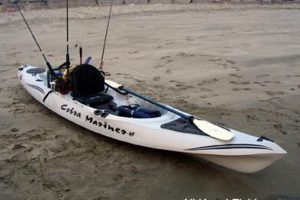
Tip 2: Choose the Right Kayak: Select a kayak designed for stability and fishing functionality. Consider factors such as water conditions, storage capacity, and angler preference for sit-on-top versus sit-inside models.
Tip 3: Organize and Secure Equipment: Utilize specialized kayak storage solutions like rod holders and tackle crates to keep gear organized and accessible. Secure all equipment to the kayak to prevent loss in case of capsizing.
Tip 4: Master Basic Paddling Strokes: Efficient paddling conserves energy and allows for precise boat control. Practice forward, reverse, and turning strokes before venturing into challenging waters.
Tip 5: Learn Kayak Fishing Techniques: Adapt fishing techniques to the kayak environment. Practice casting from a seated position and managing lines to avoid tangles. Consider using specialized kayak fishing accessories like anchor trolleys and drift socks.
Tip 6: Respect the Environment: Adhere to Leave No Trace principles. Pack out all trash and avoid disturbing wildlife. Observe local fishing regulations and licensing requirements.
Tip 7: Practice Proper Fish Handling: Minimize stress on caught fish by using appropriate handling techniques. Employ barbless hooks for easier release. Keep fish in the water as much as possible during hook removal and release.
By following these guidelines, anglers can enhance their on-the-water experiences while prioritizing safety and environmental responsibility.
With careful planning and execution, this style of fishing can provide rewarding experiences in diverse aquatic environments.
1. Safety Practices

Safe practices are paramount in kayak angling, directly impacting the well-being of anglers and the preservation of natural environments. Neglecting safety protocols can lead to accidents, injuries, and environmental damage, undermining the positive aspects of this recreational activity. Understanding and implementing appropriate safety measures is crucial for responsible and enjoyable kayak fishing experiences across the diverse waterways of the USA.
- Personal Flotation Devices (PFDs):
Wearing a properly fitted PFD is the single most important safety precaution. PFDs provide essential buoyancy in case of capsizing or unexpected immersion, significantly increasing the chances of survival. Selecting a PFD designed for paddling and fishing offers optimal comfort and mobility. Federal regulations mandate carrying a USCG-approved PFD on board, but consistent wearing is strongly recommended, regardless of swimming ability or perceived water conditions.
- Weather Awareness:
Checking weather forecasts before and during fishing trips is essential. Sudden changes in wind speed, precipitation, or temperature can create hazardous conditions on the water. Being prepared for potential weather shifts allows for timely adjustments to plans and prevents dangerous situations. Resources like the National Weather Service provide detailed marine forecasts, enabling anglers to make informed decisions regarding trip timing and location.
- Communication and Float Plans:
Informing someone on shore of the intended fishing location, planned route, and estimated return time establishes a critical communication link. This allows for prompt assistance in case of an emergency or overdue return. A float plan should include details such as the angler’s name, contact information, kayak description, and planned itinerary. This information can be invaluable to search and rescue teams if needed.
- Navigation and Visibility:
Carrying a navigation chart, compass, or GPS device aids in maintaining orientation and avoiding disorientation, particularly in unfamiliar waters or areas with limited visibility. Ensuring kayak visibility to other boaters is also crucial, especially during low-light conditions. Using bright colors, reflective tape, or navigation lights enhances visibility and reduces the risk of collisions with larger vessels.
By integrating these safety practices into every kayak fishing excursion, anglers contribute to a safer and more sustainable recreational environment. These precautions minimize risks, enhance preparedness for unexpected situations, and promote responsible enjoyment of the sport. Prioritizing safety not only protects individual anglers but also safeguards the natural beauty and resources that make kayak fishing such a rewarding experience.
2. Kayak Selection

Appropriate kayak selection is fundamental to successful angling experiences across the diverse waterways of the USA. The chosen vessel directly influences stability, maneuverability, access to fishing grounds, and overall comfort. Mismatched kayak selection can lead to compromised safety, reduced fishing effectiveness, and diminished enjoyment. Careful consideration of several factors is essential for aligning kayak choice with specific fishing environments and angler preferences.
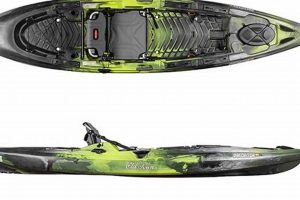
Key factors include hull design, length, and propulsion systems. Sit-on-top kayaks offer inherent stability and self-bailing capabilities, making them suitable for warmer climates and near-shore fishing. Sit-inside kayaks provide better protection from colder water and rougher conditions but require more skill to manage in case of capsizing. Longer kayaks track better and cover distance efficiently, while shorter kayaks offer enhanced maneuverability in tight spaces like creeks and mangrove tunnels. Propulsion choices include paddle kayaks, pedal kayaks, and motorized kayaks, each presenting advantages and disadvantages related to speed, range, and maneuverability. For example, a pedal-driven kayak might be preferable for covering large distances in open lakes, while a paddle kayak might be more suitable for navigating narrow, shallow rivers. Similarly, anglers targeting species in swift currents might favor shorter kayaks with enhanced maneuverability.
Understanding the interplay of these factors within the context of specific fishing locations and target species significantly influences the overall success of kayak fishing excursions. Choosing a stable platform with ample storage for gear and appropriate propulsion for the intended environment directly impacts an angler’s ability to safely and effectively pursue their chosen quarry. Careful kayak selection ensures a productive and enjoyable experience on the water, maximizing both angling opportunities and overall safety. The appropriate kayak becomes an extension of the angler’s skillset, enabling seamless integration with the surrounding environment and enhancing the pursuit of a rewarding fishing experience.
3. Fishing Gear
Specialized fishing gear enhances both the effectiveness and enjoyment of kayak angling across the diverse aquatic environments found throughout the USA. Gear selection is intrinsically linked to the unique challenges and opportunities presented by this style of fishing. Factors such as limited space, angler mobility, and targeted species necessitate careful consideration of equipment choices. Appropriate gear selection contributes significantly to angling success while also promoting safety and responsible fishing practices.
Rods, reels, lines, and lures should be tailored to the target species and the specific fishing environment. Shorter rods, typically in the 6-7 foot range, are often preferred for kayak fishing due to the confined casting space. Spinning reels and baitcasting reels are commonly used, offering versatility for various fishing techniques. Line selection depends on the target species and fishing conditions, with braided lines often preferred for their strength and sensitivity. Lure choices are influenced by the target species and the characteristics of the fishing location. For example, anglers targeting bass in heavily vegetated areas might choose weedless lures to minimize snags. Similarly, those fishing in saltwater environments might opt for saltwater-specific lures and tackle designed to withstand corrosive conditions. Kayak anglers often utilize specialized equipment like anchor trolleys, drift socks, and fish finders to enhance boat control and fishing effectiveness.
Effective gear organization is essential for maintaining a safe and efficient fishing platform. Kayak-specific tackle boxes, rod holders, and storage compartments help maximize limited space and keep essential equipment within easy reach. Proper organization minimizes clutter, reduces the risk of tangles, and allows for quick access to necessary gear, enhancing both safety and fishing effectiveness. The thoughtful selection and organization of fishing gear contributes significantly to a positive and productive kayak angling experience. Adapting gear choices to the specific demands of this fishing style optimizes angling success while promoting responsible interaction with the aquatic environment.
4. Location Choices

Location selection significantly impacts the success and enjoyment of kayak angling experiences across the diverse landscapes of the USA. The chosen location dictates target species accessibility, influences required gear and techniques, and determines the overall character of the fishing experience. Understanding the interplay between location characteristics and angling goals is crucial for maximizing opportunities and ensuring a safe and rewarding outing. Considerations such as water type, accessibility, fish populations, and local regulations play a crucial role in informed decision-making.
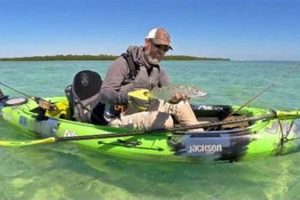
The USA offers a vast array of kayak fishing locations, each with unique characteristics. Coastal saltwater environments, like the flats of Florida or the rocky shores of Maine, provide opportunities to target species such as redfish, snook, striped bass, and various other inshore species. Inland freshwater lakes and rivers, from the Great Lakes to smaller reservoirs and streams, offer diverse fishing opportunities for species like bass, trout, walleye, and catfish. Factors such as water clarity, current strength, and vegetation density influence both fish behavior and effective angling techniques. For instance, fishing in the clear, shallow flats of the Gulf Coast requires different techniques and equipment compared to trolling for trout in a deep, cold-water lake. Accessibility considerations, including launch points, parking availability, and potential portage requirements, further shape location choices. Understanding local fishing regulations, including licensing requirements, catch limits, and seasonal closures, ensures responsible and legal angling practices. For example, protected areas like marine sanctuaries or designated spawning grounds may have specific restrictions to safeguard fish populations and sensitive habitats.
Strategic location selection optimizes kayak anglers’ chances of success while fostering a deeper appreciation for the diverse aquatic ecosystems found throughout the USA. By carefully considering factors such as target species, water conditions, accessibility, and local regulations, anglers can tailor their experiences to their specific goals and preferences. This thoughtful approach enhances both the enjoyment and sustainability of kayak fishing, promoting responsible engagement with the natural environment and ensuring rewarding experiences on the water. The connection between location choice and successful angling underscores the importance of pre-trip planning and research. Informed decisions based on these factors contribute significantly to a positive and productive outing, maximizing both the recreational and conservation aspects of kayak fishing.
5. Target Species
Target species selection is integral to kayak angling within the diverse aquatic environments of the USA. The chosen species influences location selection, equipment choices, and employed techniques, shaping the overall angling experience. Understanding the characteristics and habitats of target species optimizes angling success and promotes responsible fishing practices.
- Species-Specific Equipment and Techniques:
Different species require specialized equipment and angling techniques. For example, pursuing largemouth bass in freshwater lakes might involve using baitcasting gear and topwater lures, while targeting redfish in saltwater marshes might necessitate spinning tackle and weedless soft plastic baits. Matching equipment and techniques to the target species maximizes effectiveness and efficiency.
- Habitat Considerations:
Target species distribution dictates location choices. Trout prefer cold, clear streams and rivers, while largemouth bass inhabit warmer lakes and reservoirs. Understanding preferred habitats guides anglers to productive fishing grounds and informs decisions regarding kayak type and necessary accessories. For instance, anglers targeting trout in fast-moving rivers might opt for a shorter, more maneuverable kayak, while those pursuing bass in larger lakes might prefer a longer, more stable vessel.
- Conservation and Regulations:
Target species are subject to specific regulations designed to ensure sustainable populations. Catch limits, size restrictions, and seasonal closures vary by species and location. Anglers must be aware of and adhere to these regulations to contribute to conservation efforts and maintain healthy fisheries. Resources such as state fish and wildlife agency websites provide detailed information on current regulations and best practices for responsible fishing.
- Seasonal Patterns and Behavior:
Target species exhibit seasonal behavioral patterns influencing angling strategies. Spawning periods, migration routes, and feeding habits change throughout the year. Understanding these patterns allows anglers to adapt their techniques and location choices accordingly, increasing the likelihood of success. For example, targeting pre-spawn bass in shallow waters requires different tactics than pursuing post-spawn bass in deeper, cooler areas.
The interplay between target species, location, equipment, and regulations forms the core of successful and responsible kayak angling. Informed species selection allows anglers to tailor their approach, maximizing their chances of success while contributing to the long-term health of aquatic ecosystems. By understanding the nuances of each target species, anglers can fully appreciate the diverse angling opportunities available across the USA.
6. Regulations Awareness
Regulations awareness is essential for responsible and sustainable kayak angling within the United States. Federal, state, and local regulations govern fishing activities to protect fish populations, maintain healthy ecosystems, and ensure equitable access to resources. Ignoring these regulations can lead to legal penalties, damage fragile habitats, and negatively impact the overall health of fisheries. Understanding and complying with applicable regulations ensures the longevity of this recreational pursuit.
Regulations vary significantly across jurisdictions and often target specific species, locations, and seasons. License requirements are nearly universal, providing funding for conservation efforts and fishery management. Catch limits and size restrictions help maintain healthy fish populations by preventing overfishing and allowing juvenile fish to reach maturity. Seasonal closures protect vulnerable species during spawning periods or migrations. Protected areas, such as marine sanctuaries or designated spawning grounds, may have specific restrictions to safeguard sensitive habitats. For example, regulations in Florida might restrict snook harvest during certain months to coincide with their spawning season, while regulations in California might limit the number of trout an angler can keep from alpine lakes. Accessing and understanding current regulations for the intended fishing location is an angler’s responsibility. Resources like state fish and wildlife agency websites provide detailed information on licensing, catch limits, seasonal closures, and other pertinent rules. Consulting these resources prior to any fishing trip ensures compliance and contributes to responsible angling practices.
Regulations awareness reinforces the ethical and conservation-minded aspects of kayak angling. Compliance safeguards aquatic resources, preserves biodiversity, and ensures equitable access for future generations. By prioritizing regulations awareness, kayak anglers contribute to the sustainable management of fisheries and demonstrate respect for the delicate balance of aquatic ecosystems. This responsible approach fosters a positive image of the sport and strengthens its connection to environmental stewardship. The long-term health of fisheries depends on the collective responsibility of anglers to understand and abide by established regulations.
Frequently Asked Questions
This section addresses common inquiries regarding kayak angling in the USA, providing concise and informative responses to facilitate informed participation and promote responsible practices.
Question 1: What are the essential safety precautions for kayak fishing?
Essential safety measures include consistently wearing a personal flotation device (PFD), checking weather forecasts before and during outings, informing someone of trip plans, carrying a signaling device, and being aware of potential hazards such as changing water conditions and boat traffic.
Question 2: How does one choose an appropriate fishing kayak?
Kayak selection depends on factors like intended fishing environment (calm lakes, rivers, or coastal waters), storage needs for gear, and individual preferences regarding sit-on-top versus sit-inside models. Stability, maneuverability, and propulsion type (paddle, pedal, or motor) should align with specific angling goals.
Question 3: What fishing gear is recommended for kayak angling?
Recommended gear includes shorter fishing rods (typically 6-7 feet) suited for confined spaces, spinning or baitcasting reels, appropriate lines and lures for target species, and specialized kayak fishing accessories like anchor trolleys and drift socks. Proper gear organization within the kayak’s limited space is also crucial.
Question 4: Where can one find suitable kayak fishing locations in the USA?
Suitable locations range from coastal saltwater environments to inland freshwater lakes and rivers. Resources like state fish and wildlife agency websites, online fishing forums, and local tackle shops can provide information on access points, fish populations, and specific regulations for different areas.
Question 5: What are some popular target species for kayak anglers in the USA?
Popular targets include largemouth bass, smallmouth bass, trout, redfish, snook, striped bass, catfish, and walleye, among others. The choice of target species often influences location selection, equipment choices, and fishing techniques.
Question 6: Where can one find information on fishing regulations and licensing requirements?
State fish and wildlife agency websites provide comprehensive information on fishing regulations, including licensing requirements, catch limits, size restrictions, seasonal closures, and protected areas. Consulting these resources before fishing is crucial for ensuring legal compliance and promoting responsible angling practices.
Understanding these fundamental aspects of kayak angling promotes safe and enjoyable experiences while contributing to the long-term health of aquatic ecosystems. Preparation, responsible conduct, and respect for natural resources are essential for ensuring the sustainability of this rewarding recreational pursuit.
For further information on specific aspects of kayak angling, please consult the resources linked throughout this article or contact local angling organizations and experts.
Conclusion
This exploration of kayak angling within the United States has highlighted key aspects of this popular pastime, ranging from essential safety practices and equipment selection to responsible fishing techniques and regulations awareness. The diverse aquatic environments across the country offer unique opportunities to engage with nature while pursuing a variety of fish species. Understanding the interplay between angler preparedness, environmental awareness, and adherence to regulations ensures both rewarding experiences and the long-term health of aquatic ecosystems. The emphasis on informed decision-making regarding location choices, target species, and appropriate gear empowers anglers to maximize their success while minimizing environmental impact.
The future of kayak angling relies on the continued commitment to responsible practices and conservation-minded approaches. By prioritizing safety, respecting aquatic habitats, and adhering to established regulations, anglers contribute to the preservation of these valuable resources for future generations. Continued exploration of innovative techniques and technologies promises to further enhance the kayak angling experience while promoting sustainable interactions with the natural world. The growth and evolution of this sport depend on the collective responsibility of anglers to act as stewards of the environment, ensuring the enduring appeal and accessibility of kayak fishing across the diverse waterways of the USA.