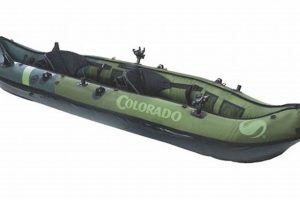
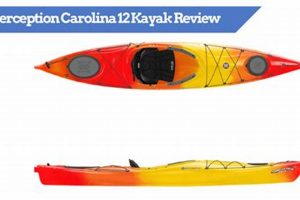
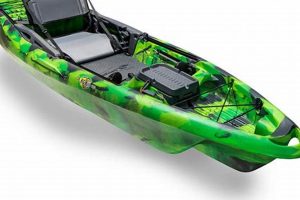
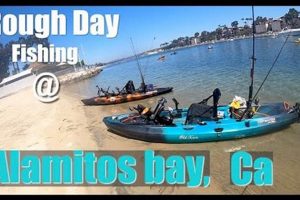
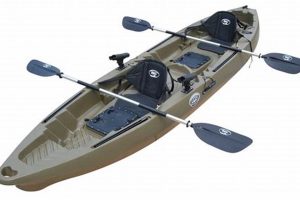
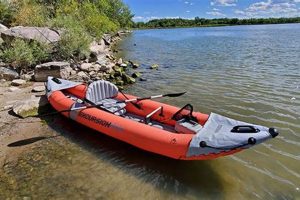
Customizing kayaks for angling enhances their functionality and effectiveness on the water. Examples include adding rod holders, mounting fish finders, incorporating storage solutions, and improving stability through outriggers or stabilizers. These adaptations create a more specialized vessel tailored to the angler’s specific needs and fishing style.
A well-outfitted kayak provides significant advantages, including increased comfort, improved fishing efficiency, and enhanced safety. Anglers can focus on the task at hand rather than managing equipment or struggling with stability. Historically, kayak fishing relied on simpler adaptations; however, modern innovations in materials and technology offer a wider range of customization options, allowing for greater precision and personalization. This evolution mirrors the increasing sophistication and specialization within the broader sport fishing community.
This exploration will delve into various customization strategies, addressing popular modifications, DIY projects, and commercially available solutions. It will also consider the balance between functionality, cost, and safety, empowering anglers to make informed decisions when customizing their kayaks.
Tips for Kayak Fishing Modifications
Careful planning and execution are critical for successful kayak modifications. These tips offer guidance for enhancing a fishing kayak’s performance and functionality.
Tip 1: Prioritize Stability: Stability is paramount, especially when fishing in open water or challenging conditions. Consider outriggers, stabilizers, or wider hulls for increased stability. Evaluate the impact of added weight on stability before making modifications.
Tip 2: Optimize Storage: Efficient storage solutions maximize space and keep gear organized. Consider waterproof hatches, tackle boxes, and strategically placed bungee cords. Balance storage capacity with the need to maintain a low center of gravity.
Tip 3: Select Appropriate Rod Holders: Rod holders should be secure, accessible, and suited to the target fish species. Flush-mounted rod holders offer a streamlined profile, while adjustable rod holders provide versatility. Consider the number and placement of rod holders carefully.
Tip 4: Integrate a Fish Finder: Fish finders provide valuable underwater insights. Choose a model appropriate for kayak use and mount it within easy reach. Ensure proper wiring and battery placement for optimal performance.
Tip 5: Enhance Comfort and Ergonomics: Comfort contributes to a more enjoyable fishing experience. Consider adjustable seating, footrests, and backrests. Padding can also improve comfort, especially during longer outings.
Tip 6: Consider Anchor Systems: Effective anchor systems are essential for maintaining position in current or wind. Choose an anchor appropriate for the bottom type and ensure the anchor trolley system is properly installed and easy to operate.
Tip 7: Prioritize Safety Equipment: Safety should always be paramount. Include a personal flotation device (PFD), a whistle, a signaling device, and a first-aid kit. Ensure these items are readily accessible in case of emergency.
Thoughtful modifications enhance both the enjoyment and effectiveness of kayak fishing. Implementing these tips allows anglers to create a personalized vessel optimized for their specific needs and fishing style.
These tips provide a foundation for informed decision-making in the modification process. The following section will discuss specific modification examples and offer resources for further exploration.
1. Rod Holders

Rod holders represent a fundamental component of fishing kayak modification, directly impacting angling efficiency and safety. Securely holding rods allows anglers to manage lines, change lures, and handle fish without constantly gripping their equipment. This hands-free capability proves crucial when navigating challenging waters or battling strong currents. Moreover, dedicated rod holders prevent rods from shifting or falling overboard, safeguarding valuable equipment and minimizing entanglement hazards. For instance, trolling multiple lines requires specialized rod holders positioned to prevent line crossing, while vertical jigging benefits from holders that keep rods upright and readily accessible. The selection and placement of rod holders directly correlate with the targeted fishing style and species.
Various rod holder types exist, each offering distinct advantages. Flush-mounted holders provide a streamlined profile, minimizing interference with paddling. Adjustable holders offer versatility, accommodating different rod lengths and angling techniques. Rail-mounted holders provide flexibility in positioning, adapting to various fishing scenarios. Anglers frequently install multiple rod holders to accommodate diverse techniques or target different species simultaneously. The specific requirements influence rod holder selection; offshore kayak anglers might prioritize heavy-duty holders capable of securing larger rods, while inshore anglers might opt for lighter, more compact options.
Effective rod holder integration enhances both safety and fishing success. Proper installation ensures stability and prevents equipment failure under stress. Strategic placement maximizes accessibility and minimizes interference with other kayak features. Considering factors like rod length, fishing style, and target species optimizes rod holder utility. Understanding the nuanced relationship between rod holders and broader kayak modification strategies enables anglers to create a customized and efficient fishing platform.
2. Fish Finder Mounts

Fish finder mounts represent a critical aspect of fishing kayak modification, bridging the gap between angler and underwater environment. These mounts provide a secure and stable platform for electronic fish finders, transforming the kayak into a technologically advanced fishing vessel. Effective integration of fish finder mounts directly impacts angling success by providing real-time data on water depth, bottom structure, and fish location. This information empowers anglers to make informed decisions about lure selection, retrieval techniques, and fishing location, ultimately increasing the likelihood of a successful catch. For example, identifying underwater structures like submerged vegetation or drop-offs allows anglers to target specific areas known to hold fish. Similarly, understanding water depth and temperature gradients informs lure selection and presentation strategies. Without a stable and accessible mount, the benefits of a fish finder are significantly diminished.
Several factors influence fish finder mount selection and placement. Kayak size and layout dictate available mounting locations. Angler preference and fishing style influence the desired viewing angle and accessibility. Transducer placement, crucial for accurate sonar readings, requires careful consideration of hull shape and potential interference. Common mounting options include track-mounted systems, which allow for adjustable positioning, and flush-mounted systems, offering a streamlined profile. Power supply integration and cable management are also crucial considerations, ensuring a clean and functional installation. For instance, a bass angler might prioritize a forward-facing transducer placement for targeting fish in shallow water, while an offshore angler might opt for a downward-facing transducer for deep-water applications. Understanding these nuances allows anglers to tailor their fish finder setup to their specific needs.
Successful fish finder integration requires careful planning and execution. A stable and accessible mount ensures optimal functionality, maximizing the fish finder’s potential to enhance angling success. Considering factors such as kayak compatibility, angler preferences, and transducer placement allows for a customized setup aligned with specific fishing objectives. Effective fish finder utilization, coupled with a well-integrated mount, elevates the kayak fishing experience from simple recreation to a technologically informed pursuit.
3. Storage Solutions

Effective storage solutions are integral to successful fishing kayak modification. Organized and accessible gear enhances efficiency, safety, and overall fishing experience. A well-designed storage system allows anglers to focus on fishing rather than managing equipment, contributing to a more productive and enjoyable outing. Optimizing storage involves careful consideration of kayak size and layout, fishing style, and target species. This section explores key facets of storage solutions for fishing kayaks.
- Tackle Management
Efficient tackle storage is paramount. Dedicated tackle boxes, trays, and bags keep lures, hooks, and other small items organized and readily accessible. Waterproof containers protect sensitive gear from moisture and the elements. Strategic placement of tackle storage within the kayak minimizes movement and maximizes space utilization. For example, a bass angler might prioritize readily accessible soft plastic baits, while a fly fisherman might require a system for organizing flies and leaders.
- Rod and Paddle Storage
Secure rod and paddle storage prevents equipment loss and interference during paddling or fishing. Dedicated rod holders keep rods organized and ready for use, while paddle clips or leashes secure paddles when not in use. This prevents equipment from shifting or falling overboard, particularly in rough conditions. For instance, a kayak angler trolling multiple lines might utilize rod holders positioned to prevent line tangling, while a kayak fly fisherman might prioritize secure storage for multiple rods rigged with different fly lines.
- Dry Storage and Gear Protection
Protecting essential gear from water damage is crucial. Waterproof hatches, bags, and boxes safeguard electronics, clothing, and other sensitive items. Properly sealed compartments prevent water intrusion, ensuring gear remains dry even in challenging conditions. For example, storing electronic devices like phones and cameras in waterproof cases ensures their functionality, while keeping extra clothing dry enhances comfort and safety in case of unexpected immersion.
- Space Optimization and Weight Distribution
Maximizing storage capacity while maintaining a balanced and stable kayak requires careful planning. Distributing weight evenly throughout the kayak prevents instability. Utilizing available space efficiently, including under-seat storage and tank wells, maximizes carrying capacity without compromising performance. For instance, storing heavier items lower in the kayak improves stability, while distributing gear evenly prevents listing or imbalance. Careful consideration of weight distribution enhances both safety and paddling efficiency.
Integrating these storage solutions into fishing kayak modification enhances both efficiency and enjoyment. A well-organized kayak allows anglers to focus on fishing, maximizing their time on the water. Considering individual needs and fishing styles leads to a customized storage system optimized for specific requirements. By addressing these facets of storage, anglers create a personalized and functional fishing platform, enhancing both performance and overall experience.
4. Stability Enhancements

Stability enhancements represent a crucial aspect of fishing kayak modification, directly impacting safety and performance on the water. A stable platform allows anglers to focus on fishing rather than constantly correcting balance, particularly in challenging conditions such as wind, current, or when landing a fish. Modifications aimed at increasing stability enhance angler confidence and contribute to a more secure and enjoyable fishing experience. This section explores key facets of stability enhancements for fishing kayaks.
- Outriggers and Stabilizers
Outriggers and stabilizers provide additional buoyancy and support, significantly improving kayak stability. These additions create a wider base, reducing the likelihood of tipping or capsizing. Outriggers typically consist of floats attached to arms extending outward from the kayak’s hull, while stabilizers are similar but often fixed in position. These modifications are particularly beneficial for anglers fishing in open water or rough conditions, providing added security and peace of mind. Anglers frequently deploy outriggers when fishing offshore or in areas with strong currents, while stabilizers prove useful for enhancing stability during stationary fishing activities like casting or trolling.
- Wider Hull Designs
Kayaks with wider hulls offer inherent stability due to their increased beam (width). The wider base provides greater resistance to tipping, enhancing stability in various conditions. While this is a design feature rather than a modification, it is a critical consideration when selecting a fishing kayak, particularly for anglers prioritizing stability. Wider hulls generally provide a more stable platform, especially for activities like standing casting, but may sacrifice some maneuverability compared to narrower designs. This trade-off requires careful consideration based on individual fishing style and preferences.
- Weight Distribution and Balance
Proper weight distribution plays a significant role in kayak stability. Distributing gear evenly throughout the kayak, and keeping heavier items lower in the hull, improves balance and reduces the risk of tipping. Strategic placement of gear within storage compartments maintains a low center of gravity, contributing to overall stability. For instance, positioning tackle boxes and batteries low in the kayak, and distributing lighter items like clothing and safety equipment higher up, enhances stability and performance. Understanding the principles of weight distribution is essential for maintaining a stable and balanced fishing platform.
- Kayak Design and Hull Shape
Kayak design and hull shape significantly influence stability. Flat-bottomed hulls generally offer greater initial stability, making them suitable for calm waters and stationary fishing. V-shaped hulls provide better tracking and performance in rough conditions but may feel less stable initially. Pontoon-style hulls maximize stability due to their wide base and multiple buoyancy chambers. Choosing a kayak design appropriate for the intended fishing environment and style significantly impacts stability and overall performance. Understanding the nuances of various hull shapes enables anglers to make informed decisions based on their specific needs and preferences.
Implementing these stability enhancements through thoughtful modification significantly improves fishing kayak performance and safety. By considering factors like outriggers, hull design, and weight distribution, anglers can create a stable and secure platform for various fishing environments and techniques. Enhanced stability allows anglers to focus on the task at hand, contributing to a more enjoyable and productive fishing experience.
5. Comfort Upgrades

Comfort upgrades represent a significant aspect of fishing kayak modification, directly impacting endurance and enjoyment on the water. Extended fishing trips can become strenuous, and discomfort detracts from the overall experience. Addressing comfort factors allows anglers to focus on fishing, maximizing their time and enjoyment on the water. Strategic modifications enhance ergonomics, reduce fatigue, and contribute to a more positive and productive outing. This section explores key facets of comfort upgrades for fishing kayaks.
- Seating Modifications
Upgrading kayak seating significantly impacts comfort, particularly during long fishing trips. Aftermarket seats often offer improved cushioning, lumbar support, and adjustable features not found in standard kayak seats. These upgrades reduce pressure points and enhance posture, minimizing fatigue and discomfort. High-back seats provide additional support, while adjustable seating systems accommodate varying body types and preferences. Selecting a seat appropriate for individual needs and fishing style significantly enhances comfort and endurance. For example, anglers experiencing back pain might prioritize a seat with robust lumbar support, while those fishing in warmer climates might prefer breathable mesh seating materials.
- Footrests and Leg Support
Proper leg support contributes to both comfort and stability. Adjustable footrests allow anglers to customize leg positioning, promoting good posture and reducing fatigue. Secure foot bracing enhances stability, particularly when paddling or casting. This added support improves control and balance, contributing to a more comfortable and efficient fishing experience. For example, taller anglers might require extended footrests for proper leg extension, while shorter anglers might benefit from adjustable systems accommodating varying leg lengths. Proper foot positioning also enhances paddling efficiency, reducing leg strain during longer trips.
- Backrests and Lumbar Support
Backrests and lumbar support play a crucial role in overall comfort. Adequate back support reduces strain and fatigue, particularly during extended fishing trips. Adjustable backrests allow anglers to customize support levels, accommodating individual preferences and body types. Lumbar support, specifically, helps maintain proper posture and reduces lower back pain. For example, anglers with pre-existing back conditions might prioritize kayaks with adjustable backrests offering substantial lumbar support, while those seeking general comfort might opt for simpler backrest designs with moderate support. The level of back support required often depends on the duration of typical fishing trips and individual physical needs.
- Added Padding and Cushioning
Strategic placement of padding and cushioning enhances comfort in key areas. Adding padding to the seat, backrest, and footrests further reduces pressure points and improves overall comfort. Cushioning can also be added to areas frequently contacted by the angler, such as the gunwales or the inside of the hull. This added layer of comfort minimizes discomfort and enhances the overall fishing experience, particularly during longer outings. For example, adding a gel seat cushion improves comfort and reduces pressure on the sit bones, while adding padding to the footwells enhances comfort and support for the feet and ankles. The type and placement of padding depends on individual preferences and comfort needs.
Integrating these comfort upgrades into fishing kayak modification enhances both enjoyment and endurance. Addressing comfort factors allows anglers to fully immerse themselves in the fishing experience, maximizing their time and enjoyment on the water. By considering individual needs and preferences, anglers can customize their kayaks to create a comfortable and personalized fishing platform, optimizing both performance and overall satisfaction. A comfortable angler is a more focused and effective angler, leading to a more rewarding experience on the water.
6. Anchor Systems
Anchor systems represent a critical component of fishing kayak modification, enabling anglers to maintain position in targeted fishing areas despite wind or current. Effective anchoring enhances fishing efficiency by allowing anglers to focus on fishing rather than constantly repositioning the kayak. Choosing and integrating an appropriate anchor system is crucial for maximizing fishing success and overall enjoyment on the water. This section explores key facets of anchor systems within the context of fishing kayak modifications.
- Anchor Selection
Anchor selection depends on factors such as bottom type, water depth, and kayak size. Common anchor types include fluke anchors, grapnel anchors, and mushroom anchors. Fluke anchors excel in sandy or muddy bottoms, while grapnel anchors are effective in rocky or weedy environments. Mushroom anchors suit softer bottoms and shallow water. Matching anchor type to the fishing environment ensures effective holding power and minimizes potential damage to the bottom. For example, a kayak angler fishing in a river with a rocky bottom would likely choose a grapnel anchor for its ability to grip uneven surfaces, while an angler fishing in a lake with a muddy bottom might opt for a fluke anchor.
- Anchor Deployment Systems
Efficient anchor deployment and retrieval systems are crucial for ease of use and safety. Anchor trolleys allow anglers to adjust anchor position from the seated position, enabling precise boat control and minimizing effort. Cleats and fairleads provide secure attachment points for anchor lines and prevent chafing. Well-designed deployment systems enhance efficiency and minimize disruptions during fishing. For example, an anchor trolley system allows an angler to position the kayak broadside to the current, optimizing fishing presentation and reducing line drag. Easy deployment and retrieval systems are particularly important in changing weather conditions or when needing to relocate quickly.
- Anchor Line and Storage
Selecting appropriate anchor line material and length is crucial. Marine-grade rope, specifically designed for anchoring, offers durability and resistance to abrasion. Anchor line length should be sufficient for the anticipated water depth, typically 5-7 times the depth. Proper storage of anchor line prevents tangling and facilitates efficient deployment. For example, storing anchor line on a dedicated reel or in a designated storage bag keeps it organized and prevents tangles, ensuring quick and easy deployment when needed. Using a high-visibility anchor line enhances safety and reduces the risk of entanglement with other boats or obstacles.
- Integration with Kayak Setup
Integrating the anchor system seamlessly into the overall kayak setup is essential. Positioning anchor trolleys, cleats, and storage solutions strategically maximizes efficiency and minimizes interference with other kayak features. Considering factors like paddling stroke, fishing style, and access to storage compartments ensures a functional and streamlined setup. For example, positioning the anchor trolley within easy reach from the seated position allows for efficient anchor adjustments without disrupting fishing activities. Integrating the anchor system with other modifications, such as rod holders and storage compartments, creates a cohesive and functional fishing platform.
Effective anchor systems significantly enhance fishing kayak functionality and versatility. By carefully considering anchor selection, deployment systems, line management, and integration with the overall kayak setup, anglers can create a customized platform optimized for their specific fishing needs and environments. A well-integrated anchor system allows for precise boat control, maximizing fishing efficiency and enjoyment on the water.
7. Safety Equipment

Safety equipment integration represents a critical aspect of fishing kayak modification, directly influencing angler well-being and preparedness for unforeseen circumstances. Modifications focused on safety enhance risk mitigation and promote responsible angling practices. Understanding the crucial role of safety equipment in kayak fishing fosters a culture of preparedness and responsible enjoyment of the sport.
Several key safety considerations intersect with kayak modification decisions. Personal flotation devices (PFDs) are paramount, requiring careful selection and integration with the kayak’s design. A comfortable and properly fitted PFD allows for unrestricted movement while paddling and fishing. Visibility enhancements, such as reflective tape and high-visibility clothing, improve angler visibility to other boaters, especially in low-light conditions or open water. Communication devices, including VHF radios, whistles, and signaling mirrors, enable anglers to contact others in case of emergency. Carrying a well-stocked first-aid kit addresses minor injuries and provides essential supplies in more serious situations. Navigation lights, particularly for low-light or nighttime fishing, enhance visibility and prevent collisions. Bilge pumps and paddle leashes prevent water accumulation and equipment loss, respectively, further contributing to overall safety. For example, integrating a paddle leash prevents the loss of a crucial piece of equipment in the event of a capsize, while a readily accessible bilge pump aids in quickly removing water from the kayak’s cockpit. Similarly, carrying a VHF radio enables communication with the Coast Guard or other boaters in an emergency, particularly in areas beyond cellular service range.
Prioritizing safety equipment during kayak modification demonstrates a commitment to responsible angling. Integrating these considerations ensures a safer and more enjoyable experience on the water. A well-equipped kayak provides anglers with the necessary tools to respond effectively to unforeseen circumstances, minimizing potential risks. This proactive approach to safety fosters confidence and allows anglers to focus on the enjoyment of fishing, knowing they are prepared for potential challenges. The thoughtful integration of safety equipment transforms a modified fishing kayak into a platform not only optimized for angling success but also equipped for a safe and responsible experience on the water.
Frequently Asked Questions
Addressing common inquiries regarding fishing kayak modifications clarifies potential uncertainties and promotes informed decision-making.
Question 1: How does kayak modification impact stability?
Modifications can either enhance or compromise stability, depending on implementation. Adding weight high on the kayak decreases stability, while lower placement improves it. Outriggers and stabilizers generally enhance stability. Careful consideration of weight distribution and added accessories is crucial for maintaining balance.
Question 2: What are the most important safety modifications for a fishing kayak?
Prioritizing a personal flotation device (PFD), communication devices (whistle, VHF radio), and visibility enhancements (reflective tape, lights) are paramount. A bilge pump and paddle leash also contribute significantly to safety. Regularly inspecting modifications for wear and tear ensures ongoing safety.
Question 3: Can kayak modifications void the manufacturer’s warranty?
Certain modifications, particularly those affecting the hull’s structural integrity, might void manufacturer warranties. Consulting the warranty terms or contacting the manufacturer directly before undertaking modifications is advisable. Documenting modifications with photographs and retaining receipts is also recommended.
Question 4: What are the most common DIY kayak fishing modifications?
Adding rod holders, installing fish finder mounts, and creating custom storage solutions represent popular do-it-yourself modifications. Numerous online resources provide detailed instructions and inspiration for various DIY projects. Careful planning and execution are crucial for successful DIY modifications.
Question 5: How can one choose the right anchor system for a fishing kayak?
Anchor system selection depends on factors like bottom type, water depth, and current strength. Fluke anchors are suitable for soft bottoms, while grapnel anchors grip well in rocky environments. Considering anchor trolley systems and appropriate anchor line length is essential. Researching different anchor types and deployment methods informs appropriate selection.
Question 6: How does one balance modification costs with functionality?
Prioritizing modifications aligned with individual fishing styles and needs helps optimize cost-effectiveness. Researching different options, comparing prices, and considering DIY solutions versus commercially available products helps balance cost with desired functionality. Focusing on essential modifications first and gradually adding others over time represents a prudent approach.
Understanding the implications of modifications for stability, safety, and warranty considerations ensures responsible customization. Prioritizing essential safety modifications promotes a secure and enjoyable fishing experience.
This FAQ section addresses common concerns. Further exploration of specific modifications follows in the subsequent sections.
Fishing Kayak Modification Ideas
Exploration of fishing kayak modification ideas reveals significant potential for enhancing on-the-water experiences. Strategic modifications, ranging from rod holder placement to stability enhancements and comfort upgrades, empower anglers to create personalized vessels optimized for individual needs and fishing styles. Careful consideration of safety equipment integration remains paramount, ensuring responsible enjoyment of the sport. Balancing functionality, cost, and safety considerations allows for informed decision-making throughout the modification process.
Investing time and effort in customizing a fishing kayak yields substantial returns in terms of angling efficiency, comfort, and safety. As kayak fishing continues to evolve, embracing innovative modification strategies unlocks new possibilities for enhancing on-the-water performance and enjoyment. Thoughtful customization transforms a standard kayak into a personalized fishing platform, empowering anglers to pursue their passion with greater precision and satisfaction.