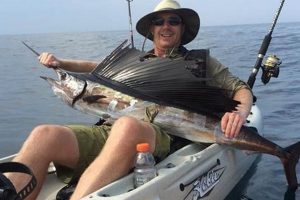
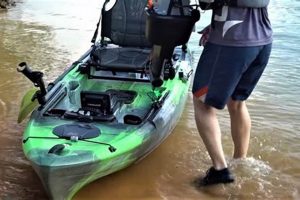
Online platforms dedicated to anglers using kayaks along a specific coastal region serve as valuable resources. These digital spaces allow individuals to exchange information about optimal fishing locations, tackle recommendations, techniques tailored for kayak angling, and safety precautions relevant to the area. For instance, a community might share insights on launching points accessible during specific tides, preferred bait for local species, or strategies for navigating challenging currents.
Such platforms foster a sense of community among kayak anglers, facilitating mentorship and the sharing of local knowledge. This exchange of practical advice, combined with discussions about recent catches and upcoming fishing events, contributes to the overall success and enjoyment of kayak fishing within the region. Over time, these platforms can become repositories of invaluable historical data on fishing patterns, environmental changes, and the evolution of kayaking techniques specific to the locale.
The subsequent sections will delve into specific aspects of kayak fishing along a central coastline, including recommended equipment, preferred launch sites, and target species.
Tips for Kayak Fishing
Safe and successful kayak fishing requires careful planning and preparation. The following tips offer guidance for anglers of all experience levels.
Tip 1: Check Weather and Tide Conditions: Prior to launching, consult marine forecasts for wind speed, wave height, and tidal currents. Adverse conditions can create hazardous situations for kayakers.
Tip 2: Choose Appropriate Safety Gear: Always wear a personal flotation device (PFD). Carry a whistle, signaling mirror, and VHF radio for emergencies. A first-aid kit should also be readily accessible.
Tip 3: Plan Your Fishing Route: Identify target fishing areas and potential hazards like reefs or shallows. Inform someone of your planned route and estimated return time.
Tip 4: Pack Essential Gear Efficiently: Organize tackle, rods, and other equipment within easy reach while maintaining kayak stability. Dry bags protect electronics and other sensitive items from water damage.
Tip 5: Practice Kayak Control: Develop proficiency in paddling, maneuvering, and anchoring the kayak in various conditions. This allows anglers to focus on fishing rather than boat control.
Tip 6: Respect Local Regulations: Familiarize oneself with fishing licenses, catch limits, and any area closures before fishing. Practice catch-and-release whenever possible to conserve fish populations.
Tip 7: Be Mindful of the Environment: Properly dispose of fishing line and other waste. Avoid disturbing wildlife and sensitive habitats.
Adhering to these guidelines enhances safety and enjoyment on the water, contributing to a positive and responsible kayak fishing experience.
By incorporating these tips into your fishing practices, anglers contribute to both their own safety and the preservation of the coastal environment.
1. Local Knowledge Sharing

Within a central coast kayak fishing forum, the exchange of locally sourced information becomes a cornerstone of the community. This shared knowledge, often unavailable through broader channels, significantly enhances the fishing experience and fosters a sense of collective expertise.
- Optimal Fishing Locations
Members frequently discuss precise locations known for specific species or successful fishing techniques. This might include GPS coordinates of productive reefs, descriptions of hidden coves, or insights into seasonal fish movements within the local waters. Such precise information empowers anglers to maximize their chances of success.
- Effective Bait and Tackle
Local anglers often share insights into bait and tackle combinations that prove effective for the region’s target species. This may involve recommendations for specific lure colors, hook sizes, or rigging methods tailored to local conditions and fish behavior. This practical advice allows others to adapt their approach and improve their catches.
- Navigational Hazards and Safety Tips
Information regarding potential hazards, such as submerged rocks, strong currents, or areas with heavy boat traffic, is crucial for kayak anglers. Sharing this knowledge within the forum helps individuals navigate safely and avoid potentially dangerous situations. Tips on launching and landing kayaks at specific locations also contribute to overall safety.
- Real-time Conditions and Reports
Up-to-date reports on current fishing conditions, including water clarity, recent catches, and observed fish activity, provide immediate value to forum members. These real-time insights enable anglers to make informed decisions about when and where to fish, increasing their likelihood of a successful outing.
The collective wisdom accumulated within a central coast kayak fishing forum, exemplified through these facets of local knowledge sharing, elevates the overall angling experience. The forum becomes a dynamic resource that evolves and adapts with the contributions of its members, reflecting the ever-changing nature of the coastal environment and fishing conditions.
2. Kayak-Specific Techniques
A central coast kayak fishing forum provides a dedicated platform for discussing and refining techniques specific to angling from a kayak. This focus differentiates it from general fishing forums and allows for nuanced conversations about approaches tailored to the challenges and opportunities presented by this unique fishing platform. The connection between kayak-specific techniques and these forums is symbiotic; the forum thrives on the exchange of these techniques, while anglers benefit from the collective wisdom and experience shared within the community.
Consider the example of managing multiple rods while fishing from a kayak. Traditional methods of rod storage and retrieval may prove cumbersome or even dangerous in the confined space of a kayak. Forum discussions often explore innovative solutions like specialized rod holders designed for kayak use, techniques for quickly switching between rods without tangling lines, or strategies for maintaining balance while fighting a fish with multiple lines in the water. Similarly, anchoring effectively in varying depths and currents presents a unique challenge for kayak anglers. Forums provide a space to share tips on anchor types, deployment methods, and retrieval techniques tailored to specific coastal conditions, including rocky bottoms or strong tidal flows.
Understanding these specialized techniques enhances both safety and fishing success. Proper paddle management, for instance, enables anglers to position their kayaks effectively for casting and retrieving lures, especially in windy conditions or near structure. Discussions on these nuances, facilitated through the forum, equip anglers with the practical skills needed to navigate the central coast’s waters efficiently and safely. The forum serves as a vital resource for both novice and experienced anglers, promoting a culture of continuous learning and adaptation within the kayak fishing community.
3. Safety Discussions

Safety discussions form a critical component of central coast kayak fishing forums, directly influencing accident prevention and promoting responsible angling practices. These discussions serve as a platform for sharing vital information, fostering a culture of safety consciousness within the community. The coastal environment presents inherent risks, including unpredictable weather patterns, changing tides, and potential interactions with marine vessels. Openly addressing these hazards within the forum equips anglers with the knowledge and awareness necessary to mitigate potential dangers.
For example, discussions on appropriate personal flotation devices (PFDs) consider factors beyond basic buoyancy. Forum members might share experiences with specific PFD designs suitable for kayak fishing, highlighting features like high visibility, integrated pockets for safety gear, and comfortable designs that allow for unrestricted casting. Similarly, conversations about marine VHF radio use extend beyond emergency procedures, delving into proper radio etiquette, channel selection, and the importance of routine radio checks. Real-life examples of near-miss incidents or rescues, often shared within these forums, underscore the practical value of these safety precautions. One might find a recounting of a kayaker’s experience capsizing in cold water, emphasizing the importance of wearing a PFD and carrying a signaling device. Another post might detail a successful rescue aided by a VHF radio call, demonstrating the life-saving potential of effective communication.
Understanding the crucial role of safety discussions within these online communities reinforces their value as resources for promoting responsible kayak fishing. Addressing potential hazards proactively through ongoing dialogue contributes to a safer environment for all anglers. This shared commitment to safety enhances the overall experience, allowing individuals to enjoy the sport while minimizing risks associated with the central coast’s dynamic marine environment. The forum becomes more than a place to discuss fishing; it evolves into a platform where collective knowledge enhances safety awareness and fosters a culture of responsible angling practices.
4. Gear Recommendations
Gear recommendations constitute a core element within central coast kayak fishing forums, driving informed purchasing decisions and enhancing angling effectiveness. These online platforms offer specialized advice tailored to the unique demands of kayak fishing in this specific environment. The connection between gear recommendations and these forums arises from the practical need for equipment that balances performance, portability, and safety within the confines of a kayak. This specialized focus differentiates these discussions from general fishing forums, where gear advice might not consider the unique constraints and opportunities presented by kayak angling.
Consider the choice of a fishing rod. A conventional boat angler might prioritize casting distance, while a kayak angler operating in closer proximity to the water might favor a shorter, more maneuverable rod better suited to the limited space and stability of a kayak. Forum discussions often dissect these nuanced considerations, comparing specific rod models, lengths, and actions suitable for targeting common central coast species from a kayak. Similarly, choosing an appropriate anchor system for a kayak requires consideration of factors like bottom composition, current strength, and ease of deployment and retrieval from a seated position. Forum members often share experiences with various anchor types, highlighting practical advantages and disadvantages specific to the central coast’s waters. One might find recommendations for lightweight, collapsible anchors suitable for sandy bottoms, while another thread might discuss heavier grapnel anchors better suited to rocky terrain. These real-world examples and practical insights, shared within the forum, empower anglers to make informed equipment choices tailored to their specific needs and the local environment.
Understanding the integral role of gear recommendations within central coast kayak fishing forums underscores the practical value of these online communities. The collective experience and shared knowledge facilitate informed decision-making, leading to more effective and enjoyable fishing experiences. These discussions address the inherent challenges of equipping a kayak for angling, ensuring that anglers can select appropriate gear optimized for both performance and safety in the central coast’s dynamic waters. The forum thus serves as a vital resource, enabling anglers to make informed investments in equipment that enhances their success and overall enjoyment of the sport.
5. Launch Site Information

Launch site information constitutes a critical element within central coast kayak fishing forums, directly influencing accessibility and logistical planning for angling excursions. These online platforms offer detailed insights into suitable launch points, facilitating informed decisions about where to begin and end fishing trips. Accessing reliable launch site information is paramount for kayak anglers, as unsuitable locations can pose significant challenges, including difficult terrain, limited parking, or restricted access during specific tides. Forums dedicated to central coast kayak fishing address this need by providing a centralized repository of launch site details, often supplemented with user-generated reports and real-time updates on conditions.
- Accessibility and Terrain
Detailed descriptions of launch site accessibility, including the presence of ramps, stairs, or sandy beaches, enable anglers to assess the suitability of a location based on their physical capabilities and kayak type. Information about the surrounding terrain, such as the presence of rocks, vegetation, or steep inclines, allows for informed decisions about launching and landing safely. Real-world examples might include descriptions of a concrete boat ramp ideal for launching larger fishing kayaks, or a secluded sandy beach suitable for smaller, lighter vessels.
- Parking Availability and Regulations
Information on parking availability, including the proximity of parking lots to launch sites and any associated fees or restrictions, is crucial for logistical planning. Discussions within the forum often highlight designated kayak launch parking areas, caution against parking in restricted zones, or provide tips for navigating limited parking during peak seasons. This practical information allows anglers to avoid potential fines and ensures convenient access to their chosen launch point. Examples might include specific parking lot locations with GPS coordinates, details about parking permits required for certain areas, or warnings about limited parking availability during weekends.
- Tidal Influences and Current Conditions
Understanding the influence of tides and currents on launch site accessibility is essential for safe kayak launching and retrieval. Forums often provide information on optimal tide windows for specific locations, cautioning against launching during strong currents or periods of rapidly changing water levels. This knowledge helps anglers avoid potentially hazardous situations and ensures they can launch and retrieve their kayaks safely. Real-world examples might include a tidal chart for a specific launch site, indicating the best times for launching based on water depth and current flow, or a discussion about navigating strong currents near a particular launch point.
- Local Regulations and Restrictions
Launch site information within forums often includes details about local regulations and restrictions, such as permit requirements, access limitations, or designated launch areas. This information ensures that anglers comply with local rules and avoid potential fines or conflicts. Discussions might highlight specific regulations related to protected areas, restrictions on motorized vessels, or permit requirements for launching kayaks from specific locations. Understanding these rules contributes to responsible angling practices and helps maintain positive relationships between anglers and local communities.
The collective knowledge shared within central coast kayak fishing forums, exemplified through these facets of launch site information, empowers anglers to plan their trips effectively and minimize potential logistical challenges. Accessing reliable information about launch site conditions, accessibility, and regulations contributes to a safer and more enjoyable fishing experience. This detailed understanding transforms the forum into a comprehensive resource that enhances not only fishing success but also the overall planning and execution of kayak angling excursions along the central coast.
6. Fishing Reports
Fishing reports constitute a dynamic and integral component of central coast kayak fishing forums, providing real-time insights into current angling conditions and influencing strategic decision-making within the community. These reports offer a valuable feedback loop, connecting anglers’ on-the-water experiences with the collective knowledge base of the forum. This continuous flow of information allows members to adapt their fishing strategies based on recent successes and challenges, maximizing their chances of a productive outing. The immediacy and specificity of these reports differentiate them from generalized fishing forecasts, offering hyperlocal insights tailored to the central coast’s unique waters.
- Species-Specific Catches
Reports detailing specific species caught, including their size, location, and the methods used, provide valuable insights into current fish behavior and effective angling techniques. For instance, a report indicating successful catches of rockfish near a particular reef using a specific lure color and retrieval technique empowers other anglers to replicate that approach. These details move beyond general catch reports, offering actionable intelligence for targeted fishing.
- Bait and Tackle Effectiveness
Real-world feedback on the effectiveness of various bait and tackle combinations in prevailing conditions allows anglers to refine their strategies and optimize their gear selection. A report indicating poor performance with live bait but success with artificial lures in a specific location informs other anglers about the current feeding preferences of target species. This practical information directly influences tackle choices and enhances fishing success.
- Environmental Observations
Observations regarding environmental factors, such as water temperature, clarity, and tidal currents, provide contextual information that influences fishing strategies and location choices. Reports noting increased water turbidity near river mouths, for example, might suggest targeting species that thrive in such conditions or seeking clearer waters elsewhere. These insights allow anglers to adapt to dynamic environmental changes and optimize their fishing approach.
- Location-Based Success Rates
Reports indicating successful fishing locations, including specific GPS coordinates or descriptive landmarks, enable anglers to focus their efforts on productive areas. Information about successful catches near specific kelp beds, reefs, or drop-offs allows others to target those locations with greater precision. This location-based intelligence maximizes fishing efficiency and increases the likelihood of success.
The dynamic exchange of fishing reports within central coast kayak fishing forums creates a valuable feedback loop, connecting individual experiences with the collective knowledge of the community. This continuous stream of real-time information empowers anglers to adapt their strategies, optimize their gear choices, and ultimately enhance their fishing success within the unique environment of the central coast. The forum thus evolves into a powerful tool, facilitating informed decision-making and fostering a shared understanding of the ever-changing dynamics of the local fishery.
7. Conservation Advocacy
Conservation advocacy finds a natural platform within central coast kayak fishing forums, evolving organically from the shared interest in protecting the marine environment that sustains the sport. These forums, characterized by a concentration of individuals deeply invested in the health of coastal ecosystems, become effective hubs for promoting responsible fishing practices and advocating for policies that safeguard marine resources. The connection arises from the understanding that the long-term viability of kayak fishing depends on the health and sustainability of the very environment it utilizes. This shared stake in conservation fosters a sense of responsibility and motivates collective action within the forum community.
Discussions within these forums often extend beyond catch-and-release practices, encompassing broader conservation issues such as habitat protection, pollution mitigation, and responsible anchoring techniques. For example, a forum thread might highlight the detrimental effects of discarded fishing line on marine wildlife, leading to organized efforts for shoreline cleanups or advocating for the installation of monofilament recycling bins at popular launch sites. Another discussion might focus on the ecological impact of invasive species, prompting members to share information about identification and removal strategies or participate in citizen science initiatives to monitor their spread. Real-world examples of successful conservation initiatives spearheaded through these forums demonstrate the practical impact of collective advocacy. A forum-driven campaign might successfully advocate for the establishment of a marine protected area, preserving critical habitat for local fish populations, or lead to changes in local regulations limiting the use of harmful fishing gear. These tangible outcomes underscore the power of collective action within these online communities.
Recognizing the significance of conservation advocacy within central coast kayak fishing forums underscores their role as platforms for positive environmental change. These forums, initially established for information sharing and social interaction among anglers, evolve into powerful instruments for promoting responsible stewardship of coastal resources. This understanding highlights the broader societal value of these online communities, extending beyond recreational interests to encompass a shared commitment to environmental protection and the sustainable future of the sport itself. The challenges of balancing recreational access with environmental protection require ongoing dialogue and collective action, and these forums provide a crucial space for navigating these complex issues and advocating for solutions that benefit both the angling community and the marine ecosystem it depends on.
Frequently Asked Questions
This section addresses common inquiries regarding kayak fishing along the central coast, providing concise and informative responses to facilitate informed participation in the sport.
Question 1: What essential safety equipment is recommended for central coast kayak fishing?
Essential safety gear includes a properly fitted personal flotation device (PFD), a whistle, a signaling mirror, a VHF marine radio, and a well-stocked first-aid kit. A bilge pump, paddle leash, and appropriate navigation lights are also highly recommended, especially when fishing in open water or low-light conditions.
Question 2: Are there specific licensing requirements for kayak fishing in this region?
Anglers are required to possess a valid fishing license issued by the relevant state agency. Regulations vary, so consulting the specific requirements for the central coast area is crucial before fishing. Regulations might also differentiate between fishing from a kayak and from a motorized vessel.
Question 3: What are the primary target species for kayak anglers along the central coast?
Target species vary seasonally, but commonly sought-after fish include rockfish, lingcod, halibut, cabezon, and various surfperch species. Anglers often target specific species based on seasonality and preferred fishing techniques.
Question 4: How does one locate suitable launch sites for kayak fishing along the central coast?
Information on suitable launch sites can be found through online resources, local bait and tackle shops, and dedicated kayak fishing forums. Factors to consider include accessibility, parking availability, tidal influences, and any specific regulations associated with a particular launch point. Consulting nautical charts and local tide tables is also recommended.
Question 5: What are the typical weather conditions encountered along the central coast and how do they impact kayak fishing?
Weather conditions can be variable and unpredictable, ranging from calm, sunny days to periods of strong winds, fog, and significant swell. Checking marine forecasts before venturing out is crucial. Adverse weather can create hazardous conditions for kayak anglers, necessitating careful planning and potentially trip postponement.
Question 6: How can one minimize the environmental impact of kayak fishing activities?
Minimizing environmental impact involves adhering to catch-and-release guidelines whenever possible, properly disposing of fishing line and other waste, avoiding disturbing sensitive habitats like kelp forests and eelgrass beds, and respecting local wildlife. Following Leave No Trace principles ensures the preservation of the coastal ecosystem for future generations of anglers.
Careful consideration of these frequently asked questions contributes to safer, more informed, and environmentally responsible kayak fishing practices along the central coast. Accessing additional resources provided by local authorities and experienced kayak anglers further enhances preparedness and enjoyment of the sport.
For those seeking more detailed information or specific guidance, connecting with experienced kayak anglers through online forums or local fishing clubs provides valuable support and fosters a sense of community.
Conclusion
Online platforms dedicated to kayak fishing along a central coast provide invaluable resources for anglers. These forums facilitate the exchange of local knowledge, promote safe practices, and foster a shared commitment to conservation. From detailed launch site information to real-time fishing reports and nuanced gear discussions, these communities empower anglers to make informed decisions, enhancing both their fishing success and overall experience. The collective knowledge shared within these platforms fosters a culture of continuous learning and adaptation, essential for navigating the dynamic environment of the central coast.
The continued growth and engagement within these online communities underscore their significance for the future of kayak fishing. By fostering responsible angling practices and promoting environmental stewardship, these forums contribute to the long-term health of coastal ecosystems and the sustainability of the sport. Active participation within these communities strengthens the collective voice of kayak anglers, advocating for policies and practices that protect the marine environment for generations to come. Engaging in these forums offers a pathway not only to improve individual fishing experiences but also to contribute to the collective effort to preserve the central coast’s unique and valuable marine resources.