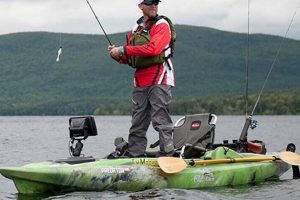
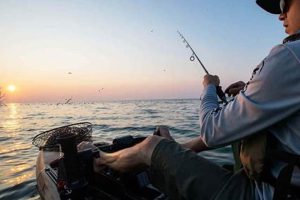
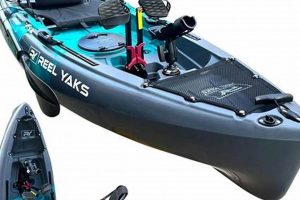
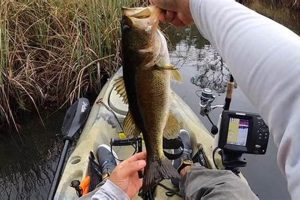
This type of watercraft, manufactured by Hobie, represents a specialized vessel designed for angling activities. It combines the maneuverability of a kayak with features specifically engineered for fishing, such as rod holders, storage compartments, and often, a pedal-driven propulsion system. This allows anglers hands-free operation, enhancing casting and retrieval techniques.
These vessels offer significant advantages for fishing enthusiasts. Their compact size permits access to shallow waters and secluded fishing spots often unreachable by larger boats. The hands-free propulsion leaves anglers free to focus on fishing, and specialized features streamline tackle management and enhance overall efficiency. The evolution of these craft reflects a growing demand for specialized fishing equipment that maximizes angler performance and comfort on the water.
This discussion will further explore specific models, features, and benefits, offering a comprehensive understanding of their design, functionality, and impact on the angling experience. Topics to be covered include variations in hull design, propulsion systems, and accessory integration, allowing readers to make informed decisions based on their individual fishing needs and preferences.
Tips for Utilizing Fishing Kayaks Effectively
Maximizing the performance and enjoyment of a fishing kayak requires understanding key operational and safety considerations. The following tips offer valuable insights for anglers of all skill levels.
Tip 1: Stability and Balance: Understanding the vessel’s center of gravity is crucial. Even weight distribution enhances stability, especially in challenging conditions. Practice entering and exiting the kayak in shallow water to build confidence and balance.
Tip 2: Propulsion Technique: Whether utilizing paddles or a pedal drive, consistent and smooth movements contribute to efficient propulsion and reduce fatigue. Varying stroke cadence and pressure adapts to changing water conditions and conserves energy.
Tip 3: Safety Equipment: A personal flotation device (PFD) is essential and should always be worn. Carrying a signaling device, such as a whistle or flare, is crucial in emergencies. A first-aid kit and communication device are also recommended.
Tip 4: Trip Planning: Researching weather forecasts, water currents, and tides is essential before embarking on any fishing trip. Informing someone of the intended route and estimated return time enhances safety.
Tip 5: Tackle Management: Organizing fishing gear strategically within the kayak maximizes efficiency and accessibility. Utilizing designated storage compartments and rod holders prevents clutter and facilitates quick retrieval of equipment.
Tip 6: Respecting the Environment: Adhering to “Leave No Trace” principles preserves the natural environment. Properly disposing of waste and avoiding disturbance to wildlife are crucial aspects of responsible kayaking.
Tip 7: Regular Maintenance: Regular cleaning and inspection of the kayak, including the hull, propulsion system, and accessories, ensures optimal performance and prolongs its lifespan.
By adhering to these guidelines, anglers can enhance their safety, improve fishing performance, and contribute to the preservation of the aquatic environment. These practices contribute to a more rewarding and sustainable angling experience.
The following section will delve deeper into specific kayak models and features, empowering anglers to make informed decisions based on their individual needs and preferences.
1. Pedal-driven Propulsion

Pedal-driven propulsion systems represent a defining feature of Hobie Pro Fishing Kayaks, differentiating them from traditional paddle-powered kayaks. This innovative approach to kayak propulsion offers significant advantages for anglers, enhancing efficiency, maneuverability, and overall fishing experience.
- Hands-Free Fishing:
The MirageDrive system, a prominent example of pedal propulsion, employs a leg-powered underwater fin system. This allows anglers to maintain continuous propulsion while keeping their hands free for casting, retrieving, and handling fish. This hands-free operation significantly increases fishing efficiency and responsiveness.
- Enhanced Maneuverability:
Pedal drives offer precise control over the kayak’s movement, including subtle adjustments in direction and speed. This level of control is particularly advantageous in challenging environments like shallow water, swift currents, or windy conditions, allowing anglers to position themselves optimally for fishing.
- Increased Speed and Range:
The biomechanics of leg-powered propulsion generally deliver higher speeds and greater range compared to paddling, particularly over extended periods. This enables anglers to cover more water, explore distant fishing spots, and return efficiently, maximizing fishing time and opportunities.
- Stealth and Stability:
The underwater nature of pedal drives produces minimal surface disturbance compared to paddling. This reduced noise and vibration enhance stealth, a crucial factor when approaching fish in shallow water. Furthermore, the continuous propulsion offered by pedal drives contributes to overall kayak stability, particularly beneficial in rougher water or when standing to cast.
These advantages combine to enhance the angler’s overall experience. The freedom of movement, increased efficiency, and enhanced maneuverability afforded by pedal-driven propulsion allow anglers to focus on the art of fishing, maximizing their chances of success while enjoying the comfort and stability of a Hobie Pro Fishing Kayak.
2. Enhanced Stability
Enhanced stability represents a critical design element in these kayaks, directly influencing angler safety, comfort, and fishing effectiveness. Several factors contribute to this stability, including hull design, weight distribution, and outrigger systems. Wider hulls and flatter bottoms generally provide greater primary stability, resisting initial tipping. Strategic weight distribution within the kayak further enhances stability, particularly in rougher conditions. Some models incorporate outriggers or pontoon systems, providing exceptional secondary stability the ability to resist capsizing even when significantly tilted. This enhanced stability allows anglers to confidently stand and cast, maneuver in challenging currents, and handle larger fish without compromising balance or safety. For example, the Hobie Pro Angler 14, known for its wide beam and stable platform, allows anglers to stand and sight-cast in shallow flats with exceptional confidence. This stability is further enhanced by its optional outriggers, enabling anglers to navigate choppy waters and handle larger fish without fear of capsizing.
The practical implications of this stability are significant. Anglers can focus on fishing techniques rather than constantly managing balance. Standing allows for improved visibility, broader casting angles, and more effective fish fighting. The enhanced stability also contributes to angler comfort, reducing fatigue during long hours on the water. This translates to a more enjoyable and productive fishing experience, especially in demanding environments. The ability to stand, cast, and retrieve comfortably and safely expands fishing opportunities, allowing access to shallower waters, stronger currents, and more exposed locations.
In conclusion, enhanced stability is a defining characteristic, engineered through a combination of hull design, weight distribution, and optional outrigger systems. This stability empowers anglers to fish more effectively, comfortably, and safely in a wider range of conditions. The practical significance of this stability is undeniable, contributing directly to improved fishing performance, reduced fatigue, and a more rewarding experience on the water. This emphasis on stability underscores the commitment to angler safety and performance, a key factor differentiating these kayaks in the fishing kayak market.
3. Specialized Fishing Features
Specialized fishing features distinguish these kayaks from recreational models, directly impacting angler effectiveness and overall experience. These features represent a core component of the design and manufacturing philosophy, reflecting a commitment to providing anglers with dedicated tools and functionalities to maximize their success on the water. These integrations range from rod holders and tackle management systems to livewells and transducer mounts, each designed to enhance specific aspects of the fishing process. For example, H-Rail systems provide modularity, allowing anglers to customize their setups with fish finders, GPS units, camera mounts, and other accessories. Multiple rod holders, strategically placed for easy access and different fishing techniques, cater to diverse angling styles. Integrated livewells maintain baitfish or caught fish in optimal condition, while transducer mounts facilitate seamless integration of fish-finding electronics. These features collectively streamline the angling process, minimizing distractions and maximizing time spent fishing.
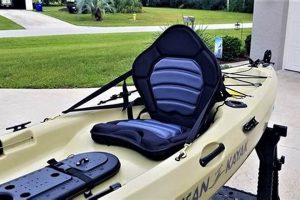
The practical significance of these specialized features extends beyond mere convenience. Efficient tackle management reduces wasted time and effort, allowing anglers to focus on fishing rather than searching for gear. Optimized rod placement enhances responsiveness to bites and improves fish-fighting control. Integrated electronics provide real-time data on water depth, fish location, and bottom structure, informing strategic decisions and increasing the likelihood of success. The availability and integration of these features reflect a deep understanding of angler needs and a commitment to providing tools that enhance both performance and enjoyment. For example, the Pro Angler 14’s Vantage ST seat offers exceptional comfort and adjustability, reducing fatigue during long fishing trips. The Lowrance Ready System simplifies transducer installation, enhancing fish-finding capabilities. These tailored features are not mere add-ons; they are integral components designed to optimize the fishing experience.
In summary, specialized fishing features represent a defining characteristic of these kayaks. Their presence signifies a deliberate focus on angler needs and a commitment to enhancing fishing performance. These integrated features contribute directly to increased efficiency, improved catch rates, and a more rewarding overall angling experience. Understanding the functionality and practical application of these features is essential for anglers seeking to maximize their potential on the water. The integration of these specialized features reflects a broader trend in the fishing kayak market towards increased specialization and a focus on performance-driven design.
4. Advanced Hull Designs

Advanced hull designs play a crucial role in the performance and functionality of Hobie Pro Fishing Kayaks. These designs represent a significant departure from traditional kayak hulls, incorporating specialized features and geometries optimized for stability, speed, maneuverability, and tracking in diverse water conditions. The hull design directly influences how the kayak interacts with the water, impacting its performance characteristics and overall suitability for specific fishing environments. For example, the Hobie Mirage Pro Angler 14 utilizes a multi-chine hull design, providing exceptional stability for stand-up fishing while maintaining efficient tracking in open water. The Hobie Mirage Outback, designed for versatility, features a modified tunnel hull, balancing stability with maneuverability in both calm and choppy conditions. These design choices reflect a careful consideration of intended use and target fishing environments.
The practical significance of these advanced hull designs becomes evident on the water. Enhanced stability translates to greater angler confidence and safety, particularly when standing to cast or fight fish. Improved tracking reduces paddling effort and maintains course in challenging currents or windy conditions. Optimized hull shapes contribute to efficient glide and speed, covering more water with less effort. The hull design also influences maneuverability, allowing for precise adjustments in tight spaces or around obstacles. For example, the shallow draft of the Hobie Mirage Passport 10.5 allows access to shallow creeks and flats, expanding fishing opportunities. The rocker profile of the Hobie Mirage Revolution 13 enhances maneuverability in surf zones and rocky shorelines. Understanding the nuances of these hull designs empowers anglers to select the kayak best suited to their specific fishing needs and preferred environments.
In conclusion, advanced hull designs represent a key element in the performance and versatility of Hobie Pro Fishing Kayaks. The careful consideration of hydrodynamics, stability, and maneuverability in the design process results in kayaks tailored to specific fishing applications. Recognizing the connection between hull design and on-water performance is crucial for anglers seeking to optimize their fishing experience. This focus on advanced hull design underscores a commitment to innovation and performance, driving the evolution of fishing kayaks towards greater specialization and efficiency.
5. Multiple Model Options

The availability of multiple model options within the Hobie Pro Fishing Kayak lineup reflects a strategic approach to addressing the diverse needs and preferences of anglers. This diverse range allows individuals to select a kayak tailored to specific fishing styles, target species, and environmental conditions. Factors such as hull design, size, weight capacity, and integrated features vary across models, offering specialized functionalities for different fishing applications. For example, the Pro Angler series prioritizes stability and capacity for larger anglers and extended trips, while the Outback series balances stability with maneuverability, making it suitable for diverse environments. The Passport series emphasizes portability and ease of transport, catering to anglers seeking a compact and versatile option. This model diversity ensures that anglers can choose a kayak that aligns precisely with their individual requirements.
The practical significance of this model diversity is substantial. Anglers targeting large game fish in offshore environments benefit from the stability and capacity of the Pro Angler 17T. Conversely, anglers navigating shallow rivers and creeks find the maneuverability and portability of the Mirage Compass or Passport series more suitable. The availability of specialized models, such as the Mirage Pro Angler 360, with its unique 360-degree drive system, caters to anglers seeking ultimate maneuverability in tight spaces. Understanding the specific attributes of each model empowers anglers to make informed decisions, optimizing their fishing experience based on target species, fishing location, and personal preferences. This model-specific approach to design and functionality contrasts with a one-size-fits-all approach, demonstrating a commitment to catering to the nuanced needs of the angling community.
In summary, the multiple model options available within the Hobie Pro Fishing Kayak lineup represent a strategic response to the diverse requirements of anglers. This variety allows individuals to select a kayak optimized for their specific fishing style, target species, and environmental conditions. The practical implications of this model diversity are significant, empowering anglers to choose a kayak that maximizes their effectiveness, comfort, and overall enjoyment on the water. The availability of specialized models for specific fishing applications underscores a dedication to providing anglers with the tools they need to succeed in their chosen pursuit. This focus on model diversity and specialization reinforces Hobie’s position as a leading innovator in the fishing kayak market.
6. Durable Construction
Durable construction is a critical aspect of Hobie Pro Fishing Kayaks, directly influencing their lifespan, performance, and overall value. These kayaks are engineered to withstand the rigors of the marine environment, including exposure to saltwater, UV radiation, and impacts from rocks, submerged obstacles, and regular use. The materials used in their construction, such as rotomolded polyethylene, are selected for their impact resistance, durability, and resistance to UV degradation. Reinforced areas, particularly in high-stress zones like the hull and deck, further enhance durability and structural integrity. For example, the Hobie Mirage Pro Angler series utilizes a thicker hull construction in key areas to withstand impacts and abrasion in demanding fishing environments. This robust construction ensures long-term performance and reliability, even under challenging conditions.
The practical implications of this durable construction are substantial. Kayaks subjected to harsh conditions, including frequent transport, rocky shorelines, and extended exposure to the elements, require robust construction to maintain their structural integrity and performance over time. A durable kayak resists damage, reducing the need for repairs and replacements, ultimately minimizing long-term costs. This durability also contributes to safety, providing a reliable platform in challenging conditions and ensuring angler confidence. For example, anglers navigating rocky rivers or surf zones benefit significantly from the impact resistance of rotomolded polyethylene hulls. The ability to withstand impacts and abrasion ensures the kayak’s structural integrity and the angler’s safety in demanding environments. This resilience translates to a longer lifespan, preserving the kayak’s value and reducing the environmental impact associated with frequent replacements.
In conclusion, durable construction represents a fundamental element in the design and engineering of Hobie Pro Fishing Kayaks. The use of robust materials, reinforced construction techniques, and rigorous testing protocols contribute to their longevity, performance, and overall value. This focus on durability directly translates to increased reliability, enhanced safety, and reduced long-term costs. The practical significance of this durable construction is undeniable, ensuring that these kayaks remain dependable fishing platforms for years to come, even under the most demanding conditions. This commitment to durability reflects a broader industry trend towards sustainable manufacturing practices and a focus on long-term value for consumers.
Frequently Asked Questions
This section addresses common inquiries regarding these specialized fishing kayaks, providing concise and informative responses to clarify key aspects of their design, functionality, and usage.
Question 1: What differentiates these kayaks from traditional fishing kayaks?
Key differentiators include the patented MirageDrive pedal system, enabling hands-free fishing, and specialized features like integrated rod holders, H-Rail mounting systems, and advanced hull designs optimized for stability and performance.
Question 2: How durable are these kayaks, considering the marine environment?
These kayaks are constructed from rotomolded polyethylene, known for its impact resistance, UV resistance, and durability in saltwater environments. Reinforced areas further enhance structural integrity in high-stress zones.
Question 3: What maintenance is required to ensure optimal performance and longevity?
Regular rinsing with freshwater after saltwater use, periodic inspection of the hull and drive system, and proper storage practices contribute significantly to the kayak’s lifespan and performance.
Question 4: Are these kayaks suitable for beginners, or do they require prior kayaking experience?
While prior kayaking experience is beneficial, these kayaks are designed with stability and user-friendliness in mind. Beginners can quickly adapt to the pedal-driven propulsion system and benefit from the kayak’s inherent stability.
Question 5: What factors should be considered when choosing a specific model?
Factors to consider include fishing style, target species, intended fishing environment (calm waters, rivers, or open ocean), weight capacity requirements, and desired features like integrated electronics or specialized storage solutions.
Question 6: Where can one find authorized dealers or retailers for purchasing and servicing?
A comprehensive dealer locator is available on the official Hobie website, providing contact information and locations of authorized dealers worldwide. These dealers offer sales, service, and expert advice on selecting the appropriate kayak and accessories.
Understanding these key aspects of Hobie Pro Fishing Kayaks empowers individuals to make informed decisions regarding purchase, usage, and maintenance. Thorough research and consideration of individual needs and preferences ensure a rewarding and productive fishing experience.
The following section will provide further details on specific models and features, offering a comprehensive guide for selecting the ideal kayak based on individual fishing requirements and preferences.
Conclusion
Hobie Pro Fishing Kayaks represent a significant advancement in angling technology, offering a specialized platform designed to enhance fishing effectiveness and overall experience. Exploration of key features, including the MirageDrive pedal system, advanced hull designs, specialized fishing features, multiple model options, and durable construction, reveals a commitment to innovation and performance. These kayaks provide anglers with unparalleled maneuverability, stability, and hands-free operation, optimizing fishing techniques and maximizing time spent actively engaged in the pursuit. The diverse range of models caters to various fishing styles and environmental conditions, offering specialized solutions for diverse angling needs.
The integration of advanced technology, coupled with a focus on angler-centric design, positions these kayaks as valuable tools for serious fishing enthusiasts. Continued advancements in kayak design and technology promise further enhancements to on-water performance and fishing effectiveness. Consideration of individual fishing needs, careful model selection, and adherence to recommended usage and maintenance practices will ensure a rewarding and productive experience for anglers seeking to maximize their potential on the water. The evolution of fishing kayak technology continues, driven by a pursuit of enhanced performance, efficiency, and angler engagement.