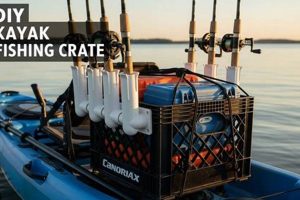
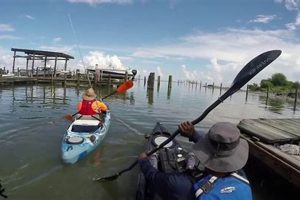
Maintaining a livewell or employing effective fish-holding techniques during a kayak fishing trip ensures the freshness and quality of the catch until reaching shore. This might involve using a specialized kayak with a built-in livewell, a portable livewell, a cooler with ice, or a stringer system. For example, a kayak angler might utilize a battery-operated aerator in a livewell to keep their catch oxygenated.
Preserving catch viability on the water is crucial for both ethical considerations and practical reasons. Releasing unwanted or undersized fish unharmed promotes conservation, while keeping intended catches fresh contributes to a higher-quality culinary experience. Historically, anglers utilized woven baskets and other simple containers to retain fish, but modern methods offer superior outcomes. Freshly caught fish maintain better texture and flavor, optimizing their value both for consumption and, in certain cases, for scientific study.
The subsequent sections will explore various methods for maintaining fish viability during a kayaking trip, including the advantages and disadvantages of different approaches, best practices for handling fish, and relevant regulations concerning catch limits and fish handling.
Tips for Maintaining Fish Viability While Kayak Fishing
Several strategies can be employed to ensure fish remain healthy and fresh during a kayak fishing excursion. Choosing the right method depends on factors such as the species being targeted, the duration of the trip, and available storage space.
Tip 1: Select an Appropriate Livewell System: Kayak-specific livewells, whether built-in or portable, offer the best environment for keeping fish alive. Built-in systems integrate seamlessly with the kayak, while portable versions offer flexibility. Select a size appropriate for anticipated catches.
Tip 2: Utilize Aeration Effectively: Oxygen depletion is a primary concern in livewells. Battery-powered aerators, recirculating pumps, or even periodic additions of fresh water can significantly improve oxygen levels and fish survival.
Tip 3: Employ Proper Fish Handling Techniques: Minimize handling time and avoid squeezing or dropping fish. Wet hands or use a landing net to reduce damage to the fish’s protective slime coat.
Tip 4: Control Water Temperature: Extreme temperatures can stress or kill fish. Adding ice or frozen water bottles to a livewell can help maintain a suitable temperature, particularly in warmer climates.
Tip 5: Consider a Cooler with Ice for Shorter Trips: For shorter trips or when targeting robust species, a cooler filled with ice can serve as an effective alternative to a livewell. Layering fish between ice is essential to ensure rapid cooling.
Tip 6: Utilize a Stringer as a Last Resort: Stringers, while convenient, offer the least protection for fish. Only use them in cool, well-oxygenated water, and avoid overcrowding. Check the stringer regularly and release any fish showing signs of distress.
Tip 7: Adhere to Regulations and Best Practices: Familiarize oneself with local regulations concerning catch limits, size restrictions, and permitted methods of fish retention. Adhering to these guidelines ensures responsible and ethical angling practices.
Implementing these practices can dramatically improve the success of preserving fish during a kayak fishing trip. Selecting appropriate equipment, utilizing proper handling techniques, and adhering to ethical guidelines contribute to both a more rewarding fishing experience and the sustainability of aquatic resources.
The concluding section offers a summary of key considerations and reinforces the importance of responsible fish handling in kayak angling.
1. Livewell

Livewells represent a crucial component in maintaining fish viability during kayak angling excursions. These self-contained systems provide a controlled environment designed to mimic natural aquatic conditions, enabling anglers to keep their catch alive and healthy for extended periods. This capacity directly addresses the central challenge of preserving fish caught from a kayak, where immediate return to shore is not always feasible or desirable. A livewell allows for the continuous oxygenation and temperature regulation necessary for fish survival, thus maximizing the quality and freshness of the catch upon return.
The efficacy of a livewell in kayak fishing stems from its ability to mitigate the stressors that typically compromise fish health out of water. Oxygen depletion, temperature fluctuations, and physical trauma are primary concerns when handling captured fish. Livewells address these issues through various mechanisms. Aeration systems, whether battery-powered pumps or recirculating systems, introduce oxygen into the water, counteracting depletion. The insulated nature of a livewell buffers against rapid temperature changes, protecting fish from thermal stress. Furthermore, the contained environment minimizes the potential for physical damage during transport. For example, a kayak angler targeting sensitive species like trout in warm weather would benefit significantly from a livewell equipped with aeration and temperature control features.
Understanding the role and operation of livewells is essential for maximizing their effectiveness in kayak fishing. Factors such as livewell capacity, aeration efficiency, and temperature management must be considered in relation to the target species, trip duration, and ambient conditions. Proper livewell maintenance, including regular cleaning and water changes, also contributes significantly to fish health and survival. Challenges associated with livewell use, such as weight and space constraints in a kayak, can be addressed through careful selection and integration of the system. Ultimately, effective livewell utilization enhances both the ethical treatment of captured fish and the quality of the catch for consumption or scientific purposes.
2. Cooler

Coolers serve as a practical and readily available method for preserving fish caught while kayak fishing. While not offering the life-sustaining environment of a livewell, coolers effectively maintain fish quality for shorter trips or when targeting hardy species. Their role centers on rapidly chilling the catch and slowing down the deterioration process, making them a viable alternative when space or other constraints limit livewell usage. The following facets illustrate the application of coolers in this context.
- Temperature Management
Maintaining a low temperature is crucial for preserving fish quality. Coolers achieve this through insulation and the addition of ice or other cooling agents. Pre-chilling a cooler before a fishing trip enhances effectiveness. Sufficient ice, layered both beneath and above the fish, ensures rapid and uniform cooling, inhibiting bacterial growth. For instance, layering fish between generous amounts of crushed ice maintains a lower temperature than using block ice, extending freshness. Regularly replenishing melted ice is also crucial for optimal temperature management.
- Cooler Size and Type
Cooler selection hinges on the anticipated catch size and duration of the trip. Smaller coolers suffice for shorter outings and smaller fish, while larger, heavily insulated coolers are necessary for longer expeditions or larger catches. Various cooler types exist, from basic foam chests to high-end roto-molded coolers. Selecting the correct size and type balances capacity needs with space constraints inherent in kayak fishing. For example, a small, soft-sided cooler might be suitable for a half-day trip targeting panfish, whereas a larger, hard-sided cooler would be necessary for a multi-day trip targeting larger game fish.
- Fish Handling and Placement
Proper fish handling and placement within the cooler contribute significantly to preserving freshness. Minimizing handling time and quickly placing fish on ice reduces the opportunity for bacterial growth. Cleaning and gutting fish before placing them in the cooler, while sometimes debated due to potential flavor loss, can further enhance preservation. Avoiding overcrowding in the cooler allows for better ice contact and more efficient cooling. For example, wrapping cleaned fish individually in plastic bags or aluminum foil before placing them on ice further protects against contamination and preserves flavor.
- Alternatives to Conventional Ice
While conventional ice remains the most common cooling agent, alternatives exist that offer potential advantages in certain situations. Reusable ice packs or frozen water bottles provide a longer-lasting cooling effect compared to ice. Pre-frozen bait or specially designed cooler packs can also contribute to overall temperature reduction. However, these alternatives may not achieve the same rapid cooling effect as conventional ice and often occupy more space. Using a combination of methods, like pre-chilling with ice packs and then layering with conventional ice, might provide the best results.
Effective cooler utilization for preserving fish during kayak fishing hinges on a combination of proper temperature management, appropriate cooler selection, careful fish handling, and strategic use of cooling agents. While not offering the same life-sustaining capabilities as a livewell, coolers provide a practical and accessible means of maintaining fish quality, extending the enjoyment and maximizing the yield of the kayak fishing experience.
3. Stringer
Stringers, while offering a simple and readily available method for retaining captured fish during kayak fishing, present significant limitations compared to livewells or coolers. Their use should be approached with caution, prioritizing fish welfare and adhering to ethical angling practices. Stringers involve a cord or chain with clips for attaching fish through the gills or jaw, allowing them to remain submerged in the water. This method, however, offers minimal protection from environmental stressors and can lead to fish mortality if not employed responsibly. Understanding the implications and limitations of stringer use is crucial for responsible kayak angling.
- Oxygen Availability and Water Quality
Stringer effectiveness hinges on access to cool, well-oxygenated water. Stagnant or warm water quickly depletes oxygen, stressing or killing fish attached to a stringer. Water quality also plays a vital role; polluted water can introduce pathogens or toxins, further compromising fish health. Current and depth influence oxygen levels and should be considered when using a stringer. For example, attaching a stringer in a shallow, stagnant backwater on a warm day risks rapid oxygen depletion and subsequent fish mortality.
- Fish Species Suitability and Stress
Stringers are more suitable for robust species tolerant of handling and environmental fluctuations. Sensitive species, such as trout or salmon, experience significant stress and increased mortality rates when retained on a stringer. The act of piercing the gills or jaw inflicts physical trauma, potentially leading to infection. Constant exposure to currents and potential abrasion against rocks or the kayak further contributes to stress and injury. Selecting appropriate species for stringer use and minimizing handling time are critical factors in ethical angling.
- Predation and Tanglement
Fish attached to a stringer remain vulnerable to predation. Larger aquatic predators, like sharks or pike, can easily target immobilized fish, potentially resulting in lost catch and attracting unwanted attention. Tanglement poses another risk. Stringers can become entangled in underwater debris, vegetation, or the kayak itself, leading to fish injury or loss. Regularly checking the stringer and selecting secure attachment points minimize these risks. For example, avoiding areas with known predator activity or dense vegetation reduces the likelihood of predation or entanglement.
- Regulations and Ethical Considerations
Local regulations often restrict stringer use or stipulate specific requirements regarding their length, material, or allowed species. Adhering to these regulations ensures legal compliance and promotes responsible fishing practices. Beyond regulations, ethical considerations should guide stringer usage. Minimizing the number of fish retained on a stringer, releasing unwanted or undersized fish immediately, and prioritizing fish welfare demonstrate respect for aquatic resources. For example, promptly releasing non-target species minimizes stress and maximizes their survival chances.
Stringers, while a seemingly simple fish retention method, present significant challenges regarding fish welfare and conservation. Their use in kayak fishing should be limited to specific situations and employed responsibly, prioritizing oxygen availability, species suitability, and predator awareness. Adherence to local regulations and ethical considerations ensures responsible angling and contributes to sustainable fisheries management. When possible, prioritizing methods like livewells or coolers minimizes stress on captured fish and aligns with best practices in conservation-minded angling.
4. Aeration

Aeration plays a critical role in maintaining fish viability within confined aquatic environments, such as livewells used in kayak fishing. Dissolved oxygen, essential for fish respiration, depletes rapidly in enclosed spaces. Aeration replenishes this vital oxygen, preventing stress and mortality. The efficacy of aeration directly impacts the ethical treatment and overall survival of captured fish. For example, without adequate aeration, a livewell can quickly become a hypoxic environment, leading to fish suffering and ultimately death. Therefore, understanding the principles and application of aeration is fundamental to responsible kayak angling practices.
Several methods achieve effective aeration in kayak livewells. Battery-powered aerators introduce air bubbles directly into the water, increasing the surface area for oxygen absorption. Recirculating pumps create water movement, promoting oxygen exchange at the surface. Even periodically adding fresh water to the livewell can introduce some oxygen. The choice of aeration method depends on factors like livewell size, target species, and trip duration. For instance, a larger livewell containing active, oxygen-demanding species necessitates a more robust aeration system than a smaller livewell holding less active fish. Combining methods, like using an aerator and periodically adding fresh water, further enhances oxygenation.
Challenges associated with aeration in kayak fishing include power consumption for battery-operated systems, potential noise disruption from pumps, and the added weight and space requirements of aeration equipment. Careful planning and selection of appropriate aeration methods address these challenges. Optimizing aeration efficiency involves considering factors like water temperature, fish density, and livewell design. Ultimately, effective aeration contributes significantly to preserving fish health and ensuring a successful and ethical kayak fishing experience. Failure to prioritize aeration can compromise fish welfare, diminishing the value of the catch and potentially violating ethical angling practices.
5. Ice
Ice plays a crucial role in preserving fish freshness during kayak fishing trips, particularly when using a cooler as the primary means of fish retention. Its effectiveness stems from its ability to rapidly lower the temperature of the catch, inhibiting bacterial growth and enzymatic activity that contribute to spoilage. Effective ice utilization hinges on several key factors that influence its cooling capacity and duration.
- Type and Quantity of Ice
Different ice forms exhibit varying cooling properties. Crushed ice, due to its larger surface area, chills fish more rapidly than block ice, but it also melts faster. Block ice provides a longer-lasting cooling effect but sacrifices initial cooling speed. The quantity of ice used directly impacts temperature maintenance. An insufficient amount may fail to adequately chill the catch, while an excessive amount can displace valuable storage space. Balancing cooling efficiency with storage capacity necessitates careful consideration of the anticipated catch size and trip duration. For example, a larger catch of oily fish, which spoil more rapidly, necessitates a greater quantity of crushed ice for rapid cooling.
- Pre-Chilling and Layering Techniques
Pre-chilling the cooler before adding fish significantly enhances ice effectiveness. This establishes a lower initial temperature, reducing the thermal load on the ice once fish are added. Layering fish between ice ensures uniform cooling. Placing fish directly on the cooler bottom, without an ice layer beneath, limits cooling efficiency. Layering ice above the fish further insulates and maintains a consistently low temperature. Combining pre-chilling with proper layering techniques optimizes temperature management and extends the duration of ice effectiveness. For instance, pre-chilling a cooler overnight and then layering fish between generous amounts of crushed ice maximizes cooling potential and extends freshness.
- Insulation Quality and Cooler Material
Cooler insulation plays a critical role in preserving ice and maintaining low temperatures. High-quality coolers, often constructed from roto-molded plastic with thick insulation, retain ice significantly longer than less expensive, thinner-walled coolers. Cooler material also influences performance. Materials with higher insulation values minimize heat transfer, extending ice life. Selecting a cooler with appropriate insulation for the anticipated trip duration and ambient conditions is essential for effective fish preservation. For example, a high-end roto-molded cooler maintains ice for several days, even in warm weather, while a basic foam cooler might only suffice for a short day trip.
- Water Management within the Cooler
As ice melts, the resulting water can accelerate further melting and potentially compromise fish quality. Draining excess water periodically helps maintain a lower temperature and prevents the fish from becoming waterlogged. However, some anglers believe that a small amount of ice water helps maintain consistent cooling throughout the cooler. Balancing water removal with the need for consistent cooling requires observation and adjustment based on specific conditions. For instance, regularly draining excess water in a cooler containing rapidly melting crushed ice helps preserve the remaining ice and maintains a lower temperature.
Effective ice utilization is paramount for maintaining fish quality during kayak fishing trips. Understanding the nuances of ice type, pre-chilling techniques, layering strategies, and water management within the cooler directly impacts the success of this preservation method. Selecting appropriate ice types and quantities, combined with effective cooler management, ensures a fresh and rewarding catch while minimizing spoilage and maximizing the enjoyment of the kayak fishing experience.
6. Regulations
Regulations governing fish retention play a critical role in how anglers maintain their catch while kayak fishing. These regulations, often varying by location and species, directly impact permissible methods, catch limits, and size restrictions. Understanding and adhering to these regulations is not merely a legal obligation; it forms an integral part of ethical angling and contributes directly to sustainable fisheries management. Ignoring regulations can lead to legal penalties, damage fish populations, and undermine the long-term health of aquatic ecosystems. For example, exceeding catch limits for a particular species, even if unintentionally, can deplete local populations and disrupt the ecological balance.
Regulations often dictate permissible methods for retaining fish. Some areas may prohibit stringers entirely due to their potential for harming fish, while others may restrict livewell sizes or require specific aeration methods. Size restrictions, designed to protect breeding populations, necessitate accurate measurement and immediate release of undersized fish. Possessing undersized or prohibited species, even within a livewell, constitutes a violation. Specific regulations might also apply to certain species or during specific seasons. For example, during spawning seasons, regulations might prohibit the retention of certain species to protect breeding populations. Understanding these nuances requires consultation of local fishing regulations before embarking on a kayak fishing trip.
Compliance with fish retention regulations requires diligent preparation and responsible angling practices. Carrying a current copy of local fishing regulations, possessing appropriate measuring tools, and understanding species identification are crucial steps. Practicing selective harvesting, targeting only desired species and sizes, minimizes the need for complex sorting and handling later. Promptly releasing unwanted or undersized fish minimizes stress and maximizes their survival chances. Ultimately, adherence to regulations demonstrates respect for the environment and contributes to the long-term sustainability of kayak fishing as a recreational activity. It ensures the continued health and viability of fish populations, allowing future generations to enjoy the sport.
Frequently Asked Questions
This section addresses common inquiries regarding maintaining fish viability during kayak fishing excursions. Clarity on these points promotes responsible angling practices and ensures adherence to regulations.
Question 1: What is the most effective method for keeping fish alive while kayak fishing?
A properly sized and functioning livewell, equipped with adequate aeration, offers the optimal environment for maintaining fish viability. This method provides continuous oxygenation and temperature control, promoting fish health and survival.
Question 2: Can a standard cooler suffice for keeping fish fresh during a kayak fishing trip?
A cooler with ample ice can effectively preserve fish freshness for shorter trips or when targeting robust species. Pre-chilling the cooler and layering fish between ice is essential for optimal cooling.
Question 3: Are stringers an acceptable method for retaining fish while kayak fishing?
Stringer use should be approached with caution. They offer minimal protection and can lead to fish mortality if not employed responsibly. Oxygen availability, species suitability, and potential predation are critical considerations.
Question 4: How crucial is aeration in a kayak livewell?
Aeration is essential for maintaining adequate dissolved oxygen levels within a livewell. Oxygen depletion occurs rapidly in enclosed spaces, leading to fish stress and mortality if not addressed through effective aeration methods.
Question 5: What type of ice is most effective for preserving fish in a cooler?
Crushed ice, due to its larger surface area, chills fish more rapidly than block ice. However, block ice provides a longer-lasting cooling effect. The optimal choice depends on the specific needs of the fishing trip.
Question 6: Where can one find information on specific fish retention regulations?
Local fish and wildlife agencies provide detailed information on regulations concerning catch limits, size restrictions, and permitted methods. Consulting these resources before a fishing trip ensures compliance and promotes responsible angling.
Understanding these aspects of fish retention ensures both a successful fishing experience and the ethical treatment of captured fish. Adherence to regulations and responsible angling practices contributes to the long-term health of aquatic ecosystems.
Additional resources and further information regarding kayak fishing techniques and best practices can be found in the following section.
Maintaining Fish Viability During Kayak Angling
Preserving fish caught from a kayak requires careful consideration of various factors, impacting both catch quality and ethical angling practices. Livewells offer the most effective environment for maintaining live fish, utilizing aeration and temperature control. Coolers provide a practical alternative for shorter trips or robust species when adequately iced and managed. Stringers, though a simpler method, present significant risks to fish welfare and should be employed with caution, considering oxygen availability and species suitability. Adhering to local fishing regulations regarding catch limits, size restrictions, and permitted retention methods is paramount. Selecting appropriate gear and techniques based on target species, trip duration, and environmental conditions ensures a successful and responsible kayak fishing experience.
Prioritizing fish welfare through proper handling, utilizing effective retention methods, and adhering to regulations ensures a sustainable future for kayak angling. This approach preserves fish populations, minimizes environmental impact, and upholds the ethical responsibilities of anglers. Continuous learning and adaptation of best practices contribute to the long-term enjoyment and ecological viability of this increasingly popular recreational activity.