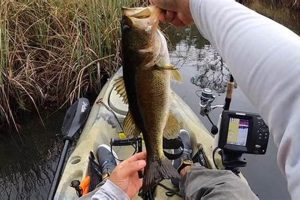
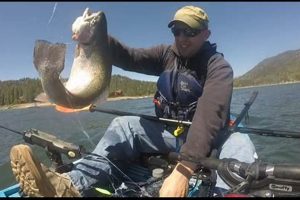
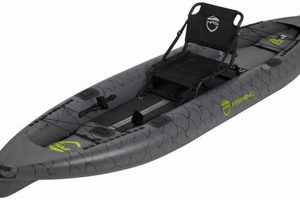
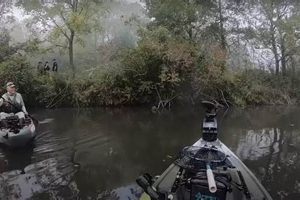
This activity involves angling for marine species from a small, human-powered vessel. It offers a unique blend of sport, recreation, and connection with nature, allowing anglers to access shallower waters and experience a closer interaction with the marine environment than possible from larger boats. Imagine casting a line for snapper near a reef or trolling for pelagic fish just off the coast these are typical examples of this pursuit.
The accessibility and relatively low cost of entry make it an increasingly popular pastime. It provides significant benefits, including physical exercise, stress reduction, and the potential for sustainable harvesting of food resources. Historically, kayaks played a crucial role in subsistence fishing for many coastal communities, demonstrating a longstanding connection between humans and the sea. This heritage adds a layer of richness and depth to the modern recreational practice.
The subsequent sections will delve into essential aspects of this activity, including selecting appropriate equipment, safety precautions, popular target species, and responsible fishing practices. This information will equip prospective and experienced anglers alike with the knowledge and insights necessary for a safe and rewarding experience on the water.
Tips for Open-Water Kayak Angling
Planning and preparation are critical for a successful and safe experience on the water. The following tips offer guidance for anglers of all skill levels.
Tip 1: Check Weather and Sea Conditions: Prior to departure, consult marine forecasts for wind speed, wave height, and tidal currents. Avoid venturing out in adverse conditions that could compromise stability or create hazardous situations.
Tip 2: Choose the Right Kayak: Select a kayak designed for stability and suitable for the intended fishing environment. Consider features like rod holders, storage compartments, and anchor systems.
Tip 3: Wear a Personal Flotation Device (PFD): A PFD is essential safety equipment and should be worn at all times while on the water. Ensure it fits properly and is in good working order.
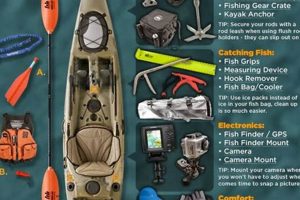
Tip 4: Carry Essential Safety Gear: Equip the kayak with a signaling device (whistle, flares), a first-aid kit, a communication device (waterproof VHF radio or cell phone in a waterproof case), and a bilge pump or sponge.
Tip 5: Pack Light and Securely: Minimize gear and distribute weight evenly within the kayak for optimal balance. Secure all items to prevent loss or shifting during movement.
Tip 6: Practice Paddling and Maneuvering: Develop proficiency in paddling and maneuvering the kayak, particularly in wind and currents, before venturing into open water.
Tip 7: Familiarize Oneself with Fishing Regulations: Research and adhere to all applicable fishing regulations, including licensing requirements, size and catch limits, and permitted fishing methods.
By following these guidelines, anglers can enhance safety, improve fishing success, and contribute to a more enjoyable and responsible experience on the water.
Careful planning and adherence to safety protocols are paramount for successful kayak angling in the ocean. The following sections will further explore specific techniques and considerations for targeting various fish species.
1. Kayak Selection

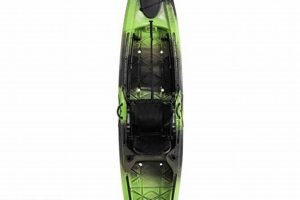
Appropriate kayak selection is paramount for safe and successful ocean fishing. The vessel must provide stability, storage, and maneuverability suitable for the open-water environment. Choosing the right kayak significantly impacts angler safety, fishing effectiveness, and overall enjoyment.
- Hull Design
Hull design directly influences stability and tracking. Wider, flatter hulls offer greater initial stability, beneficial for casting and reeling in fish, but sacrifice speed and maneuverability. Longer, narrower hulls track better in a straight line, ideal for trolling, but require more experience to maintain balance. A sit-on-top design enhances stability and simplifies re-entry after a capsize, while sit-inside models offer protection from the elements and greater storage capacity.
- Length and Weight Capacity
Longer kayaks generally track better and offer more storage, crucial for carrying fishing gear and potential catches. Weight capacity determines how much gear and angler weight the kayak can safely support. Exceeding the weight capacity compromises stability and performance. A kayak’s length and weight capacity must align with the angler’s size and the anticipated gear load.
- Features and Accessories
Specialized features enhance fishing functionality. Rod holders, integrated tackle storage, and anchor trolleys streamline fishing operations. Rudders or skegs improve tracking, particularly helpful in windy conditions. Features like these contribute significantly to angler efficiency and comfort.
- Material and Construction
Kayak construction materials affect durability, weight, and cost. Polyethylene kayaks offer durability and affordability but are heavier. Composite materials, like fiberglass or carbon fiber, provide lighter weight and improved performance but come at a premium cost. Material choice depends on budget, transportation considerations, and desired performance characteristics.
Careful consideration of these facets ensures the chosen kayak aligns with the angler’s skill level, target species, and fishing style. Selecting the appropriate vessel enhances safety, improves fishing effectiveness, and ultimately contributes to a more rewarding experience on the water.
2. Safety Equipment

Safety equipment is paramount for mitigating risks inherent in open-water kayak angling. The ocean environment presents unpredictable conditions, including changing weather, vessel traffic, and potential wildlife encounters. Equipment selection and proper usage are crucial for angler well-being and successful emergency response. A reliable personal flotation device (PFD) is fundamental, ensuring buoyancy in the event of capsize or accidental immersion. A communication device, such as a VHF radio or a waterproofed cell phone, enables contact with emergency services or shore support if needed. Visual and auditory signaling devices, including flares, whistles, and air horns, increase visibility and aid in attracting attention in distress situations. For example, a brightly colored PFD enhances visibility to boaters in low-light conditions, while a VHF radio provides direct communication with the Coast Guard in case of an emergency far offshore.
Beyond these essentials, additional safety equipment enhances preparedness. A first-aid kit equipped to handle common injuries, such as cuts, hooks, and stings, provides immediate medical attention. Navigation tools, including a compass, chart, and GPS device, aid in maintaining course and returning to shore, especially in fog or reduced visibility. A bilge pump or sponge assists in removing water from the kayak, critical for maintaining stability after wave impact or capsize. Carrying spare paddle, leash, and appropriate clothing layers safeguards against equipment failure and changing weather conditions. A sea anchor can provide stability in rough seas and assist in maintaining position in strong currents, reducing drift and aiding rescue efforts. Knowledge of basic first aid and self-rescue techniques complements equipment, enabling effective response to unforeseen circumstances. For example, knowing how to perform a self-rescue or assist another kayaker back into their vessel after a capsize can be life-saving.
Prioritizing safety equipment and developing proficiency in its use transforms a potentially hazardous situation into a manageable one. Preparation mitigates risk, fosters confidence, and allows anglers to fully enjoy the experience of ocean kayak fishing while minimizing potential dangers. This proactive approach to safety underscores the importance of responsible engagement with the marine environment and reinforces the value of preparedness in any open-water activity.
3. Target Species
Target species selection significantly influences equipment choices, fishing locations, and techniques employed in ocean kayak angling. Understanding the behavior, habitat preferences, and feeding patterns of desired species is crucial for successful angling. Matching tackle and techniques to the target species maximizes catch rates and contributes to a more rewarding experience.
- Nearshore Species
Nearshore species inhabit relatively shallow waters close to the coastline, including bays, estuaries, and reefs. Common examples include snapper, flounder, and sea trout. Targeting these species often involves lighter tackle and techniques like bottom fishing or casting lures near structures. Kayaks provide excellent access to these shallow-water habitats, allowing anglers to exploit areas inaccessible to larger vessels. Knowledge of local tides, currents, and bottom topography enhances success when pursuing nearshore species.
- Pelagic Species
Pelagic species, such as tuna, mackerel, and mahi-mahi, roam the open ocean, often inhabiting deeper waters. Targeting these species requires heavier tackle, specialized techniques like trolling or drifting live bait, and potentially venturing further offshore. Kayaks, while offering a unique perspective on pelagic fishing, require careful planning and attention to safety due to the increased distance from shore and potential encounters with larger marine life. Understanding migratory patterns and oceanographic features, like temperature breaks and current convergences, increases the likelihood of encountering pelagic species.
- Bottom-Dwelling Species
Bottom-dwelling species, including grouper, cod, and halibut, reside on or near the seabed. Anglers target these species using heavier tackle and techniques like bottom fishing with weighted rigs and natural baits. Kayak anglers can effectively target bottom dwellers in shallower waters, leveraging their maneuverability to position themselves over reefs or wrecks. Accurate depth sounders and knowledge of bottom structure are essential for locating these species.
- Seasonal Variations
Fish distribution and behavior change throughout the year, influenced by factors like water temperature, spawning cycles, and prey availability. Understanding seasonal variations in target species behavior is essential for effective angling. For example, certain species might migrate closer to shore during specific seasons for spawning or feeding, presenting optimal opportunities for kayak anglers. Consulting local fishing reports and tide charts provides valuable insights into seasonal patterns and potential fishing hotspots.
Matching fishing techniques and equipment to the specific target species significantly enhances angling success and contributes to a more fulfilling experience on the water. Considering the unique capabilities and limitations of kayak fishing in relation to target species behavior allows anglers to make informed decisions, maximize their chances of success, and contribute to responsible fishing practices.
4. Fishing Techniques

Effective fishing techniques are essential for successful angling from a kayak in the ocean environment. The kayak’s unique mobility and low profile offer advantages for specific techniques while presenting challenges for others. Understanding these nuances allows anglers to maximize their effectiveness and enjoy a more productive fishing experience. Adapting techniques to the kayak’s inherent stability limitations and leveraging its maneuverability are key considerations.
- Trolling
Trolling involves dragging lures or baited lines behind a moving kayak. This technique effectively covers a wide area and targets pelagic species like mackerel, tuna, or kingfish. Kayak anglers can troll multiple lines simultaneously, using rod holders to manage multiple setups. Speed control is crucial, maintaining a pace that effectively presents the lures while preventing line tangles. Specialized trolling equipment, like planer boards and downriggers, expands the range of depths and presentations available to kayak anglers.
- Drift Fishing
Drift fishing involves allowing the kayak to drift naturally with currents or wind while presenting bait or lures at various depths. This technique is particularly effective for targeting bottom-dwelling species like grouper or snapper. Kayak anglers can utilize drift socks to control the drift speed and maintain optimal bait presentation. Regularly checking the position and adjusting the drift based on bottom structure and fish activity maximizes effectiveness.
- Casting and Jigging
Casting and jigging involve actively presenting lures or jigs to target species. Kayak anglers can access shallow water areas and structure, casting near shorelines, reefs, or kelp forests. Jigging vertically near the bottom targets species like cod or halibut. The kayak’s maneuverability allows anglers to position themselves precisely for optimal casting angles and retrieve presentations, exploiting areas inaccessible to larger boats. A variety of lures and jigging techniques can be employed depending on the target species and prevailing conditions.
- Bottom Fishing
Bottom fishing involves presenting bait or lures directly on the seafloor, targeting species like flounder, grouper, or sea bass. Kayak anglers can anchor or drift over promising bottom structures. Using appropriate weights and terminal tackle ensures bait presentation remains in the target zone. Understanding tidal flows and bottom composition enhances effectiveness, allowing anglers to position themselves and present their offerings in areas with higher fish concentrations. Specialized rigs and techniques, such as Carolina rigs or fish finder rigs, can improve catch rates.
Adapting these techniques to the kayak platform requires careful consideration of stability and maneuverability. Maintaining a low center of gravity, distributing weight evenly, and practicing paddling skills are essential for safe and effective fishing. By selecting appropriate techniques and adapting them to the kayak’s unique characteristics, anglers can effectively target a wide range of species and enjoy a rewarding ocean fishing experience.
5. Environmental Awareness

Environmental awareness is paramount for sustainable and responsible ocean fishing in a kayak. Kayak anglers interact directly with the marine environment, placing them in a unique position to understand and mitigate potential impacts. Minimizing ecological disturbance and promoting conservation practices ensures the longevity of this recreational activity and the health of the marine ecosystem.
- Leave No Trace Principles
Adhering to Leave No Trace principles minimizes human impact on the environment. Packing out all trash, including fishing line and tackle debris, prevents pollution and entanglement hazards for marine life. Avoiding disturbing sensitive habitats, such as seagrass beds or coral reefs, protects these vital ecosystems. Proper disposal of fish waste minimizes nutrient loading and reduces the attraction of scavengers.
- Respect for Wildlife
Respectful interaction with marine wildlife is crucial. Observing marine animals from a safe distance avoids disturbance and minimizes stress. Refraining from feeding wildlife prevents behavioral changes and dependence on human interaction. Handling fish carefully during catch and release minimizes injury and maximizes their chances of survival. Supporting sustainable fishing practices contributes to healthy fish populations and overall ecosystem balance.
- Catch and Release Practices
Practicing catch and release minimizes the impact on fish populations. Using appropriate tackle and handling techniques reduces stress and injury to released fish. Minimizing air exposure and handling time promotes survival. Employing barbless hooks facilitates quick and easy release, further reducing injury. Adhering to size and bag limits conserves fish stocks and ensures sustainable harvest.
- Pollution Awareness
Minimizing pollution from the kayak is crucial for protecting water quality. Properly disposing of all waste, including plastics and chemicals, prevents contamination of the marine environment. Avoiding spills of fuel or oil safeguards sensitive ecosystems. Using biodegradable and eco-friendly cleaning products minimizes the introduction of harmful substances into the water. Participating in coastal cleanups and supporting organizations dedicated to ocean conservation contributes to broader environmental protection efforts.
Integrating environmental awareness into all aspects of ocean fishing in a kayak ensures the long-term health of the marine ecosystem and the sustainability of this recreational activity. Responsible angling practices minimize human impact and promote a harmonious relationship between anglers and the ocean environment. By embracing these principles, kayak anglers contribute to the preservation of marine resources for future generations and ensure the continued enjoyment of this unique and rewarding pastime.
Frequently Asked Questions
This section addresses common inquiries regarding saltwater kayak angling, providing concise and informative responses to facilitate informed decision-making and enhance safety and enjoyment.
Question 1: What are the essential safety precautions for ocean kayak fishing?
Essential safety precautions include wearing a personal flotation device (PFD), carrying a communication device (VHF radio or waterproofed cell phone), checking weather forecasts before departure, informing someone of the planned route and return time, and carrying essential safety gear like a first-aid kit, signaling devices, and a bilge pump.
Question 2: What type of kayak is best suited for ocean fishing?
Kayaks designed specifically for fishing offer features like rod holders, ample storage, and enhanced stability. Sit-on-top kayaks are generally preferred for their stability and self-bailing capabilities, while sit-inside kayaks offer protection from the elements and greater storage. The optimal choice depends on angler experience, target species, and fishing conditions.
Question 3: What fishing gear is recommended for beginners?
Recommended beginner gear includes a medium-weight spinning rod and reel combo, a selection of lures or bait appropriate for the target species, basic terminal tackle (hooks, weights, swivels), a landing net, and a tackle box or bag for organization. Starting with a versatile setup allows exploration of different fishing techniques.
Question 4: How far offshore can one safely kayak fish?
Safe offshore distance depends on factors like weather conditions, kayak stability, angler experience, and available safety equipment. It is advisable to start with shorter trips closer to shore and gradually increase distance as experience and confidence grow. Closely monitoring weather forecasts and understanding personal limitations are crucial.
Question 5: What are the legal requirements for kayak fishing in the ocean?
Legal requirements vary by jurisdiction and may include fishing licenses, adherence to size and catch limits for specific species, and restrictions on fishing methods or locations. Consulting local regulations before fishing ensures compliance and contributes to sustainable fisheries management.
Question 6: How does one handle a capsize in a fishing kayak?
Capsize procedures involve remaining calm, staying with the kayak if possible, and attempting a self-rescue or signaling for assistance. Wearing a PFD is crucial in this situation. Practicing self-rescue techniques in calm water before venturing offshore builds confidence and preparedness.
Understanding these aspects enhances safety and enjoyment while promoting responsible angling practices. Further research into specific techniques, local regulations, and environmental considerations is encouraged for a more comprehensive understanding.
The following section will offer practical tips and advanced techniques for experienced kayak anglers seeking to refine their skills and explore new possibilities in offshore fishing.
Ocean Fishing in a Kayak
This exploration has highlighted the multifaceted nature of ocean fishing in a kayak, encompassing equipment selection, safety protocols, target species considerations, effective fishing techniques, and the importance of environmental stewardship. A well-chosen kayak, appropriate safety gear, and a thorough understanding of target species behavior contribute significantly to successful angling. Adapting fishing techniques to the kayak platform and prioritizing environmental awareness ensure both rewarding experiences and the sustainable use of marine resources.
The evolving landscape of recreational fishing necessitates continuous learning and adaptation. Anglers are encouraged to seek further knowledge, refine techniques, and embrace responsible practices that contribute to the long-term health of marine ecosystems. The future of this activity relies on a collective commitment to conservation and a deep respect for the ocean environment. Through informed decision-making and mindful engagement, this unique pursuit can continue to offer rewarding experiences for generations to come.