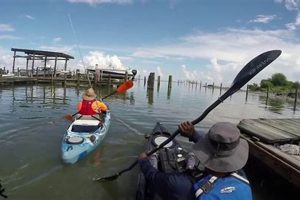
The sport of angling from small, human-powered vessels offers unique access to the diverse waterways of the Tennessee Valley region. This method allows for exploration of creeks, rivers, and lakes, providing opportunities to target a variety of freshwater species such as bass, catfish, and bream. The quiet, non-motorized approach facilitates a close connection with nature and often improves angling success by minimizing disturbance to aquatic life.
This activity contributes to the local economy through tourism and related industries. It also promotes conservation efforts by encouraging appreciation for natural resources. Historically, small boats have been utilized for fishing in the region, evolving from traditional canoes and johnboats to modern, specialized kayaks designed for angling. This evolution reflects a growing interest in accessible and environmentally conscious outdoor recreation. The region’s diverse aquatic ecosystems and relatively mild climate further enhance its appeal for this pursuit.
Further exploration of this topic will cover specific locations, recommended equipment, seasonal considerations, and responsible fishing practices applicable to this region’s unique environment. Information regarding licensing, access points, and local regulations will also be provided.
Tips for Kayak Fishing in North Alabama
Successful angling from a kayak in North Alabama requires preparation and adherence to best practices. The following tips offer guidance for a safe and productive experience.
Tip 1: Pre-Trip Planning is Essential: Check weather forecasts, water conditions, and flow rates before embarking. Inform someone of the intended fishing location and estimated return time.
Tip 2: Safety First: Always wear a personal flotation device (PFD). Carry a whistle, first-aid kit, and communication device. Be mindful of changing weather conditions and potential hazards like submerged debris.
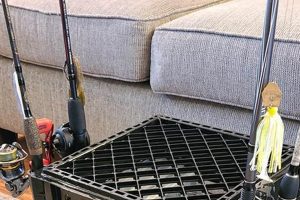
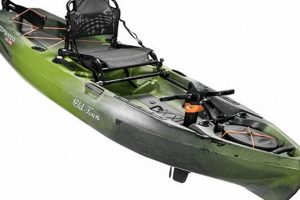
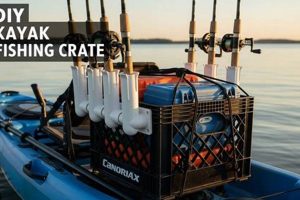
Tip 3: Appropriate Gear Selection: Utilize a kayak designed for stability and outfitted with rod holders and storage compartments. Choose fishing tackle appropriate for target species and local conditions.
Tip 4: Respect Wildlife and the Environment: Practice catch-and-release whenever possible. Adhere to all fishing regulations and pack out any trash.
Tip 5: Paddle and Anchor Effectively: Learn basic paddling techniques for maneuvering in various water conditions. Utilize appropriate anchoring methods to maintain position in desired fishing spots.
Tip 6: Understand Local Regulations: Obtain necessary fishing licenses and familiarize oneself with specific regulations for the chosen waterway. Be aware of any size or creel limits.
Tip 7: River Specific Awareness: If fishing on rivers, understand current flow and potential strainers or hazards. Portage around dangerous areas.
By following these guidelines, anglers can maximize their chances of success while ensuring a safe and enjoyable experience on North Alabama’s diverse waterways. Preparation and responsible practices contribute to both personal well-being and the preservation of the region’s natural resources.
These tips provide a starting point for successful kayak angling in North Alabama. Further research into specific locations and techniques can enhance the overall experience.
1. Location Selection
Location selection plays a crucial role in North Alabama kayak fishing success. The diverse waterways of the region offer a range of options, each presenting unique opportunities and challenges. Factors such as target species, water conditions, accessibility, and angler experience influence location choices. For example, anglers seeking largemouth bass might choose Guntersville Reservoir, renowned for its trophy bass population. Alternatively, those seeking a quieter experience targeting panfish might opt for smaller lakes or rivers like the Elk River. Understanding the specific characteristics of each location, including water depth, vegetation, and current flow, is essential for effective angling.
Choosing an appropriate location requires careful consideration of access points, available amenities, and potential hazards. Public boat ramps offer convenient access to larger bodies of water, while smaller creeks and rivers might require navigating shallows or portaging around obstacles. Researching access points beforehand and consulting local resources like maps and fishing reports can significantly enhance the overall experience. Additionally, awareness of potential hazards like submerged debris, changing weather conditions, and fluctuating water levels is paramount for angler safety.
Strategic location selection maximizes fishing success and contributes to a more enjoyable experience. Matching the chosen location to target species, skill level, and desired fishing style enhances overall satisfaction. Careful pre-trip planning and consideration of factors like water access, potential hazards, and local regulations ensures a safe and productive outing. By understanding the nuances of each potential fishing spot, anglers can optimize their time on the water and contribute to the preservation of North Alabama’s valuable aquatic resources.
2. Equipment Choices

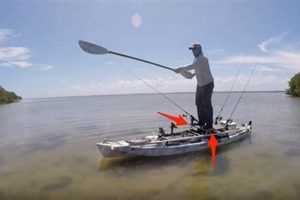
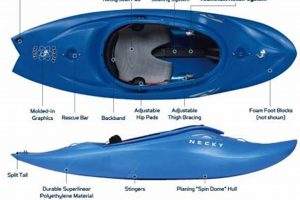
Equipment choices significantly influence success and safety while kayak fishing in North Alabama. The region’s diverse waterways, ranging from vast reservoirs to smaller rivers and creeks, present unique challenges and opportunities that necessitate careful gear selection. A stable kayak, specifically designed for fishing, forms the foundation of a successful outing. Features like rod holders, ample storage compartments, and comfortable seating contribute to angler efficiency and comfort. Kayak selection depends on intended fishing locations; larger, sit-on-top kayaks are suitable for open water, while smaller, more maneuverable kayaks are preferred for navigating tighter spaces within creeks and rivers. Proper paddle selection further enhances maneuverability and efficiency, impacting the ability to reach desired fishing spots and navigate varying water conditions.
Beyond the kayak itself, appropriate fishing tackle plays a crucial role. Rod and reel choices depend on target species and fishing techniques employed. Targeting larger game fish like bass or catfish requires heavier tackle than targeting smaller panfish. Line selection also depends on target species and fishing environment; braided line offers strength and sensitivity, while fluorocarbon line provides near invisibility in clear water. Lure selection, encompassing a wide variety of artificial baits and live bait options, must be tailored to target species and prevailing water conditions. Additional accessories, such as anchors, drift socks, and fish finders, further enhance angling effectiveness and overall experience. Proper storage and organization of tackle within the kayak contributes to efficiency and safety on the water.
Careful equipment choices optimize fishing success and contribute to a safe and enjoyable experience. Matching equipment to specific fishing locations, target species, and individual angler needs maximizes efficiency and comfort. Prioritizing safety through the selection of appropriate personal flotation devices and communication equipment is paramount. Understanding the nuances of equipment options available empowers anglers to make informed decisions, leading to more productive and rewarding kayak fishing experiences in North Alabama.
3. Seasonal Considerations

Seasonal variations significantly influence kayak fishing conditions in North Alabama. Water temperature fluctuations, changing weather patterns, and seasonal fish behavior patterns impact both the accessibility of waterways and the success of angling efforts. Understanding these seasonal influences allows anglers to adapt their strategies, optimize equipment choices, and maximize their chances of a productive and enjoyable experience. For example, during the warmer months, higher water temperatures can lead to decreased oxygen levels in certain areas, influencing fish distribution and activity. Anglers may need to seek deeper waters or focus on fishing during cooler periods of the day. Conversely, during cooler months, fish may become less active and concentrate in specific areas, requiring anglers to adjust their techniques and bait choices. Seasonal changes also influence vegetation growth, water clarity, and current flow, requiring adjustments in fishing locations and strategies.
The timing of fish spawning seasons presents both opportunities and challenges. During spawn, certain species become more aggressive and predictable, providing excellent fishing opportunities. However, responsible fishing practices, such as catch-and-release techniques, become particularly crucial during these periods to protect vulnerable breeding populations. Seasonal weather patterns, including rainfall, temperature fluctuations, and wind conditions, also impact kayak fishing. Heavy rainfall can lead to increased water levels and faster currents, requiring caution and potentially limiting access to certain areas. Wind conditions significantly influence paddling and boat control, particularly on larger bodies of water. Adapting to these seasonal weather patterns by choosing appropriate fishing locations and times enhances safety and success. Additionally, awareness of seasonal regulations, such as closed seasons for specific species, demonstrates responsible angling practices.
Understanding seasonal influences constitutes a crucial element of successful kayak fishing in North Alabama. Adapting fishing strategies, equipment choices, and location selection to seasonal variations optimizes angling success while promoting responsible engagement with the region’s aquatic ecosystems. Awareness of seasonal weather patterns, water temperature fluctuations, and fish behavior allows for informed decision-making, enhancing both safety and productivity on the water. By incorporating seasonal considerations into planning and execution, anglers contribute to the long-term health and sustainability of North Alabama’s valuable fisheries.
4. Safety Precautions

Safety precautions constitute a critical aspect of kayak fishing in North Alabama, directly impacting angler well-being and the overall experience. The region’s diverse waterways, ranging from expansive reservoirs to swift-flowing rivers, present inherent risks that necessitate careful planning and adherence to safety guidelines. Neglecting safety protocols can lead to serious consequences, including injuries, property damage, or even fatalities. Understanding and mitigating these risks through proactive safety measures ensures a positive and sustainable approach to enjoying the region’s aquatic resources.
Specific safety considerations relevant to North Alabama kayak fishing include wearing a properly fitted personal flotation device (PFD) at all times, regardless of swimming ability. Unexpected capsizing can occur due to various factors, such as changing weather conditions, submerged obstacles, or encounters with other watercraft. A PFD significantly increases the chances of survival in such situations. Checking weather forecasts before embarking on a fishing trip and remaining aware of changing conditions while on the water is crucial. Sudden storms, strong winds, or rapid temperature drops can create hazardous situations for kayakers. Informing someone of planned fishing locations and estimated return times provides an additional layer of safety. Should an unexpected incident occur, having someone aware of one’s whereabouts facilitates timely assistance.
Carrying essential safety equipment further enhances preparedness. A whistle allows for signaling in case of distress, while a first-aid kit enables immediate response to minor injuries. A waterproof communication device, such as a cell phone or VHF radio, facilitates communication in emergencies. Understanding local regulations, including boating rules and fishing restrictions, contributes to overall safety and responsible angling practices. Adhering to speed limits, maintaining safe distances from other vessels, and respecting designated no-wake zones minimizes the risk of accidents. Carrying appropriate navigation tools, such as maps, charts, or GPS devices, helps prevent disorientation and ensures safe navigation, particularly in unfamiliar waters. Regularly inspecting and maintaining kayak equipment, including paddles, hatches, and hull integrity, reduces the risk of equipment failure during use. These combined precautions cultivate a safety-conscious approach to kayak fishing, preserving both individual well-being and the continued enjoyment of North Alabama’s waterways.
5. Fishing Techniques

Effective fishing techniques are essential for successful kayak angling in North Alabama. The region’s diverse aquatic ecosystems, each hosting a variety of fish species, require anglers to adapt their approaches based on target species, water conditions, and seasonal influences. Understanding these nuances and employing appropriate techniques significantly impacts angling success. Casting accuracy, for example, becomes crucial when fishing from a kayak due to limited space and maneuverability. Mastering techniques like pitching and flipping allows for precise bait placement in tight cover, increasing the likelihood of enticing a strike. Similarly, understanding fish behavior and feeding patterns dictates lure selection and presentation. Employing techniques like slow rolling spinnerbaits in shallow, weedy areas or vertically jigging spoons in deeper water can effectively target specific species based on their preferred habitats and feeding habits. The choice between live bait and artificial lures also depends on target species and water conditions. Live bait, such as worms or minnows, can be highly effective for enticing finicky fish, while artificial lures offer versatility and the ability to cover water quickly.
The unique challenges and opportunities presented by kayak fishing necessitate adapting traditional fishing techniques. Maneuvering a kayak effectively allows anglers to access areas inaccessible to larger boats, requiring proficiency in paddling and boat control. Utilizing specialized kayak fishing equipment, such as anchor trolleys and drift socks, further enhances angling effectiveness. An anchor trolley system allows for precise boat positioning in current, while a drift sock controls the speed and direction of drift, enabling anglers to cover water methodically and present baits effectively. Adapting to changing water conditions, such as fluctuating current speeds or water clarity, necessitates adjustments in fishing techniques and lure choices. Understanding how these conditions affect fish behavior and adjusting accordingly maximizes angling success. Furthermore, respecting local fishing regulations and practicing ethical angling techniques, such as proper catch-and-release practices, contributes to the long-term sustainability of the region’s fisheries.
Mastering appropriate fishing techniques, adapting to the specific conditions of North Alabama’s waterways, and employing responsible angling practices are integral to successful kayak fishing. The interplay of these factors contributes not only to increased catch rates but also to a deeper appreciation for the region’s valuable aquatic resources. Continual learning and refinement of fishing techniques enhance angling prowess while promoting the conservation and preservation of these ecosystems for future generations.
Frequently Asked Questions
This section addresses common inquiries regarding kayak fishing in North Alabama, providing concise and informative responses to facilitate informed decision-making and enhance angler preparedness.
Question 1: What are the licensing requirements for kayak fishing in North Alabama?
A valid Alabama fishing license is required for all anglers over the age of 16. Specific license types and exemptions can be found on the Alabama Department of Conservation and Natural Resources website.
Question 2: Where can suitable kayaks for fishing be purchased or rented in the region?
Several outfitters and retailers throughout North Alabama offer kayak rentals and sales. Online searches and inquiries with local bait and tackle shops can provide specific locations.
Question 3: What safety equipment is recommended beyond a PFD?
A whistle, first-aid kit, communication device (cell phone or VHF radio), and appropriate navigation tools (map, chart, or GPS) are recommended safety additions.
Question 4: Are there specific regulations regarding fishing from a kayak in North Alabama?
Kayak anglers are subject to the same fishing regulations as other anglers, including size and creel limits, as outlined by the Alabama Department of Conservation and Natural Resources.
Question 5: What are the primary target fish species accessible via kayak in North Alabama?
Common target species include largemouth bass, smallmouth bass, spotted bass, crappie, bream, and catfish. Specific species availability varies depending on location and season.
Question 6: How can one find information about specific access points and water conditions?
Local bait and tackle shops, online fishing forums, and government resources like the Alabama Department of Conservation and Natural Resources website offer information on access points and current water conditions.
Reviewing these frequently asked questions provides a foundational understanding of the key aspects of kayak fishing in North Alabama. Further research specific to individual needs and chosen locations is recommended.
The next section will explore recommended fishing locations in greater detail, offering specific insights into access points, target species, and prevailing conditions.
Conclusion
Exploration of this specialized angling method reveals its potential within North Alabama’s diverse waterways. Careful consideration of location selection, equipment choices, seasonal influences, safety precautions, and effective fishing techniques contributes significantly to successful outings. Understanding licensing requirements, adhering to regulations, and respecting the environment ensures the sustainability of this recreational pursuit.
This activity offers a unique opportunity to connect with nature while enjoying the challenge and reward of angling. Continued exploration and responsible engagement with these aquatic ecosystems ensure their preservation for future generations of anglers.