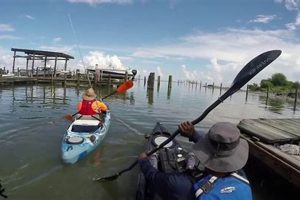
This pursuit combines the tranquility of paddling with the excitement of angling in the waters off Daytona Beach. Imagine navigating the Halifax River, the Intracoastal Waterway, or even venturing into the surf, all while casting a line for redfish, trout, snook, or flounder. It offers a unique perspective and access to areas often unreachable by larger vessels.
The shallow-water access provided by kayaks opens up a wealth of fishing opportunities. Anglers can explore the diverse ecosystem of the area’s estuaries, inlets, and nearshore waters, leading to encounters with a variety of species. This activity also promotes a connection with nature and provides a low-impact way to enjoy the coastal environment. Historically, small boats have played a role in fishing along the Florida coast, and this modern iteration carries on that tradition with specialized equipment and techniques.
Further exploration of this subject will cover topics such as recommended launch sites, necessary equipment, appropriate licensing and regulations, and prevalent fish species, offering a complete guide to this rewarding outdoor activity in the Daytona Beach area.
Tips for Kayak Fishing in Daytona Beach
Successful angling from a kayak in Daytona Beach requires preparation and adherence to best practices. These tips offer guidance for a safe and productive fishing experience.
Tip 1: Check Weather and Tides: Prior to launching, consult marine forecasts for wind speed, direction, and wave height. Tidal flow significantly impacts fishing conditions and access to shallow areas.
Tip 2: Choose the Right Launch Site: Select a location suitable for kayak launching, considering parking, accessibility, and proximity to target fishing areas. Public boat ramps and designated kayak launch areas are recommended.
Tip 3: Pack Essential Gear: Carry necessary safety equipment, including a personal flotation device (PFD), a whistle, and a signaling device. Fishing gear should be organized and readily accessible within the kayak.
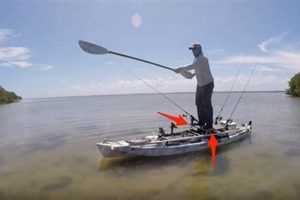
Tip 4: Practice Kayak Control: Develop paddling proficiency and maneuvering skills before venturing into open water or challenging conditions. Stability is crucial for casting and landing fish from a kayak.
Tip 5: Understand Local Regulations: Obtain the appropriate fishing licenses and familiarize oneself with regulations regarding catch limits, size restrictions, and permitted fishing areas.
Tip 6: Employ Effective Fishing Techniques: Adapt fishing strategies to the specific species targeted and the local environment. Techniques such as drift fishing, anchoring, or trolling can be employed.
Tip 7: Respect the Environment: Practice catch-and-release whenever possible. Dispose of fishing line and other waste responsibly to preserve the natural beauty of the area.
By following these guidelines, anglers can enhance their chances of success while ensuring a safe and enjoyable experience on the waters of Daytona Beach.
These preparations contribute to a more rewarding fishing experience and emphasize the importance of responsible angling practices within this unique coastal environment.
1. Location Planning

Location planning is paramount for a successful kayak fishing excursion in Daytona Beach. The diverse waterways, ranging from the Halifax River and Intracoastal Waterway to the nearshore Atlantic Ocean, offer distinct fishing opportunities and require careful consideration. Choosing the right launch site and fishing spot directly impacts access to target species and overall angling success. For example, launching near Ponce Inlet offers access to redfish and snook in the surrounding mangroves, while launching from a beach access point provides opportunities for nearshore species like tarpon and kingfish. Failing to plan adequately could lead to wasted time, unproductive fishing, and potential safety concerns.
Several factors influence location decisions. Tidal currents, wind conditions, and water clarity play significant roles in determining optimal fishing areas. Anglers targeting redfish might prioritize shallow flats during high tide, while those seeking flounder might choose deeper channels during lower tides. Utilizing resources like nautical charts, tide charts, and local fishing reports enhances location selection. Understanding the influence of these elements maximizes fishing potential and contributes to a safer experience on the water.
Effective location planning minimizes risks and optimizes the overall fishing experience. Choosing sheltered launch sites during periods of strong winds or avoiding areas with heavy boat traffic enhances safety. Prioritizing locations with known fish populations or favorable habitat increases the likelihood of successful catches. A well-defined plan, informed by research and local knowledge, significantly contributes to a rewarding and safe kayak fishing adventure in Daytona Beach.
2. Equipment Selection

Appropriate equipment selection is crucial for a successful and enjoyable kayak fishing experience in Daytona Beach. The chosen gear directly impacts safety, comfort, and fishing effectiveness. From the kayak itself to rods, reels, and tackle, each element plays a vital role in navigating the diverse waterways and targeting the varied fish species found in the region. Careful consideration of these factors ensures anglers are well-prepared for the challenges and opportunities presented by this unique fishing environment.
- Kayak Choice
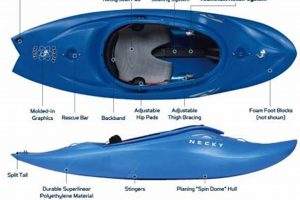
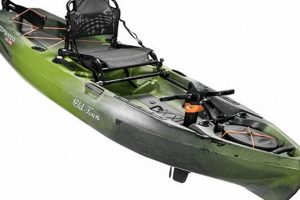
Kayak selection depends on individual needs and fishing styles. Sit-on-top kayaks offer stability and ease of re-entry in the event of a capsize, making them suitable for nearshore fishing. Sit-in kayaks provide better protection from the elements and are often preferred for calmer waters like the Halifax River. Factors like length, width, and weight capacity influence maneuverability and storage space for gear. Choosing a kayak appropriate for the intended fishing location and personal preferences is essential for a comfortable and efficient experience.
- Paddle Selection
Paddle length and blade shape impact paddling efficiency and fatigue. A paddle that is too short or too long can lead to inefficient strokes and reduced speed. Lightweight paddles made from materials like fiberglass or carbon fiber minimize strain during long paddling sessions. Choosing the correct paddle length based on individual height and kayak width is essential for comfortable and effective paddling.
- Rods and Reels
Rod and reel selection depends on the target species and fishing techniques employed. Lighter spinning rods and reels are suitable for targeting species like trout and redfish in the inshore waters, while heavier tackle is necessary for nearshore species like tarpon and kingfish. Rod length and action, as well as reel size and line capacity, should be matched to the anticipated fishing conditions and target species.
- Tackle and Accessories
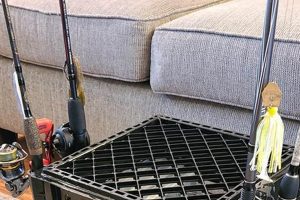
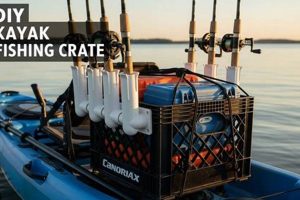
Essential tackle includes hooks, lines, sinkers, lures, and other accessories specific to the target species. Live bait, artificial lures, or a combination of both can be effective. A well-stocked tackle box with a variety of options allows anglers to adapt to changing conditions and fish behavior. Additional accessories like rod holders, anchor systems, and fish finders enhance fishing efficiency and overall enjoyment.
The careful selection of equipment directly influences the success and enjoyment of kayak fishing in Daytona Beach. By considering the specific characteristics of the fishing environment, target species, and personal preferences, anglers can create a personalized setup that maximizes their chances of a successful and rewarding experience. Appropriate gear allows anglers to fully embrace the opportunities presented by this unique coastal fishery, ensuring both comfort and efficiency on the water.
3. Safety Precautions
Safety precautions are paramount for kayak fishing in Daytona Beach. The dynamic coastal environment presents inherent risks mitigated through careful planning and adherence to safety guidelines. Neglecting these precautions can lead to serious consequences, ranging from equipment damage to life-threatening situations. A comprehensive understanding of potential hazards and appropriate safety measures is essential for a safe and enjoyable experience. For example, strong currents and shifting tides can create challenging conditions, especially near inlets. Unexpected weather changes, such as sudden thunderstorms or high winds, can quickly transform calm waters into hazardous situations. Interactions with motorized vessels also pose a risk, requiring constant vigilance and adherence to navigational rules.
Several key safety precautions apply specifically to kayak fishing in this area. Wearing a personal flotation device (PFD) is non-negotiable. Carrying a whistle, signaling device, and a waterproof communication device allows for emergency contact. Checking weather forecasts before embarking and continuously monitoring conditions throughout the trip is crucial. Informing someone of the planned fishing location and estimated return time provides an additional layer of security. Carrying a first-aid kit and knowing basic first-aid procedures can address minor injuries. Understanding and respecting local boating regulations and navigation markers further enhances safety. Applying these precautions minimizes risks and enables a more enjoyable and secure experience.
Prioritizing safety precautions is integral to responsible kayak fishing in Daytona Beach. These practices not only protect individual anglers but also contribute to the overall safety of the waterways. By acknowledging potential hazards and adopting appropriate safety measures, anglers minimize risks and contribute to a positive and sustainable fishing environment. Preparation, vigilance, and adherence to established safety guidelines are crucial for ensuring a safe and rewarding experience in this dynamic coastal environment. Integrating these practices into every fishing trip safeguards anglers and promotes responsible use of the area’s valuable natural resources.
4. Fishing Techniques
Effective fishing techniques are essential for successful kayak fishing in Daytona Beach. The chosen methods must align with the target species, prevailing conditions, and the unique characteristics of the kayak fishing environment. Cause and effect relationships dictate technique selection. For instance, targeting redfish in shallow grass flats requires different approaches than pursuing kingfish nearshore. Drift fishing with live bait may prove effective for redfish, while trolling with artificial lures might be preferred for kingfish. Understanding these relationships directly influences angling success. The quiet approach afforded by kayaks allows for stealthy presentations in shallow water, maximizing opportunities for sight fishing or presenting lures to wary fish.
Specific techniques offer distinct advantages in this environment. Drift fishing, utilizing tidal currents to cover ground, proves effective for species like trout and flounder inhabiting the Halifax River. Anchoring near structures, such as docks or oyster beds, provides opportunities to target sheepshead and black drum. Trolling along the beaches can yield catches of Spanish mackerel and bluefish. Matching the technique to the target species and location is crucial for optimizing results. Adaptability is also key. Shifting winds, changing tides, and fish behavior necessitate adjustments to techniques throughout the fishing trip. The ability to transition smoothly between methods enhances overall success.
Mastery of appropriate fishing techniques significantly enhances the kayak fishing experience in Daytona Beach. Understanding the nuances of each method, considering the prevailing conditions, and adapting to the target species maximizes angling potential. The practical application of these techniques translates directly into increased catch rates, a deeper understanding of the local ecosystem, and a more rewarding experience on the water. Challenges such as limited space and the need for efficient kayak control influence technique selection and execution. Overcoming these challenges reinforces the importance of preparation, practice, and a comprehensive understanding of the interplay between angler, environment, and target species.
5. Environmental Awareness

Environmental awareness is integral to responsible kayak fishing in Daytona Beach. The coastal ecosystem, a delicate balance of interconnected elements, thrives on mindful interaction. Disruption of this balance through irresponsible practices carries significant consequences, impacting water quality, fish populations, and the overall health of the environment. Cause and effect relationships are clearly evident. Improperly discarded fishing line entangles marine life, leading to injury or death. Chemical pollutants from sunscreen or spilled fuel contaminate the water, harming both aquatic organisms and the broader ecosystem. Respectful interaction, however, fosters a sustainable environment. Practicing catch-and-release minimizes stress on fish populations, preserving their numbers for future generations. Carrying reusable water bottles and avoiding single-use plastics reduces pollution and protects the natural beauty of the area. Real-life examples illustrate this connection. The decline of seagrass beds due to pollution directly impacts the habitat of juvenile fish and other marine life. Conversely, organized cleanup efforts, often involving local kayak fishing communities, demonstrate the positive impact of collective environmental responsibility.
The practical significance of environmental awareness extends beyond ecological preservation. It directly enhances the kayak fishing experience. Clean waterways and healthy fish populations ensure continued opportunities for anglers. Respecting the environment fosters a sense of stewardship, contributing to a more fulfilling and meaningful connection with nature. Promoting leave-no-trace principles minimizes human impact, preserving the natural beauty of the area for all to enjoy. Supporting local conservation initiatives and advocating for responsible fishing practices further strengthens the link between environmental awareness and the long-term viability of this recreational activity. Practical applications include adopting environmentally friendly fishing gear, such as biodegradable lures and lead-free weights, minimizing fuel consumption by paddling instead of using motorized support, and participating in local habitat restoration projects. These actions demonstrate a commitment to preserving the delicate balance of the Daytona Beach coastal ecosystem.
Integrating environmental awareness into kayak fishing practices in Daytona Beach is essential for the long-term health and sustainability of this valuable resource. Understanding the interconnectedness of the ecosystem, acknowledging the consequences of human actions, and actively engaging in responsible practices ensures the continued enjoyment of this recreational activity for future generations. Challenges such as increasing coastal development and pollution require ongoing vigilance and proactive measures. By embracing environmental stewardship, kayak anglers become active participants in preserving the natural beauty and ecological integrity of the Daytona Beach area, ensuring that this unique fishing experience remains viable for years to come.
Frequently Asked Questions about Kayak Fishing in Daytona Beach
This section addresses common inquiries regarding kayak fishing in Daytona Beach, providing concise and informative responses to facilitate a better understanding of this activity.
Question 1: What are the most common fish species targeted by kayak anglers in Daytona Beach?
Common targets include redfish, trout, flounder, snook, tarpon, and various nearshore species like kingfish and Spanish mackerel. The specific species encountered depends on the chosen fishing location and prevailing environmental conditions.
Question 2: Are there specific regulations or licensing requirements for kayak fishing in this area?
A valid Florida fishing license is required for individuals engaged in recreational fishing. Specific regulations regarding catch limits, size restrictions, and permitted fishing areas are enforced and should be reviewed prior to fishing. Local bait and tackle shops or the Florida Fish and Wildlife Conservation Commission website provide detailed information.
Question 3: What are the recommended launch sites for kayak fishing in Daytona Beach?
Several public boat ramps and designated kayak launch areas provide convenient access to the waterways. Locations like Ponce Inlet, Lighthouse Point Park, and various beach access points offer suitable launching options. Selection should consider proximity to target fishing areas, parking availability, and prevailing water conditions.
Question 4: What safety precautions are essential for kayak fishing in Daytona Beach?
Wearing a personal flotation device (PFD) is mandatory. Carrying a whistle, signaling device, and waterproof communication device is highly recommended. Checking weather forecasts prior to departure and monitoring conditions throughout the trip is crucial for safety. Informing someone of the planned fishing location and estimated return time provides an additional safety measure.
Question 5: What equipment is recommended for kayak fishing in this area?
Essential equipment includes a suitable kayak, paddle, rod, reel, tackle appropriate for target species, and safety gear. Specialized equipment like anchor systems, rod holders, and fish finders can enhance the fishing experience. Equipment selection should consider the specific fishing location, target species, and individual preferences.
Question 6: What environmental considerations are important for kayak anglers in Daytona Beach?
Practicing catch-and-release whenever possible helps preserve fish populations. Proper disposal of fishing line and other waste minimizes environmental impact. Respecting wildlife and avoiding sensitive habitats contributes to the long-term health of the ecosystem. Adhering to these principles ensures the sustainability of the fishery and preserves the natural beauty of the area.
Understanding these frequently asked questions equips individuals with the knowledge necessary for a safe, successful, and environmentally responsible kayak fishing experience in Daytona Beach.
The next section will offer detailed information about guided kayak fishing tours and rental services available in the Daytona Beach area.
Kayak Fishing Daytona Beach
Kayak fishing in Daytona Beach offers a unique blend of angling excitement and intimate exploration of the coastal ecosystem. From the tranquil waters of the Halifax River to the nearshore challenges of the Atlantic Ocean, diverse opportunities await the prepared angler. Careful consideration of location planning, equipment selection, safety precautions, effective fishing techniques, and environmental awareness contributes to a successful and rewarding experience. This exploration has highlighted the importance of responsible angling practices, emphasizing the connection between individual actions and the long-term health of this valuable natural resource.
The future of kayak fishing in Daytona Beach rests on the continued commitment to sustainable practices and informed decision-making. Respect for the environment, adherence to regulations, and a dedication to continuous learning will ensure the preservation of this unique recreational pursuit for generations to come. Individuals are encouraged to actively participate in conservation efforts and promote responsible angling within the community, contributing to the enduring legacy of kayak fishing in this dynamic coastal environment.