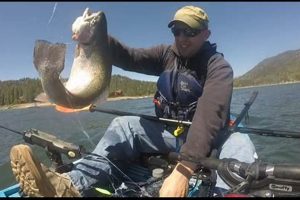
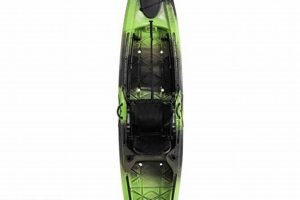
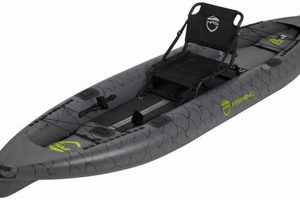
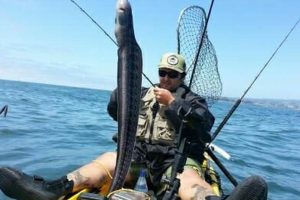
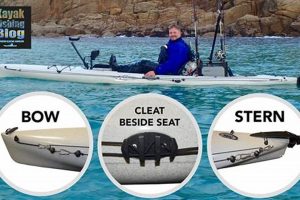
This specific type of watercraft is designed for anglers, combining stability, maneuverability, and specialized features. A typical example might include rod holders, storage compartments for tackle, and a comfortable seat designed for long hours on the water. These vessels are often constructed from durable, lightweight materials like polyethylene or composite blends.
The increasing popularity of this angling method reflects a desire for efficient and enjoyable fishing experiences. Anglers benefit from the enhanced access to shallow waters and secluded fishing spots these craft provide. Historically, small, human-powered watercraft have been employed for fishing, but modern designs and materials have dramatically improved performance and comfort, opening up new possibilities for recreational and competitive fishing.
Further exploration of specific models, manufacturers, features, and angling techniques associated with this style of fishing will provide a more complete understanding of its role in the modern angling landscape. Considerations such as stability, propulsion methods, and specialized equipment can greatly influence the anglers experience and success.
Tips for Kayak Fishing
Effective angling from this type of watercraft requires preparation and an understanding of specific techniques. The following tips offer guidance for maximizing success and enjoyment on the water.
Tip 1: Stability is Paramount: Maintaining balance is crucial. Distribute weight evenly and avoid sudden movements. Practice entering and exiting the vessel in shallow water before venturing into deeper areas.
Tip 2: Choose Appropriate Paddles: Paddle length and blade shape affect performance. Shorter paddles are suitable for confined spaces, while longer paddles offer greater reach and speed in open water.
Tip 3: Plan Fishing Locations Strategically: Research potential fishing spots beforehand. Consider water depth, current, and accessibility. Utilize maps and online resources to identify promising areas.
Tip 4: Organize Tackle and Equipment: Efficient storage is essential. Utilize tackle boxes and storage compartments designed for kayaks. Keep essential gear within easy reach while maintaining balance.
Tip 5: Prioritize Safety Gear: A personal flotation device (PFD) is essential. Carry a whistle, signaling device, and first-aid kit. Inform someone of your fishing plans and estimated return time.
Tip 6: Master Kayak Control: Practice maneuvering the vessel efficiently. Learn basic paddling strokes and turning techniques. Develop skills for navigating various water conditions.
Tip 7: Respect the Environment: Practice Leave No Trace principles. Pack out all trash and avoid disturbing wildlife. Adhere to local fishing regulations and licensing requirements.
By following these guidelines, anglers can enhance their safety, efficiency, and overall enjoyment while employing specialized watercraft for fishing. Preparation and mindful practices contribute significantly to a successful and rewarding angling experience.
The integration of these tips, combined with dedicated practice, will ultimately lead to improved angling proficiency from this specialized watercraft.
1. Stability

Stability is a paramount consideration in fishing kayak design, directly impacting angler safety, comfort, and fishing effectiveness. A stable platform allows anglers to cast, retrieve, and land fish without compromising balance. For the Triton fishing kayak, stability is achieved through a combination of hull design features, including width, hull shape, and center of gravity. Wider hulls generally offer greater initial stability, while specific hull shapes, such as pontoon or catamaran designs, enhance secondary stability, or the ability to resist capsizing when leaning or encountering waves. A lower center of gravity further contributes to overall stability.
The practical significance of stability is evident in various fishing scenarios. Standing to cast provides a wider field of vision and improved leverage, a practice facilitated by a stable platform. Landing larger fish, which often involves sudden movements and shifts in weight, requires a stable kayak to maintain balance and prevent capsizing. In rougher water conditions, inherent stability becomes even more critical for safety and successful angling. For example, an angler fishing in choppy coastal waters benefits significantly from a stable kayak, enabling them to focus on fishing rather than constantly correcting balance.
In summary, stability is a crucial element of the Triton fishing kayak design, directly influencing angler safety, comfort, and fishing performance. The careful consideration of hull design features contributes to a stable platform that allows for various fishing techniques and enhances the overall angling experience, even in challenging conditions. Further exploration of specific hull designs and stability features within the Triton kayak lineup provides a more nuanced understanding of how stability is achieved and its practical implications for diverse fishing scenarios.
2. Maneuverability

Maneuverability is a critical attribute of the Triton fishing kayak, influencing its effectiveness in diverse angling environments. This characteristic refers to the vessel’s responsiveness to paddle input and its ability to navigate efficiently through various water conditions. Several design elements contribute to a kayak’s maneuverability, including hull length, hull shape, and the presence of a rudder or skeg. Shorter kayaks generally turn more quickly, while longer kayaks track more effectively in a straight line. Specific hull shapes, such as those with a defined keel or tracking channels, influence directional stability. A rudder or skeg provides additional control, particularly in windy conditions or moving water.
The practical implications of maneuverability become apparent when considering specific fishing scenarios. Navigating tight quarters, such as narrow creeks or weed-choked areas, requires a highly maneuverable kayak. Quickly changing direction to pursue fish or respond to changing currents necessitates responsive handling. In river fishing, the ability to maneuver effectively through rapids or around obstacles becomes essential. For example, an angler pursuing bass in a shallow, vegetated pond benefits from a highly maneuverable kayak, enabling precise navigation and efficient access to prime fishing locations. Conversely, an angler fishing in open ocean conditions might prioritize tracking over tight turning, emphasizing directional stability over rapid maneuvering.
In summary, maneuverability plays a vital role in the Triton fishing kayak’s performance. The interplay of hull design features directly influences the kayak’s responsiveness and handling. Understanding the relationship between design elements and maneuverability allows anglers to select the most appropriate kayak for their specific fishing needs and target environments. The practical significance of maneuverability becomes evident in various real-world angling scenarios, where precise control and efficient navigation are paramount for success.
3. Storage Capacity

Storage capacity is a defining feature of the Triton fishing kayak, directly influencing its practicality and the angler’s ability to carry essential gear and equipment. Ample storage allows for extended fishing trips, diverse angling techniques, and overall enhanced preparedness on the water. Different storage solutions cater to various needs, from dedicated tackle compartments to larger cargo areas for coolers and camping gear. The strategic placement and accessibility of storage compartments further contribute to efficient organization and ease of use while maintaining balance and stability.
- Dedicated Tackle Storage:
Specialized compartments designed for tackle boxes, lures, and other small fishing accessories are essential for maintaining organization and readily accessing necessary gear. Examples include waterproof hatches, trays with dividers, and side pockets positioned within easy reach. Dedicated tackle storage minimizes time spent searching for specific items, allowing anglers to focus on fishing. In the context of the Triton fishing kayak, such compartments are often strategically integrated into the deck or cockpit area for optimal accessibility.
- Rod Holders:
Securely storing fishing rods while not in use is crucial for preventing damage and maintaining a clear deck space. Flush-mounted rod holders, adjustable rod holders, and rotating rod holders offer various solutions for different fishing styles and preferences. For instance, a kayak angler trolling multiple lines might utilize rod holders positioned along the gunwales, while a fly fisherman might prefer a rotating rod holder within easy reach. Triton kayaks incorporate various rod holder configurations to accommodate diverse angling techniques.
- Dry Storage Compartments:
Protecting sensitive items like electronics, wallets, and phones from water damage is paramount. Waterproof hatches and sealed compartments provide secure storage for these essentials. For example, storing a mobile phone in a dry bag within a dedicated compartment ensures its protection, even in the event of capsizing or unexpected splashes. Triton kayaks typically feature multiple dry storage options to safeguard valuable belongings.
- Larger Cargo Areas:
Carrying larger items such as coolers, camping gear, or extra clothing requires ample cargo space. Rear tank wells, bungee cord systems, and larger hatches accommodate these items, enabling extended fishing trips and multi-day excursions. For example, a kayak angler embarking on an overnight fishing trip might utilize the rear tank well to secure a dry bag containing camping gear. Triton kayaks designed for longer expeditions often incorporate larger cargo areas and robust tie-down systems.
The diverse storage solutions integrated into Triton fishing kayaks directly contribute to their versatility and suitability for various angling pursuits. From dedicated tackle storage to larger cargo areas, these features enhance organizational efficiency, gear protection, and overall preparedness on the water. By considering specific storage needs and preferences, anglers can select the Triton kayak model best equipped to support their individual fishing styles and intended adventures. The thoughtful integration of these storage solutions ultimately enhances the overall fishing experience, enabling anglers to focus on their passion with confidence and convenience.
4. Material Durability
Material durability is a critical factor influencing the lifespan, performance, and overall value of a triton fishing kayak. The choice of materials directly impacts the vessel’s resistance to impacts, abrasion, UV degradation, and other environmental stressors. Understanding the properties and performance characteristics of various kayak construction materials is essential for informed decision-making and ensuring long-term satisfaction with the investment.
- Polyethylene (PE)
Polyethylene is a common material used in kayak construction due to its affordability, impact resistance, and buoyancy. Rotational molding is a common manufacturing process for PE kayaks, creating a seamless, durable hull. While highly impact-resistant, PE can be susceptible to UV degradation over time. Triton kayaks utilizing PE often incorporate UV inhibitors to mitigate this effect. The inherent buoyancy of PE contributes to the kayak’s ability to float and recover from impacts, an essential factor for safety and performance in various water conditions.
- High-Density Polyethylene (HDPE)
High-density polyethylene offers enhanced durability and stiffness compared to standard polyethylene. This material is often used in kayaks designed for more demanding conditions or heavier loads. Triton kayaks incorporating HDPE benefit from increased rigidity, leading to improved tracking and responsiveness. The higher density also contributes to greater resistance to abrasion and impacts from rocks, logs, or other obstacles encountered in various aquatic environments.
- Composites (Fiberglass, Carbon Fiber, Kevlar)
Composite materials offer superior strength-to-weight ratios and stiffness compared to polyethylene. Kayaks constructed from fiberglass, carbon fiber, or Kevlar are generally lighter and more responsive, offering enhanced performance. However, these materials can be more susceptible to damage from impacts and typically come at a higher price point. Triton kayaks utilizing composite construction often target anglers seeking higher performance and lighter weight, particularly for longer expeditions or competitive fishing.
- UV Resistance and Long-Term Durability
Regardless of the primary construction material, UV resistance is a critical factor influencing a kayak’s long-term durability. Prolonged exposure to sunlight can degrade materials, leading to fading, cracking, and reduced structural integrity. Triton kayaks often incorporate UV inhibitors and protective coatings to mitigate the effects of sun exposure and extend the lifespan of the vessel. Proper storage and maintenance practices, such as covering the kayak when not in use, further contribute to preserving its appearance and structural integrity over time.
The material choices employed in the construction of Triton fishing kayaks directly impact their durability, performance, and overall lifespan. Understanding the properties and characteristics of different materials allows anglers to select the most suitable kayak for their intended use and environmental conditions. By carefully considering material durability, anglers can ensure a long-lasting and reliable vessel that provides years of enjoyable fishing experiences.
5. Comfort Features
Comfort features significantly influence the overall fishing experience, particularly during longer outings on the water. In the context of the Triton fishing kayak, these features contribute directly to angler endurance, focus, and overall enjoyment. An uncomfortable seating position, inadequate back support, or limited adjustability can lead to fatigue, discomfort, and a diminished fishing experience. Therefore, careful consideration of comfort features is essential when selecting a fishing kayak.
- Seating System
The seating system plays a pivotal role in angler comfort. Adjustable seats with ample padding and lumbar support contribute to prolonged comfort and reduced fatigue. High-back seats offer additional support, while adjustable footrests allow for customized positioning and improved circulation. For example, an angler targeting offshore species might prioritize a high-back seat with enhanced lumbar support for extended periods in rougher water conditions, whereas an angler fishing in calmer inshore waters might prefer a lower-profile seat for enhanced stability and maneuverability. Triton kayaks offer a variety of seating options to cater to diverse angler preferences and fishing styles.
- Footrests and Leg Support
Proper leg support is crucial for maintaining a comfortable and stable posture. Adjustable footrests allow anglers to customize leg positioning, promoting better circulation and reducing fatigue. Foot braces or pedals offer alternative support mechanisms, allowing for efficient paddling and body engagement during longer outings. In the context of the Triton fishing kayak, adjustable footrests contribute significantly to comfort and control, enabling anglers to maintain an optimal paddling position and reduce strain on leg muscles during extended fishing trips.
- Deck Padding and Standing Platforms
Deck padding enhances comfort and provides a non-slip surface for standing and moving around the kayak. EVA foam padding offers cushioning and grip, reducing fatigue and enhancing stability. Dedicated standing platforms provide a stable and secure surface for sight fishing, casting, and landing fish. For instance, an angler targeting bonefish in shallow flats might prioritize a kayak with a spacious standing platform and ample deck padding for enhanced stability and comfort while sight fishing. Triton kayaks incorporate various deck padding configurations and standing platform designs to cater to specific fishing styles.
- Ergonomic Design and Adjustability
Ergonomic design principles prioritize comfort and efficiency by optimizing the interaction between the angler and the kayak. Adjustable seating positions, strategically placed handles, and intuitive control systems contribute to a comfortable and user-friendly experience. For example, adjustable seat heights and backrest angles allow anglers to customize their position for optimal comfort and paddling efficiency. Triton kayaks often incorporate ergonomic design considerations to enhance the overall fishing experience, reducing fatigue and promoting intuitive operation of various features.
The integration of these comfort features significantly enhances the overall angling experience with a Triton fishing kayak. By prioritizing comfort and ergonomics, anglers can extend their time on the water, reduce fatigue, and maintain focus on the task at hand. The careful consideration of seating systems, footrests, deck padding, and ergonomic design elements ultimately contributes to a more enjoyable and productive fishing experience. Selecting a kayak with the appropriate comfort features aligned with individual needs and fishing styles enhances overall satisfaction and long-term enjoyment on the water.
6. Specialized Design
Specialized design distinguishes the Triton fishing kayak from generic recreational kayaks, optimizing its performance for specific angling scenarios. These design elements enhance efficiency, comfort, and overall effectiveness on the water. Understanding these specialized features provides valuable insights into the Triton kayak’s capabilities and its suitability for various fishing styles and environments.
- Hull Design
Hull design significantly influences stability, maneuverability, and tracking. Triton kayaks utilize various hull designs, each optimized for specific conditions. A flatter hull provides enhanced stability for standing and casting, while a V-shaped hull improves tracking in open water. Pontoon hulls offer exceptional stability, ideal for calmer waters, while a tri-hull design enhances stability and maneuverability in choppy conditions. For example, a Triton kayak intended for river fishing might feature a shallow-V hull for maneuverability in currents, whereas a model designed for offshore fishing might incorporate a deeper-V hull for enhanced tracking and wave handling.
- Deck Layout and Features
The deck layout contributes significantly to angler efficiency and organization. Flush-mounted rod holders, recessed tackle compartments, and strategically placed gear tracks allow for customized rigging and easy access to essential equipment. For instance, a Triton kayak designed for bass fishing might feature multiple rod holders and readily accessible tackle storage compartments within the cockpit area, while a kayak intended for fly fishing might prioritize a cleaner deck layout with recessed storage to avoid line tangles. These specialized design elements streamline the fishing experience, allowing anglers to focus on their technique and strategy.
- Propulsion Systems
Triton kayaks accommodate various propulsion systems, catering to diverse angler preferences and fishing environments. Paddle propulsion offers maneuverability and control in tight quarters, while pedal-powered systems provide hands-free operation and increased speed. Motorized kayaks offer extended range and the ability to cover larger distances. An angler fishing in a shallow, vegetated area might prefer paddle propulsion for precise maneuvering, whereas an angler targeting offshore species might opt for a pedal-powered or motorized system for increased speed and range. The choice of propulsion system directly influences the kayak’s versatility and suitability for specific fishing scenarios.
- Integrated Technology
Modern Triton kayaks often incorporate integrated technology to enhance the angling experience. Fish finders, GPS units, and underwater cameras can be seamlessly integrated into the kayak’s design, providing real-time information about fish location, water depth, and underwater structure. These technological advancements enhance angling efficiency and provide valuable data for informed decision-making on the water. For example, an angler targeting deep-water species might utilize a fish finder integrated into the kayak’s console to locate schools of fish and identify promising fishing spots.
These specialized design features collectively contribute to the Triton fishing kayak’s effectiveness and adaptability across diverse angling disciplines. By carefully considering hull design, deck layout, propulsion systems, and integrated technology, anglers can select the Triton kayak model best suited to their specific needs and target environments. The thoughtful integration of these specialized design elements enhances the overall fishing experience, providing anglers with the tools and features necessary to maximize their success on the water.
7. Target Species

The target species significantly influences the selection and configuration of a Triton fishing kayak. Different species inhabit diverse environments and exhibit varying behaviors, necessitating specific kayak features and angling techniques. Understanding the relationship between target species and kayak selection is crucial for optimizing fishing success and overall experience.
- Habitat Considerations
The target species’ habitat dictates the necessary kayak characteristics. Fishing for bass in shallow, vegetated lakes requires a maneuverable kayak with a shallow draft, enabling navigation through tight spaces and weed beds. Conversely, targeting offshore pelagic species like tuna necessitates a stable, seaworthy kayak capable of handling rougher water conditions and longer distances. Triton kayaks offer diverse hull designs and propulsion options to cater to various habitats, from shallow rivers and estuaries to open ocean environments.
- Fishing Techniques
Different fishing techniques employed for various species influence kayak selection. Trolling for largemouth bass requires a stable kayak with rod holders and ample storage for tackle. Fly fishing for trout necessitates a maneuverable kayak with a clear deck layout for casting and line management. Kayak anglers targeting bottom-dwelling species might prioritize a stable platform with ample storage for bait and tackle. Triton kayaks offer specialized features and configurations to accommodate diverse fishing techniques, from trolling and jigging to fly fishing and baitcasting.
- Kayak Size and Capacity
The size and weight of the target species influence kayak selection. Landing larger fish like marlin or tuna requires a stable kayak with a high weight capacity and robust construction. Smaller species like panfish or trout can be effectively targeted from smaller, more maneuverable kayaks. Triton kayaks are available in various sizes and weight capacities, allowing anglers to choose a model appropriate for their target species and anticipated catch size. This ensures safety and efficiency when landing and handling fish.
- Specialized Equipment
Specific equipment required for targeting certain species influences kayak selection. Kayak anglers pursuing large game fish might need specialized rod holders, outriggers, and downriggers, necessitating a kayak with ample mounting space and weight capacity. Fly fishermen require a clear deck layout and specialized storage for fly rods and reels. Triton kayaks offer various customization options and accessory compatibility, allowing anglers to tailor their setup to their specific target species and fishing techniques. This includes integrated mounting tracks, transducer scuppers, and other features that facilitate the installation of specialized equipment.
By carefully considering the target species and its associated habitat, fishing techniques, and equipment requirements, anglers can select the Triton fishing kayak model best suited to their needs. This strategic approach enhances fishing efficiency, safety, and overall enjoyment on the water. The diverse range of Triton kayaks, each with specific design features and capabilities, ensures that anglers can find the perfect vessel to pursue their target species effectively and comfortably.
Frequently Asked Questions
Addressing common inquiries regarding this specialized fishing watercraft provides clarity and facilitates informed decision-making for prospective purchasers and users.
Question 1: What differentiates this specific type of fishing kayak from recreational models?
Specialized features like rod holders, tackle storage, and enhanced stability distinguish these kayaks from recreational models. Design considerations prioritize fishing functionality and angler efficiency on the water.
Question 2: How is stability ensured in these kayaks, and why is it crucial for angling?
Stability is achieved through hull design, including width and shape. A stable platform is essential for casting, retrieving, and landing fish safely and effectively, particularly in challenging conditions or when standing.
Question 3: What materials are typically used in the construction of these kayaks, and how do they impact durability?
Common materials include polyethylene and composites. Polyethylene offers impact resistance, while composites provide a lighter, stiffer structure. Material choice influences durability, maintenance requirements, and overall cost.
Question 4: What propulsion options are available for these kayaks, and how do they influence fishing style?
Options include paddle, pedal, and motor propulsion. Paddle propulsion offers maneuverability, pedal drive enables hands-free fishing, and motorized systems provide extended range. Choice depends on fishing environment, target species, and personal preference.
Question 5: How does storage capacity impact the practicality of these kayaks for fishing excursions?
Ample storage accommodates tackle, gear, and personal items. Dedicated compartments, hatches, and tank wells keep equipment organized and protected. Storage capacity influences trip duration and the variety of gear one can carry.
Question 6: What safety considerations are relevant to operation, and how can risks be minimized?
Wearing a personal flotation device (PFD), carrying essential safety gear, and informing someone of fishing plans are crucial. Understanding water conditions, weather forecasts, and navigation rules minimizes risks and ensures a safe angling experience.
Understanding these key aspects of specialized fishing kayaks facilitates informed decisions and enhances the overall fishing experience. Addressing these common inquiries provides valuable insights into selection, usage, and safety considerations.
Further exploration of specific models and features provides a more granular understanding and assists in selecting the ideal vessel for individual angling pursuits.
Conclusion
This exploration has highlighted the multifaceted nature of the specialized fishing kayak, emphasizing its design features, material construction, and practical applications for diverse angling scenarios. From stability and maneuverability to storage capacity and specialized design elements, each aspect contributes to the overall performance and effectiveness of these purpose-built vessels. Understanding the interplay of these features empowers anglers to make informed decisions based on individual needs, target species, and fishing environments. Durability considerations and comfort features further influence long-term satisfaction and the overall angling experience.
The evolution of fishing kayak design reflects a continuous pursuit of enhanced performance, comfort, and angler-centric features. As technology advances and angling techniques evolve, continued innovation promises further refinement and specialization within this segment of the fishing industry. Careful consideration of individual needs and preferences, coupled with a thorough understanding of available features, remains paramount for selecting the optimal vessel and maximizing success on the water. The future of kayak fishing promises continued growth and exciting developments for anglers seeking efficient, versatile, and immersive experiences in diverse aquatic environments.