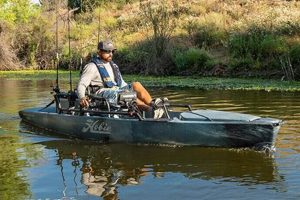
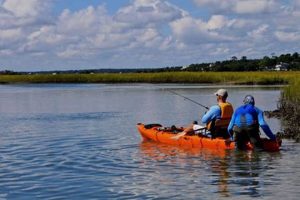
This pursuit involves angling from a small, human-powered watercraft in the coastal waters and rivers surrounding Savannah, Georgia. The region offers diverse ecosystems, from saltwater marshes and tidal creeks to the Savannah River itself, providing anglers access to a wide variety of fish species. This method allows for a quiet, close-to-the-water experience, enabling exploration of shallows and areas inaccessible to larger boats.
Anglers appreciate the low environmental impact and the physical challenge combined with the tranquility of navigating these waterways under their own power. Historically, small boats have been used for fishing in this area for centuries, mirroring traditions found in many coastal cultures. Modern lightweight kayaks equipped with specialized fishing gear offer a contemporary approach to this timeless practice. The activity promotes eco-tourism and supports local businesses that cater to outdoor recreation.
The following sections will delve into specific aspects of this popular activity, covering topics such as suitable kayak selection, essential fishing gear, popular fishing locations near Savannah, local regulations, and safety considerations for navigating the local waterways.
Tips for Successful Angling Excursions
Careful planning and preparation contribute significantly to enjoyable and productive fishing trips in the Savannah area. The following tips offer valuable guidance for anglers of all experience levels.
Tip 1: Research Target Species: Understanding the behavior, feeding habits, and preferred habitats of target species is crucial for effective lure and bait selection and successful angling.
Tip 2: Choose Appropriate Kayak & Gear: Select a kayak designed for stability and outfitted with features conducive to fishing. Essential gear includes appropriate rods, reels, lines, tackle, and safety equipment.
Tip 3: Check Tides and Currents: Tidal fluctuations and currents significantly impact fishing conditions in coastal areas and rivers. Consult tide charts and be mindful of current strength and direction.
Tip 4: Prioritize Safety: Always wear a personal flotation device (PFD). Carry a whistle, communication device, and navigation tools. Inform someone of planned fishing locations and estimated return time.
Tip 5: Respect Wildlife & Environment: Practice catch-and-release whenever possible. Adhere to local fishing regulations. Pack out all trash and minimize disturbance to natural habitats.
Tip 6: Utilize Local Resources: Local bait and tackle shops, fishing guides, and online forums offer valuable insights into current fishing conditions and productive techniques.
Tip 7: Dress Appropriately: Coastal weather can change rapidly. Dress in layers and consider sun protection, including hats, sunglasses, and sunscreen.
By following these guidelines, anglers can maximize their chances of a rewarding and safe fishing experience while contributing to the preservation of the Savannah area’s natural beauty and resources.
These tips provide a foundation for a successful outing. The concluding section offers further resources and information for enhancing angling endeavors in the Savannah region.
1. Kayak Selection

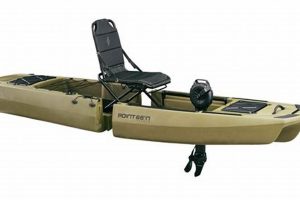
Appropriate kayak selection is fundamental to a successful and enjoyable fishing experience in the Savannah area. The chosen vessel must provide stability, maneuverability, and sufficient storage for fishing gear while navigating diverse water conditions, ranging from calm rivers to open coastal areas.
- Stability
Stability is paramount, especially when casting, reeling, and landing fish. Wider kayaks, specifically designed for fishing, offer increased primary stability, reducing the likelihood of capsizing. A stable platform allows anglers to focus on fishing rather than maintaining balance. In the often unpredictable currents and tides of Savannah’s waterways, stability is essential for safety and a comfortable fishing experience.
- Maneuverability
Maneuverability influences the ability to navigate tight creeks, marshes, and shallow waters where fish often congregate. Shorter kayaks generally offer better maneuverability, enabling quick turns and precise positioning. The ability to navigate efficiently through the intricate waterways around Savannah maximizes access to prime fishing locations.
- Storage Capacity
Adequate storage is essential for carrying fishing gear, tackle boxes, safety equipment, and personal items. Kayaks equipped with built-in storage compartments, rod holders, and bungee systems provide secure and organized storage solutions. Sufficient storage space allows anglers to carry necessary equipment for a productive day on the water without compromising stability or maneuverability. This is crucial in the Savannah area, where excursions may involve longer trips to remote fishing spots.
- Hull Design
The kayak’s hull design influences its performance characteristics. Sit-on-top kayaks are popular for fishing due to their self-bailing capabilities and ease of entry and exit. Sit-inside kayaks offer greater protection from the elements but may be less convenient for fishing. Selecting a hull design suited to the anticipated conditions calm rivers versus choppy coastal waters improves comfort and efficiency. The varied water conditions around Savannah necessitate careful consideration of hull design.
Careful consideration of these factors ensures the chosen kayak aligns with the specific demands of fishing in the Savannah area. Matching kayak characteristics to the angler’s experience level, target fishing locations, and prevailing conditions ultimately enhances both safety and enjoyment on the water.
2. Fishing Gear

Specialized fishing gear enhances success and enjoyment when kayak fishing in the Savannah region. The selection of appropriate rods, reels, lines, and terminal tackle should align with the target species and the specific fishing environment. Careful consideration of these elements contributes significantly to a productive and rewarding angling experience.
- Rods & Reels
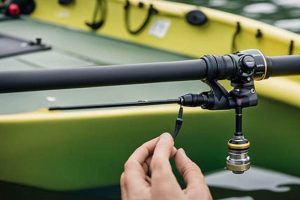
Rod and reel combinations should be lightweight yet durable enough to handle the target species. Shorter rods, typically in the 6-7 foot range, are ideal for kayak fishing due to their maneuverability in confined spaces. Spinning reels are generally preferred for their versatility and ease of use in various fishing techniques. A medium-light to medium-heavy action rod paired with a 2500-4000 size spinning reel offers a balanced setup for the diverse fish species found in Savannah’s waters.
- Fishing Line
Line choice depends on the fishing technique and target species. Braided lines offer high sensitivity and strength, making them suitable for detecting subtle bites and handling larger fish. Fluorocarbon lines are less visible underwater, making them ideal for clear water situations and wary fish. Monofilament lines offer good all-around performance and are a cost-effective option. For inshore saltwater fishing in Savannah, a 10-20lb braided line or a 12-15lb fluorocarbon leader are common choices.
- Terminal Tackle
Terminal tackle includes hooks, weights, swivels, leaders, and lures or bait. Hook sizes and styles should match the target species and bait being used. Weights ensure proper lure presentation and depth control. Swivels prevent line twist. Leaders provide abrasion resistance. Lures and bait selection should mimic the local forage and appeal to the target species. Live shrimp, artificial jigs, and topwater plugs are effective choices for many species found in Savannah’s waters.
- Essential Accessories
Essential accessories include a landing net, pliers for removing hooks, a knife or line cutter, and a tackle box to organize gear. A fish finder or GPS unit can greatly enhance fishing success by locating fish and navigating the waterways. A dry bag protects valuable electronics and personal items from water damage. These accessories improve efficiency and safety while kayak fishing in Savannah’s diverse environments.
Careful consideration of these fishing gear components and their appropriate application within the Savannah fishing environment significantly contributes to a positive and successful angling experience. By adapting gear choices to the specific target species and prevailing conditions, anglers maximize their chances of success while enjoying the unique challenges and rewards of kayak fishing in this dynamic coastal region.
3. Location Scouting

Effective location scouting is paramount for successful kayak fishing in Savannah. The diverse ecosystem presents a range of habitats, each attracting different species. Understanding these nuances and identifying productive fishing spots significantly increases angling success. Pre-trip planning, utilizing resources like nautical charts, satellite imagery, and local fishing reports, enables anglers to pinpoint areas holding target species. Factors such as water depth, structure (oyster beds, docks, grass flats), and tidal currents influence fish distribution and behavior. For instance, redfish often frequent shallow-water grass flats during high tide, while speckled trout might prefer deeper channels or areas around submerged structure. Scouting allows anglers to anticipate these patterns and position themselves strategically.
Practical application involves identifying launch points accessible for kayaks and considering the distance to promising fishing grounds. Observing environmental cues, such as baitfish activity or bird behavior, further refines location selection during the fishing trip. While a specific location may be known for a certain species, real-time observation and adaptation are crucial. A previously productive spot might yield no results due to changing tides, water temperature, or weather patterns. Flexibility in location scouting allows anglers to adjust their strategy and explore alternative areas, maximizing their chances of finding actively feeding fish. This dynamic approach is particularly important in Savannah’s tidal waters, where conditions change constantly.
Thorough location scouting minimizes wasted time and effort, increasing the likelihood of a successful fishing trip. It enables anglers to target specific species based on preferred habitat and optimize their time on the water. While pre-trip research provides a valuable starting point, on-the-water observation and adaptation are essential for responding to dynamic conditions. This proactive approach, combining pre-trip planning with real-time assessment, distinguishes consistently successful kayak anglers in the Savannah area.
4. Tidal Awareness
Tidal awareness is crucial for kayak fishing around Savannah. Tides significantly influence fish behavior, accessibility to fishing grounds, and navigational safety. The region’s substantial tidal fluctuations impact water depth, current strength, and the exposure of feeding areas. Understanding tidal cycles allows anglers to predict optimal fishing times and access otherwise inaccessible areas during high tide. For example, shallow creeks and flats become productive fishing grounds as the rising tide floods them, attracting baitfish and subsequently, predator species like redfish and speckled trout. Conversely, outgoing tides concentrate fish in deeper channels and creek mouths, presenting different fishing opportunities. Ignoring tidal influence can lead to anglers being stranded in shallows or facing dangerously strong currents.
Practical application involves consulting tide charts specific to the Savannah area before embarking on a fishing trip. These charts predict high and low tide times and the degree of water level change. Planning fishing trips around high tide allows access to shallow-water habitats favored by certain species. Alternatively, fishing during a falling tide can concentrate fish in predictable locations. Current strength is also affected by tidal flow, impacting lure presentation and drift fishing techniques. Strong currents during peak tidal flow might necessitate heavier tackle or anchoring to maintain position. Tidal currents can also affect kayak navigation, making paddling easier with the current and more challenging against it. Awareness of these dynamics enhances safety and efficiency on the water.
In summary, tidal awareness is not merely a helpful tip but a fundamental requirement for safe and successful kayak fishing in Savannah. Understanding tidal cycles and their influence on fish behavior and water conditions empowers anglers to optimize their fishing strategy. This includes predicting productive fishing times, accessing optimal locations, and navigating safely. Neglecting tidal influence can lead to frustration, wasted time, and potentially hazardous situations. Integrating tidal awareness into pre-trip planning and on-the-water decision-making is essential for a rewarding and safe angling experience in the dynamic tidal environment of Savannah’s waterways.
5. Safety Procedures

Safety procedures are paramount for kayak fishing in Savannah. The coastal environment presents inherent risks, including changing weather conditions, strong currents, boat traffic, and potential encounters with wildlife. Neglecting safety protocols can transform a recreational outing into a hazardous situation. A comprehensive safety approach mitigates these risks, ensuring an enjoyable and incident-free experience. For example, wearing a personal flotation device (PFD) is non-negotiable. Even experienced swimmers can become incapacitated due to cold water shock, unexpected collisions, or medical emergencies. A PFD provides essential buoyancy, significantly increasing survival chances in such events.
Carrying a communication device, such as a VHF radio or a waterproof cell phone, allows anglers to call for assistance in emergencies. Sharing trip plans with someone on shore, including planned locations and estimated return time, provides an additional layer of security. Should an angler fail to return as scheduled, search and rescue efforts can be initiated promptly. Checking weather forecasts before embarking on a trip is critical. Sudden storms or strong winds can create dangerous conditions on the water, particularly for small vessels like kayaks. Postponing a trip due to adverse weather demonstrates prudent judgment and prioritizes safety. Understanding local regulations, including boating rules and restricted areas, ensures compliance and reduces the risk of accidents or legal issues.
In conclusion, prioritizing safety procedures is essential for responsible kayak fishing in Savannah. The coastal environment, while beautiful and abundant with fishing opportunities, demands respect and careful preparation. Implementing comprehensive safety measures, from wearing a PFD to checking weather forecasts and communicating trip plans, significantly reduces risks. A proactive approach to safety ensures that anglers can enjoy the rewarding experience of kayak fishing while mitigating potential hazards. This commitment to safety fosters a sustainable and responsible approach to enjoying the natural resources of the Savannah region.
6. Local Regulations
Adhering to local regulations is essential for responsible and legal kayak fishing in Savannah. Regulations ensure the sustainability of fish populations, protect sensitive ecosystems, and promote safe boating practices. Ignoring these rules can lead to fines, legal repercussions, and damage to the natural environment. Understanding and complying with these regulations is crucial for preserving the region’s resources and ensuring continued access for future generations of anglers.
- Fishing Licenses & Permits
Anglers are required to possess valid fishing licenses and any necessary permits for the specific species targeted or the areas being fished. Different license types exist for residents and non-residents, and specific regulations may apply to saltwater versus freshwater fishing. For example, a Georgia saltwater fishing license is required when fishing in coastal waters and tidal rivers around Savannah. Failure to possess the correct license can result in penalties.
- Size & Catch Limits
Regulations often stipulate minimum sizes and daily catch limits for various species. These restrictions are designed to protect juvenile fish and ensure healthy population levels. For example, redfish regulations might specify a slot size limit, allowing anglers to keep fish within a specific size range while protecting both smaller and larger breeding fish. Exceeding catch limits or harvesting undersized fish can result in fines and contribute to resource depletion.
- Closed Seasons & Areas
Certain areas may be closed to fishing during specific seasons to protect vulnerable species during spawning or migration periods. Restricted areas, such as designated breeding grounds or sensitive habitats, might be permanently off-limits to fishing. Respecting these closures safeguards critical ecosystems and allows fish populations to thrive. Ignoring these restrictions can disrupt breeding cycles and damage sensitive environments.
- Boating Regulations
Kayak anglers are subject to boating regulations similar to those governing larger vessels. These include requirements for navigation lights, safety equipment (PFDs, whistles), and responsible operation to avoid collisions. Navigating within designated channels and observing speed limits in certain areas promote safety for all water users. Ignoring these regulations can lead to accidents and penalties.
By understanding and adhering to local regulations, kayak anglers contribute to the long-term health of the Savannah area’s fisheries and ecosystems. Compliance ensures continued access to these valuable resources for current and future generations. Respecting these rules fosters a culture of responsible angling and preserves the natural beauty and ecological integrity of the Savannah region. Before embarking on any fishing trip, consulting the Georgia Department of Natural Resources website or contacting local bait and tackle shops is highly recommended to obtain the most current and accurate information on fishing regulations.
Frequently Asked Questions
This section addresses common inquiries regarding kayak fishing in the Savannah area. Clarity on these points promotes safe and enjoyable angling experiences.
Question 1: What are the most common fish species targeted by kayak anglers in Savannah?
Common targets include redfish, speckled trout, flounder, sheepshead, and various species of inshore sharks and rays. The specific species encountered can vary depending on the season, location, and prevailing water conditions.
Question 2: Are guided kayak fishing tours available in Savannah?
Numerous local outfitters offer guided kayak fishing tours. These excursions cater to various skill levels, from beginners to experienced anglers. Guided tours provide valuable insights into local fishing hotspots, techniques, and regulations.
Question 3: What safety equipment is required for kayak fishing in Savannah?
A personal flotation device (PFD) is legally required and essential for safety. A whistle, navigation lights (if fishing at dawn or dusk), and a communication device are highly recommended. A first-aid kit and basic repair tools are also prudent additions.
Question 4: Where can kayak launch access points be found near Savannah?
Public boat ramps, designated kayak launch sites within parks, and some marinas offer access points. It’s essential to respect private property and avoid trespassing. Online resources and local bait shops often provide information on launch locations.
Question 5: What are the tidal influences on kayak fishing in Savannah?
Tides significantly impact water depth, current strength, and fish behavior. Consulting tide charts before planning a fishing trip is essential for optimizing fishing times and navigating safely. Incoming tides flood shallow flats, creating feeding opportunities, while outgoing tides concentrate fish in channels and creek mouths.
Question 6: What conservation practices should kayak anglers follow in Savannah?
Practicing catch-and-release whenever possible helps preserve fish populations. Properly disposing of fishing line and other waste minimizes environmental impact. Respecting wildlife and avoiding disturbance to nesting areas contributes to ecological balance.
Careful consideration of these frequently asked questions ensures a well-informed and responsible approach to kayak fishing in Savannah. Prioritizing safety and adhering to local regulations contribute to both personal enjoyment and the preservation of this valuable natural resource.
For further information or specific inquiries, consulting local resources, such as bait and tackle shops or the Georgia Department of Natural Resources, is recommended.
Kayak Fishing Savannah
This exploration has highlighted the multifaceted nature of kayak fishing in the Savannah region. From kayak selection and essential gear to location scouting, tidal awareness, and safety procedures, each aspect contributes to a successful and rewarding angling experience. Understanding local regulations and practicing responsible conservation ensures the sustainability of this valuable resource for future generations. The dynamic interplay of tides, diverse ecosystems, and abundant fish species creates a unique and challenging environment for anglers. Preparation, informed decision-making, and a respect for the natural environment are crucial for maximizing enjoyment and minimizing potential risks.
Kayak fishing offers a unique connection with the coastal waters of Savannah. It provides an opportunity to explore pristine estuaries, observe diverse wildlife, and experience the thrill of angling in a self-propelled, intimate manner. Continued exploration of this activity promises not only personal reward but also a deeper understanding and appreciation of the ecological richness of the Savannah region. Responsible engagement with this activity ensures its sustainability and preserves its unique appeal for years to come.