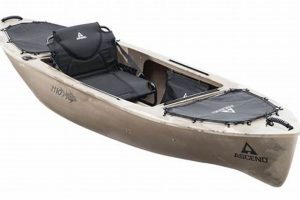
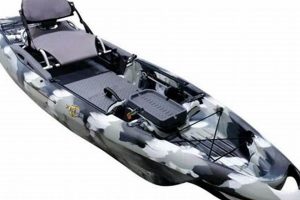
Inflatable kayaks designed for angling offer portability and convenience. These vessels typically feature specialized accessories such as rod holders, gear storage compartments, and anchor systems. A typical example includes a compact, lightweight design easily transported in a carrying bag and quickly inflated for use on lakes, rivers, or calm coastal waters.
The portability of these watercraft allows anglers to access remote fishing spots often unreachable by larger, traditional boats. This advantage, combined with relatively lower costs and ease of storage, makes them an increasingly popular choice. The evolution of materials and construction techniques has led to durable, stable inflatables capable of withstanding the demands of fishing excursions.
Understanding the key features, benefits, and various types available allows for informed decision-making when selecting an appropriate inflatable fishing vessel. Further exploration will cover topics such as material construction, design considerations, safety precautions, and essential accessories.
Tips for Inflatable Kayak Fishing
Proper preparation and technique enhance safety and enjoyment on the water. These tips offer guidance for maximizing the inflatable kayak fishing experience.
Tip 1: Choose the Right Kayak: Consider fishing style, target species, and water conditions when selecting a model. Ocean fishing requires a more robust design than calm lake excursions.
Tip 2: Prioritize Safety: Always wear a personal flotation device and carry essential safety equipment, including a whistle, signaling device, and first-aid kit. Check weather forecasts before embarking and inform someone of the intended fishing location.
Tip 3: Master Inflation and Deflation: Practice inflating and deflating the kayak before reaching the fishing destination. Ensure the use of the correct pressure and proper valve operation.
Tip 4: Distribute Weight Evenly: Balance gear and equipment within the kayak for optimal stability and performance. Avoid overloading the vessel beyond its specified capacity.
Tip 5: Practice Paddling Techniques: Efficient paddling conserves energy and allows for greater maneuverability. Learn basic paddling strokes and turning maneuvers before venturing into challenging waters.
Tip 6: Utilize Anchor and Drift Systems: Employ an appropriate anchor system to maintain position in desired fishing areas. Consider using a drift sock to control speed and direction in currents.
Tip 7: Respect the Environment: Adhere to Leave No Trace principles. Pack out all trash and avoid disturbing natural habitats. Observe local fishing regulations and licensing requirements.
Adherence to these guidelines promotes safe and successful inflatable kayak fishing trips. Careful preparation contributes significantly to a positive experience on the water.
By incorporating these tips, anglers can confidently embark on their fishing adventures.
1. Portability

Portability represents a defining characteristic of inflatable fishing kayaks, significantly influencing their appeal and practicality. Unlike rigid kayaks, inflatable models can be deflated and packed into a compact carrying bag, facilitating transport in vehicles with limited space or even on foot to remote fishing locations inaccessible by car. This ease of transport expands angling opportunities, allowing access to secluded waters, smaller streams, and upstream areas beyond the reach of traditional boats. The reduced bulk simplifies storage during the off-season, eliminating the need for dedicated storage racks or large garages. For instance, an angler can easily hike into a mountain lake with an inflatable kayak, a feat impossible with a rigid hull. This portability opens up a world of fishing possibilities previously unavailable.
The practical implications of this portability extend beyond mere convenience. It empowers anglers to explore diverse ecosystems, target specific species in hard-to-reach habitats, and personalize the fishing experience. Consider an urban angler living in an apartment with limited storage; an inflatable kayak enables them to enjoy their passion without the constraints of space. Furthermore, the lightweight nature of these kayaks often simplifies launching and landing, particularly in shallow or rocky areas where heavier vessels pose a challenge. This streamlined process contributes to a more efficient and enjoyable fishing experience, allowing more time focused on the sport itself. The portability factor also influences the choice of fishing accessories; lighter, more compact gear further enhances the overall transportability of the setup.
In conclusion, portability serves as a cornerstone of the inflatable fishing kayak’s value proposition. By enabling access to previously unreachable fishing grounds and simplifying transport and storage, these kayaks broaden the scope of angling possibilities. While factors such as material durability and on-water performance remain crucial, the inherent portability unlocks unique advantages, catering to a diverse range of anglers and fishing styles. This characteristic expands the horizon of angling, making the pursuit more accessible and adaptable to individual needs and preferences.
2. Stability

Stability constitutes a critical performance attribute in fishing blow-up kayaks, directly impacting angling effectiveness and safety. A stable platform allows anglers to cast, reel, and land fish without compromising balance, a crucial factor, especially when handling larger or more active species. Furthermore, stability contributes to angler confidence and comfort, enabling prolonged fishing sessions without fatigue or apprehension. Kayak design elements, including hull shape, width, and inflatable chamber configuration, significantly influence overall stability. Wider kayaks generally exhibit greater initial stability, resisting tipping during static activities like casting. However, they may sacrifice maneuverability compared to narrower designs. Multiple air chambers enhance stability and safety; should one chamber puncture, the remaining chambers provide sufficient buoyancy to prevent capsizing. For example, a wider, multi-chamber inflatable kayak offers a more stable platform for fly fishing, allowing anglers to stand and cast with relative security.
External factors, such as water conditions and angler movements, also affect stability. Calm lakes and slow-moving rivers present fewer stability challenges compared to choppy waters or fast currents. Sudden shifts in weight distribution, such as reaching for a dropped lure or battling a hooked fish, can compromise stability. Proper weight distribution within the kayak and smooth, deliberate movements minimize the risk of tipping. Understanding the interplay between kayak design and external factors allows anglers to make informed choices and adopt appropriate techniques for maintaining stability. For instance, an angler fishing in windy conditions might choose a lower center of gravity seating position to enhance stability. Similarly, distributing gear evenly throughout the kayak minimizes imbalance.
In summary, stability serves as a cornerstone of effective and safe inflatable kayak fishing. Careful consideration of kayak design features alongside an understanding of external influencing factors allows anglers to optimize stability. Prioritizing stability enhances not only fishing performance but also overall safety and enjoyment on the water. Achieving optimal stability necessitates a holistic approach, encompassing kayak selection, weight distribution, and adaptive on-water techniques tailored to prevailing conditions. This understanding empowers anglers to confidently navigate various water environments and focus on the core pursuit: fishing.
3. Durability
Durability represents a critical factor influencing the lifespan and overall performance of inflatable fishing kayaks. Material selection, construction techniques, and user maintenance significantly impact a kayak’s resistance to punctures, abrasion, UV degradation, and general wear and tear. A durable kayak ensures longevity, minimizes repair costs, and contributes to a safe and reliable fishing experience. Understanding the factors contributing to durability empowers informed purchasing decisions and promotes responsible kayak ownership.
- Material Selection
Modern inflatable kayaks typically employ robust materials like PVC (polyvinyl chloride) or Hypalon. PVC offers a good balance of affordability and durability, suitable for recreational use in calm waters. Hypalon, while more expensive, exhibits superior resistance to abrasion, UV damage, and extreme temperatures, making it ideal for demanding environments and frequent use. The material’s thickness (denier) also indicates its robustness; higher denier ratings generally signify greater puncture resistance. For example, a heavy-duty PVC kayak with a high denier rating might be suitable for navigating shallow, rocky rivers, while a lighter-weight Hypalon model might be preferred for ocean excursions.
- Construction Techniques
Construction methods, including seam welding, stitching, and lamination, play a crucial role in overall durability. Welded seams, often found in higher-end kayaks, offer superior strength and airtightness compared to stitched or glued seams. Reinforced seams and multiple air chambers further enhance durability and safety. Drop-stitch construction, utilizing internal threads to connect the top and bottom layers of the kayak, creates a rigid, high-pressure inflatable capable of withstanding demanding conditions. For instance, a drop-stitch kayak can handle impacts and abrasions more effectively than a traditionally constructed inflatable.
- User Maintenance and Care
Proper care and maintenance significantly extend the lifespan of an inflatable fishing kayak. Rinsing the kayak with fresh water after each use removes salt, sand, and other debris that can accelerate wear and tear. Proper drying before storage prevents mold and mildew growth. Storing the kayak in a cool, dry place away from direct sunlight minimizes UV degradation. Regular inspections for punctures or abrasions and prompt repairs prevent minor damage from escalating into major issues. For example, regularly applying UV protectant spray can significantly extend the life of a PVC kayak.
- Environmental Factors
Environmental factors, including exposure to sunlight, extreme temperatures, and sharp objects, influence a kayak’s durability. Prolonged exposure to intense sunlight can degrade materials, particularly PVC. Extreme cold can make materials brittle and susceptible to cracking. Sharp rocks, submerged branches, and fishing hooks pose puncture risks. Understanding these environmental influences informs appropriate usage and storage practices. For instance, avoiding dragging the kayak across rough surfaces minimizes abrasion, while storing the kayak deflated and rolled loosely during the off-season prevents stress on the seams.
Ultimately, the durability of a fishing blow up kayak represents a complex interplay between material selection, construction quality, user care, and environmental exposure. Prioritizing durability ensures long-term performance, minimizes maintenance and repair costs, and contributes significantly to a safe and enjoyable fishing experience. By understanding these interconnected factors, anglers can make informed decisions, maximizing the lifespan and value of their inflatable kayak investment.
4. Capacity (weight)

Weight capacity represents a critical specification for inflatable fishing kayaks, directly influencing safety and performance. This capacity dictates the maximum combined weight of the angler, gear, and any additional cargo the kayak can safely support. Exceeding this limit compromises stability, reduces freeboard (the distance between the waterline and the top of the kayak’s side), and increases the risk of capsizing. Manufacturers specify weight capacity based on design factors such as kayak dimensions, material strength, and air chamber configuration. Anglers must carefully consider their body weight, the anticipated weight of fishing gear (rods, reels, tackle boxes, etc.), and any additional items like coolers or camping equipment when assessing capacity requirements. For example, an angler weighing 180 pounds with 40 pounds of gear requires a kayak with a minimum capacity of 220 pounds. Choosing a kayak with ample capacity ensures safe and stable operation, even in challenging conditions.
Understanding the practical implications of weight capacity extends beyond mere safety considerations. Adequate capacity influences paddling efficiency and overall performance. An overloaded kayak sits lower in the water, creating greater drag and requiring more effort to paddle. Reduced freeboard increases the likelihood of water entering the cockpit, especially in choppy conditions. Conversely, a kayak with ample capacity provides efficient performance, allowing anglers to cover greater distances with less effort and maintain a dry cockpit. Consider two anglers of similar skill levels using different kayaks; the angler in the appropriately sized kayak will likely experience less fatigue and cover more water. Furthermore, weight distribution within the kayak also plays a crucial role in performance. Evenly distributing gear optimizes stability and tracking (the kayak’s ability to maintain a straight course). Concentrating weight at either end can negatively impact maneuverability and increase the risk of tipping.
In conclusion, weight capacity serves as a fundamental consideration when selecting an inflatable fishing kayak. Matching capacity to individual needs ensures safe and efficient operation, enhancing both fishing performance and overall enjoyment on the water. Careful assessment of personal weight, gear weight, and potential additional cargo allows anglers to choose a kayak appropriate for their specific requirements. Understanding the interplay between weight capacity, stability, and performance empowers informed decision-making, contributing significantly to a positive and safe fishing experience.
5. Fishing Features

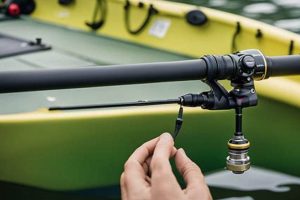
Specialized features distinguish fishing blow-up kayaks from recreational models, enhancing angling effectiveness and overall experience. These features cater specifically to the needs of anglers, optimizing functionality and convenience on the water. Integrated rod holders secure fishing rods, freeing hands for paddling, baiting hooks, or landing fish. Multiple rod holders allow anglers to employ various fishing techniques simultaneously. Tackle storage compartments keep essential gear organized and readily accessible, minimizing clutter and maximizing efficiency. These compartments often feature waterproof seals or closures to protect sensitive equipment from moisture. Consider a scenario where an angler needs to quickly switch between a trolling rod and a casting rod; dedicated rod holders facilitate seamless transitions without tangling lines or compromising balance. Similarly, readily accessible tackle boxes streamline lure changes and prevent delays during critical moments.
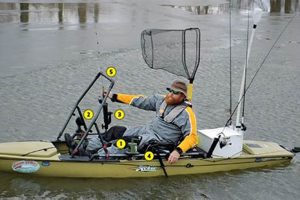
Further enhancing functionality, many fishing kayaks incorporate mounting platforms or rails for attaching fish finders, GPS units, and other electronic accessories. These platforms provide stable mounting points for essential electronics, maximizing their effectiveness and minimizing interference with paddling or casting. Anchor systems, including integrated anchor trolleys or designated anchor points, allow anglers to maintain position in desired fishing locations, particularly in currents or windy conditions. These systems offer precise control over boat positioning, maximizing fishing effectiveness in specific target areas. For example, an angler targeting a specific underwater structure can utilize an anchor trolley system to maintain precise positioning and effectively cover the target zone. Additionally, features like adjustable seating positions and footrests enhance comfort and stability during prolonged fishing sessions. Ergonomic design considerations minimize fatigue and allow anglers to focus on the fishing experience.
In summary, specialized fishing features contribute significantly to the effectiveness and enjoyment of inflatable kayak angling. These features, ranging from integrated rod holders and tackle storage to mounting platforms for electronics and specialized anchor systems, enhance functionality, convenience, and overall fishing success. Understanding the purpose and application of these features empowers informed decision-making when selecting a fishing kayak, ensuring alignment with individual angling styles and preferences. The integration of these specialized features transforms a basic inflatable kayak into a dedicated fishing platform, optimized for performance and tailored to the specific demands of the sport.
6. Price Range

Price range significantly influences material quality, features, and overall performance within the inflatable fishing kayak market. Budget-friendly options often utilize less durable materials like standard PVC with basic construction techniques. These kayaks may lack specialized fishing features and offer limited weight capacity. Mid-range models typically incorporate higher-denier PVC or reinforced materials, include features like integrated rod holders and storage compartments, and offer increased weight capacity. Premium inflatable kayaks utilize advanced materials like Hypalon or robust drop-stitch construction, offering superior durability, performance, and a comprehensive array of fishing-specific features. For instance, a budget kayak might suffice for occasional recreational fishing in calm waters, while a premium model caters to frequent anglers tackling demanding conditions. Understanding this correlation empowers informed purchasing decisions aligned with individual budgets and performance expectations.
Several factors contribute to price variations. Material selection significantly impacts cost; Hypalon kayaks command higher prices due to superior material properties. Construction techniques, such as advanced seam welding and drop-stitch fabrication, add to manufacturing complexity and influence retail price. Feature sets, including integrated rod holders, adjustable seating, and specialized storage compartments, directly correlate with price. Brand recognition and warranty coverage also play a role; established brands with robust warranties often command premium prices, reflecting perceived quality and customer support. Considering these factors allows consumers to evaluate cost versus value, ensuring optimal resource allocation. For example, an angler prioritizing durability might invest in a Hypalon kayak despite the higher initial cost, recognizing the long-term value proposition. Conversely, a recreational angler might prioritize affordability, opting for a budget-friendly PVC model suitable for occasional use.
Careful consideration of price range alongside individual needs and intended usage ensures a satisfactory purchase. Evaluating material durability, construction quality, features, and brand reputation empowers informed decisions. Prioritizing essential features and performance characteristics within a defined budget optimizes resource allocation and maximizes long-term satisfaction. Recognizing the interplay between price, materials, features, and performance enables anglers to select a kayak that effectively balances cost and value, enhancing the overall fishing experience. This understanding empowers informed decision-making, maximizing the value of investment and ensuring long-term satisfaction with the chosen inflatable fishing kayak.
Frequently Asked Questions
This section addresses common inquiries regarding inflatable fishing kayaks, providing concise and informative responses to facilitate informed decision-making.
Question 1: How durable are inflatable fishing kayaks compared to traditional hard-shell kayaks?
Modern inflatable kayaks utilize durable materials like PVC and Hypalon, offering comparable puncture and abrasion resistance to hard-shell kayaks in many situations. Construction techniques, such as multiple air chambers and reinforced seams, further enhance durability and safety. While not as inherently resistant to sharp objects as rigid hulls, properly maintained inflatable kayaks provide reliable performance in diverse environments.
Question 2: Are inflatable fishing kayaks stable enough for standing and casting?
Stability varies depending on kayak design, width, and angler experience. Wider inflatable kayaks generally provide greater stability, particularly for standing. However, maintaining balance while standing requires practice and careful weight distribution. Anglers should consider their individual balance capabilities and water conditions before attempting to stand and cast.
Question 3: How long does it take to inflate and deflate an inflatable fishing kayak?
Inflation and deflation times typically range from 5 to 15 minutes, depending on kayak size and pump type. High-volume pumps expedite the process. Practice and familiarity with the kayak’s valve system optimize inflation and deflation efficiency.
Question 4: What safety precautions should be taken when using an inflatable fishing kayak?
Always wear a personal flotation device (PFD). Check weather conditions before embarking and inform someone of the intended fishing location. Carry essential safety equipment, including a whistle, signaling device, and first-aid kit. Adhere to local boating regulations and avoid exceeding the kayak’s weight capacity.
Question 5: Can inflatable fishing kayaks be used in saltwater environments?
Many inflatable kayaks are designed for both freshwater and saltwater use. However, saltwater exposure requires diligent post-trip maintenance. Thoroughly rinsing the kayak with fresh water after each use removes salt residue, preventing corrosion and material degradation. Proper drying and storage further extend the kayak’s lifespan in saltwater environments.
Question 6: How do I choose the right size inflatable fishing kayak?
Consider individual body weight, anticipated gear weight, and intended fishing environment. Larger kayaks offer greater stability and capacity but may sacrifice maneuverability. Smaller kayaks prioritize maneuverability but may have limited weight capacity. Selecting a kayak with appropriate dimensions and weight capacity ensures optimal performance and safety.
Careful consideration of these frequently asked questions empowers prospective buyers to make informed decisions, selecting an inflatable fishing kayak that aligns with individual needs, preferences, and intended usage. Understanding the capabilities and limitations of these versatile watercraft enhances the overall fishing experience.
Exploring further details on specific models and features provides a comprehensive understanding of inflatable fishing kayak options available in the market.
Conclusion
Inflatable fishing kayaks offer a compelling blend of portability, affordability, and performance. Careful consideration of factors like material durability, construction quality, weight capacity, fishing-specific features, and price allows for informed selection. Understanding the interplay between these elements ensures optimal performance, safety, and enjoyment on the water. Proper maintenance and adherence to safety guidelines maximize lifespan and contribute to positive experiences in diverse fishing environments. From tranquil lakes to challenging rivers, inflatable kayaks provide access to a wide range of angling opportunities.
The versatility and accessibility of inflatable fishing kayaks continue to drive innovation within the industry. Advancements in materials, design, and features promise enhanced performance and expanded angling possibilities. As technology evolves, inflatable kayaks will likely play an increasingly prominent role in the future of fishing, offering anglers a dynamic and adaptable platform for exploring the world’s waterways.