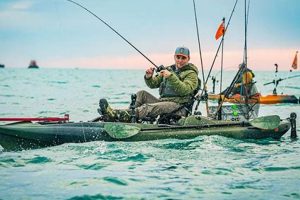
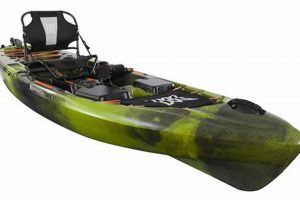
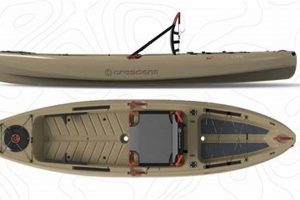
Durable, roto-molded polyethylene kayaks designed for fishing represent a significant advancement in angling. These watercraft offer stability, specialized features like rod holders and storage compartments, and the potential for decades of use with proper care. An example would be a sit-on-top model crafted from high-density polyethylene, equipped with multiple fishing rod holders, a spacious tank well, and molded-in footrests for comfort and stability during long hours on the water.
The enhanced durability of these specialized vessels contributes to their long-term value, reducing the need for frequent replacements. This longevity promotes sustainable practices and reduces the overall cost of ownership for anglers. Historically, fishing from small, non-motorized boats has been a common practice. Modern materials and manufacturing techniques have revolutionized this tradition, offering anglers improved stability, comfort, and specialized features that significantly enhance the fishing experience.
This discussion will explore the key aspects of selecting, outfitting, and maintaining these robust fishing platforms. Topics will include an analysis of hull designs, material choices, essential accessories, and best practices for ensuring long-term performance and enjoyment.
Tips for Selecting and Maintaining Durable Fishing Kayaks
Choosing and caring for a robust fishing kayak requires careful consideration of several factors. These tips offer guidance on maximizing the lifespan and enjoyment of such an investment.
Tip 1: Understand Hull Design: Different hull designs offer varying stability and maneuverability. A wider, flatter hull provides greater initial stability, while a longer, narrower hull tracks better and covers distance more efficiently. Consider the typical fishing environment and choose a design that balances stability and performance.
Tip 2: Evaluate Material Quality: High-density polyethylene offers excellent impact resistance and UV protection. Examine the thickness and overall construction quality for indicators of durability.
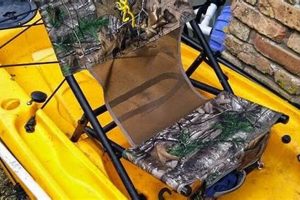
Tip 3: Prioritize Comfort and Ergonomics: Adjustable seating, footrests, and ample legroom are crucial for long hours on the water. Test the seating and ensure it provides adequate support and adjustability.
Tip 4: Consider Storage and Accessory Options: Evaluate built-in storage compartments, rod holders, and mounting points for fish finders and other accessories. Ensure adequate storage for essential gear and equipment.
Tip 5: Proper Storage and Transportation: Store the kayak out of direct sunlight and extreme temperatures. Use appropriate roof racks or trailers for transportation to prevent damage.
Tip 6: Regular Cleaning and Maintenance: Rinse the kayak with fresh water after each use, especially in saltwater environments. Inspect for damage and address any issues promptly. Apply UV protectant spray periodically to prevent fading and material degradation.
Tip 7: Choose Appropriate Safety Gear: Always wear a personal flotation device and carry essential safety equipment, including a whistle, signaling device, and first-aid kit.
By following these guidelines, anglers can ensure their fishing kayak provides years of reliable service and enjoyable experiences on the water. Selecting the right vessel and maintaining it properly contributes significantly to both safety and enjoyment.
These insights into selection, maintenance, and safe operation provide a solid foundation for maximizing the benefits of a durable fishing kayak. The following section will offer a concluding perspective on the long-term value and enjoyment these specialized vessels provide.
1. Durable Construction
Durable construction forms the foundation of a fishing kayak’s longevity and resilience against the rigors of the aquatic environment. The ability to withstand impacts, abrasion, and UV exposure directly correlates with the kayak’s lifespan and overall performance. This inherent robustness allows for extended use in diverse conditions, from calm lakes to challenging ocean currents. A kayak constructed from high-density polyethylene, for example, exhibits superior resistance to impacts and cracking compared to less durable materials, contributing significantly to its long-term usability.
The choice of materials and manufacturing processes play a crucial role in establishing this durability. Roto-molded polyethylene kayaks, known for their seamless, one-piece construction, offer exceptional strength and impact resistance. Furthermore, UV stabilizers incorporated into the plastic help protect against degradation caused by prolonged sun exposure. This resistance to environmental factors ensures the kayak remains structurally sound and functional over many years, minimizing the need for repairs or replacements. Consider a scenario where two kayaks are used in similar conditions: one made from roto-molded high-density polyethylene and the other from a less durable material. The former will likely exhibit far fewer signs of wear and tear after extended use, highlighting the practical significance of durable construction.
In conclusion, the connection between durable construction and the lifespan of a fishing kayak is paramount. Investing in a robustly constructed kayak minimizes the long-term costs associated with repairs and replacements, ensuring the vessel remains a reliable platform for angling adventures. Understanding the materials and manufacturing techniques that contribute to durability empowers informed purchasing decisions, ultimately leading to a more satisfying and sustainable ownership experience.
2. Fishing Features

Specialized features designed for angling significantly enhance the functionality and overall effectiveness of durable fishing kayaks. These integrated elements contribute directly to an angler’s efficiency and comfort on the water, ultimately impacting the overall fishing experience. Careful consideration of these features is essential when selecting a kayak intended for long-term use.
- Rod Holders
Securely mounted rod holders allow anglers to manage multiple lines or keep rods readily accessible while paddling or attending to other tasks. Flush-mounted rod holders minimize interference with paddling, while adjustable rod holders accommodate various fishing techniques. The availability and placement of rod holders directly impact an angler’s ability to efficiently manage their equipment and respond to changing fishing conditions.
- Storage Compartments
Dedicated storage compartments provide organized storage for tackle boxes, fishing gear, and personal items. Dry storage compartments protect sensitive electronics and other essentials from water damage. Ample storage capacity reduces clutter and improves safety, contributing to a more organized and enjoyable fishing experience. For instance, a spacious tank well can accommodate a cooler or crate for storing catches, while smaller compartments can hold tackle boxes and other essential gear.
- Anchor Systems
Integrated anchor trolleys or anchor mounts facilitate controlled positioning in specific fishing locations. The ability to maintain position against wind or current significantly improves fishing effectiveness, particularly in rivers or open water. An easily accessible and reliable anchor system simplifies anchoring and retrieving the anchor, minimizing disruptions to the fishing process.
- Mounting Tracks and Hardware
Mounting tracks and hardware provide versatile options for attaching fish finders, GPS units, cameras, and other accessories. These adaptable platforms allow anglers to customize their kayaks to suit specific fishing styles and preferences. For example, a well-placed fish finder can significantly improve an angler’s ability to locate fish, while a camera mount allows for capturing memorable moments on the water.
These integrated fishing features, thoughtfully designed and strategically incorporated, transform a standard kayak into a specialized fishing platform, maximizing efficiency and enjoyment on the water. The selection of a kayak with appropriate fishing features directly impacts long-term satisfaction and contributes to the overall value of the investment. By considering these elements in the context of intended fishing styles and environments, anglers can choose a kayak that effectively supports their needs and enhances their angling experience for years to come.
3. Stability

Stability stands as a critical factor in the design and functionality of durable fishing kayaks, directly influencing angler safety, comfort, and overall fishing success. A stable platform provides a secure foundation for casting, reeling, and landing fish, reducing the risk of capsizing and enhancing an angler’s ability to focus on the task at hand. This stability becomes particularly crucial in dynamic water conditions, such as currents or choppy waters, where a stable kayak contributes significantly to angler confidence and control. Consider, for example, an angler standing to cast in a stable sit-on-top kayak versus attempting the same maneuver in a less stable vessel. The stable platform allows for confident weight shifts and casting motions, minimizing the risk of losing balance and maximizing fishing effectiveness.
Several design elements contribute to kayak stability, including hull design, width, and weight capacity. Wider kayaks generally offer greater initial stability, while longer, narrower kayaks prioritize tracking and speed. Hull designs, such as pontoon hulls or flat bottoms, contribute to primary stability, resisting tipping from side to side. Understanding the interplay of these factors is crucial for selecting a kayak appropriate for intended fishing environments and angler preferences. Furthermore, weight distribution within the kayak plays a significant role in overall stability. Properly distributing gear and maintaining a low center of gravity enhances stability and control, contributing to a safer and more enjoyable fishing experience. For example, an angler carrying heavy gear in a kayak with limited storage and improper weight distribution might experience reduced stability, increasing the risk of tipping.
Prioritizing stability when selecting a durable fishing kayak contributes significantly to long-term enjoyment and safety on the water. This characteristic empowers anglers to confidently navigate various water conditions, focus on fishing techniques, and ultimately enhance their overall experience. Recognizing the factors that influence stability, including hull design, width, and weight distribution, equips anglers with the knowledge to make informed purchasing decisions, ultimately selecting a kayak that supports their individual needs and enhances their long-term angling pursuits.
4. Maneuverability
Maneuverability represents a critical performance attribute in durable fishing kayaks, directly influencing an angler’s ability to navigate diverse water environments and access prime fishing locations. Efficient maneuvering allows anglers to explore shallow coves, navigate around obstacles, and respond effectively to changing water conditions. This agility translates to increased fishing opportunities and enhanced overall efficiency on the water. Consider, for example, a kayak navigating a narrow, winding creek. A highly maneuverable kayak allows the angler to easily negotiate tight turns and shallow areas, accessing areas unreachable by less agile vessels. Conversely, a less maneuverable kayak might restrict access to prime fishing spots, limiting angling opportunities.
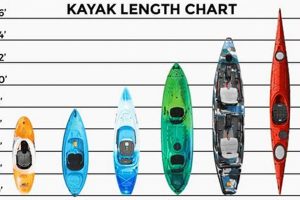
Several factors contribute to a fishing kayak’s maneuverability, including hull design, length, and the presence of a rudder or skeg. Longer, narrower kayaks generally track better in open water but may sacrifice maneuverability in tight spaces. Shorter, wider kayaks offer enhanced maneuverability but may be less efficient for covering long distances. A rudder or skeg can significantly improve tracking and control in windy or current-prone conditions, enhancing overall maneuverability and reducing the effort required to maintain a desired course. For instance, a kayak equipped with a rudder can effectively counteract crosswinds or currents, allowing the angler to maintain a straight course with minimal effort, conserving energy and enhancing fishing efficiency. The inclusion of a rudder or skeg, therefore, becomes a crucial consideration, particularly for anglers frequently fishing in challenging environments.
Understanding the relationship between maneuverability and hull design empowers anglers to choose a kayak tailored to their specific fishing needs and target environments. Prioritizing maneuverability unlocks access to a wider range of fishing locations and enhances an angler’s ability to adapt to dynamic water conditions. This adaptability ultimately contributes to increased fishing success and long-term enjoyment on the water. Investing in a kayak with appropriate maneuverability characteristics ensures the vessel remains a versatile and effective fishing platform for years to come, maximizing the return on investment and enhancing the overall angling experience. The choice between maneuverability and tracking performance represents a key consideration in kayak selection, influenced by the specific demands of the intended fishing environment.
5. Comfort & Ergonomics

Comfort and ergonomics constitute critical factors influencing long-term enjoyment and performance in durable fishing kayaks. An uncomfortable seating position or poorly designed features can lead to fatigue, discomfort, and even physical strain, potentially curtailing fishing trips and diminishing overall enjoyment. Conversely, a comfortable and ergonomically sound kayak promotes extended time on the water, allowing anglers to fully immerse themselves in the fishing experience. This connection between comfort, ergonomics, and long-term usability underscores the importance of these factors in selecting a fishing kayak intended for extended use.
- Seating System
A well-designed seating system provides crucial support and adjustability, accommodating individual body types and preferences. Features such as adjustable backrests, lumbar support, and breathable fabrics contribute significantly to long-term comfort. Consider, for example, an angler spending hours on the water. A supportive and adjustable seat minimizes fatigue and discomfort, allowing for extended fishing sessions without physical strain. Conversely, a poorly designed seat can lead to back pain, stiffness, and a diminished overall experience. The impact of seating comfort on long-term usability is substantial, influencing an angler’s ability to fully enjoy and maximize time on the water.
- Footrests and Legroom
Adjustable footrests and ample legroom contribute to proper posture and paddling efficiency. These features accommodate varying leg lengths and allow for comfortable positioning, reducing leg cramping and fatigue during extended paddling sessions. Imagine an angler paddling a kayak with limited legroom and non-adjustable footrests. The cramped position can restrict circulation, lead to discomfort, and impair paddling efficiency. In contrast, adjustable footrests and ample legroom allow for a comfortable and efficient paddling position, maximizing comfort and minimizing fatigue over long distances.
- Deck Layout and Accessibility
A well-organized deck layout with easily accessible storage compartments and fishing features enhances efficiency and reduces strain. Strategically placed rod holders, tackle storage, and other essential gear minimize reaching and bending, promoting a more comfortable and streamlined fishing experience. Consider an angler reaching for a frequently used piece of equipment. If that item is readily accessible, the angler can retrieve it quickly and efficiently, minimizing disruption to the fishing process. Conversely, if essential gear is stored in difficult-to-reach locations, the angler might have to contort or strain to access it, leading to discomfort and potentially compromising balance.
- Paddle Ergonomics
Selecting a paddle with appropriate length and blade shape contributes to efficient paddling and reduces strain on joints. A properly fitted paddle maximizes power transfer while minimizing effort, allowing for comfortable and efficient paddling over extended distances. For instance, an angler using a paddle that is too long or too short might experience reduced paddling efficiency and increased strain on wrists, shoulders, and elbows. A properly fitted paddle, however, allows for comfortable and efficient paddling, minimizing fatigue and maximizing enjoyment on the water.
The interplay of these comfort and ergonomic factors significantly influences the overall experience of using a durable fishing kayak. Prioritizing these elements ensures long-term enjoyment, minimizes physical strain, and ultimately maximizes the value of the investment. A comfortable and ergonomically sound kayak empowers anglers to spend more time on the water, focusing on the fishing experience rather than battling discomfort or fatigue. By carefully considering these factors, anglers can select a kayak that effectively supports their physical needs and enhances their long-term enjoyment of the sport. This attention to detail contributes to a more satisfying and sustainable relationship with the fishing kayak, ensuring countless hours of comfortable and productive angling adventures.
6. Storage Capacity
Ample storage capacity directly impacts the utility and long-term value of durable fishing kayaks. Sufficient storage facilitates organized transport of essential gear, including tackle boxes, safety equipment, and personal items. This organization enhances both safety and efficiency on the water. A kayak with limited storage can lead to cluttered decks, increasing the risk of entanglement or losing essential gear overboard. Conversely, a kayak with well-designed storage compartments allows anglers to maintain a clean and organized deck, promoting safe and efficient movement while fishing. Consider an angler navigating through challenging waters with limited storage: a cluttered deck presents significant safety hazards, whereas organized storage promotes safe passage. This direct impact on safety underscores the practical significance of ample storage capacity.
Furthermore, the type and configuration of storage compartments contribute to a kayak’s overall fishing effectiveness. Dedicated compartments for specific gear, such as tackle boxes or rods, streamline access and minimize time spent searching for essential items. Dry storage compartments protect sensitive electronics and other valuables from water damage, preserving their functionality and extending their lifespan. Imagine an angler needing a specific lure in a critical fishing moment: readily accessible tackle within a dedicated compartment allows for a swift response, maximizing the opportunity. Conversely, searching through a cluttered storage area wastes valuable time and potentially disrupts the fishing flow. This practical advantage highlights the connection between well-designed storage and overall fishing success.
In conclusion, adequate and well-designed storage capacity plays a crucial role in maximizing the utility and longevity of durable fishing kayaks. Organized storage enhances both safety and efficiency, while specialized compartments contribute to overall fishing effectiveness. Investing in a kayak with ample and appropriate storage solutions promotes a more organized, safe, and ultimately more enjoyable fishing experience. This careful consideration of storage needs contributes significantly to the long-term value and satisfaction derived from a durable fishing kayak, ensuring its continued utility as a reliable and efficient fishing platform for years to come. Understanding the various storage options available empowers anglers to select a kayak that effectively supports their specific needs and enhances their overall fishing experience.
7. Long-Term Value
Long-term value represents a significant consideration in the context of durable fishing kayaks, reflecting the interplay of initial investment, lifespan, and overall performance. The inherent durability of these kayaks, often constructed from roto-molded polyethylene, contributes directly to their extended lifespan. This extended lifespan reduces the need for frequent replacements, minimizing long-term costs and promoting a sustainable approach to ownership. Consider two scenarios: an angler purchases a less durable kayak requiring replacement every few years versus investing in a durable kayak lasting a decade or more. The long-term cost savings associated with the durable kayak become readily apparent, demonstrating the inherent value proposition of durability. This cost-effectiveness extends beyond mere replacement costs, encompassing reduced maintenance expenses and the consistent availability of a reliable fishing platform.
Furthermore, long-term value extends beyond financial considerations, encompassing factors such as consistent performance, reliability, and sustained enjoyment. A durable fishing kayak maintains its performance characteristics over time, providing a consistent platform for angling activities. This reliability fosters confidence and allows anglers to focus on the fishing experience rather than equipment concerns. Consider an angler embarking on a multi-day fishing trip: a reliable kayak ensures uninterrupted enjoyment, whereas a less durable kayak prone to malfunctions could jeopardize the entire expedition. This practical significance of reliability underscores the connection between long-term value and overall angling satisfaction. The sustained enjoyment derived from a reliable, high-performing kayak contributes significantly to its overall value proposition.
In conclusion, the concept of long-term value in durable fishing kayaks encompasses both financial and experiential dimensions. The initial investment in a durable kayak yields returns through extended lifespan, reduced maintenance costs, and consistent performance. This financial prudence combines with the intangible benefits of reliability and sustained enjoyment, contributing to a holistic sense of value. Understanding this comprehensive perspective empowers informed purchasing decisions, guiding anglers toward kayaks that offer both immediate functionality and enduring value over many years of angling adventures. The long-term value proposition represents a key differentiator within the fishing kayak market, aligning with the principles of sustainability and long-term angling satisfaction.
Frequently Asked Questions
Addressing common inquiries regarding durable fishing kayaks provides clarity and empowers informed purchasing decisions. The following questions and answers offer insights into key aspects of these specialized watercraft.
Question 1: What differentiates a fishing kayak from a recreational kayak?
Fishing kayaks incorporate specialized features like rod holders, storage compartments for tackle, and often enhanced stability for casting and reeling. Recreational kayaks prioritize speed and maneuverability for general paddling purposes.
Question 2: How does one choose the right size fishing kayak?
Kayak size selection depends on factors such as angler weight, intended fishing environment, and storage capacity needs. Longer kayaks track better in open water, while shorter kayaks offer enhanced maneuverability in tight spaces. Weight capacity dictates the maximum load the kayak can safely carry.
Question 3: What are the key maintenance requirements for a durable fishing kayak?
Regular rinsing, especially after saltwater use, helps prevent corrosion and material degradation. Storing the kayak out of direct sunlight and extreme temperatures prolongs its lifespan. Periodic inspections for damage and timely repairs ensure continued functionality.
Question 4: What safety precautions should be observed when using a fishing kayak?
Always wear a personal flotation device (PFD). Carry essential safety equipment like a whistle, signaling device, and first-aid kit. Inform someone of your fishing plans, including location and expected return time. Check weather conditions before embarking on a fishing trip.
Question 5: How does hull design impact stability and performance?
Wider, flatter hulls offer greater initial stability, beneficial for casting and standing. Longer, narrower hulls improve tracking and speed in open water. Specialized hull designs, like pontoon hulls, cater to specific performance needs and fishing styles.
Question 6: What factors influence the long-term value of a fishing kayak?
Durable construction, quality materials, and proper maintenance contribute to extended lifespan. Well-designed features, comfort, and consistent performance enhance long-term enjoyment and overall value. Resale value can also be a factor depending on the kayak’s condition and market demand.
Understanding these key aspects of durable fishing kayaks equips individuals with the knowledge to make informed decisions and maximize long-term satisfaction with their purchase. Selecting the right kayak based on individual needs and preferences ensures years of enjoyable and productive fishing experiences.
The following section offers a concluding perspective on the benefits and considerations surrounding durable fishing kayaks.
Investing in Quality
Exploration of durable fishing kayaks reveals their significance within the angling community. Key factors such as material durability, specialized design features, stability, maneuverability, comfort, storage capacity, and long-term value contribute to their appeal. Understanding these elements empowers informed decisions, aligning individual angling needs with appropriate kayak characteristics. Durable construction ensures resilience against environmental factors, contributing to an extended lifespan. Specialized features, such as rod holders and storage compartments, enhance fishing practicality and efficiency. Stability and maneuverability influence performance in diverse water conditions, impacting both safety and fishing success. Comfort and ergonomic design promote extended fishing trips without physical strain. Ample storage capacity accommodates essential gear and contributes to an organized and efficient fishing experience. Ultimately, the combination of these factors contributes to the long-term value proposition of durable fishing kayaks, representing a sound investment for dedicated anglers.
The selection of a durable fishing kayak signifies an investment in long-term angling enjoyment and success. Careful consideration of individual needs and preferences, combined with an understanding of key kayak characteristics, empowers informed purchasing decisions. Prioritizing durability, functionality, and comfort ensures a rewarding and sustainable angling experience for years to come. This informed approach promotes not only individual satisfaction but also a responsible relationship with the aquatic environment, minimizing the need for frequent replacements and maximizing the value derived from this specialized angling equipment.