Competitive angling events held throughout the state offer participants the opportunity to test their skills against fellow kayak anglers. These events typically involve catching specific species of fish within designated timeframes and boundaries, with prizes awarded based on weight, length, or number of fish caught. A typical competition might focus on bass, walleye, or panfish, and involve navigating specific waterways like lakes or rivers. Anglers often employ specialized kayak setups equipped with fish finders, rod holders, and livewells.
Such competitions foster camaraderie among anglers, promoting ethical fishing practices and conservation awareness. They can also contribute to local economies by attracting participants and spectators to an area, boosting tourism and supporting related businesses. The growing popularity of kayak fishing has led to an increase in the number and variety of these events, reflecting the sport’s accessibility and environmentally friendly nature. Historically, competitive fishing was dominated by larger, motorized boats. However, the rise of kayak fishing has created a distinct niche, emphasizing skill and finesse over expensive equipment.
This exploration delves into various aspects of competitive kayak angling in the state, including tournament schedules, preparation strategies, required equipment, and the role of local fishing clubs in organizing events. It will also discuss the broader impact of these events on the sport and the natural environment.
Tips for Competitive Kayak Angling in Wisconsin
Success in competitive kayak angling requires careful planning and execution. The following tips offer guidance for anglers seeking to improve their performance and enjoyment of these events.
Tip 1: Pre-Fishing is Crucial: Thorough knowledge of the competition waters is essential. Exploring potential fishing spots, identifying prevalent species, and understanding their behavior before the tournament provides a significant advantage.
Tip 2: Master Kayak Control: Efficient maneuvering and precise positioning are vital. Practice paddling techniques, anchor deployment, and maintaining stability, especially in challenging conditions like wind or current.
Tip 3: Optimize Tackle and Equipment: Select rods, reels, lines, and lures appropriate for the target species and fishing conditions. Ensure all equipment is in good working order and readily accessible within the kayak.
Tip 4: Understand Tournament Rules: Familiarize oneself with all regulations regarding permitted fishing areas, species, tackle restrictions, and catch-and-release protocols. Avoid penalties by adhering strictly to the rules.
Tip 5: Prioritize Safety: Wear a personal flotation device (PFD) at all times. Carry essential safety gear, including a whistle, signaling device, and first-aid kit. Be aware of weather forecasts and potential hazards on the water.
Tip 6: Employ Effective Fish-Finding Strategies: Utilize fish finders, depth charts, and local knowledge to locate productive fishing areas. Observe natural indicators such as bird activity or baitfish schools.
Tip 7: Practice Efficient Catch and Release: Minimize stress on fish by using appropriate handling techniques and minimizing air exposure. Ensure quick and safe releases to conserve fish populations.
Careful preparation and strategic execution contribute significantly to success in competitive kayak angling. These tips, combined with dedicated practice, can enhance angler performance and overall enjoyment of these challenging and rewarding events.
By focusing on these strategies, anglers can increase their chances of success while contributing to the overall positive growth of the competitive kayak angling community.
1. Competition

Competition serves as a driving force in kayak fishing tournaments held throughout Wisconsin. It motivates anglers to refine techniques, improve equipment choices, and deepen their understanding of fish behavior and local waterways. The competitive element pushes participants beyond recreational fishing, fostering a pursuit of excellence and mastery within the sport. This pursuit translates into increased skill levels, innovative approaches to angling, and a deeper appreciation for the nuances of kayak fishing. For example, the Wisconsin Kayak Fishing Series offers a platform for anglers to test their abilities against a diverse field of competitors, fostering a culture of continuous improvement. The inherent challenge of competition drives participants to meticulously prepare, from pre-fishing scouting to optimizing tackle selection for specific target species.
The structured format of competitive events provides a quantifiable measure of angler skill and performance. Rankings, points systems, and prize structures incentivize participants to strategize effectively and execute their plans under pressure. This competitive framework contributes to the overall development of kayak angling techniques, pushing the boundaries of what’s achievable within the sport. Furthermore, competition promotes a deeper engagement with the natural environment. Anglers competing in tournaments often develop a more intimate understanding of local ecosystems, weather patterns, and fish behavior. This enhanced awareness fosters a greater appreciation for conservation efforts and responsible fishing practices.
The competitive landscape in Wisconsin offers a range of tournament formats and target species, catering to varying skill levels and preferences. From smaller, local events to larger, regional competitions, anglers can find opportunities to test their abilities and connect with a passionate community of like-minded individuals. This diverse competitive scene contributes to the continued growth and evolution of kayak fishing in the state. However, maintaining a balance between the competitive drive and the principles of ethical angling and environmental stewardship remains crucial for the long-term health and sustainability of the sport. Striking this balance ensures that the pursuit of excellence in competition aligns with the broader goals of conservation and responsible resource management.
2. Kayak Angling
Kayak angling forms the foundation of competitive kayak fishing tournaments in Wisconsin. Understanding the nuances of this specialized fishing method is crucial for appreciating the challenges and rewards inherent in tournament participation. These events demand a unique blend of angling proficiency, kayak maneuvering skills, and strategic thinking, all within the context of Wisconsin’s diverse waterways.
- Equipment Specialization
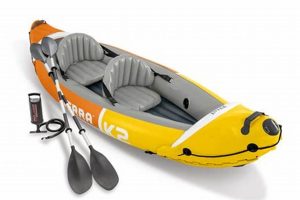
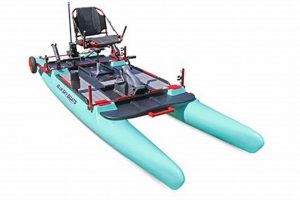
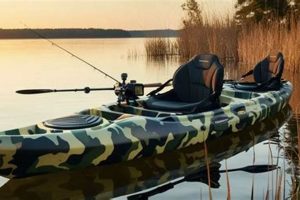
Kayak angling necessitates specialized equipment adapted for the confined space and mobility constraints of a kayak. Rod holders, anchor systems, fish finders, and tackle storage solutions designed specifically for kayak use become essential tools for effective angling. In tournament settings, efficient equipment organization and accessibility are crucial for maximizing fishing time and minimizing distractions. For example, a well-planned kayak setup allows anglers to quickly switch between different techniques or target specific species without compromising stability or maneuverability.
- Waterway Navigation and Positioning
Maneuvering a kayak presents unique challenges and opportunities in competitive fishing. Precise boat control, including paddling techniques, anchor deployment, and drift fishing strategies, become essential skills. Understanding water currents, wind conditions, and bottom structure plays a crucial role in effectively positioning the kayak for optimal fishing presentations. In Wisconsin tournaments, the ability to navigate diverse waterways, from shallow rivers to expansive lakes, is often a key factor in success.
- Species Targeting and Techniques
Kayak angling opens up opportunities to target a variety of fish species using techniques adapted to specific environments. Whether casting for bass in weedy shallows, trolling for walleye in open water, or jigging for panfish near submerged structures, kayak anglers can adapt their approach based on the target species and prevailing conditions. Wisconsin’s diverse fish populations and varied aquatic habitats provide a rich environment for exploring different kayak angling techniques in tournament settings.
- Stealth and Approach
The low profile and quiet operation of a kayak offer a significant advantage in approaching fish without disturbing them. This stealth allows anglers to get closer to target areas and present lures or bait more effectively. In competitive scenarios, this advantage can be crucial for maximizing catch rates, particularly in clear water or when targeting pressured fish. Kayak anglers often employ specialized techniques, such as using paddles for subtle maneuvering or drifting silently with the current, to maintain a stealthy approach.
These facets of kayak angling intertwine to shape the dynamics of competitive kayak fishing tournaments in Wisconsin. The ability to effectively combine specialized equipment, precise boat control, targeted fishing techniques, and a stealthy approach within the context of Wisconsin’s diverse waterways determines success in these challenging and rewarding events. Ultimately, mastery of kayak angling techniques, combined with strategic decision-making and an understanding of local conditions, elevates the competitive experience and contributes to the continued growth and evolution of this specialized sport.
3. Wisconsin Waters

Wisconsin’s diverse waters are intrinsically linked to the nature and appeal of kayak fishing tournaments held within the state. The variety of aquatic environments, from the expansive Great Lakes to intricate river systems and numerous inland lakes, provides a rich tapestry of fishing opportunities and challenges. This diversity shapes tournament formats, influences target species selection, and dictates the required angling techniques. The distinct characteristics of each water body, including depth, current, vegetation, and prevalent forage, play a crucial role in determining tournament outcomes. For example, the shallow, weedy backwaters of the Mississippi River present a different set of challenges and opportunities compared to the deep, open waters of Lake Michigan. This variety allows tournament organizers to tailor events to specific skill sets and preferences, attracting a wider range of participants.
The health and accessibility of Wisconsin waters directly impact the viability and success of kayak fishing tournaments. Efforts to maintain water quality, preserve natural habitats, and ensure public access are crucial for sustaining these events. Conservation initiatives, such as habitat restoration projects and invasive species management, contribute to the long-term health of fish populations and the overall quality of the angling experience. Furthermore, the availability of boat launches, public access points, and suitable shoreline areas influences the logistical planning and execution of tournaments. The Wisconsin Department of Natural Resources plays a key role in managing these resources, ensuring their continued availability for recreational and competitive fishing.
Understanding the specific characteristics of Wisconsin waters is paramount for successful tournament participation. Anglers who familiarize themselves with local conditions, including water temperature, clarity, current patterns, and prevalent fish species, gain a significant competitive advantage. Pre-tournament scouting, mapping potential fishing spots, and adapting techniques to suit the specific water body are essential strategies for maximizing success. Furthermore, respecting the fragility of these ecosystems and adhering to responsible fishing practices ensures the long-term sustainability of both the sport and the environment. The interplay between competitive ambition and environmental stewardship forms a crucial aspect of kayak fishing tournaments in Wisconsin.
4. Regulations and Permits

Regulations and permits form an essential framework for kayak fishing tournaments in Wisconsin, ensuring responsible angling practices and the long-term health of aquatic ecosystems. Compliance with these regulations is not only mandatory for tournament participation but also contributes to the overall sustainability of the sport and the preservation of Wisconsin’s natural resources. Understanding and adhering to these rules is crucial for both organizers and participants.
- Fishing Licenses
All participants in kayak fishing tournaments must possess a valid Wisconsin fishing license. Different license types exist, catering to residents, non-residents, and specific durations. Tournaments often require proof of licensure during registration. Obtaining the correct license ensures legal participation and contributes to the funding of conservation efforts within the state.
- Species-Specific Regulations
Regulations often dictate size limits, bag limits, and seasons for specific fish species. These regulations vary depending on the water body and the target species. Tournament organizers typically incorporate these rules into their specific guidelines, ensuring compliance and promoting responsible harvesting. For example, regulations might stipulate minimum lengths for bass or restrict the number of walleye that can be kept.
- Waterway Access and Usage
Certain waterways may have specific access restrictions, motor limitations, or designated no-fishing zones. Kayak anglers participating in tournaments must be aware of and comply with these regulations. Understanding launch sites, permitted areas, and any restrictions on kayak usage is essential for avoiding penalties and ensuring a smooth tournament experience. Some areas might prohibit motorized watercraft, while others may have designated launch sites specifically for kayaks.
- Invasive Species Prevention
Wisconsin regulations emphasize preventing the spread of aquatic invasive species. Kayak anglers are required to clean their boats, trailers, and equipment thoroughly before entering and after leaving any water body. This practice helps prevent the introduction and spread of invasive plants and animals that can disrupt local ecosystems. Tournament organizers often provide information and resources on invasive species prevention as part of their event guidelines.
Adherence to these regulations and permit requirements is integral to the responsible and sustainable operation of kayak fishing tournaments in Wisconsin. By understanding and complying with these rules, anglers contribute to the preservation of Wisconsins aquatic resources and ensure the continued enjoyment of the sport for future generations. This shared responsibility fosters a positive relationship between the angling community and the environment, supporting the long-term health and viability of competitive kayak fishing in the state.
5. Community and camaraderie

Kayak fishing tournaments in Wisconsin foster a strong sense of community and camaraderie among participants. These events serve as social hubs, connecting individuals who share a passion for angling, the outdoors, and the unique challenges of kayak fishing. The shared experiences of competition, navigating Wisconsin waters, and pursuing prized catches create bonds that extend beyond the tournament setting. This sense of community strengthens the sport, promotes knowledge sharing, and encourages mentorship among anglers of varying skill levels. For example, experienced tournament anglers often share tips and techniques with newcomers, fostering a welcoming and inclusive environment. Local kayak fishing clubs, such as the Wisconsin Kayak Fishing Association, play a significant role in nurturing this community, organizing events, and providing resources for members.
The camaraderie fostered within these tournaments contributes to the overall positive experience of competitive kayak fishing. Sharing stories, celebrating successes, and offering support during challenging moments enhance the enjoyment of the sport. This supportive environment encourages participation, reduces barriers to entry for newcomers, and promotes a sense of belonging within the kayak fishing community. The social aspect of tournaments often extends beyond the water, with anglers gathering for pre-tournament meetings, post-tournament celebrations, and informal fishing outings. This ongoing interaction strengthens relationships and reinforces the sense of community. Furthermore, this camaraderie extends to promoting ethical angling practices and conservation efforts. Experienced anglers often lead by example, emphasizing responsible catch-and-release techniques, proper disposal of fishing line and tackle, and respect for the environment. This shared commitment to conservation helps preserve Wisconsin’s waterways for future generations of kayak anglers.
Cultivating community and camaraderie within kayak fishing tournaments offers significant benefits for both individual anglers and the sport as a whole. This supportive network enhances the overall tournament experience, promotes skill development, and encourages responsible angling practices. The strength of this community contributes to the continued growth and sustainability of competitive kayak fishing in Wisconsin, ensuring its enjoyment for years to come. However, maintaining a balance between the competitive spirit and the collaborative nature of the community remains crucial. Striking this balance ensures that the pursuit of individual achievement aligns with the broader goals of fostering inclusivity and promoting shared stewardship of Wisconsins aquatic resources.
Frequently Asked Questions about Kayak Fishing Tournaments in Wisconsin
This FAQ section addresses common inquiries regarding competitive kayak angling in Wisconsin, providing clarity on tournament participation, regulations, and the broader aspects of the sport.
Question 1: What are the typical entry fees for kayak fishing tournaments in Wisconsin?
Entry fees vary depending on the tournament’s scale, location, and prize structure. Smaller, local events might have fees ranging from $25 to $50, while larger, regional competitions can range from $75 to $150 or more. Some tournaments may offer optional side pots or big fish entries for additional fees.
Question 2: Are there specific kayak requirements for tournament participation?
While most tournaments allow a variety of kayaks, some may specify minimum length requirements or prohibit certain types of propulsion systems (e.g., gas-powered motors). It’s crucial to review each tournament’s specific rules regarding kayak specifications.
Question 3: How are fish measured and weighed in tournaments?
Tournaments typically employ standardized measuring boards and scales for accurate recording of fish length and weight. Many competitions now utilize digital photography and measuring apps for catch verification and release, minimizing fish handling and stress.
Question 4: What safety precautions are essential for competitive kayak angling?
Wearing a personal flotation device (PFD) is mandatory in most tournaments. Carrying a whistle, signaling device, first-aid kit, and communication device is also highly recommended. Checking weather forecasts before and during the tournament is crucial for ensuring angler safety.
Question 5: How can one find information about upcoming kayak fishing tournaments in Wisconsin?
Information regarding upcoming tournaments can be found through various online resources, including websites of local kayak fishing clubs, state angling organizations, and tournament hosting platforms. Social media groups dedicated to kayak fishing in Wisconsin also serve as valuable sources of tournament information.
Question 6: Are there opportunities for beginners to participate in competitive kayak angling?
Many tournaments welcome anglers of all skill levels. Some events specifically cater to beginners or offer novice divisions. Participating in local club tournaments or smaller competitions provides a good entry point for those new to competitive kayak angling. Connecting with experienced anglers through local clubs or online forums can provide valuable guidance and support for beginners.
Participating in kayak fishing tournaments requires thorough preparation, adherence to regulations, and a respect for the sport and the environment. Understanding these aspects ensures a positive and rewarding experience for all involved.
This concludes the FAQ section. The following sections will delve into specific tournament formats and offer advanced strategies for competitive kayak angling success in Wisconsin.
Kayak Fishing Tournaments Wisconsin
Competitive kayak angling in Wisconsin offers a distinct blend of skill, strategy, and engagement with the natural environment. This exploration has highlighted key aspects of these events, from the technical demands of kayak angling to the importance of regulations, the role of community, and the unique characteristics of Wisconsin waters. Tournament participation requires meticulous preparation, adaptation to diverse conditions, and a commitment to ethical angling practices. The growth and popularity of these competitions reflect the broader appeal of kayak fishing, emphasizing accessibility and a close connection with nature.
The future of kayak fishing tournaments in Wisconsin rests on continued collaboration between anglers, organizers, and conservation agencies. Balancing competitive aspirations with responsible resource management ensures the long-term health of aquatic ecosystems and the sustained enjoyment of the sport. Promoting ethical angling practices, supporting conservation initiatives, and fostering a welcoming community are essential for the continued growth and positive impact of competitive kayak fishing in the state. By embracing these principles, anglers contribute to a legacy of responsible stewardship and ensure the vibrant future of kayak fishing tournaments in Wisconsin.