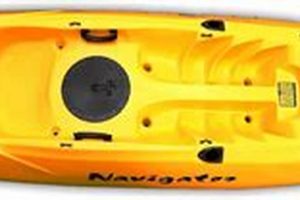
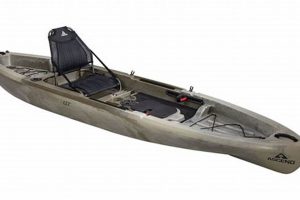
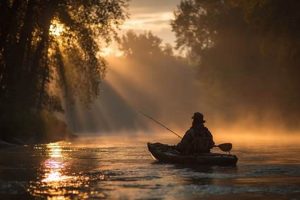
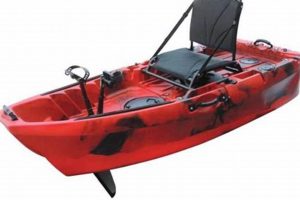
This activity involves angling from a small, human-powered vessel within a specific, protected coastal area. It offers a unique blend of recreation and sport, allowing access to shallow waters and areas unreachable by larger boats. This method typically targets species like halibut, calico bass, and yellowtail, depending on the season and location within the harbor.
The protected waters offer a relatively calm and accessible environment for anglers of various skill levels. This approach allows for a quiet, non-motorized experience, minimizing disturbance to the marine environment and potentially enhancing fishing success. Historically, small boats and kayaks have been used for fishing in coastal areas for centuries, evolving alongside advancements in materials and design. The modern iteration combines this heritage with contemporary angling techniques and equipment, offering a sustainable and engaging way to experience the marine environment.
Further exploration will cover relevant topics such as necessary equipment, optimal techniques, local regulations, safety precautions, and the environmental impact of this practice.
Tips for Harbor Kayak Angling
Successful fishing from a kayak in a harbor environment requires preparation and adherence to specific practices. The following tips offer guidance for a productive and safe experience.
Tip 1: Check Local Regulations. Regulations regarding fishing licenses, permitted species, catch limits, and specific harbor rules vary. Consulting local authorities before embarking on any fishing trip is essential for compliance.
Tip 2: Prioritize Safety. Always wear a personal flotation device (PFD). Carry a whistle, signaling device, and communication equipment for emergencies. Inform someone of your fishing plans, including your intended location and return time.
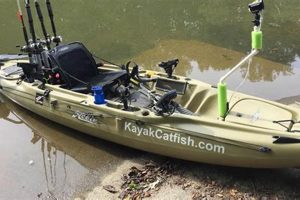
Tip 3: Choose Appropriate Gear. Select a kayak designed for stability and suitable for fishing. Equip the kayak with rod holders, tackle storage, and an anchor. Use fishing gear appropriate for the target species and the harbor environment.
Tip 4: Understand Tides and Currents. Harbor waters are influenced by tides and currents. Consulting tide charts and understanding current patterns will aid in navigating safely and effectively positioning the kayak for optimal fishing.
Tip 5: Practice Proper Kayak Handling. Acquire basic kayaking skills, including launching, landing, paddling, and maneuvering. This ensures efficient movement within the harbor and minimizes disturbance to other boaters and wildlife.
Tip 6: Employ Sound Angling Techniques. Adapt fishing techniques to the harbor environment. Consider using lighter tackle and downsized lures. Be mindful of the shallow waters and potential structure to avoid snags.
Tip 7: Respect the Environment. Practice catch-and-release whenever possible. Properly dispose of fishing line and other waste. Minimize disturbance to marine life and their habitats.
By adhering to these guidelines, anglers can significantly enhance their chances of a safe, successful, and environmentally responsible harbor fishing experience. Careful planning and execution contribute to both personal enjoyment and the preservation of the natural environment.
These tips provide a foundation for safe and productive harbor kayak angling. Further exploration may delve into specific techniques for targeting particular species, recommended equipment selections, and detailed safety procedures.
1. Kayak Selection

Appropriate kayak selection is fundamental to a successful and enjoyable experience. The harbor environment presents specific conditions that necessitate careful consideration of vessel characteristics. Choosing the right kayak directly impacts stability, maneuverability, and overall fishing effectiveness.
- Stability
Stability is paramount, particularly for anglers. A wider, flatter hull design generally offers greater primary stability, reducing the likelihood of capsizing during casting or landing fish. For example, a sit-on-top kayak provides inherent buoyancy and self-bailing capabilities, advantageous in choppy conditions. Enhanced stability allows anglers to focus on fishing rather than balance, contributing to a safer and more productive experience.
- Maneuverability
Newport Harbor’s diverse areas, from open water to tighter channels near moorings, require a kayak capable of efficient maneuvering. Shorter kayaks with a rudder system generally offer greater responsiveness, facilitating navigation through confined spaces or swift currents. This maneuverability enables anglers to access prime fishing locations and adjust positioning quickly as conditions change.
- Storage Capacity
Sufficient storage is essential for carrying fishing gear, safety equipment, and personal items. Kayaks with integrated storage compartments, tank wells, and deck rigging provide designated areas for securing equipment, maximizing space and organization. Ample storage reduces clutter and ensures essential items remain readily accessible throughout the fishing trip.
- Propulsion System
While paddle propulsion is common, pedal-powered kayaks offer advantages in certain situations. Pedal drives free the hands for fishing and provide consistent, efficient propulsion, particularly beneficial when covering longer distances or fishing in areas with currents. Choosing the optimal propulsion system depends on individual preferences and the specific fishing locations within the harbor.
Careful consideration of these factors ensures the chosen kayak aligns with the specific demands of fishing in Newport Harbor. An appropriate vessel significantly enhances safety, improves fishing effectiveness, and contributes to a more enjoyable overall experience.
2. Target Species
The range of fish species inhabiting Newport Harbor directly influences angling strategies and equipment choices for kayak fishing. Understanding the prevalent species, their behavior, and preferred habitats is crucial for a successful fishing experience. This knowledge informs decisions regarding bait selection, fishing techniques, and optimal locations within the harbor.
- Calico Bass
Calico bass (Paralabrax clathratus) are a popular target due to their abundance and fighting spirit. They inhabit rocky reefs, kelp forests, and structures like docks and pilings within the harbor. Anglers often employ light tackle and lures mimicking small fish or crustaceans to entice these bass. Their prevalence and accessibility make them a frequent target for kayak anglers.
- Halibut
California halibut (Paralichthys californicus) represent a prized catch for their size and culinary value. These flatfish inhabit sandy bottom areas and can be found throughout the harbor. Anglers often target them using live bait or lures presented near the seabed. Catching a halibut from a kayak requires specialized techniques and heavier tackle.
- Spotted Bay Bass
Spotted bay bass (Paralabrax maculatofasciatus) are another common species found near structures within the harbor. Similar to calico bass, they respond well to light tackle and a variety of lures. Distinguishing between the two species can be challenging, but both offer an engaging angling experience.
- Yellowtail
While less common within the harbor itself, yellowtail (Seriola lalandi) can occasionally enter during certain seasons. These powerful fish present a challenging and exciting target for experienced kayak anglers. Targeting yellowtail typically requires heavier tackle and specific techniques adapted to their pelagic nature.
Targeting specific species in Newport Harbor requires adapting techniques and equipment to their respective behaviors and habitats. Knowledge of prevalent species enhances fishing success and contributes to a more informed and rewarding experience within the harbor ecosystem. Understanding seasonal variations in species presence further refines strategic planning for kayak anglers.
3. Fishing Techniques
Effective fishing techniques in Newport Harbor leverage the unique characteristics of the kayak platform and the harbor environment. These techniques often prioritize stealth and precision, capitalizing on the kayak’s maneuverability and low profile. Adapting techniques to the specific target species and prevailing conditions maximizes fishing success.
Drift fishing is a common approach, allowing anglers to cover a wider area and present bait naturally with the current. This technique is particularly effective for halibut and other bottom-dwelling species. Precise placement of the kayak near structures like docks or kelp beds enhances opportunities for targeting calico bass and spotted bay bass. Artificial lures, such as jigs and soft plastics, mimic the movements of prey, attracting these predatory species. Live bait, including anchovies and sardines, can also be highly effective, particularly for larger game fish like yellowtail, should they enter the harbor.
Matching fishing techniques to the harbor’s dynamic environment, including tidal flows and water clarity, significantly influences results. During periods of strong current, anchoring near structure can hold the kayak in a productive zone. When sight fishing is possible in clearer water, techniques emphasizing precise lure presentation become more critical. Understanding these nuances and adapting techniques accordingly is essential for consistent success in Newport Harbor kayak fishing.
4. Safety Precautions

Safety precautions are paramount in Newport Harbor kayak fishing due to the dynamic nature of the harbor environment and the inherent risks associated with on-water activities. The harbor experiences fluctuating tidal currents, varying wind conditions, and substantial vessel traffic, including larger boats and personal watercraft. These factors necessitate a proactive approach to safety, minimizing potential hazards and ensuring a positive experience. Neglecting safety protocols can lead to serious incidents, endangering anglers and other harbor users. For instance, an angler without a personal flotation device (PFD) risks drowning if capsized by a wake or unexpected wave action. Similarly, failing to carry a signaling device could hinder rescue efforts in the event of an emergency.
Practical applications of safety precautions involve consistent adherence to established guidelines. Wearing a PFD is non-negotiable, providing essential buoyancy in case of capsize. Carrying a whistle, VHF radio, or cell phone in a waterproof container enables communication in emergencies. Checking weather forecasts before embarking and being aware of changing conditions throughout the trip are crucial for avoiding hazardous situations. Understanding navigational rules and maintaining a safe distance from other vessels minimizes the risk of collisions. Informing someone of fishing plans, including intended location and return time, ensures prompt assistance if needed. These precautions, while seemingly simple, demonstrably reduce risks and contribute to a safer harbor environment for all users. A real-life example emphasizes this: a kayaker who capsized near the harbor entrance was quickly located and rescued due to wearing a PFD and having informed a friend of their fishing plan.
In summary, prioritizing safety in Newport Harbor kayak fishing is not merely a recommendation but a critical prerequisite for a responsible and enjoyable experience. Consistent application of safety measures significantly mitigates inherent risks. The potential consequences of neglecting these precautions underscore their importance. Integrating safety practices into every fishing trip safeguards not only individual anglers but also contributes to the overall well-being of the harbor environment.
5. Local Regulations
Adherence to local regulations is essential for responsible and legal kayak fishing within Newport Harbor. These regulations, established by governing bodies such as the California Department of Fish and Wildlife (CDFW) and local harbor authorities, aim to preserve fish populations, protect the marine environment, and ensure the safety of all harbor users. Regulations encompass aspects like licensing requirements, size and catch limits for specific species, permitted fishing methods, and designated areas within the harbor. Ignoring these regulations can result in fines, confiscation of equipment, and suspension of fishing privileges. For example, exceeding the catch limit for calico bass, a common target species in the harbor, could lead to legal penalties.
Understanding and complying with local regulations contribute significantly to the sustainability of Newport Harbor’s ecosystem. Size limits protect juvenile fish, allowing them to mature and reproduce, ensuring healthy fish populations for future generations. Regulations regarding permitted fishing methods, such as prohibiting certain types of nets or traps, prevent environmentally damaging practices. Designated areas, like marine protected areas or seasonal closures, safeguard sensitive habitats crucial for breeding and spawning. Practical application involves researching current regulations through the CDFW website or contacting local harbor authorities before each fishing trip. Carrying a printed copy of the regulations while fishing facilitates on-the-spot reference and ensures compliance.
In conclusion, awareness and observance of local regulations are integral components of ethical and sustainable kayak fishing in Newport Harbor. Compliance not only avoids legal repercussions but also demonstrates respect for the environment and contributes to the long-term health of the harbor ecosystem. This understanding fosters a responsible angling community and ensures the continued enjoyment of this activity for future generations. Challenges may include staying updated on evolving regulations and interpreting complex rules, necessitating ongoing engagement with relevant authorities and resources. Ultimately, integrating regulatory compliance into fishing practices aligns individual actions with broader conservation efforts, preserving Newport Harbor’s unique marine environment.
6. Environmental Impact
Kayak fishing, while generally considered a low-impact activity, presents potential environmental consequences within a sensitive ecosystem like Newport Harbor. Understanding these impacts and adopting responsible practices is crucial for minimizing disturbance and preserving the harbor’s ecological integrity. The following facets highlight key areas where kayak fishing can interact with the environment.
- Habitat Disturbance
Kayaks, due to their maneuverability, can access shallow water areas and vegetated habitats often inaccessible to larger vessels. Improper kayaking practices, such as grounding in sensitive eelgrass beds or disturbing nesting shorebirds, can damage these crucial habitats. Repeated disturbances can lead to habitat fragmentation and loss, impacting the harbor’s overall biodiversity. For example, dragging a kayak across a shallow reef can damage coral and other sessile organisms.
- Fishing Practices
Certain fishing practices associated with kayak angling can negatively impact the environment. Discarding fishing line, especially monofilament, poses a significant entanglement hazard to marine life, including birds and sea turtles. Improper disposal of fish carcasses or bait can alter local nutrient cycles and attract scavengers, disrupting natural food webs. Utilizing lead sinkers, while effective, introduces lead into the harbor, potentially contaminating sediments and impacting aquatic organisms. For example, discarded fishing line can entangle propellers of other boats, requiring costly removal and potentially harming marine life in the process.
- Wildlife Interactions
Close proximity to wildlife, facilitated by kayaks’ quiet operation, presents both opportunities and challenges. While observing marine life enhances the kayaking experience, close approaches can disturb animal behavior, particularly during breeding or nesting seasons. Feeding wildlife, while seemingly harmless, can alter natural foraging patterns and create dependence on human interaction, ultimately impacting the animals’ health and survival. For instance, closely approaching seals or sea lions can disrupt their resting behavior and cause stress.
- Pollution
Kayaks, while not emitting exhaust fumes like motorized vessels, can still contribute to pollution within the harbor. Fuel or oil leaks from transported equipment, sunscreen or insect repellent washing off skin, and improper disposal of waste all introduce pollutants into the water. These pollutants, while seemingly minor individually, can accumulate and degrade water quality, impacting the health of marine organisms and potentially entering the human food chain. For example, spilled fuel from a gas-powered fish finder can create a sheen on the water surface and contaminate surrounding areas.
Minimizing the environmental impact of kayak fishing in Newport Harbor necessitates a proactive approach, integrating responsible practices into every aspect of the activity. From careful kayak handling to proper waste disposal and respectful wildlife observation, angler awareness and adherence to sustainable practices are crucial for preserving the harbor’s delicate ecosystem. Continued enjoyment of this recreational activity depends on mitigating its potential impacts, ensuring a healthy and vibrant harbor environment for future generations. The cumulative effect of individual actions, multiplied across numerous kayak anglers, underscores the importance of environmental stewardship within this unique coastal ecosystem.
7. Equipment Essentials
Equipment selection directly influences success and safety in Newport Harbor kayak fishing. Specific gear choices must consider the target species, the harbor environment, and the unique challenges of fishing from a kayak. Appropriate equipment enhances angling effectiveness, ensures angler comfort, and promotes safe practices within the dynamic harbor setting. For instance, a kayak equipped with rod holders, an anchor, and appropriate safety gear, such as a personal flotation device (PFD) and a signaling device, contributes significantly to a productive and safe fishing experience. Conversely, inadequate equipment, such as an unstable kayak or insufficiently strong fishing line, increases the risk of capsizing, gear failure, or unsuccessful angling attempts. A real-life example illustrates this: an angler using a recreational kayak not designed for stability experienced difficulty maintaining balance while fighting a hooked fish, resulting in a near capsize. This incident underscores the importance of selecting equipment appropriate for the specific demands of harbor kayak fishing.
Essential equipment encompasses several key categories. Kayak choice prioritizes stability and maneuverability within the harbor’s often confined spaces and fluctuating currents. Rods and reels suited to the target species ensure effective presentation of bait or lures. Terminal tackle, including hooks, lines, and sinkers, must withstand the strain of battling fish near structures like docks and pilings. Safety gear, including a PFD, signaling devices, and communication equipment, is paramount in the event of an emergency or unforeseen circumstances. Appropriate attire, including sun protection and layered clothing, enhances comfort and protects against the elements. Additional accessories, such as a fish finder or GPS unit, while not strictly essential, can significantly improve fishing success and navigational awareness. For example, an angler using a fish finder can locate submerged structures holding fish, increasing their chances of a successful catch. Furthermore, a GPS device aids navigation, especially in challenging conditions such as fog or darkness.
Careful consideration of equipment needs translates to enhanced angling experiences and responsible harbor stewardship. Understanding the interplay between equipment choices, fishing techniques, and harbor conditions contributes to efficient and effective fishing practices. Challenges include balancing cost considerations with equipment quality and adapting gear choices to varying target species and fishing conditions. Addressing these challenges necessitates careful planning, research, and consultation with experienced kayak anglers or local tackle shops. Ultimately, appropriate equipment selection reflects a commitment to safety, enhances fishing success, and minimizes environmental impact, fostering a sustainable approach to Newport Harbor kayak fishing.
Frequently Asked Questions
This section addresses common inquiries regarding kayak fishing within Newport Harbor. Clarity on these topics promotes safe and responsible angling practices.
Question 1: Are there specific launch points recommended for kayaks within Newport Harbor?
Several public launch ramps and beaches provide access for kayaks. Choosing a launch point depends on targeted fishing areas and prevailing conditions. Consulting local resources or harbor maps identifies suitable locations and any associated fees or restrictions.
Question 2: What safety equipment is mandatory for kayak fishing in Newport Harbor?
Regulations mandate a personal flotation device (PFD) for each person on board. Carrying a sound-producing device, such as a whistle, is also required. Additional safety equipment, like a VHF radio, signaling mirror, and first-aid kit, while not legally mandated, is highly recommended.
Question 3: Are there any restrictions on fishing locations or methods within the harbor?
Designated areas, such as swimming zones or mooring fields, may prohibit fishing. Specific fishing methods, including certain types of nets or traps, may also be restricted. Consulting local harbor regulations provides detailed information on permissible fishing practices and restricted areas.
Question 4: What types of fish are commonly targeted by kayak anglers in Newport Harbor?
Common target species include calico bass, spotted bay bass, halibut, and occasionally yellowtail. The prevalence of specific species varies seasonally. Understanding fish behavior and preferred habitats informs effective angling strategies within the harbor.
Question 5: How do tidal currents and weather conditions affect kayak fishing in the harbor?
Tidal flows and wind conditions significantly impact kayak handling and fishing success. Consulting tide charts and weather forecasts before embarking is crucial. Adapting fishing locations and techniques to prevailing conditions enhances safety and fishing effectiveness.
Question 6: What environmental considerations are relevant to kayak fishing in Newport Harbor?
Minimizing environmental impact involves responsible anchoring practices, proper disposal of fishing line and other waste, and respectful observation of wildlife. Adhering to these practices preserves the harbor ecosystem and contributes to its long-term health.
Addressing these frequently asked questions provides a foundation for informed and responsible kayak fishing practices within Newport Harbor. Further inquiries should be directed to local authorities or experienced harbor anglers.
Additional resources, including harbor maps, tide charts, and local fishing reports, can further enhance planning and preparation for kayak fishing excursions in Newport Harbor.
Newport Harbor Kayak Fishing
This exploration has provided a comprehensive overview of angling within Newport Harbor from a kayak. Key aspects covered include the selection of appropriate kayaks and essential equipment, identification of target species and effective fishing techniques, adherence to safety precautions and local regulations, and minimization of environmental impact. Understanding these elements contributes significantly to a successful, safe, and sustainable approach to this popular activity.
Newport Harbor offers a unique and dynamic environment for kayak anglers. Responsible engagement with this ecosystem requires continuous learning, adaptation to changing conditions, and a commitment to preserving the harbor’s ecological integrity. The future of this recreational pursuit relies on the collective stewardship of all who participate, ensuring the harbor remains a vibrant and accessible resource for generations to come. Continued exploration of advanced techniques, refined understanding of local ecosystems, and ongoing adherence to evolving best practices will further enhance the experience and sustainability of Newport Harbor kayak fishing.