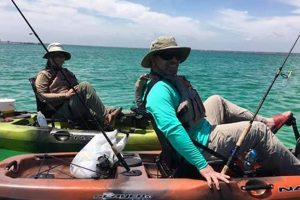
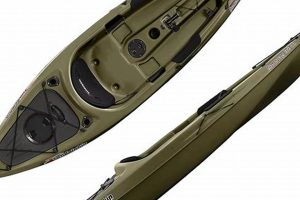
This activity combines two popular outdoor pursuits: angling with specialized lightweight tackle and navigating waterways in a small, human-powered vessel. It offers a unique approach to angling, allowing access to shallow, secluded waters often unreachable by traditional boats. Imagine casting for trout in a pristine mountain lake, silently gliding across the surface with minimal disturbance to the environment and fish.
This approach provides distinct advantages. Kayaks offer stability and maneuverability, enabling anglers to navigate tight spaces and position themselves strategically for optimal casting. Their low profile minimizes shadows and surface disturbance, increasing the chances of a successful catch. Furthermore, the quiet operation of a kayak allows anglers to approach fish stealthily, enhancing the overall fishing experience. The combination of these two activities has grown in popularity in recent decades, attracting individuals seeking a more immersive and eco-friendly way to enjoy the outdoors.
The following sections delve into essential aspects of this combined activity, covering topics such as selecting appropriate equipment, mastering effective techniques, identifying prime locations, and prioritizing safety considerations.
Tips for Combining Kayaking and Fly Fishing
Successfully merging kayaking and fly fishing requires careful planning and execution. The following tips offer guidance for a safe and productive experience.
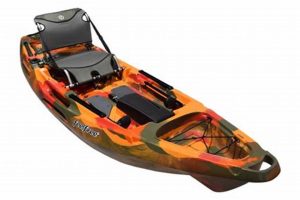
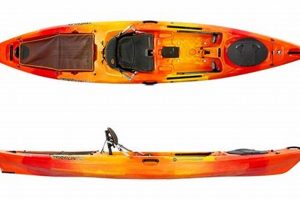
Tip 1: Choose the Right Kayak. A stable, sit-on-top kayak is generally recommended. Wider hulls provide increased stability, crucial for casting and landing fish. Consider models specifically designed for fishing, often equipped with rod holders and other specialized features.
Tip 2: Organize and Secure Equipment. Keep essential gear within easy reach. Utilize waterproof storage compartments and consider a gear leash system to prevent loss. Proper organization minimizes distractions and maximizes fishing time.
Tip 3: Practice Casting Techniques. Adapt casting strokes to the confined space of a kayak. Short, controlled casts are often more effective than long, sweeping motions. Practice on land to develop a comfortable and efficient casting rhythm.
Tip 4: Understand Water Conditions. Currents, wind, and tides can significantly impact kayak control and fishing success. Research the area beforehand and adjust techniques accordingly. Be prepared for changing conditions and prioritize safety.
Tip 5: Prioritize Safety. Always wear a personal flotation device (PFD). Inform someone of your fishing plans, including location and expected return time. Carry a whistle and other signaling devices for emergencies.
Tip 6: Respect the Environment. Practice catch-and-release whenever possible. Avoid disturbing wildlife and vegetation. Pack out all trash and leave the area cleaner than you found it.
Tip 7: Employ Stealth Tactics. Minimize noise and movement to avoid spooking fish. Approach fishing spots slowly and quietly. Use natural camouflage to blend in with the surroundings.
By adhering to these guidelines, anglers can enhance their fishing experience while ensuring safety and environmental responsibility. These preparations contribute to a more rewarding and enjoyable time on the water.
The following section concludes with a summary of key considerations and encourages further exploration of this exciting outdoor pursuit.
1. Specialized Kayak Selection

Specialized kayak selection is paramount for successful integration with fly fishing. Kayak design significantly influences maneuverability, stability, and overall fishing efficacy. An inappropriate kayak can hinder casting, limit access to desirable fishing locations, and compromise safety. Conversely, a well-chosen vessel enhances the angling experience. Consider the cause-and-effect relationship: a stable platform, like a wider sit-on-top kayak, enables controlled casting and reduces the risk of capsizing when battling a fish, directly impacting the angler’s success and safety. Conversely, a narrow, unstable kayak may limit casting range and create a precarious situation when fighting a fish, especially in moving water. A real-life example is the difference between attempting to fly fish from a recreational sit-in kayak versus a dedicated fishing kayak. The recreational kayak’s higher center of gravity and lack of specialized features hinder casting and make maintaining balance challenging. The fishing kayak, with its lower center of gravity, wider beam, and often included rod holders, provides a stable and efficient platform for casting, retrieving, and landing fish.
Further highlighting the importance of specialized kayak selection, consider the practical implications of different hull designs. A shorter, wider kayak offers superior maneuverability in tight spaces like small streams or mangrove tunnels, essential for navigating close to fish-holding structures. Longer kayaks, while faster in open water, sacrifice agility in confined areas. Consider the specific fishing environment. A shallow-draft kayak is essential for navigating shallow flats and accessing areas unreachable by larger boats, whereas a pedal-driven kayak allows hands-free navigation and precise positioning, particularly beneficial in windy conditions. The practical significance of understanding these nuances translates to improved fishing success, increased safety, and overall enhanced enjoyment on the water.
In summary, specialized kayak selection is not merely a matter of preference but a critical factor determining the efficacy and safety of fly fishing from a kayak. The choice of kayak directly influences access to fishing locations, casting ability, and stability, ultimately impacting the angler’s success and safety. Understanding these connections allows for informed decisions and contributes to a more productive and fulfilling angling experience. Overlooking these factors can present significant challenges, limiting opportunities and potentially compromising safety, reinforcing the critical role of specialized kayak selection within this combined pursuit.
2. Lightweight Tackle

Lightweight tackle is integral to the specialized nature of fly fishing from a kayak. Its importance stems from the need for efficient casting in confined spaces, maneuverability within the kayak, and overall ease of transport and handling. The selection and application of lightweight tackle directly impact casting performance, fish-fighting capabilities, and the overall enjoyment of the combined activity. The following facets explore the critical components and implications of lightweight tackle within this specialized angling pursuit.
- Rod Selection
Rod choice significantly influences casting accuracy and efficiency within the confines of a kayak. Shorter rods, typically between 7 and 9 feet for freshwater applications and 8 to 10 feet for saltwater, offer better control and reduce the risk of tangling in overhead branches or gear. A shorter, faster-action rod allows for quick casts in tight quarters, essential when targeting fish in close proximity to vegetation or structure. For example, a 7-weight rod paired with a floating line provides versatile performance for targeting trout in small streams, while a 9-weight rod with a sinking line is better suited for pursuing bonefish in shallow saltwater flats. The implications of rod choice are evident in the angler’s ability to present flies accurately and efficiently, a critical factor in fishing success.
- Reel and Line Considerations
Balanced tackle is crucial. The reel and line should complement the rod’s weight and action. A lightweight reel with a smooth drag system is essential for managing lighter tippets and battling strong fish. Line choice depends on the target species and fishing environment. Floating lines are generally preferred for surface presentations, while sinking lines are necessary for fishing deeper water. For instance, a balanced reel paired with a weight-forward floating line allows for delicate presentations to wary trout in clear streams, whereas a saltwater reel with a sealed drag system and a tropical floating line is more appropriate for targeting bonefish in saltwater environments. The implications of these choices are manifest in the angler’s ability to control the line, present the fly effectively, and manage fish during the fight.
- Fly Selection and Presentation
Fly selection and presentation tactics adapt to the specific environment and target species. Smaller flies and delicate presentations are often necessary in clear, shallow water, where fish are easily spooked. Larger, more buoyant flies may be required in faster-moving or deeper water. For example, presenting a small, dry fly to a selective trout in a spring creek necessitates a delicate presentation, while stripping a larger streamer fly in a saltwater flat requires a different approach. The implications of fly selection and presentation are directly related to attracting and hooking fish, emphasizing the importance of adapting to specific conditions.
- Packability and Organization
Efficient organization of lightweight tackle is essential in the limited space of a kayak. Waterproof boxes and packs designed for fly fishing equipment keep gear organized, dry, and easily accessible. A well-organized system minimizes distractions and maximizes fishing time. For example, keeping flies organized by size and type in labeled compartments allows for quick changes without disrupting the fishing rhythm. The implications of packability and organization translate to a more efficient and enjoyable fishing experience, as the angler can focus on fishing rather than searching for misplaced gear.
The interplay of these facets underscores the significance of lightweight tackle in fly fishing from a kayak. The selection and application of each component directly impacts the angler’s ability to effectively present flies, fight fish, and manage gear within the confined space of a kayak. By carefully considering these aspects, anglers can optimize their fishing experience and increase their chances of success on the water, highlighting the integral connection between lightweight tackle and this specialized angling pursuit. This consideration extends beyond mere equipment choices and reflects a deeper understanding of the nuanced relationship between angler, equipment, and environment.
3. Quiet Water Approach
A quiet water approach represents a fundamental principle in fly fishing from a kayak. The stealth afforded by a kayak, combined with proper paddling techniques, minimizes disturbance to the water’s surface and allows anglers to approach fish undetected. This connection between a quiet approach and successful fly fishing hinges on the inherent wariness of fish, particularly in shallow, clear water. The cause-and-effect relationship is clear: excessive noise and surface disturbance alert fish to potential danger, causing them to flee or become less receptive to presented flies. Conversely, a quiet, non-threatening approach allows anglers to position themselves within casting range without alarming their quarry, increasing the likelihood of a successful presentation and hookup. Consider the scenario of targeting bonefish on shallow flats. A noisy approach will quickly spook these wary fish, while a quiet drift within casting range significantly improves the chances of a successful presentation.
The importance of a quiet water approach as a component of fly fishing from a kayak extends beyond simply avoiding spooking fish. It also impacts the angler’s ability to observe fish behavior. In calm, undisturbed water, anglers can more easily spot fish, observe their feeding patterns, and tailor fly selection and presentation accordingly. This observational advantage translates to more informed decisions, leading to increased fishing success. For instance, in a slow-moving river, a quiet approach allows anglers to observe trout rising to surface insects, enabling them to select a matching dry fly and present it with greater precision. Furthermore, the tranquility of a quiet approach enhances the overall fishing experience, fostering a deeper connection with the natural environment.
The practical significance of understanding and implementing a quiet water approach cannot be overstated. It directly influences fishing success, allowing anglers to get closer to fish, observe their behavior, and present flies with greater precision. Challenges arise when anglers fail to prioritize stealth, paddling too aggressively or creating excessive noise with gear. These disturbances can negatively impact fishing opportunities, particularly in clear, shallow water where fish are most susceptible to disturbance. This understanding underscores the crucial link between a quiet water approach and the broader objective of maximizing success and enjoyment in fly fishing from a kayak, highlighting the essential connection between angler, environment, and the subtle art of stealth.
4. Strategic Positioning

Strategic positioning is paramount in fly fishing from a kayak. Unlike wading or fishing from a motorized boat, a kayak angler must carefully consider position relative to currents, wind, structure, and, most importantly, target fish. Effective positioning directly influences casting accuracy, fly presentation, and the ability to fight and land fish successfully. The following facets explore the crucial components of strategic positioning within this specialized angling pursuit.
- Current Management
Understanding and utilizing currents is essential for effective positioning. In rivers and streams, positioning the kayak upstream of target areas allows the fly to drift naturally, mimicking the movement of aquatic insects. This upstream approach minimizes drag on the fly line, providing a more realistic presentation and increasing the chances of a strike. Conversely, fishing downstream can result in an unnatural, fast drift that spooks fish. For example, when targeting trout holding near a submerged log, positioning the kayak slightly upstream allows the fly to drift naturally alongside the log, maximizing the opportunity for a strike. The implications of current management become even more critical in tidal waters, where changing currents require constant adjustments in kayak position.
- Wind Drift Control
Wind significantly impacts kayak drift and, consequently, fly presentation. Positioning the kayak to minimize wind drift is crucial, particularly when fishing in open water or on larger lakes. Anglers must anticipate wind direction and speed, adjusting their position to maintain optimal casting angles and fly control. For instance, when fishing a lake with a steady breeze, positioning the kayak broadside to the wind allows for controlled drifts and facilitates accurate casts to targeted areas. The implications of wind drift control extend beyond casting, as it also influences the angler’s ability to maintain a stable platform for fighting fish.
- Structure Utilization
Utilizing underwater structure is a key element of strategic positioning. Fish often congregate around submerged logs, rocks, weed beds, and other forms of cover. Positioning the kayak near these structures, while remaining mindful of minimizing disturbance, increases the likelihood of encountering fish. For example, when fishing a river, positioning the kayak near a cut bank or overhanging tree allows anglers to present flies to fish holding in the shaded, oxygen-rich water. The implications of structure utilization are evident in the increased opportunity for encounters with target species.
- Stealth and Approach Angles
Stealth and approach angles are critical components of strategic positioning. Approaching fish from an angle that minimizes shadows and surface disturbance is essential, particularly in clear water. This often involves approaching from upwind or downstream, allowing the angler to remain undetected while maneuvering into casting position. For example, when stalking bonefish on a shallow flat, approaching from upwind minimizes the chance of the fish detecting the kayak’s shadow or movement on the surface. The implications of stealthy approach angles are directly related to maximizing fishing success by avoiding spooking wary fish.
These facets of strategic positioning intertwine to create a framework for successful fly fishing from a kayak. Understanding and applying these principles allows anglers to maximize their time on the water by effectively targeting fish-holding areas, optimizing fly presentation, and increasing their chances of success. The interplay between current management, wind drift control, structure utilization, and stealthy approach angles highlights the nuanced and dynamic nature of strategic positioning in this specialized pursuit. A skilled kayak angler understands these connections and adapts their positioning strategy based on the specific conditions and target species, demonstrating the critical role of strategic thinking in fly fishing from a kayak. This strategic mindset extends beyond simply placing the kayak; it reflects a deeper understanding of fish behavior, water dynamics, and the angler’s role within the ecosystem.
5. Shallow Water Access
Shallow water access represents a significant advantage of fly fishing from a kayak. Many fish species, particularly those targeted by fly anglers, frequent shallow, protected areas often inaccessible to larger, motorized boats. Kayaks, with their shallow draft and maneuverability, grant access to these prime fishing grounds, significantly expanding angling opportunities. This ability to navigate shallow water distinguishes kayak fishing from other angling methods and directly influences the angler’s potential for success. The following facets explore the components, examples, and implications of shallow water access within this specialized pursuit.
- Reaching Isolated Habitats
Kayaks excel in reaching isolated habitats inaccessible to traditional boats. Small creeks, protected coves, shallow flats, and backwater sloughs often hold abundant fish populations. Navigating these shallow, confined areas by kayak opens opportunities for targeting species such as redfish in salt marsh estuaries, largemouth bass in secluded ponds, or bonefish on pristine flats. The ability to reach these otherwise inaccessible areas significantly expands angling possibilities and often leads to encounters with larger, less pressured fish. This access translates to enhanced fishing opportunities and contributes to a more diverse and rewarding angling experience.
- Stealth and Approach in Shallows
The shallow draft of a kayak allows for a stealthy approach in shallow water. Minimizing disturbance is crucial when targeting fish in these environments, where fish are easily spooked by noise and movement. Kayaks facilitate quiet, non-threatening approaches, enabling anglers to get within casting range without alerting their quarry. For example, approaching bonefish on a shallow flat requires a stealthy approach, and a kayak’s minimal draft allows anglers to glide over shallow areas without creating pressure waves or excessive noise, maximizing the chances of a successful presentation. This inherent stealth advantage significantly increases the probability of hooking wary fish.
- Sight Fishing Advantage
Shallow water environments often offer excellent sight fishing opportunities. The clarity of shallow water combined with a kayak’s low profile provides a distinct advantage for spotting fish. This elevated perspective enables anglers to observe fish behavior, identify feeding patterns, and tailor fly selection and presentation accordingly. For example, spotting redfish tailing in shallow grass flats from a kayak provides an unparalleled sight fishing experience, allowing anglers to target individual fish with precision casts. This ability to see and target specific fish enhances the challenge and reward of fly fishing.
- Navigating Complex Environments
Kayaks excel at navigating complex shallow-water environments. Their maneuverability allows anglers to negotiate tight channels, weave through submerged vegetation, and access areas that would be impossible to reach with larger vessels. This agility is particularly advantageous when fishing in mangrove forests, tidal creeks, or areas with dense vegetation. For example, navigating the intricate channels of a mangrove ecosystem in pursuit of snook requires a maneuverable vessel, and a kayak’s ability to navigate tight turns and shallow areas provides access to prime fishing locations within these complex environments. This adaptability unlocks fishing opportunities in environments otherwise inaccessible to traditional boats.
These facets collectively highlight the significant advantage of shallow water access afforded by fly fishing from a kayak. This ability to reach secluded areas, approach fish stealthily, sight fish effectively, and navigate complex environments distinguishes kayak fishing from other angling methods. By understanding and leveraging these advantages, anglers can significantly expand their fishing opportunities and connect with the environment on a more intimate level, showcasing the intimate connection between kayak fishing, shallow water access, and the pursuit of a rewarding angling experience.
6. Enhanced Stealth

Enhanced stealth represents a cornerstone of fly fishing from a kayak. The quiet nature of both kayaking and fly fishing creates an unparalleled opportunity to approach fish with minimal disturbance. This inherent stealth advantage distinguishes kayak fishing from other angling methods and significantly contributes to its effectiveness. Fish, particularly in shallow, clear water, are highly susceptible to noise and visual disturbances. A stealthy approach allows anglers to get closer to fish, increasing the likelihood of a successful presentation and minimizing the risk of spooking wary targets. The following explores the key facets of enhanced stealth in the context of fly fishing from a kayak.
- Low-Profile Advantage
Kayaks offer a significantly lower profile than traditional boats, minimizing visual disturbance to fish. This low vantage point reduces shadows and silhouettes on the water’s surface, making the angler less conspicuous to fish below. This is particularly advantageous in shallow water, where fish have a greater field of vision above the surface. For instance, when approaching redfish tailing in shallow flats, a kayak’s low profile minimizes the likelihood of spooking the fish, allowing for a closer approach and a more accurate presentation. This low-profile advantage translates to increased opportunities for close-range presentations and improves the chances of hooking wary fish.
- Quiet Propulsion
Kayaks offer quiet propulsion, minimizing noise pollution that can disturb fish. Unlike motorized boats, kayaks rely on paddle strokes or, in some cases, pedal drives, both of which produce minimal underwater noise. This quiet operation is crucial when approaching fish in shallow or clear water, where sound travels easily. For example, paddling quietly along a weed line allows anglers to approach bass without disturbing the fish, increasing the chances of a successful ambush. This quiet approach is particularly beneficial in calm conditions, where even small noises can alert fish to the angler’s presence. The quiet nature of kayak propulsion significantly enhances stealth, allowing for closer approaches and increasing fishing success.
- Controlled Movement
Kayaks provide excellent control over movement, allowing anglers to maneuver precisely and minimize disturbance to the surrounding environment. Small, controlled paddle strokes or subtle pedal adjustments enable precise positioning and minimize the creation of pressure waves that can alert fish. This controlled movement is essential when approaching fish in shallow water or when navigating tight spaces, such as narrow creeks or mangrove tunnels. For example, using a slow, controlled paddle stroke to position the kayak behind a submerged log allows for a precise presentation to fish holding in the cover without creating excessive disturbance. This precise control over movement further enhances stealth and allows anglers to maneuver strategically without alarming fish.
- Camouflage and Concealment
Kayaks offer opportunities for camouflage and concealment, blending in with the natural environment. Many fishing kayaks come in natural colors like greens, browns, and blues, which help them blend in with the surrounding water and vegetation. Anglers can further enhance concealment by wearing clothing that matches the environment, minimizing their visual impact on the fish. For example, wearing muted earth tones while fishing in a marsh environment helps the angler blend in with the surroundings, making them less noticeable to fish. This aspect of camouflage, combined with the kayak’s natural color scheme, amplifies the stealth advantage, allowing for closer, undisturbed approaches to target fish.
The convergence of these facets underscores the enhanced stealth capabilities inherent in fly fishing from a kayak. The low profile, quiet propulsion, controlled movement, and camouflage options combine to create a platform uniquely suited for approaching fish undetected. This inherent stealth advantage translates directly to increased fishing success, especially in clear, shallow water where fish are most susceptible to disturbance. By understanding and leveraging these stealth characteristics, anglers can maximize their opportunities to approach fish closely, present flies naturally, and achieve a more fulfilling and successful fishing experience. This connection between stealth, kayak fishing, and fly fishing underscores the symbiotic relationship between angler, equipment, and environment in the pursuit of this specialized angling discipline.
7. Environmental Awareness

Environmental awareness is paramount when fly fishing from a kayak. This activity provides intimate access to diverse ecosystems, placing anglers in a position of direct interaction with, and responsibility for, the natural world. Understanding and minimizing the environmental impact of this activity ensures the preservation of these valuable resources for future generations. This awareness shapes not only individual angling practices but also contributes to the broader conservation efforts aimed at protecting aquatic environments. The following explores key facets of environmental awareness within this context.
- Leave No Trace Principles
Adhering to Leave No Trace principles is fundamental. These principles emphasize minimizing human impact on natural environments by packing out all trash, avoiding disturbing vegetation, and respecting wildlife. In the context of fly fishing from a kayak, this translates to careful launching and landing practices, avoiding dragging kayaks across sensitive shorelines, and properly disposing of fishing line and other waste. For example, carrying a reusable bag for trash and collecting discarded fishing line encountered along the waterway demonstrates a commitment to Leave No Trace ethics. The implications of these practices extend beyond individual responsibility, contributing to the overall health and preservation of the ecosystem.
- Fish Handling Practices
Proper fish handling practices are crucial for minimizing stress and maximizing post-release survival rates. Using barbless hooks reduces injury to fish, and wet hands or a landing net minimize damage to their protective slime coat. Supporting the fish horizontally while removing the hook and reviving it in the water before release are essential steps for ensuring its survival. For example, quickly and gently removing a hook from a trout while keeping it submerged in the water demonstrates proper fish handling techniques. These practices promote healthy fish populations and contribute to the sustainability of the fishery.
- Respecting Aquatic Habitats
Respecting aquatic habitats involves avoiding disturbing sensitive areas such as spawning beds, nesting sites, and underwater vegetation. Kayaks offer a non-intrusive way to access these areas, but anglers must be mindful of their presence and avoid disturbing the natural balance. For example, paddling around a designated spawning area rather than through it demonstrates respect for the delicate ecosystem. Such actions preserve the integrity of these vital habitats, ensuring healthy populations of fish and other aquatic organisms.
- Water Quality Awareness
Water quality awareness is essential for responsible kayak angling. Avoiding the use of harmful chemicals, such as sunscreen or insect repellent that can contaminate waterways, is crucial. Properly disposing of waste and avoiding spills of fuel or other pollutants minimizes negative impacts on water quality. For example, choosing biodegradable sunscreen and insect repellent demonstrates an understanding of the potential impacts of chemical pollutants on aquatic ecosystems. These practices contribute to maintaining healthy water quality, essential for supporting diverse aquatic life.
These facets of environmental awareness underscore the interconnectedness between angler, environment, and the sustainability of fly fishing from a kayak. Responsible angling practices, informed by an understanding of ecological principles, minimize human impact and contribute to the preservation of these valuable resources. This awareness transcends individual actions and reflects a broader commitment to environmental stewardship, ensuring that future generations can enjoy the unique experience of fly fishing from a kayak in healthy, thriving ecosystems. This connection between environmental awareness and angling practices fosters a deeper appreciation for the natural world and reinforces the importance of responsible recreation within these delicate environments.
Frequently Asked Questions
This section addresses common inquiries regarding the combined activity of fly fishing from a kayak.
Question 1: What type of kayak is best suited for fly fishing?
Sit-on-top kayaks are generally preferred for their stability, ease of entry and exit, and self-bailing design. Wider, shorter kayaks offer enhanced stability for casting and fighting fish, while longer kayaks provide greater speed for covering larger distances.
Question 2: What essential gear is needed beyond a kayak and fly rod?
Essential gear includes a personal flotation device (PFD), appropriate clothing for sun and weather protection, a waterproof storage container for essential items, a first-aid kit, signaling devices, and appropriate fishing tackle.
Question 3: How does casting differ from traditional wading or boat fishing?
Casting from a kayak requires adjustments due to the limited space and the need to maintain balance. Shorter, more compact casting strokes are often necessary. Practicing casting from a seated position prior to on-water excursions is recommended.
Question 4: What safety precautions should be considered?
Always inform someone of fishing plans, including location and expected return time. Check weather forecasts and water conditions before heading out. Carry a whistle, signaling mirror, and VHF radio. Be aware of potential hazards such as changing tides, currents, and weather patterns.
Question 5: How does one choose appropriate fishing locations?
Research potential fishing locations beforehand, considering factors such as target species, water depth, currents, and access points. Online resources, local fishing reports, and maps can provide valuable insights. Respect private property and adhere to local fishing regulations.
Question 6: What are the advantages of fly fishing from a kayak compared to other methods?
Kayak fishing offers access to shallow, secluded areas often unreachable by larger boats, providing a stealthy approach and enhanced angling opportunities. The combination of exercise, connection with nature, and unique fishing perspective contribute to a rewarding experience.
Careful consideration of these frequently asked questions contributes to a safer, more efficient, and enjoyable fly fishing experience from a kayak. Understanding these aspects allows anglers to make informed decisions regarding equipment, safety precautions, and fishing locations.
This concludes the FAQ section. The following section delves into specific techniques and strategies for maximizing success on the water.
Fly Fish Kayak
This exploration has highlighted the multifaceted nature of combining kayaking and fly fishing. From specialized equipment selection and strategic positioning to enhanced stealth and environmental awareness, each facet contributes to a unique and rewarding angling experience. The advantages of accessing shallow, secluded waters, coupled with the quiet approach afforded by a kayak, create optimal conditions for targeting a variety of fish species. Furthermore, the emphasis on environmental responsibility ensures the preservation of these valuable ecosystems for future generations.
The convergence of these elements offers a compelling invitation to explore the dynamic interplay between angler, kayak, and the aquatic environment. This pursuit encourages a deeper understanding of fish behavior, water dynamics, and the importance of responsible angling practices. Through careful preparation, thoughtful execution, and a commitment to conservation, the experience of combining kayaking and fly fishing offers a unique and fulfilling connection with the natural world.