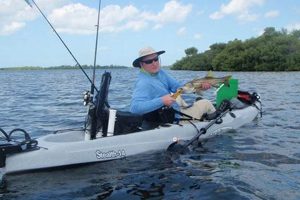
Specialized apparel designed for anglers fishing from kayaks blends functionality with comfort and safety. This gear typically includes moisture-wicking and quick-drying fabrics, sun protection, and enhanced mobility features. Examples include lightweight, breathable shirts and pants, performance fishing hats, and water-resistant jackets.
Appropriate attire enhances the angling experience by providing protection from the elements, including sun, wind, and water. This specialized gear also improves comfort and mobility, allowing for a greater range of motion crucial for casting and reeling in fish from a kayak. Historically, anglers adapted existing clothing for kayak fishing. However, the increasing popularity of this sport has driven the development of purpose-built apparel that addresses the specific needs and challenges of this activity. This advancement has resulted in safer and more enjoyable experiences on the water.
The subsequent sections will delve deeper into specific garment types, material considerations, and essential features to look for when selecting attire for kayak fishing. Further discussion will cover layering strategies for varying weather conditions and recommended safety gear.
Tips for Choosing Appropriate Kayak Fishing Attire
Careful selection of apparel significantly impacts comfort and safety while kayak fishing. The following tips offer guidance for making informed decisions.
Tip 1: Prioritize Performance Fabrics: Opt for moisture-wicking and quick-drying materials like polyester or nylon blends. These fabrics regulate body temperature and prevent discomfort caused by damp clothing.
Tip 2: Sun Protection is Crucial: Long-sleeved shirts, wide-brimmed hats, and polarized sunglasses offer essential protection from harmful UV rays. Consider clothing with built-in UPF ratings for added defense.
Tip 3: Dress in Layers: Weather conditions can change rapidly on the water. Layering allows for adjustments to maintain comfort and prevent overheating or chilling.
Tip 4: Choose Water-Resistant Outerwear: A lightweight, waterproof or water-resistant jacket provides protection from splashes, rain, and unexpected immersion.
Tip 5: Consider PFD Compatibility: Ensure chosen garments allow for a comfortable and secure fit with a personal flotation device (PFD).
Tip 6: Foot Protection Matters: Water shoes or sandals with non-marking soles offer grip and protection while launching, landing, and wading. Avoid open-toed footwear.
Tip 7: Secure Loose Items: Avoid loose clothing or accessories that may snag on fishing gear or vegetation. Opt for secure pockets or specialized gear organizers.
Appropriate attire significantly enhances safety and comfort on the water, allowing anglers to focus on the fishing experience. By considering these tips, individuals can select gear that maximizes performance and protection.
The following section will offer concluding remarks and emphasize the overall importance of appropriate attire for kayak fishing.
1. Sun Protection

Sun protection constitutes a critical aspect of kayak fishing apparel due to prolonged exposure to direct sunlight reflected off the water. This amplified exposure increases the risk of sunburn, long-term skin damage, and heat-related illnesses. Effective sun protection measures integrated into clothing design significantly mitigate these risks, enabling safer and more comfortable angling experiences.
Clothing designed for kayak fishing often incorporates features like long sleeves, high collars, and wide brims on hats. These design elements provide physical barriers against harmful ultraviolet (UV) radiation. Furthermore, the utilization of fabrics with a high ultraviolet protection factor (UPF) rating offers an additional layer of defense by absorbing or blocking UV rays. For instance, a UPF 50 fabric blocks 98% of UVB radiation. This integration of physical shielding and specialized fabrics maximizes protection, allowing anglers to focus on fishing without compromising their health.
Prioritizing sun protection through appropriate apparel choices is paramount for long-term health and well-being while kayak fishing. Ignoring this crucial aspect can lead to immediate discomfort and increase the likelihood of developing serious health issues over time. Selecting attire specifically engineered for sun protection ensures a safer and more enjoyable experience on the water. This proactive approach enables anglers to mitigate potential risks associated with prolonged sun exposure while pursuing their passion.
2. Water Resistance

Water resistance is a crucial attribute of kayak fishing apparel, providing protection from splashes, rain, and potential immersion. While full submersion requires specialized dry suits, water-resistant clothing maintains comfort and functionality in typical kayak fishing conditions. This characteristic prevents the chilling effects of damp clothing and safeguards against unexpected weather changes, enabling anglers to remain focused and comfortable on the water.
- Fabric Technologies
Water resistance in kayak fishing apparel relies on specialized fabric treatments and constructions. Durable Water Repellent (DWR) coatings cause water to bead and roll off the fabric’s surface. Tightly woven fabrics and laminated membranes provide additional barriers against water penetration. These technologies enhance comfort and prevent the absorption of water, which can lead to decreased mobility and increased risk of hypothermia. Examples include nylon and polyester fabrics treated with DWR, often used in fishing shirts and pants.
- Seam Construction
Seams represent potential points of water entry. Taped or sealed seams prevent water from seeping through these vulnerable areas. Fully taped seams offer the highest level of protection, essential in jackets and bibs designed for more demanding conditions. Partially taped seams provide adequate protection in lighter garments intended for less extreme exposure.
- Breathability
Maintaining breathability alongside water resistance is crucial for comfort. Breathable fabrics and membranes allow water vapor (sweat) to escape while preventing liquid water from entering. This balance prevents overheating and condensation buildup inside the garment, ensuring comfort even during strenuous activity. Modern waterproof-breathable fabrics and membrane technologies effectively manage moisture vapor transfer while maintaining effective water resistance.
- Garment Design
Specific design features enhance water resistance in kayak fishing apparel. Higher collars, adjustable cuffs, and cinch cords at the waist and hem create tighter seals, minimizing water entry. Water-resistant zippers and flaps provide further protection against splashes and rain. These elements work in conjunction with fabric technologies and seam construction to provide comprehensive water resistance.
The strategic combination of fabric technologies, seam construction, breathability, and garment design features determines the overall effectiveness of water resistance in kayak fishing apparel. Choosing appropriate levels of water resistance based on anticipated conditions is crucial for maximizing comfort, performance, and safety on the water.
3. Breathability

Breathability in kayak fishing apparel is paramount for regulating body temperature and ensuring comfort, especially during strenuous activity. Physical exertion generates body heat and perspiration. Breathable fabrics facilitate the outward transfer of this moisture vapor, preventing overheating and the discomfort of damp clothing. Conversely, non-breathable materials trap moisture against the skin, leading to discomfort, reduced performance, and potential health risks like chilling in colder conditions.
The effectiveness of breathability is determined by factors such as fabric construction, weave, and the presence of membranes or coatings. Tightly woven fabrics, while often offering excellent wind and water resistance, may impede breathability. Conversely, loosely woven fabrics offer greater breathability but may compromise protection from the elements. Modern performance fabrics employ specialized weaving techniques and incorporate breathable membranes to achieve a balance between weather protection and moisture vapor transfer. For example, a microporous membrane allows water vapor to escape while preventing liquid water from entering, maintaining comfort across a wider range of conditions. Another example, fabrics marketed as moisture-wicking, actively draw sweat away from the skin to the fabric’s outer surface, where it can evaporate more readily, further enhancing breathability and comfort.
The significance of breathability in kayak fishing apparel extends beyond mere comfort. Proper moisture management contributes to overall performance and safety. Overheating can lead to fatigue and decreased concentration, while damp clothing can increase the risk of hypothermia in colder environments. Selecting apparel with appropriate breathability characteristics is therefore essential for maximizing performance, ensuring safety, and promoting a more enjoyable fishing experience. This factor becomes particularly critical in varying weather conditions and during periods of intense physical activity. Choosing attire that balances breathability with necessary protection against the elements allows anglers to maintain optimal body temperature and comfort, regardless of exertion level or environmental changes.
4. Mobility

Mobility is a critical factor influencing the design and functionality of kayak fishing apparel. The confined space and dynamic movements inherent in kayak fishing necessitate clothing that allows for a full range of motion without restriction. Reaching for rods, paddling, casting, and reeling all require uninhibited movement. Restrictive clothing can impede these actions, compromising fishing effectiveness and potentially creating safety hazards.
Garment design features play a key role in maximizing mobility. Articulated elbows and knees, gusseted crotches, and strategically placed stretch panels allow for greater freedom of movement in critical areas. Lightweight, flexible fabrics further enhance mobility by reducing bulk and resistance. For example, flexible, lightweight materials like nylon and polyester blends allow for unrestricted casting and paddling motions. Articulated patterning in jackets and pants provides additional freedom of movement, crucial for reaching overhead or bending to access tackle storage. The absence of these features can lead to restricted movement, hindering performance and potentially leading to muscle strain or discomfort during long hours on the water.
The importance of mobility in kayak fishing apparel extends beyond simple comfort. Unrestricted movement is essential for maintaining balance and stability in a kayak, particularly in challenging conditions. Rapid adjustments in body position are often required to react to changing currents, wind gusts, or the movements of a hooked fish. Restricted mobility can compromise an angler’s ability to react quickly and effectively, potentially leading to instability and even capsizing. Therefore, prioritizing mobility in clothing selection contributes significantly to both fishing performance and overall safety on the water.
5. Layering Options
Effective layering is a cornerstone of comfortable and adaptable kayak fishing apparel systems. Weather conditions on the water can fluctuate dramatically throughout the day, necessitating adjustable clothing strategies. Layering allows anglers to regulate body temperature effectively by adding or removing garments as needed, ensuring comfort and preventing overheating or chilling.
- Base Layer
The base layer lies directly against the skin and serves as the foundation of the layering system. Its primary function is moisture management, wicking sweat away from the body to keep the angler dry and comfortable. Synthetic fabrics or merino wool are ideal choices due to their moisture-wicking properties and quick-drying capabilities. A lightweight, breathable base layer is crucial for regulating body temperature and preventing discomfort caused by damp clothing, especially during periods of high activity.
- Mid Layer
The mid layer provides insulation and additional warmth. Fleece jackets or lightweight insulated vests are common choices. This layer traps warm air close to the body, providing essential warmth in cooler conditions. The thickness and insulating properties of the mid layer can be adjusted based on anticipated temperatures and activity levels. On colder days, a thicker fleece or a lightweight down jacket can provide significant warmth. In milder conditions, a thinner fleece or a softshell jacket might suffice.
- Outer Layer
The outer layer serves as the primary defense against the elements, protecting the angler from wind, rain, and splashes. Water-resistant and windproof jackets or shells are essential for maintaining comfort and dryness. Breathability is also a key consideration for the outer layer to prevent moisture buildup from perspiration. A waterproof, breathable shell jacket offers the best protection in wet or windy conditions, while a lighter windbreaker might be sufficient for milder days. Choosing an outer layer with adjustable features like a hood, cuffs, and hem allows for further customization and protection.
- Adaptability
The ability to quickly add or remove layers is essential for adapting to changing weather conditions on the water. Kayak anglers should pack a variety of layers to accommodate potential fluctuations in temperature and precipitation. Storing layers in a dry bag or waterproof compartment ensures they remain dry and readily accessible when needed. For example, starting with a base layer and a light fleece in the morning, then adding a waterproof shell jacket if rain develops, illustrates the adaptability offered by a well-planned layering system. This allows anglers to adjust their clothing throughout the day, maximizing comfort and protection regardless of weather changes.
Strategic layering allows kayak anglers to create adaptable clothing systems that enhance comfort and safety across a range of weather conditions. By carefully selecting and combining base, mid, and outer layers, anglers can maintain optimal body temperature and dryness throughout their fishing excursion, enabling them to focus on the sport and enjoy their time on the water.
6. Footwear

Appropriate footwear is an integral component of kayak fishing apparel, significantly impacting safety, comfort, and performance. Footwear choices influence stability while navigating the kayak, launching and landing, and wading in shallow water. Ignoring the importance of specialized footwear can lead to discomfort, reduced effectiveness, and increased risk of accidents.
Kayak fishing often involves navigating slippery surfaces, both on the kayak itself and during entry and exit. Specialized footwear designed for aquatic environments provides enhanced grip and traction, reducing the risk of slips and falls. Features such as non-marking soles protect the kayak’s surface while providing secure footing. Water-resistant or quick-drying materials maintain comfort and prevent the chilling effect of wet feet. For example, water shoes with siped soles offer superior grip on wet surfaces, while closed-toe sandals protect feet from sharp objects and potential impacts. Conversely, inappropriate footwear like heavy boots can hinder movement and increase the risk of capsizing, while smooth-soled shoes provide inadequate traction, increasing the risk of slips and falls.
Strategic footwear choices contribute significantly to overall safety and performance in kayak fishing. Proper footwear enhances stability and maneuverability, allowing anglers to focus on fishing rather than maintaining balance or enduring discomfort. Furthermore, specialized footwear safeguards against potential hazards associated with aquatic environments, such as sharp rocks, submerged debris, and slippery surfaces. Therefore, selecting appropriate footwear is a crucial consideration in assembling a comprehensive and effective kayak fishing apparel system.
7. Safety Features
Safety features integrated into kayak fishing apparel play a crucial role in mitigating risks and enhancing angler safety on the water. These features address specific hazards associated with the aquatic environment and the activity of kayak fishing, contributing significantly to accident prevention and emergency preparedness. Careful consideration of these features during apparel selection can significantly improve overall safety outcomes.
- High-Visibility Colors and Reflective Elements
Bright colors and reflective elements enhance visibility, making anglers more easily discernible to other boaters and rescue personnel, particularly in low-light conditions or emergencies. High-visibility colors such as neon yellow, orange, or bright red increase an angler’s on-the-water presence. Reflective strips or patches further enhance visibility by reflecting light from other vessels or searchlights. This increased visibility significantly reduces the risk of collisions with other watercraft, especially in crowded waterways or during periods of reduced visibility.
- Personal Flotation Device (PFD) Compatibility
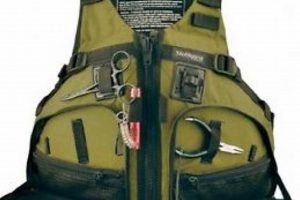
Kayak fishing apparel should be designed to accommodate a PFD comfortably and securely. Bulkiness or restrictive features can interfere with PFD fit and function, compromising its effectiveness in an emergency. Apparel designed for PFD compatibility ensures that the life-saving device functions as intended, maximizing its potential to protect the angler in the event of capsizing or accidental immersion. This compatibility is paramount for ensuring optimal safety and should be a primary consideration in apparel selection.
- Whistle Attachments and Pockets for Safety Gear
Integrating features like whistle attachments and dedicated pockets for safety gear promotes accessibility to essential safety tools. A readily accessible whistle enables anglers to signal for help in emergencies. Designated pockets for items like signal flares, knives, or communication devices ensure these tools are readily available when needed. This preparedness can be crucial in situations requiring immediate action, significantly increasing the likelihood of a positive outcome. The easy accessibility of these tools contributes directly to enhanced safety and preparedness on the water.
- UV Protection (UPF Rating)
While primarily a health concern, UV protection also contributes to safety by preventing sunburn and heat exhaustion, which can impair judgment and reaction time on the water. UPF-rated clothing blocks harmful ultraviolet radiation, reducing the risk of sunburn and other sun-related ailments. This protection is particularly crucial during prolonged exposure to direct sunlight, which is common in kayak fishing. By mitigating these risks, UPF-rated clothing contributes to maintaining optimal physical condition and mental acuity, factors essential for safe and effective decision-making on the water.
Integrating these safety features into kayak fishing apparel significantly enhances angler safety. By prioritizing visibility, PFD compatibility, accessibility of safety gear, and protection from harmful UV radiation, anglers can significantly mitigate risks and improve their preparedness for potential emergencies. The strategic incorporation of these features demonstrates a proactive approach to safety, enabling anglers to enjoy the sport with greater confidence and peace of mind.
Frequently Asked Questions
This section addresses common inquiries regarding apparel selection for kayak fishing. Understanding these aspects contributes to informed decisions and enhanced on-the-water experiences.
Question 1: What are the essential clothing items for kayak fishing?
Essential items include a moisture-wicking base layer, a quick-drying mid-layer for insulation, a water-resistant outer shell, a wide-brimmed hat, polarized sunglasses, and appropriate footwear. These items provide fundamental protection and comfort.
Question 2: Is specialized kayak fishing apparel necessary, or can standard outdoor clothing suffice?
While standard outdoor clothing can be adapted, purpose-designed apparel offers features tailored to the specific needs of kayak fishing, such as enhanced mobility, water resistance, and safety features like high visibility and PFD compatibility. These specialized features contribute significantly to comfort, performance, and safety.
Question 3: How does one choose the right PFD for kayak fishing?
PFD selection depends on individual factors like chest size, intended use, and desired features. Type III PFDs are commonly recommended for kayak fishing, offering sufficient flotation and freedom of movement. Proper fit and comfort are paramount for ensuring the PFD’s effectiveness.
Question 4: What are the benefits of moisture-wicking fabrics?
Moisture-wicking fabrics draw perspiration away from the skin, promoting evaporation and regulating body temperature. This prevents discomfort from damp clothing and reduces the risk of chilling, particularly in cooler conditions or after immersion.
Question 5: How does one dress for varying weather conditions while kayak fishing?
Layering is key for adapting to changing weather. Start with a moisture-wicking base layer, add insulating mid-layers as needed, and top with a water-resistant outer shell. This adaptable system allows for adjustments based on temperature and precipitation.
Question 6: What safety precautions should be considered regarding clothing choices?
Prioritize high-visibility colors and reflective elements for enhanced visibility. Ensure chosen apparel allows for comfortable and secure PFD wear. Select footwear with adequate grip for navigating wet surfaces. These precautions contribute significantly to on-the-water safety.
Prioritizing comfort, safety, and functionality in apparel selection contributes significantly to a positive and productive kayak fishing experience. Investing in appropriate attire enhances performance and ensures preparedness for the unique demands of this activity.
The following section will offer concluding remarks and summarize the key takeaways regarding appropriate attire for kayak fishing.
Kayak Fishing Clothes
Appropriate kayak fishing apparel is integral for a safe, comfortable, and productive experience. This discussion explored essential aspects of specialized attire, emphasizing the significance of material choices, design features, and layering strategies. Prioritizing sun protection, water resistance, breathability, mobility, and appropriate layering systems are crucial for adapting to fluctuating on-the-water conditions. Furthermore, integrating safety features like high-visibility colors and PFD compatibility enhances overall safety and preparedness for potential emergencies. The selection of specialized footwear with enhanced grip and protection is equally vital for maintaining stability and preventing accidents. These interconnected elements contribute significantly to an angler’s well-being and performance on the water.
Strategic apparel choices empower anglers to focus on the enjoyment and challenges of kayak fishing, unhindered by discomfort or safety concerns. Investing in purpose-designed attire reflects a commitment to safety, performance, and overall enjoyment of the sport. This preparedness allows anglers to fully engage with the experience, fostering a deeper appreciation for the environment and the pursuit of their passion.