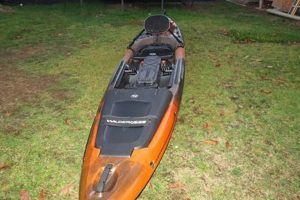
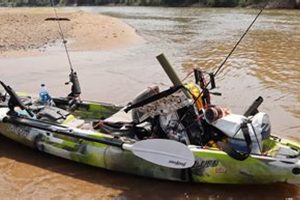
Kentucky, renowned for its diverse waterways, offers abundant opportunities for anglers seeking a unique fishing experience. Combining the tranquility of kayaking with the thrill of angling, exploring the state’s rivers, lakes, and streams provides access to a variety of fish species and breathtaking natural scenery. From the calm waters of its numerous lakes to the flowing currents of the Kentucky and Cumberland rivers, the state offers an array of settings for this popular outdoor activity. Factors like water clarity, fish populations, and accessibility influence the suitability of specific locations.
This activity offers a low-impact way to access otherwise difficult-to-reach fishing spots, allowing anglers to immerse themselves in nature while enjoying a physical workout. The sport’s rising popularity stems from its affordability and the ability to customize the experience. Whether targeting largemouth bass in a secluded cove or pursuing catfish in a winding river, anglers can tailor their trips to specific preferences and skill levels. Historically, small watercraft have played a crucial role in fishing traditions. The modern evolution into specialized kayak fishing incorporates technological advancements like fish finders and GPS, enhancing both the sport’s accessibility and its effectiveness.
The following sections will delve into specific locations across the Commonwealth suitable for kayak fishing, outlining the prevalent species, accessibility, and any specific regulations or considerations. Recommendations for equipment, licensing information, and safety guidelines will also be provided.
Tips for Kayak Fishing in Kentucky
Successful kayak fishing trips require careful planning and preparation. The following tips offer guidance for maximizing enjoyment and ensuring a safe and productive experience on Kentucky waters.
Tip 1: Research Regulations and Obtain Necessary Licenses. Kentucky fishing regulations vary by location and species. Consulting the Kentucky Department of Fish and Wildlife Resources website for current licensing requirements and specific regulations before embarking on any fishing trip is essential.
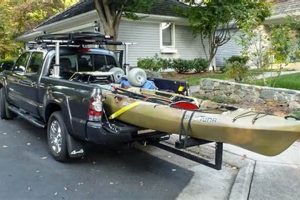
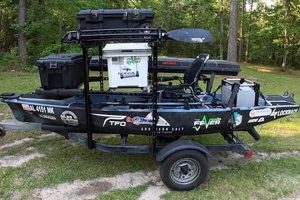
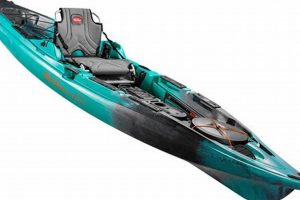
Tip 2: Choose the Right Kayak. Kayak selection depends on the intended fishing location and personal preferences. Sit-on-top kayaks offer stability and ease of access, while sit-inside kayaks provide better protection from the elements. Pedal-driven kayaks allow hands-free fishing, though may be restricted in shallow areas.
Tip 3: Prioritize Safety Equipment. A personal flotation device (PFD) is mandatory and should be worn at all times. Carrying a whistle, first-aid kit, and communication device is highly recommended. Informing someone of the planned fishing location and estimated return time is a crucial safety precaution.
Tip 4: Plan for Weather Conditions. Checking the weather forecast before heading out is crucial. Sudden changes in weather can create hazardous conditions on the water. Dressing in layers and packing appropriate rain gear can improve comfort and safety.
Tip 5: Pack Essential Gear. A well-organized tackle box with appropriate lures and bait for targeted species is essential. Including tools like pliers, line cutters, and a knife can prove invaluable. Storing gear in waterproof bags or containers protects against unexpected splashes or submersion.
Tip 6: Practice Kayak Control. Familiarizing oneself with basic paddling techniques and maneuvering the kayak before venturing into fishing areas ensures better boat control and angler safety. Practicing in calm waters allows development of essential skills.
Tip 7: Respect the Environment. Practicing Leave No Trace principles ensures the preservation of Kentucky’s natural beauty. Properly disposing of fishing line and other waste keeps waterways clean and protects wildlife.
By following these tips, anglers can enhance their kayak fishing experience while prioritizing safety and environmental responsibility. Preparation contributes significantly to a successful and enjoyable outing.
The following section provides a conclusion with a call to action, encouraging exploration of Kentucky’s diverse fishing opportunities.
1. Lake Fishing
Kentucky’s numerous lakes offer diverse environments well-suited for kayak angling. Still-water fishing presents unique opportunities and challenges compared to river fishing. Understanding the specific characteristics of lake environments enhances angler success and overall experience.
- Species Diversity and Habitat
Kentucky lakes support a variety of fish species, including largemouth bass, crappie, bluegill, and catfish. These species inhabit specific areas within the lake ecosystem, such as weed beds, submerged structures, and drop-offs. Kayak anglers can leverage knowledge of fish habitat to target specific species effectively. For example, targeting largemouth bass may involve focusing on areas with submerged logs or lily pads.
- Kayak Maneuverability and Access
Kayaks provide excellent maneuverability in lake environments, allowing anglers to access shallow coves, navigate around obstacles, and explore various depths. This advantage allows for thorough coverage of potential fishing spots inaccessible to larger boats. Launching a kayak from shore or utilizing boat ramps offers numerous access points.
- Techniques and Tackle
Effective lake fishing from a kayak often involves techniques like casting, trolling, and jigging. Specific tackle choices, such as lures, line weight, and hooks, depend on the target species. For instance, fishing for crappie might involve using small jigs and light line, while targeting bass may require larger lures and heavier tackle.
- Environmental Considerations
Wind, water temperature, and clarity influence fish behavior and dictate appropriate angling strategies. Kayak anglers must be aware of changing weather conditions and adjust their approach accordingly. Increased winds may necessitate seeking sheltered areas, while fluctuating water temperatures affect fish activity levels.
Considering these facets allows anglers to tailor their approach to specific lake environments and target species effectively. Kentucky’s diverse lakes provide ample opportunities for kayak fishing, offering unique experiences within the broader context of the state’s rich angling landscape.
2. River Fishing
River fishing in Kentucky offers a dynamic experience distinct from lake fishing. The flowing waters present unique opportunities and challenges, requiring specific skills and considerations. Navigating currents, understanding river dynamics, and selecting appropriate tackle are crucial aspects of successful river fishing from a kayak.
- Current and Flow Dynamics
River currents significantly influence fish behavior and angling techniques. Reading the water to identify seams, eddies, and backwaters, where fish often congregate, is essential. Kayak anglers must adapt their paddling and anchoring strategies to maintain position and effectively present their bait or lures in the current. For example, using a drift sock or anchor can help control kayak movement in faster currents.
- Species Adaptation and Distribution
Kentucky rivers host species adapted to flowing water, including smallmouth bass, catfish, muskie, and various panfish. These species occupy different niches within the river ecosystem. Understanding their preferred habitats, feeding patterns, and responses to current allows anglers to target specific locations effectively. For instance, smallmouth bass often hold near rocky structures or submerged logs in areas with moderate current.
- Kayak Control and Navigation
Maneuvering a kayak in river currents requires proficiency in paddling techniques and river navigation. Ferrying across currents, paddling upstream, and maintaining stability in moving water are essential skills. Proper boat control ensures efficient presentation of bait and safe navigation through various river features. Practicing these skills in calm water before venturing into stronger currents is highly recommended.
- Access Points and Safety Precautions
Accessing Kentucky rivers for kayak fishing often involves utilizing designated boat ramps or public access points. Understanding river access regulations and potential hazards, such as strainers or low-head dams, is critical for safe navigation. Wearing a PFD, carrying appropriate safety gear, and informing someone of the planned fishing route enhance safety. Researching river conditions and potential obstacles before embarking on a trip contributes to a safe and successful experience.
These facets highlight the distinct characteristics of river fishing within the broader context of kayak fishing opportunities in Kentucky. The flowing waters provide a unique angling experience, demanding specific skills and considerations to maximize success and enjoyment while prioritizing safety.
3. Species Accessibility

The accessibility of specific fish species significantly influences the selection of kayak fishing locations in Kentucky. Different species inhabit various aquatic environments, and understanding their distribution patterns is crucial for anglers seeking targeted catches. Factors such as water temperature, depth, clarity, and the presence of suitable habitat dictate species presence and abundance.
- Habitat Preferences
Fish species exhibit specific habitat preferences, influencing their distribution within Kentucky’s waterways. Largemouth bass, for example, thrive in vegetated areas of lakes and slower-moving sections of rivers, while smallmouth bass prefer rocky substrates and clearer, faster-flowing water. Understanding these preferences allows anglers to select locations with higher probabilities of encountering target species. Targeting muskellunge, a large predatory fish, may involve focusing on deep, cool lakes or specific river stretches known for their presence.
- Seasonal Influences
Seasonal changes significantly impact fish behavior and location. Water temperature fluctuations and spawning cycles influence species distribution and feeding patterns. During warmer months, certain species may seek deeper, cooler water, while spawning activity often concentrates fish in specific areas. Anglers should consider seasonal factors when selecting locations and adjusting fishing techniques. For instance, spring crappie fishing often focuses on shallow, brushy areas where they congregate to spawn.
- Water Body Characteristics
The physical and chemical properties of a water body significantly affect the types of fish present. Lakes, rivers, and streams offer distinct environments, supporting different species assemblages. Lakes often hold a variety of warm-water species, while rivers may harbor both warm-water and cold-water fish depending on factors like gradient and flow rate. Water clarity also influences fish behavior and angler strategy. The clear waters of the Cumberland River, for example, may require different techniques than the more turbid waters of the Ohio River.
- Regulations and Management Practices
Fishing regulations and management practices implemented by the Kentucky Department of Fish and Wildlife Resources impact species accessibility. Size limits, creel limits, and seasonal closures aim to maintain healthy fish populations and sustainable angling opportunities. Understanding these regulations is essential for responsible fishing and selecting appropriate locations. Certain areas may have specific regulations to protect threatened or endangered species, influencing angler choices.
Considering these factors allows anglers to connect their target species to suitable locations within Kentucky’s diverse waters. Analyzing species accessibility enhances the likelihood of successful kayak fishing trips by focusing efforts on areas with higher probabilities of encountering desired fish populations.
4. Water Access Points
Accessing Kentucky’s waterways for kayak fishing requires careful consideration of available launch sites. Water access points significantly influence the feasibility and overall experience of kayak fishing trips. The availability, accessibility, and characteristics of these points dictate which areas are suitable for launching and retrieving kayaks, shaping angler choices and impacting overall trip planning.
- Types of Access Points
Kentucky offers various types of water access points, including public boat ramps, designated kayak launches, fishing piers, and accessible shorelines. Boat ramps provide convenient access for launching larger kayaks and those equipped with trailers, while designated kayak launches cater specifically to smaller vessels. Fishing piers, while not always suitable for launching, offer opportunities for shoreline fishing from kayaks. Accessible shorelines, though less formalized, can provide entry points for experienced kayakers in specific locations. The type of access point influences the practicality of launching different kayak types and affects the overall ease of entry and exit from the water.
- Location and Distribution
The distribution of water access points throughout Kentucky varies considerably, influencing which areas are readily accessible for kayak fishing. Some areas boast numerous access points within close proximity, while others require more extensive travel or portaging. Considering the distance between access points and desired fishing locations is crucial during trip planning. The concentration of access points around popular lakes, such as Lake Cumberland and Kentucky Lake, reflects high angler demand and provides convenient entry for various skill levels. Conversely, accessing remote streams may require more exploration and reliance on less developed access areas.
- Accessibility and Facilities
The accessibility of water access points varies depending on factors such as terrain, parking availability, and the presence of amenities. Some access points offer paved ramps, ample parking, and restrooms, while others may involve unimproved dirt roads, limited parking, and no facilities. Anglers should assess their needs and limitations when selecting access points, considering factors such as physical ability and the presence of required amenities. The presence of well-maintained facilities at popular access points enhances angler comfort and convenience, while more remote locations may require additional preparation and self-sufficiency.
- Regulations and Considerations
Regulations governing water access points may vary depending on location and managing authority. Some access points may require permits or fees, while others are freely accessible to the public. Understanding specific regulations and any potential restrictions is essential before planning a kayak fishing trip. Respecting private property and adhering to posted signage ensures legal access and maintains positive relationships with landowners and local communities. Awareness of potential hazards, such as submerged debris or fluctuating water levels, contributes to safe launching and retrieval practices.
Careful consideration of water access points is essential for successful kayak fishing trips in Kentucky. The type, location, accessibility, and associated regulations directly impact the overall fishing experience, from initial launch to final retrieval. Selecting appropriate access points based on individual needs and trip objectives enhances safety, convenience, and overall enjoyment on the water.
5. Regulations and Licenses
Regulations and licensing requirements are integral components of responsible kayak fishing in Kentucky. These frameworks, established and enforced by the Kentucky Department of Fish and Wildlife Resources (KDFWR), aim to preserve healthy fish populations, protect aquatic ecosystems, and ensure equitable access to the state’s diverse fishing opportunities. Understanding and adhering to these regulations is crucial for all anglers, contributing to the long-term sustainability of Kentucky’s fisheries and the continued enjoyment of kayak fishing.
Kentucky fishing licenses are required for all anglers over the age of 16, with specific exemptions for residents born before January 1, 1940. Different license types exist, including annual, short-term, and combination licenses catering to various angling durations and preferences. Regulations dictate size and creel limits for specific species, ensuring sustainable harvest practices. Seasonal closures protect vulnerable fish populations during spawning periods or periods of environmental stress. Specific regulations may apply to particular water bodies, addressing unique ecological concerns or management objectives. For example, certain sections of the Cumberland River may have stricter regulations regarding muskellunge fishing to protect their breeding population. Ignoring these regulations can lead to fines and potential suspension of fishing privileges, underscoring the importance of compliance.
The KDFWR website serves as the primary resource for obtaining licensing information, understanding current regulations, and accessing educational materials related to responsible fishing practices. Consulting this resource before embarking on any kayak fishing trip ensures compliance and contributes to the overall stewardship of Kentucky’s aquatic resources. Understanding regulations ensures legal compliance, promotes ethical angling practices, and contributes to the preservation of healthy fish populations and aquatic ecosystems, directly impacting the sustainability of kayak fishing in Kentucky. By respecting these regulations, anglers contribute to the long-term health of Kentucky’s waterways and ensure the continued enjoyment of kayak fishing for future generations.
6. Safety Considerations
Safety considerations are paramount when kayak fishing in Kentucky. The diverse water bodies, ranging from tranquil lakes to swift-flowing rivers, present inherent risks that anglers must acknowledge and mitigate. Understanding potential hazards and implementing appropriate safety measures ensures enjoyable and incident-free fishing trips. Neglecting safety precautions can lead to serious consequences, impacting not only personal well-being but also potentially straining search and rescue resources.
- Personal Flotation Devices (PFDs)
Wearing a properly fitted PFD is non-negotiable for kayak anglers. PFDs provide essential buoyancy in the event of capsizing or unexpected immersion, significantly increasing survival chances. Kentucky law mandates PFD usage for all occupants of small vessels, including kayaks. Choosing a comfortable and appropriately sized PFD ensures unrestricted movement while paddling and fishing. Regularly inspecting PFDs for damage or wear and tear maintains their effectiveness in emergency situations. Even in calm waters, unexpected incidents can occur, reinforcing the critical role of PFDs in preventing drowning accidents.
- Weather Awareness and Monitoring
Kentucky weather can change rapidly, impacting water conditions and creating hazardous situations for kayak anglers. Checking weather forecasts before embarking on a fishing trip is essential. Monitoring radar for approaching storms or sudden wind shifts allows anglers to seek shelter or return to shore promptly. Sudden gusts can capsize kayaks, while lightning strikes pose a significant threat on open water. Being prepared for changing weather conditions, including packing appropriate rain gear and dressing in layers, enhances safety and comfort on the water.
- Navigation and Communication
Carrying essential navigation and communication tools is crucial for kayak anglers. A map, compass, or GPS device assists in maintaining orientation, especially in unfamiliar waters or during periods of reduced visibility. A fully charged cell phone or VHF radio allows communication with emergency services or shore contacts in case of distress. Informing someone of the planned fishing location and estimated return time provides an additional safety net. These precautions are particularly crucial when fishing in remote areas or on larger bodies of water.
- River Hazards and Awareness
River fishing presents unique hazards that require specific safety considerations. Strainers, formed by submerged debris or natural obstructions, can trap kayaks and pose a serious risk of entrapment. Low-head dams create recirculating currents that can capsize kayaks and trap individuals underwater. Understanding river dynamics, scouting potential hazards before entering the water, and portaging around dangerous obstacles are crucial safety practices. Wearing appropriate footwear and protective gear minimizes the risk of injury from sharp rocks or submerged objects. Respecting the power of moving water and recognizing potential dangers ensures a safer and more enjoyable river fishing experience.
Integrating these safety considerations into trip planning and execution enhances the enjoyment and safety of kayak fishing in Kentucky. Prioritizing safety not only protects individual anglers but also contributes to responsible use of the state’s waterways. By acknowledging potential risks and implementing appropriate precautions, kayak anglers can confidently explore Kentucky’s diverse aquatic environments while minimizing the likelihood of accidents or emergencies. A proactive approach to safety ensures a more enjoyable and sustainable experience for all.
7. Local Resources
Local resources play a crucial role in enhancing the kayak fishing experience in Kentucky. Utilizing these resources provides anglers with valuable insights, specialized equipment, and crucial support, maximizing their chances of success and fostering a deeper understanding of the local environment. Bait and tackle shops, local guides, and online forums offer specialized knowledge and practical assistance tailored to specific waterways and target species. For example, a local bait shop near the Green River can provide up-to-date information on river conditions, effective bait choices for catfish, and specific regulations unique to that area. Engaging with local guides offers access to their expertise on prime fishing locations, effective techniques, and nuanced understanding of fish behavior within a particular river system. Online forums dedicated to Kentucky kayak fishing provide platforms for exchanging information, sharing experiences, and seeking advice from a community of fellow anglers.
The practical significance of utilizing local resources extends beyond simply increasing catch rates. Local bait shops often carry specialized tackle and equipment tailored to the specific conditions and target species of the region. They offer a valuable opportunity to engage with experienced anglers and gain insights into successful local strategies. Local guides provide a personalized and immersive experience, sharing their knowledge of the waterway, its inhabitants, and effective fishing techniques. Furthermore, engaging with local resources fosters a sense of community and shared stewardship for Kentucky’s aquatic ecosystems. Participating in local fishing clubs or conservation organizations connects anglers with like-minded individuals dedicated to preserving these valuable resources. For example, joining the Kentucky BASS Nation provides opportunities to participate in tournaments, conservation initiatives, and connect with a network of bass anglers across the state.
Leveraging local resources offers a multifaceted approach to enhancing kayak fishing experiences in Kentucky. From practical advice on tackle and techniques to fostering a deeper understanding of local ecosystems, these resources provide invaluable support for anglers of all skill levels. Utilizing these resources not only increases the likelihood of angling success but also cultivates a stronger connection to Kentucky’s rich angling heritage and promotes responsible stewardship of its aquatic environments. Challenges such as identifying reputable guides or navigating online forums require careful consideration. However, the benefits of utilizing local resources significantly outweigh these challenges, contributing to more informed, successful, and sustainable kayak fishing practices.
Frequently Asked Questions
This section addresses common inquiries regarding kayak fishing in Kentucky, providing concise and informative responses to assist anglers in planning successful and enjoyable trips.
Question 1: What are the licensing requirements for kayak fishing in Kentucky?
A valid Kentucky fishing license is required for individuals aged 16 and older, with specific exemptions for residents born before January 1, 1940. Various license types are available, including annual, short-term, and combination licenses, catering to different angling durations and preferences. Consult the Kentucky Department of Fish and Wildlife Resources (KDFWR) website for detailed information on licensing requirements and purchasing options.
Question 2: Where can suitable kayak launch points be found?
Kentucky offers a variety of kayak launch points, including public boat ramps, designated kayak launches, fishing piers, and accessible shorelines. The KDFWR website and local resources, such as bait and tackle shops, can provide information on suitable launch locations based on specific fishing destinations and kayak types.
Question 3: What safety precautions are essential for kayak fishing?
Wearing a properly fitted personal flotation device (PFD) is mandatory. Checking weather forecasts before embarking on trips, carrying communication devices, and informing someone of planned fishing locations and return times are crucial safety measures. River fishing requires additional precautions, such as awareness of strainers and low-head dams.
Question 4: What fish species are commonly targeted by kayak anglers in Kentucky?
Kentucky waters offer diverse fishing opportunities. Popular target species include largemouth bass, smallmouth bass, crappie, bluegill, catfish, and muskellunge. Specific species distribution varies depending on the water body and habitat characteristics.
Question 5: What fishing regulations should kayak anglers be aware of?
Regulations dictate size and creel limits for specific species, ensuring sustainable harvest. Seasonal closures protect vulnerable fish populations during spawning or periods of environmental stress. Specific regulations may apply to particular water bodies. Consulting the KDFWR website ensures compliance with current regulations.
Question 6: What resources are available for planning kayak fishing trips in Kentucky?
The KDFWR website, local bait and tackle shops, fishing guides, and online forums provide valuable information on fishing locations, regulations, techniques, and species-specific advice. These resources can significantly enhance trip planning and overall fishing success.
Understanding these frequently asked questions equips anglers with essential information for planning successful and enjoyable kayak fishing trips in Kentucky. Prioritizing safety, adhering to regulations, and utilizing available resources contribute to a rewarding experience on the water.
The subsequent sections will delve into specific recommended locations and provide further details on enhancing kayak fishing experiences in Kentucky.
Conclusion
Kentucky offers diverse opportunities for kayak fishing, from the expansive lakes to the intricate river systems. Careful consideration of factors such as species accessibility, water access points, regulations, and safety precautions contributes significantly to successful angling experiences. Utilizing local resources, including bait and tackle shops and experienced guides, enhances knowledge of specific locations and effective techniques. Understanding river dynamics and lake characteristics allows anglers to target specific species and adapt to varying conditions. Preparation and adherence to established regulations ensure both enjoyable and sustainable fishing practices.
Exploration of Kentucky’s waterways by kayak offers a unique connection with nature and the thrill of angling. Responsible engagement with these resources ensures their preservation for future generations. Continued exploration and responsible stewardship of Kentucky’s aquatic ecosystems will ensure the enduring appeal of kayak fishing within the Commonwealth.