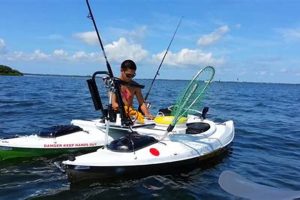
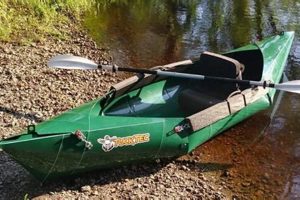
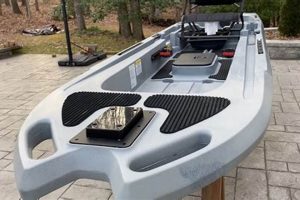
A kayak designed for two people to fish from typically features two seats, often adjustable, and ample storage for fishing gear. These vessels are built with stability and capacity in mind, accommodating the combined weight of two anglers, their equipment, and potential catches. Specialized features like rod holders, livewells, and mounting points for fish finders are common. For example, a tandem fishing kayak might include recessed tackle storage within easy reach of both occupants.
The ability to share the fishing experience enhances camaraderie and safety. Sharing a vessel allows for collaboration in navigating, locating fishing spots, and landing larger fish. Furthermore, dividing the cost and transportation logistics of a larger watercraft can make angling more accessible. While kayaks have a long history in various cultures, their adaptation to sport fishing, particularly in a two-person configuration, is a more recent development driven by the growing popularity of kayak fishing.
The subsequent sections will explore various aspects of two-person fishing kayaks, including different hull designs, popular materials, and essential features to consider when selecting a suitable craft. Further topics will cover safety guidelines, recommended fishing techniques, and popular destinations for this growing segment of recreational fishing.
Tips for Tandem Kayak Fishing
Proper preparation and technique are crucial for a successful and enjoyable tandem kayaking fishing trip. The following tips offer guidance for maximizing the advantages of this style of fishing.
Tip 1: Coordinate Paddling: Synchronous paddling is essential for efficient movement and maintaining a desired course. Practice paddling together on calm water before venturing into more challenging conditions. Consider using verbal or non-verbal cues to synchronize strokes.
Tip 2: Distribute Weight Evenly: Proper weight distribution is critical for stability. Gear should be balanced between the two paddlers and positioned low in the kayak. Shifting weight strategically can also assist with turning and maneuvering.
Tip 3: Establish Fishing Roles: Designating roles, such as one angler focusing on casting while the other manages the drift or anchors, can optimize fishing time and minimize interference. Clear communication is essential for successful collaboration.
Tip 4: Choose Appropriate Anchoring Techniques: Using a stake-out pole or a drift sock can help maintain position in currents or wind. Consider the bottom conditions and water depth when selecting an anchoring method.
Tip 5: Prioritize Safety Equipment: Carrying essential safety gear, including personal flotation devices (PFDs), a whistle, and a first-aid kit, is paramount. A communication device, such as a VHF radio or a waterproof cell phone, is also recommended.
Tip 6: Respect Fishing Regulations: Adhering to local fishing regulations, including licensing requirements and catch limits, is essential for conservation and responsible angling.
Tip 7: Practice Catch and Release Techniques: Handling fish with care and utilizing proper catch-and-release techniques contribute to the long-term health of fish populations and the sustainability of the sport.
By adhering to these guidelines, anglers can significantly enhance their tandem kayaking fishing experience, ensuring both safety and enjoyment while maximizing their chances of success on the water.
This information provides a foundation for making informed decisions about tandem kayak fishing. The concluding section will summarize the key advantages and offer further resources for exploration.

Shared paddling forms the foundational principle of a dual fishing kayak, distinguishing it from solo kayak fishing. This coordinated effort directly impacts efficiency of movement, maneuverability, and the overall fishing experience. Understanding the nuances of shared paddling is crucial for maximizing the advantages of a two-person fishing kayak.
- Synchronized Strokes:
Maintaining synchronized paddle strokes is the cornerstone of efficient forward movement and directional control. Asynchronous paddling results in wasted energy and a meandering course. Practicing consistent, timed strokes significantly improves tracking and speed, enabling anglers to reach desired fishing spots more quickly and conserve energy for fishing. This synchronization is particularly critical in challenging conditions such as currents or wind.
- Steering and Maneuvering:
Shared paddling plays a key role in executing turns and maneuvers. Communicating turning intentions and coordinating paddle strokes on either side of the kayak allows for precise adjustments to the vessel’s direction. This coordinated effort is essential for navigating tight spaces, avoiding obstacles, and positioning the kayak optimally for fishing.
- Effort Distribution and Endurance:
Sharing the paddling workload reduces fatigue and extends the potential range of fishing trips. Alternating paddling roles or maintaining a consistent shared rhythm allows each angler to conserve energy, particularly during long expeditions or in demanding conditions. This increased endurance translates to more time spent fishing and less time focused on physical exertion.
- Non-Verbal Communication and Teamwork:
Effective shared paddling necessitates non-verbal communication and teamwork. Developing a sense of rhythm and responsiveness to each other’s paddling contributes to a smoother, more coordinated experience. This intuitive understanding enhances efficiency and contributes to a more enjoyable and collaborative fishing trip.
These facets of shared paddling demonstrate its integral role in maximizing the potential of a dual fishing kayak. From efficient navigation to enhanced endurance, the ability to paddle effectively as a team directly translates to a more productive and enjoyable fishing experience. Understanding and practicing these principles are key to unlocking the full benefits of two-person kayak fishing.
2. Increased Stability

Increased stability represents a significant advantage of dual fishing kayaks compared to their single-person counterparts. The wider beam and greater displacement inherent in a two-person design contribute to enhanced stability, which translates to several practical benefits for anglers. This stability is particularly crucial during activities that shift the center of gravity, such as casting, reeling, and landing fish. For example, the broader base of a dual kayak reduces the likelihood of capsizing when battling a strong fish, a scenario where a single kayak might be more precarious. The increased stability also provides a more comfortable and secure platform for anglers who may be less experienced or confident on the water.
The enhanced stability offered by dual kayaks opens up opportunities for more active fishing techniques. Anglers can confidently stand and cast, facilitating sight fishing and allowing for longer casts. This added stability also provides a secure platform for using specialized equipment, such as fish finders or downriggers, which might be challenging to manage in a less stable craft. Consider a scenario where two anglers are fishing in choppy conditions; the inherent stability of a dual kayak provides a safer and more effective fishing platform compared to individual single kayaks. This stability translates directly to increased fishing time and reduced risk.
In summary, the increased stability of dual fishing kayaks is a fundamental feature that contributes significantly to safety, comfort, and fishing effectiveness. This characteristic expands angling possibilities, allowing for more dynamic techniques and enhanced confidence on the water. Understanding the factors that contribute to this stability, such as hull design and weight distribution, allows anglers to make informed choices and maximize their on-the-water experience. While stability is crucial, it’s essential to consider factors like maneuverability and storage capacity when selecting a dual kayak to ensure it aligns with specific fishing needs and preferences.
3. Enhanced Fishing Space
Enhanced fishing space is a defining characteristic of dual fishing kayaks, directly influencing angling efficiency and overall enjoyment. Compared to single kayaks, the increased deck area and storage capacity of two-person models provide significant advantages for anglers, impacting tackle organization, fishing techniques, and comfort during extended trips. Understanding how this expanded space contributes to a more productive and enjoyable fishing experience is crucial for appreciating the benefits of a dual kayak configuration.
- Increased Deck Area:
The larger deck area of a dual fishing kayak facilitates movement and reduces the likelihood of entanglement with lines or gear. This added space allows anglers to shift positions, adjust fishing techniques, and land fish more effectively. For instance, one angler might be casting while the other prepares tackle or nets a fish, maneuvers that require ample space to execute efficiently. This increased freedom of movement contributes significantly to a smoother and more productive fishing experience.
- Ample Storage Capacity:
Dual fishing kayaks typically offer significantly more storage capacity than single kayaks. This increased storage accommodates larger tackle boxes, multiple rods, and other essential gear such as coolers and safety equipment. Dedicated storage compartments maintain organization, ensuring quick and easy access to necessary items while minimizing clutter on the deck. This organized storage contributes to efficiency and reduces the risk of losing or damaging valuable equipment.
- Facilitated Collaborative Fishing:
The increased space on a dual kayak facilitates collaborative fishing techniques. Two anglers can comfortably fish side-by-side, employing different techniques or targeting different species simultaneously. This cooperative approach increases the likelihood of success and enhances the overall fishing experience. For example, one angler could troll while the other casts to cover more water and explore diverse fishing strategies.
- Enhanced Comfort on Extended Trips:
Enhanced fishing space translates to increased comfort, particularly on extended fishing trips. The extra room allows for stretching, changing positions, and generally reducing the cramped feeling that can arise during long hours on the water. This added comfort contributes to a more enjoyable and less fatiguing experience, allowing anglers to focus on fishing rather than physical discomfort. The ability to bring extra provisions and gear contributes to longer and more self-sufficient excursions.
In conclusion, enhanced fishing space in dual kayaks directly influences fishing effectiveness and comfort. The increased deck area, ample storage, and facilitation of collaborative fishing contribute to a more productive and enjoyable experience, particularly on extended trips. These advantages underscore the value of a dual kayak for anglers seeking to maximize their time on the water and optimize their fishing potential. However, the trade-off for this added space is often reduced maneuverability and increased weight compared to single kayaks, factors to consider when selecting the most suitable watercraft for specific fishing environments and preferences.
4. Collaborative Angling
Collaborative angling represents a core advantage of dual fishing kayaks, distinguishing the experience from solo fishing. The inherent design of these kayaks facilitates teamwork and communication, leading to increased efficiency, enhanced safety, and a more social fishing experience. This collaborative aspect extends beyond simply sharing a vessel; it encompasses strategic coordination of fishing techniques, shared responsibility, and mutual support on the water. The following facets explore the components and implications of collaborative angling within the context of dual kayak fishing.
- Combined Expertise and Strategy:
Dual kayaks provide a platform for anglers with varying skill sets and fishing styles to complement each other’s strengths. One angler might excel at casting lures, while the other specializes in trolling or bottom fishing. Combining these diverse approaches increases the likelihood of success by covering a wider range of fishing techniques and targeting different species. This strategic collaboration can be particularly effective in unfamiliar waters or when experimenting with new methods. For example, one angler could focus on locating fish using sonar while the other prepares the appropriate tackle and technique, optimizing efficiency and responsiveness.
- Shared Responsibility and Safety:
Collaboration extends to safety procedures and navigation. Sharing responsibilities for tasks like checking weather conditions, maintaining communication equipment, and navigating unfamiliar waters enhances overall safety. In case of an emergency, having a partner readily available provides immediate assistance and increases the likelihood of a positive outcome. For instance, if one angler experiences difficulty with equipment or encounters an unexpected hazard, the other can immediately provide support, reducing risk and ensuring a safer environment.
- Enhanced Fish Handling and Landing:
Landing larger fish or managing multiple catches simultaneously is significantly easier with two anglers working in coordination. One angler can focus on reeling in the fish while the other prepares the net, measures, and releases or stores the catch. This teamwork streamlines the process, minimizes stress on the fish, and ensures a safer and more efficient handling procedure. This coordinated effort is particularly valuable when targeting larger game fish or during periods of high activity.
- Increased Camaraderie and Shared Experience:
Beyond the practical benefits, dual kayak fishing fosters camaraderie and a shared experience. Sharing successes, navigating challenges, and simply enjoying the on-the-water environment together strengthens bonds and creates lasting memories. This social aspect of fishing can be just as rewarding as the catch itself, enriching the overall experience and fostering a deeper appreciation for the sport.
The collaborative nature of dual kayak fishing significantly enhances the overall angling experience. From strategic advantages to increased safety and shared enjoyment, the combined efforts of two anglers create a dynamic that extends beyond simply sharing a vessel. This collaboration underscores the unique appeal of dual kayaks, offering a distinctive and rewarding approach to the sport of fishing. While single kayaks offer advantages in terms of maneuverability and individualized control, the collaborative potential of a dual kayak represents a compelling option for anglers seeking a more social, efficient, and potentially more successful fishing experience. Understanding the dynamics of collaborative angling within the context of a dual kayak allows anglers to fully leverage the benefits of this teamwork-oriented approach.
5. Gear Storage Capacity
Gear storage capacity is a critical factor in the design and functionality of dual fishing kayaks. The ability to transport a substantial amount of equipment directly influences fishing effectiveness, trip duration, and overall angler comfort. Unlike single kayaks, dual kayaks often incorporate dedicated storage compartments, including hatches, tank wells, and integrated storage areas, to accommodate the increased gear demands of two anglers. This increased capacity facilitates longer expeditions, diverse fishing techniques, and preparedness for varied conditions. For example, sufficient storage allows for carrying multiple rods rigged for different target species, a variety of lures and tackle, safety equipment, food and water, and even specialized gear like fish finders or cameras. The absence of adequate storage would significantly restrict fishing versatility and the potential for extended trips.
The strategic placement and accessibility of storage compartments contribute significantly to efficient fishing practices. Well-designed storage facilitates quick retrieval of essential items without disrupting fishing flow or compromising stability. Easy access to tackle boxes, lures, and other frequently used equipment minimizes wasted time and maximizes fishing opportunities. For instance, readily accessible rod holders allow for quick transitions between techniques, while strategically placed tackle storage enables efficient lure changes without needing to rummage through large compartments. This optimized organization contributes to a more seamless and productive fishing experience. Conversely, inadequate or poorly designed storage can lead to frustration, wasted time, and potentially hazardous situations on the water.
In summary, ample and well-organized gear storage capacity is integral to the utility and effectiveness of dual fishing kayaks. This capacity directly influences the range of fishing techniques, the duration of trips, and the overall comfort and efficiency of anglers. Careful consideration of storage features, such as compartment size, accessibility, and placement, is essential when selecting a dual kayak to ensure it aligns with individual fishing styles and anticipated needs. While larger storage capacity generally benefits multi-day trips and diverse fishing approaches, it’s crucial to balance storage volume with overall kayak weight and maneuverability to optimize performance in specific fishing environments.
6. Weight Distribution Balance
Weight distribution balance is paramount for the safe and efficient operation of a dual fishing kayak. Uneven weight distribution can compromise stability, affecting maneuverability and increasing the risk of capsizing. Proper balance involves distributing the combined weight of anglers, gear, and any catch evenly throughout the vessel. This careful management of weight directly influences tracking, responsiveness to paddle strokes, and overall performance in various water conditions. Consider a scenario where significantly more weight is placed at the stern of the kayak; this imbalance would cause the bow to rise, increasing wind resistance and reducing paddling efficiency. Conversely, excessive weight at the bow can submerge the front of the kayak, increasing drag and hindering maneuverability. Proper weight distribution minimizes these issues, promoting optimal hull performance and enhancing stability. For example, distributing heavier items low and centrally within the kayak improves stability and reduces the likelihood of tipping, particularly in rough water or during sudden movements.
Understanding the principles of weight distribution is crucial for optimizing performance and safety. Factors influencing balance include the positioning of anglers, the placement of gear within storage compartments, and the distribution of any caught fish. Heavier items should generally be positioned lower and closer to the center of the kayak. Adjustments may be necessary throughout the fishing trip as gear is used or fish are caught. Consider a scenario where one angler is significantly heavier than the other; adjusting seating positions or strategically placing gear can compensate for this weight differential, maintaining optimal balance and stability. Ignoring weight distribution can lead to instability, decreased maneuverability, and increased risk of capsizing, particularly in challenging conditions such as wind, waves, or currents.
In conclusion, weight distribution balance is a fundamental aspect of operating a dual fishing kayak effectively and safely. Proper balance influences performance, maneuverability, and stability, contributing significantly to a successful and enjoyable fishing experience. Understanding the principles of weight distribution and implementing appropriate strategies, such as strategically placing gear and adjusting seating positions, are essential for maximizing performance and minimizing risk on the water. Failure to address weight distribution can compromise stability, reduce efficiency, and increase the likelihood of accidents, highlighting the critical importance of this often-overlooked aspect of kayak fishing. This understanding empowers anglers to make informed decisions regarding gear placement and positioning, optimizing safety and enhancing the overall fishing experience.
7. Transportation Logistics

Transportation logistics play a significant role in the overall practicality and accessibility of dual fishing kayaks. The increased size and weight of these vessels compared to single kayaks present distinct challenges for transportation, requiring careful consideration of vehicle capacity, loading and unloading procedures, and storage solutions. These logistical considerations directly impact the ease and convenience with which anglers can transport their kayaks to and from fishing destinations. For example, a compact sedan might lack the capacity to transport a larger dual kayak, necessitating a vehicle with a roof rack or trailer. Alternatively, anglers without access to suitable vehicles might explore alternative transportation options such as kayak trailers or specialized shuttle services. Understanding these logistical constraints influences purchasing decisions and necessitates pre-trip planning.
Several factors influence transportation logistics for dual fishing kayaks. Kayak length and weight are primary determinants, impacting the type of carrier system required and the ease of loading and unloading. Hull design also plays a role, as some hull shapes are more conducive to certain types of carriers. The availability of suitable storage at home or near frequent fishing destinations further influences transportation decisions. For instance, anglers with limited storage space might opt for inflatable or modular dual kayaks, which offer greater portability and storage flexibility. Conversely, those with ample storage might prioritize rigid kayaks for their durability and performance advantages. These considerations underscore the importance of evaluating transportation logistics within the context of individual circumstances and fishing preferences.
Efficient transportation logistics enhance the overall kayak fishing experience by reducing pre and post-trip hassles. Investing in appropriate carrier systems, practicing safe loading and unloading techniques, and securing suitable storage solutions contribute to a smoother and more enjoyable experience. Failure to adequately address transportation logistics can lead to frustration, damage to the kayak, or even injury. Understanding these logistical considerations and implementing appropriate solutions allows anglers to focus on the enjoyment of fishing rather than the challenges of transportation. Ultimately, effective transportation planning maximizes accessibility and contributes to a more rewarding and sustainable approach to kayak fishing.
Frequently Asked Questions
This section addresses common inquiries regarding kayaks designed for two anglers, aiming to provide clear and concise information for informed decision-making.
Question 1: What are the key advantages of choosing a two-person fishing kayak over two single kayaks?
Two-person kayaks offer increased stability, enhanced fishing space, and the opportunity for collaborative angling. These features contribute to a more comfortable, efficient, and potentially safer fishing experience compared to using two individual kayaks. Sharing a vessel also simplifies transportation and can be more cost-effective.
Question 2: How does the paddling experience differ in a two-person kayak compared to a solo kayak?
Paddling a two-person kayak requires coordination and communication between paddlers. Synchronized strokes are essential for efficient movement and tracking. While some maneuverability is sacrificed compared to single kayaks, the shared workload reduces individual exertion, particularly on longer trips.
Question 3: What weight capacity considerations are crucial when selecting a two-person fishing kayak?
Weight capacity should accommodate the combined weight of both anglers, all fishing gear, and potential catches. Exceeding the specified weight limit compromises stability and performance. Selecting a kayak with ample weight capacity ensures safety and efficient operation.
Question 4: Are specialized features, such as rod holders and livewells, typically included in two-person fishing kayaks?
Many two-person fishing kayaks come equipped with specialized features like rod holders, integrated tackle storage, and mounting points for fish finders or other accessories. Livewells are less common but can be found in some models designed specifically for angling.
Question 5: What are the primary considerations regarding transporting a two-person fishing kayak?
Due to their size and weight, transporting two-person kayaks often requires a roof rack, trailer, or other specialized carrier system. Storage solutions should also be considered, particularly for those with limited space. Inflatable or modular kayaks offer increased portability and storage flexibility compared to rigid models.
Question 6: How does hull design influence the performance and stability of a two-person fishing kayak?
Hull design significantly impacts performance characteristics. Wider, flatter hulls generally offer greater stability, while longer, narrower hulls provide increased speed and tracking. Specific hull designs cater to different fishing environments and preferences, ranging from calm lakes to open ocean conditions.
Understanding these key aspects facilitates informed decisions when selecting a two-person fishing kayak, ensuring the chosen vessel aligns with specific needs and intended usage.
The following section offers further insights into selecting the ideal two-person fishing kayak based on individual preferences and fishing styles.
Dual Fishing Kayak
This exploration of dual fishing kayaks has highlighted their distinct advantages and considerations. From enhanced stability and increased fishing space to the collaborative nature of the experience, these vessels offer a unique approach to angling. Understanding aspects such as weight distribution, transportation logistics, and the importance of synchronized paddling contributes to informed decision-making and a more rewarding on-the-water experience. The adaptability of these kayaks to diverse fishing styles and environments underscores their versatility within the broader context of recreational fishing.
Careful consideration of individual needs, fishing styles, and target environments remains crucial for selecting the optimal dual fishing kayak. As kayak fishing continues to evolve, ongoing exploration of these specialized vessels and their associated techniques promises further enhancements to this dynamic and collaborative approach to angling. The potential for shared experiences, increased efficiency, and enhanced safety underscores the enduring appeal of dual fishing kayaks for both seasoned anglers and newcomers to the sport.