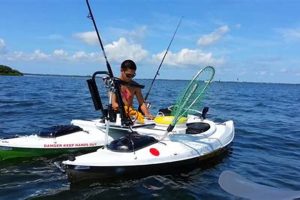
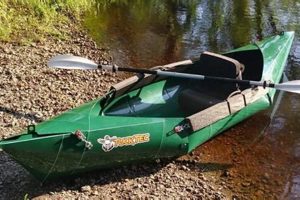
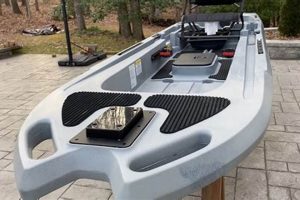
Angling from a small, human-powered vessel in the waters surrounding the island of Aruba offers a unique blend of sport and nature appreciation. This activity allows close interaction with the marine environment, while also providing opportunities for exercise and the pursuit of various fish species. A vessel approximately ten feet in length provides a balance of maneuverability and stability suitable for navigating coastal waters and exploring diverse fishing locations.
This approach to fishing can provide a more intimate and sustainable fishing experience compared to motorized boat fishing. It allows for access to shallow, secluded areas teeming with marine life often inaccessible to larger vessels, and promotes a quieter, less disruptive presence in the ecosystem. Furthermore, the physical exertion inherent in paddling contributes to a more active and engaging experience. The popularity of this pursuit has grown steadily as individuals seek closer connections with nature and more environmentally conscious recreational options.
The following sections will delve into the specifics of choosing suitable equipment, navigating local regulations, identifying prime fishing spots around Aruba, and understanding the diverse fish species that inhabit these waters.
Tips for Kayak Fishing in Aruba
Careful planning and preparation are essential for a successful and enjoyable kayak fishing excursion in Aruban waters. The following tips offer valuable insights to enhance safety and maximize fishing success.
Tip 1: Choose the Right Kayak: A sit-on-top kayak is generally recommended for fishing due to its stability and ease of re-entry in the event of a capsize. A ten-foot length offers a good balance of maneuverability and capacity for gear.
Tip 2: Prioritize Safety Equipment: Essential safety gear includes a personal flotation device, a whistle, a signaling mirror, and a communication device. A first-aid kit and sun protection are also crucial.
Tip 3: Understand Local Regulations: Familiarize oneself with Aruban fishing regulations, including licensing requirements and any restrictions on catch limits or fishing locations. This information can typically be found on government websites or obtained from local fishing authorities.
Tip 4: Check Weather Conditions: Consult marine weather forecasts before embarking on a fishing trip. Avoid venturing out in rough seas or strong winds, which can create hazardous conditions for small vessels.
Tip 5: Plan Your Route: Map out intended fishing spots and paddling routes in advance. Consider factors such as prevailing currents, wind direction, and the location of potential hazards.
Tip 6: Pack Essential Gear: Fishing gear should include appropriate rods, reels, lines, lures, and tackle suitable for targeted species. A dry bag or waterproof container is essential for protecting valuables from water damage.
Tip 7: Practice Kayak Handling: Gain experience maneuvering a kayak, especially in open water conditions, before venturing out on a fishing trip. Practice techniques for entering and exiting the kayak and recovering from a capsize.
Tip 8: Respect the Environment: Practice responsible fishing by adhering to catch limits, properly disposing of waste, and avoiding disturbance of marine habitats. Respecting the environment ensures the sustainability of this valuable resource.
Adherence to these guidelines will contribute significantly to a safe and productive fishing experience, allowing individuals to fully appreciate the unique marine environment surrounding Aruba.
The concluding section will offer additional resources and information for planning a successful kayak fishing adventure.
1. Stable Kayak Platform

A stable kayak platform is fundamental to successful angling in Aruban waters, particularly when using a smaller vessel like a ten-foot kayak. Stability directly influences an angler’s ability to cast effectively, fight fish, and maintain balance, especially in varying sea conditions. A stable platform minimizes the risk of capsizing, which is crucial for safety and the preservation of equipment. The relatively calm waters around Aruba, combined with a stable kayak, allow anglers to focus on fishing rather than constantly compensating for instability. This is particularly relevant when targeting larger fish species, where a stable base becomes crucial for leveraging strength and maintaining control during the fight. For example, landing a barracuda from a wobbly kayak presents significant challenges and safety concerns, underscoring the importance of platform stability.
Kayak design significantly influences stability. Wider kayaks with a lower center of gravity generally offer greater stability compared to narrower, higher-profile designs. Features like outriggers or stabilizers can further enhance stability, especially for anglers new to kayak fishing or those fishing in more challenging conditions. Proper weight distribution within the kayak also plays a crucial role. Evenly distributing gear and maintaining a balanced posture contributes significantly to overall stability. Consider the scenario of an angler leaning over the side to retrieve a dropped lure; a stable kayak is less likely to capsize in such a situation. This is particularly relevant in Aruba, where the potential for encountering unexpected swells or currents necessitates a stable and predictable platform.
In summary, a stable kayak platform is paramount for a safe and productive fishing experience in Aruba. Choosing a suitable kayak design, utilizing stabilizing features when necessary, and practicing proper weight distribution are key factors in maximizing stability. This, in turn, allows anglers to focus on the core aspects of fishinglocating fish, presenting lures effectively, and ultimately landing their target species. The significance of stability should not be underestimated, particularly in the context of kayak fishing where angler safety and fishing success are directly linked to the stability of their vessel.
2. Nearshore Fishing Access
Nearshore fishing access represents a significant advantage of kayak fishing, particularly in Aruba where diverse marine life thrives in relatively shallow, coastal waters. A ten-foot kayak provides the maneuverability to navigate these nearshore environments effectively, granting anglers access to habitats often unreachable by larger vessels. This proximity to the shoreline opens up a range of fishing opportunities and contributes to the appeal of this style of fishing.
- Shallow Water Habitats
Nearshore waters often feature shallow reefs, seagrass beds, and mangrove forests, which serve as critical habitats for a variety of fish species. Kayaks, due to their shallow draft, can quietly navigate these delicate ecosystems, allowing anglers to target species such as bonefish, snapper, and barracuda that frequent these areas. Larger boats are often restricted by depth and risk damaging these sensitive environments.
- Reduced Travel Time and Fuel Costs
Launching a kayak directly from the beach or a nearby access point eliminates the need for lengthy boat trips and associated fuel expenses. This allows anglers to maximize fishing time and minimizes the environmental impact associated with motorized transport. The ease of access offered by nearshore fishing makes it a convenient and cost-effective approach, particularly in Aruba where numerous public beaches and launch sites are available.
- Protected Waters and Enhanced Safety
Nearshore waters often offer a degree of protection from larger swells and strong currents, contributing to safer fishing conditions, particularly for smaller vessels like kayaks. Aruba’s coastline features numerous bays and coves that provide sheltered fishing grounds, minimizing exposure to open ocean conditions. This enhanced safety is especially beneficial for less experienced anglers or those fishing with children.
- Increased Fishing Opportunities
The varied nearshore topography, including reefs, drop-offs, and channels, creates diverse fishing opportunities. These areas attract a wide range of fish species, allowing anglers to target specific species or explore different fishing techniques. The ability to quickly and easily reposition a kayak within these nearshore zones maximizes the chances of locating productive fishing spots. This flexibility is a key advantage of kayak fishing in Aruba, where nearshore waters offer a wealth of fishing possibilities.
The combination of nearshore access and the maneuverability of a ten-foot kayak provides a distinct advantage for anglers in Aruba. This approach opens up diverse fishing opportunities while minimizing environmental impact and maximizing angler safety. The ability to explore shallow water habitats, reduce travel time, fish in relatively protected waters, and readily adapt to changing conditions makes nearshore kayak fishing a compelling option for both novice and experienced anglers seeking a rewarding fishing experience in Aruban waters.
3. Diverse Target Species

The waters surrounding Aruba offer a rich diversity of fish species, making it an attractive destination for kayak anglers. The ability to navigate diverse nearshore habitats using a small, maneuverable vessel like a ten-foot kayak further enhances the potential for encountering a wide range of species. Understanding the prevalent species and their preferred habitats is crucial for a successful fishing experience.
- Reef Dwellers
Coral reefs, prevalent in Aruban waters, support a vibrant ecosystem including numerous fish species. Snapper, grouper, and grunts are common targets for kayak anglers fishing near these reefs. Their varied coloration and behaviors add to the excitement of the catch. Knowledge of specific reef locations and appropriate fishing techniques, such as using live bait or jigs, increases the likelihood of success.
- Pelagic Predators
Aruba’s coastal waters also attract pelagic predators like barracuda, wahoo, and mahi-mahi. These fast-moving, predatory fish offer a challenging and exciting fishing experience. Trolling lures or using live bait near drop-offs or underwater structures increases the chances of encountering these species. The strength and speed of these fish necessitate robust tackle and skillful angling techniques.
- Inshore Species
Shallow seagrass beds and mangrove areas provide habitat for species like bonefish, tarpon, and permit. These fish are prized by fly fishermen and light tackle enthusiasts for their challenging fight and elusiveness. Stealth and careful presentation of flies or small lures are essential for success in these shallow, clear-water environments.
- Deepwater Game Fish
While typically targeted further offshore, deepwater species like tuna and marlin can occasionally be encountered within reach of kayak anglers in Aruba. These powerful fish offer a formidable challenge and require specialized heavy tackle. Targeting these species from a kayak requires careful planning and consideration of safety precautions due to their size and the potential for extended fights.
The diverse fish species inhabiting Aruban waters provide ample opportunities for kayak anglers. Understanding the specific habitats and behaviors of target species, along with utilizing appropriate fishing techniques and equipment, maximizes the chances of a successful and rewarding fishing experience. The accessibility of these diverse species from a kayak further enhances the appeal of this style of fishing in Aruba.
4. Calm Water Conditions

Calm water conditions are essential for a safe and productive kayak fishing experience, particularly in Aruba where anglers often utilize smaller vessels like ten-foot kayaks. These shorter kayaks, while offering excellent maneuverability, are more susceptible to wind and wave action than larger boats. Calm waters provide a stable platform for casting, fighting fish, and general kayak maneuvering. The absence of significant wave action reduces the risk of capsizing, a critical safety consideration, especially when handling fishing gear. Furthermore, calm conditions allow for easier navigation and precise boat control, enabling anglers to target specific areas like reefs or drop-offs effectively. For example, attempting to hold a kayak’s position near a reef structure in choppy water proves challenging and potentially dangerous. Calm conditions alleviate this issue, allowing for a more focused and enjoyable fishing experience.
The generally calm waters characteristic of Aruba’s leeward coast contribute significantly to the area’s popularity for kayak fishing. These sheltered waters provide a predictable environment, suitable for anglers of varying skill levels. The absence of strong currents or large swells simplifies navigation and reduces fatigue associated with constantly battling turbulent conditions. This allows anglers to concentrate on fishing techniques and fish behavior rather than managing challenging water conditions. Furthermore, calm waters enhance visibility, allowing for better observation of fish activity and more effective lure presentation. In contrast, rough water conditions create turbidity, making it difficult to spot fish or observe subtle takes. The clear visibility provided by calm waters contributes significantly to the overall fishing experience.
The influence of calm water conditions on kayak fishing success should not be underestimated. They are a key factor in ensuring both angler safety and fishing productivity. While weather conditions are inherently variable, choosing to fish during periods of calm seas maximizes the chances of a positive outcome. Accessing local weather forecasts and choosing sheltered locations along Aruba’s coastline are practical steps anglers can take to increase the likelihood of encountering favorable water conditions. This proactive approach allows for better planning and ultimately contributes to a safer and more rewarding fishing experience. The ability to capitalize on calm water conditions is a significant element of successful kayak fishing in Aruba.
5. Appropriate Fishing Gear

Appropriate fishing gear is essential for successful kayak angling in Aruba, particularly given the limitations of a ten-foot vessel. Equipment choices must balance functionality with space constraints, ensuring effectiveness while maintaining stability and maneuverability. Aruba’s diverse fish species further necessitate specialized gear considerations. Targeting barracuda, for instance, requires heavier tackle than pursuing smaller reef fish. Incorrect gear selection can lead to lost opportunities, broken lines, and potentially dangerous situations. A heavy-duty rod paired with a lightweight reel creates an unbalanced setup, hindering casting accuracy and increasing the risk of equipment failure when battling a strong fish.
Rods and reels should be sized appropriately for target species and the kayak fishing environment. Shorter rods, typically between six and seven feet, are ideal for kayak fishing, offering maneuverability within the confined space of a small vessel. Spinning or baitcasting reels paired with appropriate line weight provide versatility for various fishing techniques. Furthermore, selecting corrosion-resistant tackle is crucial in saltwater environments. Aluminum or graphite rods and reels with sealed components minimize the detrimental effects of saltwater exposure. Tackle storage also presents unique challenges in a kayak. Waterproof tackle boxes or bags secure gear, preventing water damage and loss. Organizers within these containers facilitate efficient lure and terminal tackle retrieval, minimizing disruption during fishing. A tangled mess of lines and hooks significantly impedes fishing efficiency and increases frustration.
Understanding the connection between appropriate fishing gear and kayak fishing success is fundamental. Selecting balanced, durable, and appropriately sized equipment enhances angler effectiveness and safety. Careful consideration of target species, fishing techniques, and the kayak environment informs optimal gear choices. This informed approach minimizes equipment failures, maximizes fishing opportunities, and contributes to a more rewarding and safer experience on the water. Proper gear selection, in conjunction with skillful angling techniques, enhances overall fishing success and enjoyment.
6. Local Regulations Awareness
Adherence to local regulations is paramount for responsible and sustainable kayak fishing practices in Aruba. Regulations exist to protect fish populations, preserve marine ecosystems, and ensure fair access for all anglers. Ignorance of these regulations is no excuse for non-compliance, and penalties for violations can include fines, confiscation of equipment, and even legal action. Specific regulations relevant to kayak fishing often address licensing requirements, catch limits (both size and quantity), permissible fishing gear, and designated fishing zones. For example, certain areas may be designated as marine protected areas or sanctuaries where fishing is restricted or entirely prohibited to safeguard sensitive ecosystems or breeding grounds. Awareness of these zones is crucial for avoiding unintentional violations.
Practical application of local regulations awareness involves researching and understanding current rules before embarking on a fishing trip. Official government websites or local fishing authorities provide reliable sources of information. Checking for recent updates or changes to regulations is also advisable. Understanding licensing procedures, if applicable, is crucial. This might involve obtaining a fishing license from designated vendors or online platforms. Familiarization with catch limits ensures responsible harvesting. This includes identifying protected species and adhering to size restrictions, contributing to the long-term health of fish populations. For example, releasing undersized fish allows them to reach maturity and contribute to future breeding cycles. Knowing permitted fishing gear and techniques also falls under regulatory compliance. Certain types of nets or fishing methods might be prohibited to minimize environmental impact or ensure fair fishing practices.
Ultimately, awareness of local regulations contributes not only to legal compliance but also to the sustainability of Aruban fisheries and the preservation of the marine environment. Responsible fishing practices ensure the continued enjoyment of this resource for future generations. Disregarding regulations undermines conservation efforts and jeopardizes the long-term health of fish populations and the delicate balance of marine ecosystems. Therefore, local regulations awareness becomes an integral component of responsible kayak fishing practices, linking individual actions to the broader context of environmental stewardship and sustainable resource management.
Frequently Asked Questions
This section addresses common inquiries regarding kayak fishing in Aruba, specifically focusing on the use of kayaks around ten feet in length. Clear and concise answers aim to provide practical information for planning a successful fishing excursion.
Question 1: What are the advantages of using a ten-foot kayak for fishing in Aruba?
A ten-foot kayak offers a balance of maneuverability and stability, well-suited to Aruba’s nearshore waters. This size allows access to shallow areas while providing sufficient stability for casting and landing fish. Its compact size also simplifies transport and launch.
Question 2: Are fishing licenses required for kayak fishing in Aruba?
Regulations regarding fishing licenses in Aruba can vary. Consulting the official Aruba Tourism Authority website or contacting local authorities provides definitive information on current licensing requirements for recreational fishing.
Question 3: What safety precautions should be taken when kayak fishing in Aruba?
Essential safety measures include wearing a personal flotation device, carrying a whistle or signaling device, checking weather conditions before embarking, informing someone of the intended fishing location and estimated return time, and carrying a basic first-aid kit.
Question 4: What types of fish can be caught from a kayak in Aruba?
Aruba’s waters offer diverse fishing opportunities. Species commonly targeted from kayaks include barracuda, snapper, grouper, bonefish, and various reef fish. Specific locations and techniques influence the types of fish encountered.
Question 5: Where are recommended launch sites for kayak fishing in Aruba?
Several public beaches and access points around Aruba offer suitable launch sites for kayaks. Researching locations based on prevailing winds and proximity to target fishing areas is recommended. Local fishing guides or rental services can also offer valuable insights.
Question 6: What fishing gear is recommended for kayak fishing in Aruba?
Recommended gear includes light to medium tackle appropriate for target species, including rods, reels, lines, lures, and hooks. Corrosion-resistant equipment is essential in saltwater environments. A waterproof bag or container protects valuable items and electronic devices.
Addressing these common questions aims to enhance angler preparedness and promote safe and responsible kayak fishing practices in Aruba. Thorough pre-trip planning contributes significantly to a successful and enjoyable experience.
The following section provides valuable resources for planning a kayak fishing trip to Aruba, including links to local regulations, weather forecasts, and recommended fishing guides.
Aruba 10 Kayak Fishing
Exploration of this specific angling approach reveals a unique blend of sport, accessibility, and environmental consciousness. Maneuverability within nearshore environments combined with the potential for diverse species encounters underscores the appeal. Careful consideration of stability, appropriate gear selection, and adherence to local regulations are critical for maximizing both safety and fishing success. The emphasis on a smaller, human-powered vessel promotes a low-impact approach to fishing, aligning with sustainable practices and fostering deeper appreciation for Aruba’s marine ecosystem.
Aruba 10 kayak fishing offers a distinct pathway to experiencing the island’s aquatic treasures. Informed preparation and responsible angling practices ensure the preservation of this valuable resource for future generations, solidifying its place as a rewarding and sustainable pursuit within Aruba’s diverse recreational landscape. The potential for personal discovery alongside the thrill of the catch invites further exploration of this unique angling experience.