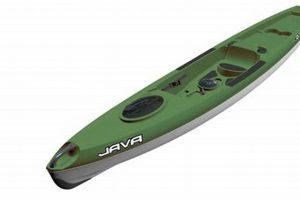
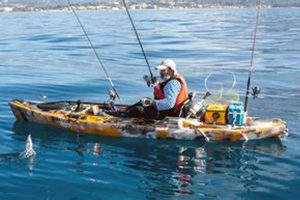
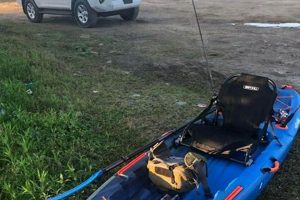
Effective methods for stowing catches aboard kayaks range from simple insulated bags and buckets to specialized compartments built into the kayak itself. These solutions address the need to keep fish fresh and secure during angling excursions. For instance, a dedicated cooler affixed to the deck can preserve a day’s catch, while smaller fish can be stored temporarily in livewells or mesh bags suspended in the water.
Preserving the quality of caught fish directly impacts the enjoyment and success of kayak fishing. Proper storage prevents spoilage, maximizes freshness for later consumption, and adheres to ethical fishing practices. Historically, anglers relied on basic containers and natural methods, but advances in kayak design and accessory manufacturing now offer more sophisticated solutions, improving catch preservation and overall fishing experiences.
This article will explore various techniques and equipment available for optimizing fish storage on kayaks, considering factors such as kayak size, fishing style, and target species. Topics covered will include built-in compartments, portable coolers, livewells, stringers, and best practices for maintaining fish quality in diverse environments.
Tips for Effective Kayak Fish Storage
Optimizing limited space on a kayak requires careful consideration of fish storage strategies. These tips offer practical advice for maintaining catch quality and maximizing on-board organization.
Tip 1: Match Storage to Kayak Type. Sit-on-top kayaks offer more accessible storage options compared to sit-inside models. Consider available deck space and hull design when choosing storage solutions.
Tip 2: Prioritize Insulation. Insulated containers, whether built-in or portable, are crucial for preserving fish in warm conditions. Gel packs or ice can further enhance cooling effectiveness.
Tip 3: Secure Containers Properly. Ensure all storage containers are firmly secured to the kayak to prevent shifting or loss during paddling and maneuvering. Bungee cords and tie-down straps are useful for this purpose.
Tip 4: Consider a Livewell. For anglers targeting catch-and-release fishing, a livewell provides a humane method for temporarily holding fish. Ensure proper aeration and water circulation.
Tip 5: Utilize Dry Storage for Gear. Waterproof bags and compartments protect essential fishing gear and personal items from moisture and fish odors. Designate separate storage areas for catch and equipment.
Tip 6: Employ Appropriate Fish Handling Techniques. Minimize handling time and utilize appropriate tools such as lip grips and dehookers to reduce stress on the fish and maintain its quality.
Tip 7: Clean Storage Regularly. Thoroughly clean and dry all fish storage containers after each use to prevent bacterial growth and unpleasant odors.
By implementing these strategies, anglers can ensure their catch remains fresh and their kayaking experience remains enjoyable and efficient. Proper fish storage contributes to a successful and responsible angling trip.
These practical storage solutions enable anglers to focus on the enjoyment of fishing, knowing their catch is well-preserved and their kayak remains organized. Ultimately, choosing the right storage system depends on individual fishing preferences and kayak setup.
1. Built-in Compartments

Built-in compartments represent a significant advancement in kayak design, offering dedicated storage solutions integrated directly into the kayak’s structure. This integration streamlines fish storage, improving organization and efficiency on the water. Examining specific facets of these compartments reveals their advantages and limitations for kayak anglers.
- Accessibility and Convenience
Built-in compartments offer immediate access to stored items without requiring anglers to rummage through external gear. Located within the kayak’s hull, these compartments often feature hinged lids or quick-release hatches for easy access. This streamlined accessibility proves advantageous when handling live catches or needing quick access to tackle.
- Space Optimization and Kayak Stability
Integrating storage within the kayak’s hull maximizes available deck space and contributes to overall stability. Rather than relying on external coolers or containers that can shift weight and affect balance, built-in compartments maintain a lower center of gravity, enhancing kayak performance. This is particularly beneficial in challenging water conditions or when maneuvering through tight spaces.
- Capacity and Size Limitations
While offering convenient storage, built-in compartments may have limited capacity compared to larger external coolers. The size and shape of these compartments restrict the dimensions of stored items, which can be a disadvantage when targeting larger fish species. Anglers should carefully consider their typical catch size and storage needs when evaluating kayaks with built-in storage.
- Drainage and Cleaning Considerations
Proper drainage and cleaning are essential for maintaining hygiene and preventing odor buildup in built-in compartments. Ensuring adequate drainage holes and utilizing waterproof liners simplifies the cleaning process. Regular cleaning and drying prevent bacterial growth and maintain the integrity of the compartment, crucial for preserving the quality of future catches.
By considering these facets, anglers can determine if built-in compartments align with their specific fishing style and needs. While offering advantages in terms of accessibility and space optimization, limitations regarding capacity and cleaning requirements necessitate careful consideration. Evaluating these factors against alternative storage solutions such as portable coolers or kayak crates will enable anglers to select the optimal approach for preserving their catch and enhancing their on-the-water experience.
2. Portable Coolers

Portable coolers represent a versatile solution for kayak anglers seeking adaptable and efficient fish storage. Their portability, varied sizes, and insulation capabilities cater to diverse fishing styles and target species. Careful consideration of cooler features and integration with kayak setups optimizes their effectiveness for preserving catch quality on the water.
- Cooler Size and Capacity
Cooler dimensions and storage volume directly influence the quantity and size of fish that can be accommodated. Smaller coolers suit short trips targeting panfish or smaller game fish, while larger coolers cater to extended excursions or larger species. Assessing typical catch size and trip duration informs appropriate cooler selection.
- Insulation Performance and Ice Retention
Effective insulation maintains low temperatures within the cooler, preserving fish quality and preventing spoilage. High-quality coolers with thick insulation and airtight seals maximize ice retention, extending the viability of stored catch, especially in warm climates. Consider cooler construction and insulation materials for optimal performance.
- Securing and Positioning on Kayak
Stable and secure cooler placement is crucial for maintaining kayak balance and preventing accidental loss or damage. Utilizing bungee cords, tie-down straps, or dedicated cooler mounts ensures the cooler remains fixed in position during paddling and maneuvering. Strategic placement optimizes weight distribution and access without hindering kayak operation.
- Cooler Features and Accessories
Additional features enhance cooler functionality and convenience. Features like built-in cup holders, cutting boards, or attachment points for fishing gear improve organization and streamline workflow on the kayak. Consider accessories such as dry bags for storing personal items and additional ice packs to extend cooling duration.
Selecting the appropriate portable cooler significantly impacts the success of kayak fishing trips. Balancing capacity, insulation performance, and secure mounting with kayak compatibility ensures efficient fish storage and preserves catch quality. Integrating these considerations with overall kayak organization strategies maximizes on-the-water efficiency and contributes to a successful and enjoyable angling experience.
3. Livewells/bait tanks

Livewells and bait tanks represent specialized storage solutions integral to specific kayak fishing approaches, offering a means of maintaining live bait or catch for later release. Their effective integration with kayak systems requires consideration of factors such as size, aeration, and water quality management, directly impacting angling success and ethical fishing practices.
Maintaining live bait in optimal condition enhances fishing success by presenting more attractive offerings to target species. Aeration systems within livewells provide essential oxygen, ensuring bait remains active and viable. Proper water circulation and temperature control further contribute to bait health, maximizing its effectiveness throughout the fishing trip. For catch-and-release fishing, livewells offer a humane method for temporarily holding fish before release, minimizing stress and maximizing survival rates. This responsible practice aligns with conservation efforts and promotes sustainable fisheries management. Practical considerations such as tank capacity, mounting stability, and ease of access influence livewell effectiveness. Balancing these factors with kayak stability and available space ensures optimal performance and angler convenience.
Effective livewell management requires attention to water quality and hygiene. Regular water changes and cleaning prevent bacterial growth and maintain a healthy environment for both bait and catch. Proper disposal of waste water adheres to environmental regulations and minimizes ecological impact. Integrating these practices with responsible angling techniques contributes to both successful fishing outcomes and the preservation of aquatic ecosystems. Choosing an appropriately sized and equipped livewell/bait tank depends on target species and fishing style. Smaller tanks suffice for smaller baitfish and shorter trips, while larger tanks accommodate larger bait or multiple catches for release. Understanding these considerations ensures anglers select the optimal system for their specific needs, supporting both fishing success and responsible angling practices.
4. Stringers/fish bags
Stringers and fish bags offer practical, though often temporary, solutions for kayak anglers needing to store their catch. These methods provide immediate storage capabilities, but their suitability depends on factors such as target species, fishing regulations, and overall trip duration. Understanding the advantages and limitations of stringers and fish bags contributes to informed decisions regarding their appropriate use within a comprehensive kayak fish storage strategy.
- Fish Species and Stringer Suitability
Stringers, consisting of a cord with clips for attaching fish through the gill or jaw, are generally suitable for robust species tolerant of temporary submersion. Delicate fish or those susceptible to stress may not fare well on stringers, particularly in warm water conditions. Careful consideration of target species and local regulations informs appropriate stringer use.
- Fish Bag Design and Functionality
Fish bags, typically constructed of mesh or other breathable material, offer an alternative to stringers, particularly for smaller fish or catch-and-release scenarios. Floating bags allow for temporary storage in the water, keeping fish alive and relatively fresh. Specialized bags with insulated liners enhance short-term preservation, especially during warmer weather.
- Catch Limits and Regulations
Local fishing regulations often dictate permissible methods of fish storage, potentially restricting stringer use or requiring specific bag types. Adherence to these regulations is paramount for responsible angling and conservation efforts. Researching and understanding local rules ensures compliance and promotes sustainable fishing practices.
- Storage Capacity and Kayak Compatibility
The capacity of stringers and fish bags limits the quantity and size of fish they can effectively hold. Kayak size and available storage space further influence the practicality of these methods. Integrating stringer or bag use with other storage solutions, such as coolers or built-in compartments, optimizes overall kayak organization and catch preservation.
While offering convenient short-term solutions, stringers and fish bags often necessitate integration with more comprehensive storage strategies for longer trips or larger catches. Evaluating their suitability based on target species, regulations, and kayak limitations ensures effective catch storage while prioritizing fish welfare and responsible angling practices. Combining these methods with insulated coolers, built-in compartments, or other solutions provides a well-rounded approach to kayak fish storage, maximizing both efficiency and catch preservation.
5. Insulated bags
Insulated bags play a crucial role in kayak fish storage strategies, offering a lightweight and adaptable method for preserving catch freshness, particularly during warmer weather or extended trips. Their effectiveness stems from the ability to maintain lower temperatures, inhibiting bacterial growth and spoilage, which directly impacts the quality and palatability of the harvested fish. Consider a scenario where an angler kayaks to a remote fishing spot; an insulated bag containing ice or gel packs becomes essential for maintaining the quality of the catch throughout the day, especially without access to a larger cooler or built-in storage compartment.
Several factors influence the efficacy of insulated bags in kayak fishing. Bag size and insulation thickness directly correlate with temperature retention capabilities. Larger, thicker bags offer greater insulation, while smaller bags provide portability and flexibility for limited storage space. The type of insulating material also impacts performance. Closed-cell foam or similar materials provide superior insulation compared to thinner, less dense alternatives. Furthermore, proper pre-chilling of the bag and its contents enhances effectiveness. Adding frozen gel packs or ice significantly extends the temperature control duration, maximizing the viability of stored fish.
Integrating insulated bags into a comprehensive kayak fish storage strategy enhances overall catch preservation and angling experience. Combining insulated bags with other storage solutions, such as portable coolers or built-in compartments, addresses diverse storage needs. For instance, a larger cooler might store the primary catch, while an insulated bag keeps smaller or more delicate fish separate and better protected. This layered approach maximizes both storage efficiency and catch quality, contributing to a more successful and enjoyable kayak fishing excursion. Ultimately, selecting appropriate insulated bags, based on anticipated catch size, ambient temperature, and overall storage needs, proves vital for maximizing the benefits of this valuable component within a broader kayak fish storage strategy.
6. Kayak Crate Systems

Kayak crate systems offer a modular and adaptable approach to storage, directly impacting fish storage strategies. These systems utilize stackable, often customizable crates secured to the kayak’s deck, providing organized compartments for various gear, including fish storage solutions. This modularity allows anglers to tailor storage configurations to specific needs and kayak layouts. For example, a crate system might incorporate a dedicated cooler for primary catch storage, a smaller insulated bag for delicate fish or bait, and dry storage for tackle and other equipment. This organized approach optimizes space utilization and streamlines access to essential items during the fishing excursion. Furthermore, some crate systems integrate rod holders, further enhancing organization and maximizing fishing efficiency.
The benefits of kayak crate systems extend beyond basic organization. Their impact on overall fish storage strategies is substantial. By providing dedicated compartments for different storage needs, crate systems prevent cross-contamination and maintain catch quality. Separating fish from other gear, such as tackle or personal items, minimizes odor transfer and maintains hygiene. Moreover, the secure nature of crate systems protects stored items from shifting or loss during paddling and maneuvering. This stability enhances kayak balance and prevents accidental spills or damage, crucial for preserving valuable catch and equipment. Consider a scenario where an angler navigates through rough waters; a securely fastened crate system maintains the integrity of stored items, protecting both the catch and essential gear from the elements and potential loss.
Effective integration of kayak crate systems requires careful planning and consideration of specific fishing requirements. Matching crate size and configuration to kayak dimensions and available deck space optimizes storage capacity without compromising stability or maneuverability. Selecting durable, weather-resistant crates ensures longevity and reliable performance in diverse conditions. Furthermore, incorporating appropriate tie-down straps and securing mechanisms safeguards the system and its contents throughout the fishing trip. Ultimately, understanding the interplay between kayak crate systems and overall fish storage strategies allows anglers to maximize kayak organization, preserve catch quality, and enhance the overall fishing experience. This tailored approach contributes to efficient gear management and successful angling outcomes while prioritizing responsible equipment use and minimizing environmental impact.
Frequently Asked Questions
Addressing common queries regarding kayak fish storage solutions provides clarity for anglers seeking to optimize catch preservation and kayak organization. The following questions and answers offer practical insights into selecting and utilizing various storage methods effectively.
Question 1: What is the most effective way to keep fish fresh on a kayak without a built-in cooler?
High-quality portable coolers offer excellent insulation and ice retention, effectively preserving fish freshness. Secure mounting and strategic placement on the kayak are essential for stability and access.
Question 2: Are livewells practical for all kayak types?
Livewell practicality depends on kayak size, stability, and available space. Smaller kayaks may not accommodate larger livewells without compromising performance. Careful consideration of kayak specifications and livewell dimensions is crucial.
Question 3: How can anglers prevent fish odor from permeating kayak gear?
Designating separate storage areas for fish and other equipment, utilizing sealed bags or containers for fish storage, and regular cleaning of all gear minimize odor transfer.
Question 4: What factors should influence the choice between a stringer and a fish bag?
Target species, fishing regulations, and trip duration influence this choice. Stringers suit robust species and shorter trips, while fish bags, particularly those with insulation, offer better preservation for delicate fish or longer durations.
Question 5: How can kayak crate systems enhance fish storage strategies?
Crate systems provide organized compartments for various gear, including dedicated fish storage solutions. This modularity enhances organization, prevents cross-contamination, and secures items during paddling.
Question 6: What are the key considerations for selecting insulated fish bags?
Bag size, insulation thickness, and material type directly impact temperature retention. Pre-chilling the bag and using ice or gel packs further enhance effectiveness. Consider anticipated catch size and ambient temperatures.
Understanding these considerations enables informed decisions regarding appropriate fish storage solutions, contributing to successful and enjoyable kayak fishing experiences while prioritizing catch preservation and responsible angling practices.
This concludes the FAQ section. The subsequent section will provide a summary of key takeaways and offer final recommendations for optimizing kayak fish storage strategies.
Conclusion
Effective kayak fish storage solutions are crucial for preserving catch quality and maximizing angling enjoyment. From built-in compartments and portable coolers to specialized livewells and adaptable crate systems, diverse storage methods cater to various fishing styles, target species, and kayak configurations. Careful consideration of factors such as insulation, capacity, security, and adherence to local regulations ensures responsible and successful angling practices. Proper fish handling techniques and regular cleaning of storage equipment further contribute to maintaining catch freshness and hygiene. Ultimately, selecting and implementing appropriate kayak fish storage strategies enhances on-the-water efficiency, preserves the quality of harvested fish, and promotes a positive and sustainable angling experience.
Successful kayak fishing relies on meticulous planning and appropriate gear selection. Optimizing fish storage contributes significantly to overall trip success, ensuring harvested fish remain fresh for consumption or successful release. As kayak fishing continues to grow in popularity, continued innovation in storage solutions promises even greater convenience and efficiency for anglers seeking to maximize their time on the water while prioritizing responsible fishing practices. Prioritizing effective fish storage ensures not only a successful fishing trip but also contributes to the long-term health and sustainability of aquatic ecosystems.