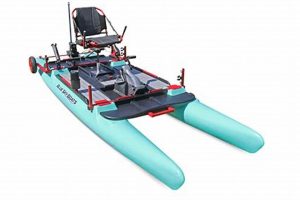
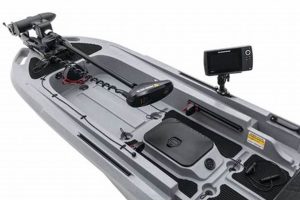
Larger-sized fishing kayaks offer enhanced stability and load capacity compared to standard models. This increased deck space accommodates larger anglers, additional gear, and even specialized equipment like fish finders or livewells. A longer waterline also contributes to improved tracking and speed, making them suitable for larger bodies of water like lakes and coastal areas.
The demand for these larger vessels stems from a desire for increased comfort, storage, and performance on the water. Anglers benefit from the enhanced stability, which allows for more confident casting and reeling, particularly in challenging conditions. The additional capacity also enables longer trips with ample provisions and gear. Historically, kayak fishing was often limited by size and capacity constraints, but advancements in design and materials have led to the development of these more spacious and capable platforms.
This discussion will further explore the advantages and disadvantages of these larger platforms, considering factors such as maneuverability, transport, and storage, as well as specific features and options available to prospective buyers.
Tips for Choosing and Using Larger Fishing Kayaks
Selecting and utilizing a larger fishing kayak requires careful consideration of several factors to ensure optimal performance and safety.
Tip 1: Consider Stability and Capacity Needs: Evaluate individual weight, gear requirements, and anticipated water conditions to determine the appropriate size and weight capacity.
Tip 2: Assess Transportation and Storage: The increased length and weight present logistical challenges. Evaluate available transport options and storage space before purchase.
Tip 3: Prioritize Comfort and Ergonomics: A properly fitted kayak is crucial for longer trips. Pay attention to seat adjustability, legroom, and the positioning of fishing accessories.
Tip 4: Evaluate Hull Design and Performance: Different hull designs offer varying degrees of stability, speed, and maneuverability. Consider the intended fishing environment and paddling style.
Tip 5: Inspect Features and Accessories: Examine features such as rod holders, storage compartments, and mounting points for fish finders or other electronics.
Tip 6: Practice Paddling and Maneuvering: Larger kayaks may handle differently than smaller models. Practice paddling and maneuvering in calm water before venturing into more challenging conditions.
Tip 7: Prioritize Safety Equipment: Always wear a personal flotation device and carry essential safety gear, including a whistle, signaling device, and first-aid kit.
Careful consideration of these factors will contribute to a more enjoyable and productive fishing experience on the water.
These considerations provide a foundation for informed decision-making regarding larger fishing kayaks. The following section will conclude with a summary of key points and recommendations.
1. Stability

Stability represents a critical performance attribute in extra-large fishing kayaks, directly influencing angler safety and fishing effectiveness. A stable platform allows for comfortable casting, reeling, and landing fish, especially in challenging conditions such as wind or choppy water. Wider hulls and lower centers of gravity contribute to enhanced stability, minimizing the risk of capsizing. For instance, an angler standing to cast in an extra-large kayak with a stable platform experiences less wobble, facilitating accurate casts and reducing the likelihood of losing balance. This stability also proves crucial when battling larger fish, providing a secure and balanced platform to exert leverage and control.
The importance of stability increases proportionally with the kayak’s size. Larger kayaks, by nature of their increased length and width, offer potentially greater stability compared to smaller models. However, design elements, such as hull shape and weight distribution, play a significant role in realizing this potential. Flatter hulls generally offer greater initial stability, while more rounded hulls provide better secondary stability (recovery from leaning). Understanding these design principles allows anglers to select extra-large kayaks optimized for their specific needs and fishing styles. Consider an angler fishing in calm lakes; a flatter hull might suffice. Conversely, an angler navigating coastal waters or rivers benefits from the enhanced secondary stability of a more rounded hull.
In conclusion, prioritizing stability when selecting an extra-large fishing kayak is paramount. Evaluating hull design, considering weight capacity, and understanding the interplay between these factors empower anglers to choose a kayak that maximizes both safety and fishing performance. Compromising stability can negatively impact the overall fishing experience, potentially limiting angling techniques and increasing the risk of accidents. A stable kayak contributes significantly to a confident and enjoyable outing, enabling anglers to focus on the sport rather than precarious balance.
2. Capacity

Capacity, a defining characteristic of extra-large fishing kayaks, directly influences their utility and suitability for various fishing expeditions. Understanding capacity limitations and their implications is crucial for informed decision-making. This involves considering both weight capacity and storage volume, each playing a distinct role in overall performance and practicality.
- Weight Capacity
Weight capacity dictates the maximum combined weight of the angler, gear, and any potential catch. Exceeding this limit compromises stability and safety, increasing the risk of capsizing. Manufacturers provide weight capacity ratings, allowing anglers to select appropriate models based on individual needs. For example, an angler planning extended trips with substantial gear requires a higher weight capacity than someone fishing lighter and closer to shore. Choosing a kayak with ample weight capacity ensures safe and stable operation, maximizing on-the-water confidence.
- Storage Volume
Storage volume encompasses available space for gear, tackle boxes, and other essentials. Extra-large fishing kayaks generally offer increased storage compared to standard models, accommodating longer trips or specialized equipment. This added space allows anglers to carry more tackle, extra clothing, or camping gear for overnight excursions. Consider an angler targeting multiple species; ample storage facilitates carrying a variety of rods, reels, and lures. Increased storage volume enhances versatility and extends the kayak’s utility for diverse fishing scenarios.
- Distribution of Weight
Effective weight distribution within the kayak significantly influences performance and stability. Evenly distributing gear throughout the hull prevents imbalances that could compromise stability or impede maneuverability. Concentrating weight at either end can create drag or make the kayak difficult to control. For example, placing heavier items closer to the center of gravity enhances stability, while distributing weight evenly prevents one side from dipping lower than the other. Proper weight distribution optimizes performance and ensures a balanced and efficient paddling experience.
- Impact on Performance
Capacity directly impacts on-the-water performance. Heavier loads, while within the designated capacity, can reduce speed and maneuverability. Understanding this trade-off is essential for realistic performance expectations. An angler carrying a heavier load might experience slower paddling speeds and reduced responsiveness. However, the increased capacity and storage volume enable longer and more self-sufficient trips, outweighing the potential performance trade-offs for many anglers.
Capacity, therefore, represents a multifaceted aspect of extra-large fishing kayaks, encompassing weight limitations, storage volume, weight distribution, and their combined influence on performance. Careful consideration of these factors is crucial for selecting a kayak that effectively balances capacity needs with desired performance characteristics. A comprehensive understanding of capacity empowers anglers to choose a vessel optimized for their specific fishing style and anticipated excursions.
3. Maneuverability
Maneuverability in extra-large fishing kayaks presents unique considerations compared to smaller models. The increased length and width influence turning radius and responsiveness, impacting navigation, especially in confined spaces. Understanding the factors affecting maneuverability is crucial for efficient and safe operation in various water conditions.
- Length and Width
Longer kayaks generally track straighter and offer improved speed, but their turning radius increases proportionally. Wider hulls enhance stability but can reduce responsiveness to paddle strokes. For example, navigating narrow creeks or rivers requires more deliberate paddling and wider turns in an extra-large kayak compared to a shorter, narrower model. The trade-off between stability and maneuverability is a key consideration when selecting an extra-large fishing kayak.
- Hull Design
Hull design significantly impacts maneuverability. Flatter hulls tend to turn more easily, while more rounded or V-shaped hulls enhance tracking and speed but may require more effort to turn. A kayak with a pronounced keel improves tracking in open water but might feel less responsive in tight turns. Anglers prioritizing maneuverability in rivers or shallow water might prefer a flatter hull, whereas those fishing larger lakes or coastal areas could benefit from a hull design that prioritizes tracking.
- Rudder or Skeg
A rudder or skeg can significantly enhance tracking and maneuverability, particularly in windy conditions or strong currents. A rudder offers active control over steering, while a skeg provides directional stability. An angler paddling in windy conditions can use a rudder to maintain a straight course, while a skeg minimizes the need for constant corrective strokes. These features enhance control and efficiency in challenging environments.
- Paddling Technique
Effective paddling technique is crucial for maximizing maneuverability in extra-large kayaks. Proper stroke technique and body positioning contribute to efficient turning and maneuvering. Sweeping strokes facilitate turning, while draw strokes aid in lateral movement. An angler proficient in these techniques can maneuver an extra-large kayak with greater precision and control, even in challenging conditions.
Maneuverability in extra-large fishing kayaks represents a balance between stability, tracking, and responsiveness. Understanding the interplay of length, width, hull design, and paddling technique allows anglers to select and effectively operate these larger platforms in diverse water environments. Prioritizing maneuverability considerations ensures efficient navigation and enhances the overall fishing experience, enabling anglers to access desired fishing spots and confidently navigate challenging waterways.
4. Transport

Transporting extra-large fishing kayaks presents logistical challenges due to their increased size and weight. Unlike smaller kayaks easily car-topped, these larger vessels often necessitate specialized transport solutions. This requires careful consideration of available options, including roof racks, trailers, and pick-up trucks, each with inherent advantages and disadvantages. Selecting an appropriate method depends on factors such as vehicle type, storage capacity, and travel distance. For instance, a short trip to a local lake might allow for careful car-topping with appropriate roof rack systems and tie-downs. However, longer journeys or transporting multiple kayaks often necessitate a trailer, impacting travel time and fuel consumption. Failure to adequately secure the kayak during transport can result in damage to the vessel or pose a hazard to other road users. Therefore, understanding safe and effective transport practices is crucial.
Roof rack systems, a common transport solution, require careful consideration of weight limits and proper tie-down techniques. Weight distribution on the roof rack is crucial for vehicle stability and safe handling. Straps should be securely fastened, preventing movement or slippage during transit. Regularly inspecting straps for wear and tear ensures continued safety and prevents potential accidents. Some manufacturers offer specialized kayak cradles designed to minimize stress on the hull during transport, further enhancing safety and preserving the kayak’s integrity. Trailers, while offering greater capacity and ease of loading, require additional considerations such as proper trailer maintenance, including tire pressure and bearing lubrication, along with adherence to towing regulations and licensing requirements. Pick-up trucks with truck beds offer another transport option, requiring secure tie-downs and careful consideration of weight distribution within the truck bed itself to maintain balance and handling.
Effective transport solutions directly impact the accessibility and enjoyment of extra-large fishing kayaks. Addressing transport challenges allows anglers to explore diverse fishing locations and maximize the utility of their larger vessels. Overlooking these logistical considerations can lead to frustration, equipment damage, or safety hazards. Careful planning, appropriate equipment selection, and adherence to safety guidelines ensure efficient and secure transport, contributing to a positive and productive fishing experience. Therefore, integrating transport planning into the overall kayak ownership experience is essential for maximizing the benefits and enjoyment of extra-large fishing kayaks.
5. Storage
Storage considerations are paramount when owning an extra-large fishing kayak due to its substantial size. Unlike smaller counterparts easily stored in garages or sheds, these kayaks demand more dedicated space and potentially specialized storage solutions. Appropriate storage preserves the kayak’s condition, extending its lifespan and ensuring readiness for the next fishing excursion. Neglecting proper storage can lead to warping, sun damage, or other forms of deterioration, impacting performance and longevity. This section explores various facets of storage relevant to extra-large fishing kayaks.
- Indoor Storage
Indoor storage offers optimal protection from the elements, minimizing wear and tear. Garages, sheds, or basements provide suitable environments, shielding the kayak from sunlight, temperature fluctuations, and precipitation. However, even indoor storage requires proper support and positioning. Cradles or wall mounts specifically designed for kayaks distribute weight evenly, preventing warping or deformation over time. For example, suspending a kayak from straps can create pressure points, potentially leading to damage. Utilizing appropriate storage equipment maintains the kayak’s structural integrity.
- Outdoor Storage
Outdoor storage, while less ideal than indoor options, remains a practical necessity for some owners. When storing outdoors, utilizing a high-quality cover specifically designed for kayaks is essential. These covers protect against UV damage, rain, and debris. Elevating the kayak off the ground on padded supports prevents moisture accumulation and minimizes contact with potentially damaging ground surfaces. Furthermore, securing the kayak to a fixed object, such as a fence post or wall anchor, deters theft and prevents wind displacement. For example, a kayak left uncovered and directly on the ground is susceptible to fading, cracking, and moisture damage, significantly shortening its lifespan.
- Transporting to Storage
Transporting the kayak to and from storage requires careful handling to avoid damage. Utilizing appropriate lifting techniques and equipment minimizes strain and prevents accidental drops or impacts. For instance, enlisting the help of another person to carry the kayak reduces the risk of dropping or straining one’s back. Using kayak carts specifically designed for transporting kayaks over short distances facilitates easier movement and minimizes the risk of scratches or scrapes. Proper lifting and transport techniques preserve the kayak’s condition and ensure safe handling.
- Long-Term Storage
Long-term storage, such as during the off-season, necessitates additional considerations. Thoroughly cleaning and drying the kayak before storage prevents mildew and mold growth. Storing the kayak in a cool, dry place away from direct sunlight minimizes deterioration. Inspecting the kayak periodically for signs of damage or wear allows for timely repairs and preventative maintenance. For example, storing a wet kayak in a humid environment can lead to mold and mildew growth, impacting both aesthetics and hygiene. Proper preparation and periodic inspection ensure the kayak remains in optimal condition for future use.
Appropriate storage is fundamental to maintaining the integrity and longevity of extra-large fishing kayaks. Addressing storage challenges proactively through informed decision-making and appropriate equipment investment ensures the kayak remains in optimal condition, ready for countless fishing adventures. Neglecting these considerations can lead to costly repairs, diminished performance, and a shortened lifespan. Prioritizing proper storage practices, therefore, represents a crucial aspect of responsible kayak ownership and contributes significantly to long-term enjoyment and value.
Frequently Asked Questions
This section addresses common inquiries regarding extra-large fishing kayaks, providing concise and informative responses to facilitate informed decision-making.
Question 1: What advantages do extra-large fishing kayaks offer over standard sizes?
Enhanced stability, increased weight capacity, and greater storage volume are key advantages. These features accommodate larger anglers, additional gear, and longer expeditions. The added stability provides a more secure platform for casting, reeling, and landing fish, while the increased capacity allows for carrying more equipment and supplies.
Question 2: Are extra-large kayaks more difficult to maneuver?
While increased length and width can impact maneuverability in tight spaces, proper paddling technique and features like rudders or skegs mitigate these challenges. The trade-off is often balanced by enhanced stability and tracking in open water.
Question 3: What transport options are available for these larger kayaks?
Transport options include roof racks with appropriate tie-downs, trailers, and pick-up trucks. Selection depends on vehicle type, travel distance, and individual circumstances. Careful consideration of weight distribution and securement is crucial for safe transport.
Question 4: What are the primary storage considerations?
Appropriate storage, whether indoor or outdoor, is crucial. Indoor storage provides optimal protection, while outdoor storage necessitates a quality cover and elevated supports. Proper storage prevents damage and extends the kayak’s lifespan.
Question 5: How does weight capacity affect performance and safety?
Weight capacity dictates the maximum combined weight of the angler, gear, and catch. Exceeding this limit compromises stability and safety. Selecting a kayak with adequate weight capacity is essential for a safe and enjoyable experience.
Question 6: What features should one look for in an extra-large fishing kayak?
Essential features include comfortable seating, ample storage compartments, rod holders, and mounting points for accessories like fish finders. Consider hull design, rudder/skeg options, and overall build quality based on individual fishing needs and preferences.
Careful consideration of these factors ensures an informed purchase decision, leading to a fulfilling and safe kayaking experience. Understanding individual needs and priorities regarding stability, capacity, maneuverability, transport, and storage allows for optimized selection and maximized enjoyment.
This concludes the frequently asked questions section. The following section will offer concluding thoughts and recommendations.
Conclusion
Extra-large fishing kayaks offer distinct advantages for anglers seeking enhanced stability, increased capacity, and extended trip capabilities. Careful consideration of factors such as maneuverability, transport, and storage requirements is essential for informed decision-making. Understanding the interplay between these elements empowers anglers to select a vessel optimized for individual needs and fishing styles. Prioritizing stability ensures a secure platform for casting and reeling, while ample storage accommodates essential gear and supplies. Addressing transport and storage challenges proactively maximizes convenience and preserves the kayak’s longevity.
Investing in an extra-large fishing kayak represents a commitment to enhanced on-the-water experiences. Diligent research, careful selection, and responsible ownership practices contribute to maximizing the benefits and enjoyment derived from these specialized vessels. The potential for extended excursions, increased comfort, and improved fishing performance underscores the value proposition of extra-large fishing kayaks for serious anglers seeking to elevate their pursuit of sport.