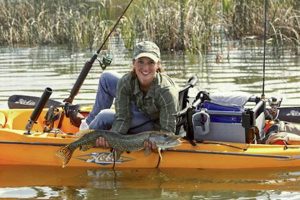
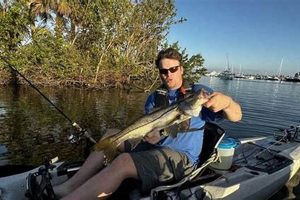
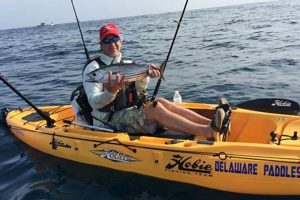
This pursuit involves angling from a small, human-powered watercraft within the sheltered waters of a specific Northern California estuary. It combines the quiet, close-to-the-water experience of paddling with the challenge and reward of catching fish. The protected environment and diverse ecosystem offer unique opportunities for anglers.
The calm waters and shallow areas of this estuary provide an ideal habitat for numerous fish species, making it an attractive location for both novice and seasoned anglers. The area’s natural beauty and abundant wildlife contribute to a rewarding experience beyond the catch. Historically, small boats have been utilized for fishing in these waters, demonstrating a long-standing connection between humans and the environment. The low-impact nature of this activity aligns with sustainable practices and minimizes disturbance to the delicate ecosystem.
Exploring specific techniques, target species, necessary equipment, and responsible practices will further illuminate the unique aspects of this popular activity.
Tips for a Successful Outing
Careful planning and preparation contribute significantly to a safe and productive fishing experience on Tomales Bay. The following tips offer valuable guidance for anglers.
Tip 1: Check Weather and Tide Charts: Wind and tidal currents can significantly impact navigation and fishing conditions. Consulting forecasts before departure is crucial for safety and success.
Tip 2: Obtain Necessary Permits and Licenses: Ensure compliance with all applicable regulations by obtaining required fishing licenses and permits before embarking on any fishing activity.
Tip 3: Prioritize Safety Equipment: A properly fitted personal flotation device (PFD) is essential, along with a signaling whistle, navigation lights, and a communication device for emergencies.
Tip 4: Choose Appropriate Gear: Select fishing rods, reels, and tackle suitable for the target species and the bay’s environment. Research recommended gear or consult local experts for guidance.
Tip 5: Practice Proper Kayak Handling: Familiarize oneself with basic paddling techniques and maneuvering skills before venturing onto the bay, especially in potentially challenging conditions.
Tip 6: Respect Wildlife and the Environment: Practice catch-and-release whenever possible, minimize disturbance to wildlife, and adhere to Leave No Trace principles to preserve the bay’s ecosystem.
Tip 7: Be Aware of Other Watercraft: Maintain awareness of other boats and vessels operating in the bay, and follow established navigation rules to ensure safe passage for all.
Adhering to these guidelines will enhance safety, maximize fishing success, and contribute to the long-term preservation of this valuable natural resource.
By following these tips and respecting the environment, anglers can contribute to the preservation of Tomales Bay for future generations while enjoying a rewarding and memorable experience.
1. Tidal Currents

Tidal currents exert a significant influence on kayak fishing within Tomales Bay. These currents, driven by the ebb and flow of tides, create dynamic water movement that affects fish behavior and impacts angling strategies. Understanding these currents is fundamental to a successful fishing experience. Incoming tides transport baitfish and other prey into shallower areas, attracting larger predatory fish seeking food. Conversely, outgoing tides can concentrate fish in channels and near drop-offs as water recedes. For instance, halibut often ambush prey along channels during an outgoing tide, presenting a prime opportunity for anglers. Similarly, leopard sharks are frequently found in the shallows during incoming tides as they forage for crustaceans and invertebrates. The strength and direction of currents also affect kayak positioning and drift fishing techniques. Anglers must consider these factors to effectively present bait or lures and maintain optimal fishing locations.
Failure to account for tidal currents can lead to inefficient fishing and potentially hazardous situations. Strong currents can make paddling challenging, especially for less experienced kayakers. Drifting into undesirable areas, such as shallow mudflats or areas with heavy boat traffic, poses safety risks and hinders fishing productivity. Utilizing a tidal chart and understanding its application to specific locations within the bay is crucial. This information empowers anglers to anticipate current changes and adapt their strategies accordingly, maximizing their chances of success while ensuring safety. Knowledge of tidal currents also allows anglers to plan their trips effectively, choosing launch sites and fishing spots based on predicted current flows.
In summary, awareness and understanding of tidal currents represent essential components of successful kayak fishing in Tomales Bay. This knowledge not only enhances fishing effectiveness by aligning angling strategies with fish behavior but also contributes to safer navigation and overall trip planning. Utilizing available resources, such as tide charts and local knowledge, allows anglers to harness the power of the tides to their advantage, leading to a more rewarding and safer fishing experience.
2. Launch Locations

Launch locations play a pivotal role in kayak fishing within Tomales Bay. Strategic selection of a launch point directly influences accessibility to desired fishing grounds, impacts overall paddling time, and affects safety considerations. The bay’s diverse shoreline, characterized by varying depths, currents, and proximity to target species habitats, necessitates careful consideration of launch site options. Launching from a location near a desired fishing spot minimizes travel time and conserves energy, allowing anglers to dedicate more time to fishing. For example, launching from Nick’s Cove provides convenient access to the shallow flats favored by halibut, while Lawson’s Landing offers proximity to deeper channels where rockfish congregate. Conversely, an improperly chosen launch location might necessitate paddling against strong currents or navigating through challenging conditions, potentially impacting safety and reducing fishing time.
Several factors influence the suitability of a launch location. Water depth at the launch site dictates the ease of kayak entry and exit. Proximity to parking and amenities, such as restrooms and bait shops, adds to logistical convenience. Prevailing wind and current conditions at the launch point and along the intended paddling route also influence the feasibility and safety of a particular launch location. For instance, launching from Marshall Beach during strong northwesterly winds can create challenging paddling conditions, particularly for less experienced kayakers. Considering these factors during the planning phase contributes significantly to a more efficient and enjoyable fishing trip.
Careful evaluation of launch locations, considering factors such as proximity to target species, water depth, wind and current conditions, and available amenities, represents a critical aspect of successful kayak fishing in Tomales Bay. Strategic launch site selection streamlines access to productive fishing areas, optimizes paddling time, and enhances overall safety, ultimately contributing to a more rewarding and efficient angling experience. Overlooking this critical element can result in unnecessary challenges and potentially compromise safety, highlighting the importance of incorporating launch location planning into pre-fishing preparations.
3. Target Species

Target species selection significantly influences angling strategies and overall success in kayak fishing within Tomales Bay. The bay’s diverse ecosystem supports a variety of fish species, each exhibiting unique behavioral patterns and habitat preferences. Understanding these characteristics informs tackle choices, fishing techniques, and location selection, ultimately maximizing the chances of a successful catch. Choosing species aligned with angler experience and desired fishing style contributes to a more rewarding experience.
- Halibut
California halibut represents a prized target species, known for its size and fighting ability. These ambush predators inhabit sandy bottom areas and channels, often camouflaging themselves to ambush prey. Anglers typically target halibut using live bait or lures presented near the bottom. Their preference for calmer waters makes kayak fishing a particularly effective approach. Drift fishing or slowly trolling along channels during appropriate tidal flows increases the likelihood of encountering halibut.
- Striped Bass
Striped bass, another popular target, patrol the bay’s shallows and edges, pursuing baitfish and crustaceans. These aggressive predators respond to a variety of lures and bait presentations. Kayak anglers often employ topwater lures, swimbaits, or live bait to entice strikes. Knowledge of striped bass migratory patterns and preferred feeding zones enhances fishing success. Targeting areas near drop-offs, rock formations, and eelgrass beds during dawn and dusk often proves fruitful.
- Rockfish
Various rockfish species inhabit the rocky reefs and deeper areas of Tomales Bay. These bottom-dwelling fish require specific techniques and heavier tackle to extract from their rocky habitats. Anglers typically use live bait or jigs presented near the bottom. Kayak fishing allows access to nearshore reefs often inaccessible to larger vessels. Understanding rockfish depth preferences and utilizing appropriate tackle, including heavier lines and robust rods, is crucial for success.
- Leopard Sharks
Leopard sharks, while not a traditional game fish, offer a unique angling opportunity within the bay. These bottom-feeding sharks inhabit sandy areas and eelgrass beds, often foraging for crustaceans and invertebrates. Anglers typically use bait such as shrimp or squid presented on the bottom. Kayak fishing offers a quiet and non-intrusive approach to targeting these sharks in their shallow-water habitats. Catch-and-release practices are crucial for conserving this species.
Targeting specific species within Tomales Bay requires an understanding of each fish’s respective behavior, habitat preferences, and optimal fishing techniques. By aligning angling strategies with these factors, kayak anglers significantly enhance their chances of success while enjoying the unique challenges and rewards that each species offers. The ability to quietly access diverse habitats further amplifies the advantages of kayak fishing in targeting the bays varied fish populations. Proper research and preparation are crucial for a successful and enjoyable fishing experience.
4. Kayak Stability
Kayak stability represents a critical factor for successful and safe kayak fishing in Tomales Bay. The bay’s dynamic environment, characterized by variable winds, currents, and tidal changes, necessitates a stable platform for casting, retrieving fish, and navigating potentially challenging conditions. Compromised stability can lead to difficulties in maintaining balance, hindering fishing effectiveness and potentially creating hazardous situations, especially when handling fish or encountering unexpected waves or wakes. A stable kayak provides anglers with the confidence and control necessary to focus on fishing rather than constantly correcting balance. This is particularly crucial during critical moments, such as hooking a large fish or navigating through choppy water caused by wind or boat traffic.
Several factors influence kayak stability. Hull design plays a significant role, with wider, flatter hulls generally offering greater initial stability. Kayak length also contributes to stability, with longer kayaks typically tracking straighter and resisting tipping. Weight distribution within the kayak further affects balance, highlighting the importance of proper gear placement and angler positioning. For example, placing heavier items lower in the kayak and distributing weight evenly enhances stability. External factors, such as wind and waves, also influence stability, necessitating angler awareness and adaptive paddling techniques. In Tomales Bay, sudden gusts of wind can create challenging conditions, particularly in exposed areas. Anglers should anticipate these conditions and adjust their paddling technique accordingly to maintain balance and control. Understanding these factors and selecting a kayak appropriate for the anticipated conditions contributes significantly to a safer and more productive fishing experience.
Ensuring adequate kayak stability is paramount for safe and effective kayak fishing in Tomales Bay. A stable platform enhances angler comfort, improves fishing efficiency, and minimizes the risk of capsizing, particularly when encountering unforeseen challenges or handling fish. Considering factors such as hull design, kayak length, weight distribution, and environmental conditions empowers anglers to choose appropriate equipment and adopt strategies that prioritize stability, ultimately leading to a more rewarding and safer fishing experience. Ignoring stability considerations can jeopardize both fishing success and personal safety, emphasizing the importance of incorporating stability assessment into pre-fishing preparations.
5. Safety Gear

Safety gear stands as a non-negotiable component of kayak fishing in Tomales Bay. The bay’s dynamic environment presents inherent risks, including fluctuating weather conditions, changing tides, and potential encounters with other vessels. These factors necessitate carrying essential safety equipment to mitigate potential hazards and ensure a safe return. Prioritizing safety gear demonstrates responsible angling practices and contributes significantly to personal well-being. For instance, an unexpected shift in wind conditions can create choppy water and increase the risk of capsizing. A readily accessible personal flotation device (PFD) becomes crucial in such situations, preventing potential drowning incidents. Similarly, carrying a communication device, such as a VHF radio or a waterproof cell phone, enables anglers to contact emergency services in case of unforeseen circumstances like a capsize or a medical emergency. A signaling whistle, another essential safety item, aids in attracting attention over long distances if assistance is required.
Beyond basic safety equipment, additional gear enhances preparedness for various contingencies. A first-aid kit equipped to handle common injuries, such as cuts, scrapes, and stings, provides immediate care in the event of an accident. Navigation tools, including a compass and charts, prove invaluable if electronic devices fail or become damaged. A bilge pump or bailer aids in removing water from the kayak in the event of a capsize or significant splashing. Carrying spare paddle and a repair kit addresses potential equipment failures. These additional precautions, while not always mandatory, demonstrate prudent planning and preparedness for a range of potential scenarios. A clear understanding of the potential hazards associated with kayak fishing in Tomales Bay informs appropriate safety gear selection. Factors such as weather forecasts, anticipated water conditions, and trip duration influence the specific equipment required for a safe and enjoyable outing. Consulting local resources, including park regulations and experienced kayak anglers, provides valuable insights into recommended safety practices and gear.
In conclusion, adequate safety gear represents a fundamental prerequisite for responsible kayak fishing in Tomales Bay. Prioritizing safety not only mitigates inherent risks but also fosters a more confident and enjoyable angling experience. Careful consideration of potential hazards and proactive preparation through appropriate safety gear selection contribute significantly to personal well-being and demonstrate a commitment to responsible angling practices within the bay’s dynamic environment. Ignoring safety precautions can have dire consequences, underscoring the inseparable link between safety gear and a successful kayak fishing experience in Tomales Bay.
Frequently Asked Questions
This section addresses common inquiries regarding kayak fishing in Tomales Bay, providing concise and informative responses to facilitate a safe and rewarding experience.
Question 1: What are the most productive areas for kayak fishing in Tomales Bay?
Productive areas vary depending on target species and tidal conditions. Channels, drop-offs, eelgrass beds, and shallow flats often hold fish. Consulting local fishing reports and tide charts can aid in identifying productive locations.
Question 2: Are there specific regulations or restrictions for kayak fishing in Tomales Bay?
Applicable fishing regulations and license requirements govern fishing activities. Regulations regarding size and catch limits for specific species apply. Consulting the California Department of Fish and Wildlife website provides detailed information.
Question 3: What type of kayak is best suited for fishing in Tomales Bay?
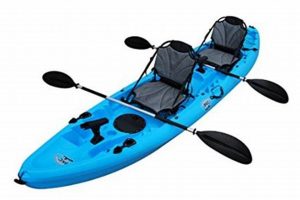
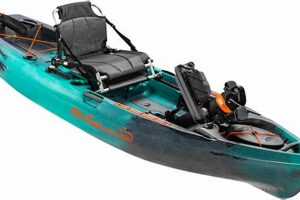
Stable kayaks, such as sit-on-top or wider sit-inside models, are generally recommended. Stability is crucial for casting, retrieving fish, and navigating varying conditions. Kayaks designed specifically for fishing often incorporate features like rod holders and storage compartments.
Question 4: What essential safety precautions should one take when kayak fishing in Tomales Bay?
Wearing a personal flotation device (PFD), carrying a communication device, and checking weather forecasts before departure are essential safety precautions. Informing someone of the intended fishing location and estimated return time enhances safety. Carrying a signaling whistle, navigation lights, and a first-aid kit further contributes to preparedness.
Question 5: What are the primary target species for kayak anglers in Tomales Bay?
Target species include halibut, striped bass, rockfish, and leopard sharks. Each species exhibits specific habitat preferences and requires tailored fishing techniques. Researching target species before embarking enhances fishing success.
Question 6: Where can one obtain kayak rentals or guided fishing tours in Tomales Bay?
Several local outfitters offer kayak rentals and guided fishing tours. Online searches and inquiries at local bait shops or marinas can provide information on available services. Guided tours often provide valuable insights into local fishing techniques and productive locations.
Careful planning, adherence to regulations, and prioritization of safety contribute significantly to a successful and enjoyable kayak fishing experience. Consulting available resources and engaging with local experts enhances preparedness and promotes responsible angling practices within Tomales Bay.
Exploring additional resources, such as online forums and local fishing communities, can provide further insights and enhance overall fishing success. Preparation and informed decision-making remain crucial for a positive experience.
Kayak Fishing Tomales Bay
Kayak fishing within Tomales Bay offers a unique blend of angling challenge and natural immersion. Successful pursuit of this activity necessitates a comprehensive understanding of several key elements. Tidal currents dictate fish behavior and influence kayak positioning, requiring careful consideration of tide charts and strategic location selection. Launch points impact accessibility to fishing grounds and overall efficiency, demanding pre-trip planning. Target species diversity requires tailored techniques and tackle selection, emphasizing the importance of pre-fishing research. Kayak stability ensures a secure platform for angling activities, influencing equipment choices based on anticipated conditions. Prioritizing safety gear, including PFDs and communication devices, remains paramount for mitigating inherent risks within the bay’s dynamic environment.
Tomales Bay’s intricate ecosystem provides a rewarding environment for those prepared to engage thoughtfully. Respect for the environment, adherence to regulations, and continuous learning contribute not only to successful angling but also to the long-term preservation of this valuable resource for future generations. An informed approach ensures a sustainable and rewarding pursuit of kayak fishing within this unique and dynamic estuarine environment.