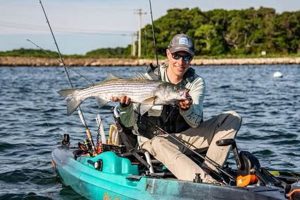
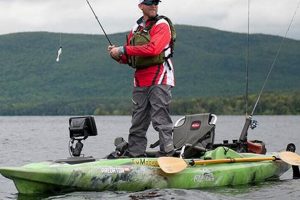
This pursuit involves angling for snapper species from a kayak. It typically employs specialized fishing gear and techniques suited to the smaller, more mobile platform, often targeting nearshore reefs, estuaries, and other snapper habitats accessible by kayak. Imagine a quiet morning on the water, casting a line near a rocky outcrop, the only sounds the gentle lapping of waves against the hull and the clicking of the reel.
The low profile of a kayak grants anglers an advantage in stealth and maneuverability, allowing access to shallow or confined areas larger boats cannot reach. This method offers a close-to-nature experience, minimizing environmental impact while maximizing the thrill of the catch. Historically, small vessels have been used for fishing in various cultures, and the modern adaptation with kayaks combines traditional fishing practices with contemporary technology and recreational interests. The physical engagement and skill involved provide a rewarding challenge for experienced anglers and a unique entry point for newcomers.
The following sections will delve into essential aspects of this specialized angling approach, exploring suitable kayak selection, recommended gear and rigging, effective techniques, and responsible fishing practices.
Tips for Snapper Fishing from a Kayak
Successful snapper fishing from a kayak requires careful planning and execution. These tips offer guidance for a productive and enjoyable experience.
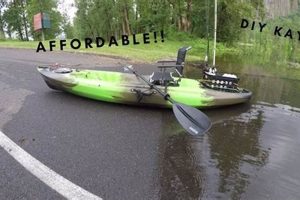
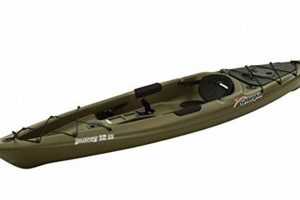
Tip 1: Choose the Right Kayak: Kayak stability and storage capacity are crucial. Wider, sit-on-top kayaks offer greater stability, while sufficient storage accommodates tackle, safety gear, and potential catches. Consider kayaks designed specifically for fishing.
Tip 2: Utilize Appropriate Tackle: Medium to medium-heavy spinning or baitcasting rods paired with reels capable of handling braided line are recommended. Braided line offers greater sensitivity and strength for battling snapper around structure.
Tip 3: Select Effective Bait and Lures: Live or fresh bait, such as shrimp, pilchards, or squid, often proves effective. Alternatively, jigs, soft plastics, and topwater lures can entice strikes, especially in active feeding periods. Match lure selection to the target species and prevailing conditions.
Tip 4: Focus on Key Locations: Snapper often congregate around reefs, wrecks, rock piles, and other underwater structures. Research potential fishing grounds and utilize fish finders to pinpoint promising areas. Tidal flow and water depth also influence snapper behavior.
Tip 5: Employ Proper Anchoring Techniques: Secure anchoring prevents drift and maintains position near chosen fishing spots. A dedicated anchor trolley system allows for adjustable anchor positioning and efficient kayak control. Practice anchoring procedures in calm conditions before venturing into challenging environments.
Tip 6: Prioritize Safety: Wear a personal flotation device (PFD) at all times. Carry a communication device, such as a VHF radio or mobile phone, in a waterproof case. Inform someone of your fishing plans, including intended location and return time. Check weather forecasts before departing and be prepared for changing conditions.
Tip 7: Practice Catch and Release Techniques: Proper handling and release practices ensure the sustainability of snapper populations. Use appropriate hooks and dehooking tools to minimize fish injury. Revive tired fish before releasing them to maximize their chances of survival.
By following these tips, anglers can increase their chances of a successful and rewarding snapper fishing experience from a kayak. Preparation and adherence to safe practices contribute significantly to overall enjoyment and conservation efforts.
The concluding section will summarize key considerations and emphasize the importance of responsible angling practices for the continued enjoyment of this unique fishing style.
1. Stable Kayak Platform

A stable kayak platform is paramount for successful kayak snapper fishing. It forms the foundation upon which all other aspects of the fishing experience rely, impacting safety, efficiency, and overall success. A stable kayak enables anglers to focus on fishing techniques and responding to fish strikes, rather than constantly battling instability. This factor becomes particularly critical when battling strong currents, navigating challenging waters, or handling active fish.
- Kayak Design and Stability
Kayak design directly influences stability. Wider hulls and sit-on-top designs generally offer greater stability compared to narrower, sit-inside models. Features such as outriggers or pontoons can further enhance stability. Selecting a kayak appropriate for anticipated fishing conditions is crucial. For example, a wider, more stable kayak is preferable in rough offshore waters, while a narrower kayak might suffice in calm estuaries. The kayak’s stability directly affects the angler’s ability to maintain balance while casting, reeling, and landing fish.
- Weight Distribution and Balance
Proper weight distribution within the kayak plays a significant role in maintaining stability. Distributing gear evenly and keeping the center of gravity low enhances stability. Avoid overloading the kayak or concentrating weight in one area. For instance, storing heavier items, such as tackle boxes and batteries, closer to the center and bottom of the kayak improves balance. Shifting body weight to counterbalance movements or external forces, such as wind gusts or waves, also contributes to stability.
- Environmental Factors and Stability
Environmental conditions, such as wind, waves, and currents, significantly influence kayak stability. Understanding and anticipating these factors is essential for maintaining balance and control. Strong winds or currents can significantly impact kayak stability, requiring adjustments in positioning and paddling technique. Fishing in sheltered areas or during calmer periods can mitigate these challenges. Awareness of weather forecasts and prevailing conditions is crucial for angler safety and successful fishing.
- Impact on Fishing Techniques
Kayak stability directly influences the angler’s ability to employ various fishing techniques effectively. A stable platform facilitates accurate casting, precise lure presentation, and effective hooksets. Fighting and landing fish becomes considerably more manageable from a stable kayak, minimizing the risk of capsizing or losing control. For instance, stand-up fishing, a technique increasingly popular for sight fishing in shallow water, requires exceptional kayak stability.
These facets of kayak stability directly influence success in kayak snapper fishing. A stable platform allows anglers to concentrate on fishing techniques, maximizing their chances of success while ensuring a safe and enjoyable experience. Consideration of these elements contributes to a more controlled and rewarding fishing outing, underscoring the critical role of stability in kayak snapper fishing.
2. Specialized Fishing Gear

Specialized fishing gear plays a crucial role in successful kayak snapper fishing. The unique demands of this angling style necessitate equipment tailored to the kayak’s limitations and the target species’ characteristics. Appropriate gear enhances effectiveness, improves safety, and maximizes the overall fishing experience. The limited space and mobility inherent in kayak fishing necessitate compact, efficient, and easily accessible equipment.
Rods and reels specifically designed for kayak fishing tend to be shorter and more robust, facilitating maneuverability within the confined cockpit space. Medium-heavy to heavy-power rods, coupled with high-capacity reels spooled with braided line, provide the strength and leverage needed to control powerful snapper near structure. Braided line’s minimal stretch enhances sensitivity, allowing anglers to detect subtle bites and maintain direct contact with the fish during the fight. For example, a 7-foot medium-heavy rod paired with a 3000-size spinning reel loaded with 30-pound braid offers a balanced setup for targeting larger snapper species.
Terminal tackle choices also significantly influence success. Fluorocarbon leader material, with its low visibility and abrasion resistance, connects the main line to the hook or lure, increasing the chances of enticing wary snapper. Strong, sharp hooks in appropriate sizes ensure secure hooksets and minimize fish loss. Weights and sinkers matched to the depth and current conditions maintain lure presentation at the desired depth. Utilizing a fish finder and GPS enhances the angler’s ability to locate productive fishing grounds and navigate safely. A rod holder secures the rod while paddling or preparing tackle, freeing the angler’s hands. Finally, a landing net with a telescoping handle assists in safely retrieving fish from the water and minimizing the risk of injury to both angler and fish.
The selection and application of specialized fishing gear directly impacts the effectiveness and enjoyment of kayak snapper fishing. Appropriate gear contributes to successful hooksets, efficient fish fighting, and safe handling of both fish and equipment within the constraints of the kayak environment. This understanding allows anglers to optimize their approach, enhancing their chances of success while promoting responsible fishing practices.
3. Nearshore Reefs/Structures
Nearshore reefs and structures represent crucial habitats for snapper species and play a pivotal role in kayak snapper fishing. These underwater formations provide shelter, foraging grounds, and breeding areas, attracting snapper and concentrating their populations. Understanding the relationship between nearshore reefs/structures and snapper behavior is essential for successful kayak angling. Snapper often congregate around these features, seeking protection from predators and utilizing the abundant food sources associated with reef ecosystems. Currents interacting with these structures create eddies and upwellings that bring nutrient-rich waters, further enhancing their attractiveness to snapper and other marine life. For example, artificial reefs, such as sunken ships or deployed concrete structures, often become thriving snapper habitats, attracting anglers seeking productive fishing grounds.
The accessibility of nearshore reefs and structures makes them ideal targets for kayak anglers. Kayaks’ shallow draft and maneuverability allow anglers to navigate close to these areas, often unreachable by larger vessels. This proximity provides a distinct advantage, enabling precise lure presentation and enhancing the chances of intercepting snapper. Knowledge of specific reef locations, depths, and surrounding bottom contours becomes paramount for effective kayak fishing. Utilizing nautical charts, GPS technology, and fish finders helps anglers pinpoint productive areas and tailor their fishing strategies accordingly. For instance, drifting a live bait along the edges of a reef during a tide change can prove highly effective, as snapper often position themselves to ambush prey carried by the current.
Successful kayak snapper fishing near reefs and structures requires a nuanced understanding of fish behavior and habitat utilization. Anglers must consider factors like tidal flow, water clarity, and prevailing weather conditions to optimize their approach. Respectful angling practices, such as avoiding anchoring directly on fragile coral formations and practicing catch and release techniques, ensure the long-term health of these vital ecosystems. By recognizing the integral connection between nearshore reefs/structures and snapper populations, kayak anglers can enhance their fishing success while contributing to the conservation of these valuable marine environments.
4. Effective Bait/Lures

Bait and lure selection significantly influences success in kayak snapper fishing. Matching offerings to the target species’ feeding preferences and prevailing environmental conditions maximizes catch rates. Understanding the characteristics and applications of various baits and lures allows anglers to make informed decisions and optimize their approach.
- Live Bait
Live bait, such as shrimp, pilchards, and small crabs, often proves highly effective for enticing snapper. These natural prey items trigger instinctive feeding responses. Presenting live bait near the bottom or along reef structures increases its appeal. Proper rigging techniques, including the use of appropriate hook sizes and weighting systems, ensure optimal presentation and increase hookup rates. For example, hooking a live shrimp through the tail allows for a natural swimming motion, attracting snapper.
- Cut Bait
Cut bait offers a convenient and readily available alternative to live bait. Chunks of fish, squid, or other seafood release enticing scents and oils that attract snapper. Cut bait is particularly effective in deeper water or when targeting larger snapper species. Deploying cut bait on a Carolina rig or fish finder rig allows for effective bottom fishing near structures. For example, fresh chunks of bonito or mackerel are popular choices for targeting larger snapper.
- Artificial Lures
Artificial lures, such as jigs, soft plastics, and plugs, provide versatility and durability. Jigs tipped with soft plastic trailers or baited with strips of cut bait imitate the appearance and movement of prey fish. Soft plastic lures, rigged weedless or on jig heads, effectively penetrate cover and entice strikes. Topwater plugs, worked across the surface, can trigger explosive surface strikes from aggressive snapper in shallow water. For instance, a brightly colored bucktail jig tipped with a shrimp-shaped soft plastic can be incredibly effective near reefs.
- Matching Bait/Lures to Conditions
Selecting the most effective bait or lure requires consideration of prevailing environmental conditions. Water clarity, current strength, depth, and temperature influence fish behavior and feeding preferences. In clear water, natural or subdued lure colors often prove more effective, while brighter colors may enhance visibility in murky conditions. Faster-moving lures can trigger strikes in strong currents, while slower presentations might be preferred in calmer waters. Matching bait or lure size to the target species also increases effectiveness. For example, smaller baits and lures might be more suitable for targeting juvenile snapper, while larger offerings are typically employed for larger specimens.
Effective bait and lure selection significantly contributes to successful kayak snapper fishing. By understanding the characteristics and applications of various bait and lure options, anglers can optimize their presentations, increase catch rates, and enhance their overall fishing experience. Adapting bait and lure choices to specific conditions and target species further refines the approach and contributes to a more rewarding outing.
5. Safety Precautions
Safety precautions constitute a critical aspect of kayak snapper fishing. The inherent risks associated with on-water activities, compounded by the specific challenges of fishing from a small vessel, necessitate meticulous attention to safety protocols. Neglecting these precautions can lead to serious consequences, ranging from minor injuries to life-threatening situations. A comprehensive understanding of potential hazards and the implementation of appropriate safety measures significantly mitigate these risks, ensuring a secure and enjoyable fishing experience. For example, an angler venturing offshore without proper safety equipment, such as a personal flotation device or communication device, significantly increases their vulnerability in the event of capsize or unforeseen emergency.
Several key safety precautions apply directly to kayak snapper fishing. Wearing a personal flotation device (PFD) at all times is paramount. A PFD provides essential buoyancy in the event of capsize or accidental overboard entry, especially crucial in open water or challenging conditions. Carrying a reliable communication device, such as a VHF radio or waterproofed mobile phone, enables anglers to contact emergency services or shore-based support if needed. Checking weather forecasts before embarking and remaining vigilant for changing conditions during the fishing trip helps avoid hazardous weather situations. Informing someone of intended fishing locations and estimated return times provides an additional layer of security. For instance, unexpected fog or rapid weather changes can disorient anglers, highlighting the importance of communication devices and established float plans. Equipping the kayak with essential safety gear, including a whistle, flares, and a first-aid kit, further enhances preparedness for unforeseen events.
Understanding and implementing these safety precautions is not merely a recommendation but a fundamental requirement for responsible kayak snapper fishing. These measures minimize risks, enhance angler confidence, and contribute to a positive and safe fishing experience. Consistent adherence to safety protocols fosters a culture of responsible angling, ensuring the well-being of individual anglers and promoting the sustainable enjoyment of this specialized fishing style. Challenges may include complacency or a tendency to underestimate potential hazards, particularly in calm or familiar waters. However, prioritizing safety remains paramount regardless of experience level or perceived risk, safeguarding anglers and preserving the enjoyment of kayak snapper fishing for years to come.
6. Catch and Release Practices

Catch and release practices represent a crucial aspect of responsible kayak snapper fishing. These techniques minimize the impact of angling on fish populations, contributing to their long-term sustainability and ensuring the continued enjoyment of the sport. Proper handling and release procedures minimize stress and injury to fish, maximizing their chances of survival upon return to the water. This approach aligns with conservation principles, promoting healthy fish populations and preserving the integrity of the marine ecosystem.
- Minimizing Air Exposure
Minimizing air exposure is essential for reducing stress and preventing damage to a fish’s gills and other sensitive organs. Keeping fish out of the water for the shortest possible duration increases their survival rates. Supporting the fish’s body weight during handling further reduces stress and prevents internal injuries. For example, using wet hands or a dampened landing net minimizes contact with the fish’s protective slime coat and reduces the risk of infection.
- Proper Hook Removal
Employing appropriate tools and techniques for hook removal reduces injury to the fish’s mouth and surrounding tissues. Using dehooking tools, such as needle-nosed pliers or specialized hook removers, allows for quick and efficient hook extraction. Cutting the line close to the hook is preferable if the hook is deeply embedded or removal would cause excessive trauma. For example, using barbless hooks or crushing the barbs on existing hooks facilitates easier removal and minimizes tissue damage.
- Reviving Exhausted Fish
Reviving exhausted fish before release increases their chances of survival. Holding the fish upright in the water, facing into the current or gently moving it back and forth, allows water to flow over its gills and replenishes oxygen levels. Continuing this process until the fish exhibits signs of recovery, such as renewed vigor and fin movement, ensures its ability to swim away strongly upon release. For example, using a specially designed fish grip minimizes handling stress and facilitates the revival process.
- Selective Harvesting
Practicing selective harvesting, targeting specific sizes or species within legal limits, further contributes to sustainable fisheries management. Adhering to local fishing regulations and catch limits ensures responsible resource utilization. Releasing larger, breeding-sized fish preserves the reproductive potential of the population. For instance, releasing larger snapper allows them to contribute to future generations, ensuring the long-term health of the fishery.
These catch and release practices constitute an integral component of ethical and sustainable kayak snapper fishing. By integrating these techniques into their angling approach, kayak anglers actively contribute to the conservation of snapper populations and ensure the long-term health of the marine environment. This commitment to responsible angling benefits both the ecosystem and future generations of anglers, safeguarding the enjoyment of kayak snapper fishing for years to come. Further, these practices can inspire other anglers to adopt similar conservation-minded approaches, amplifying the positive impact on fish populations and overall ecosystem health.
7. Respectful Resource Management
Respectful resource management forms an integral component of sustainable kayak snapper fishing. It encompasses a set of principles and practices that prioritize the long-term health and viability of fish populations and their associated ecosystems. This approach recognizes the interconnectedness of environmental factors and angling activities, promoting responsible resource utilization to ensure the continued enjoyment of the sport for future generations. Disregarding these principles can lead to detrimental consequences, including habitat degradation, declining fish stocks, and ultimately, the erosion of fishing opportunities.
- Adherence to Regulations
Adhering to established fishing regulations, including size limits, bag limits, and seasonal closures, represents a fundamental aspect of respectful resource management. These regulations are designed to protect vulnerable fish populations and maintain balanced ecosystems. Compliance ensures that fishing activities remain within sustainable boundaries. For example, observing size limits allows younger fish to reach maturity and contribute to the breeding population, while adhering to bag limits prevents overfishing and ensures equitable access to resources.
- Habitat Conservation
Protecting and preserving critical snapper habitats, such as reefs, mangroves, and seagrass beds, is crucial for maintaining healthy fish populations. Avoiding anchoring directly on fragile coral formations or disturbing seagrass beds minimizes physical damage to these vital ecosystems. Proper disposal of fishing line and other debris prevents pollution and entanglement hazards for marine life. For example, using designated anchoring areas or employing alternative anchoring methods, such as drift fishing or utilizing mooring buoys, minimizes the impact on sensitive habitats.
- Minimizing Bycatch
Employing fishing techniques and gear that minimize bycatch, the unintentional capture of non-target species, reduces unintended impacts on marine ecosystems. Using circle hooks reduces the likelihood of deep hooking and increases the chances of successful release for both target and non-target species. Proper bait and lure selection further reduces the attraction of unwanted species. For example, using larger hooks and baits when targeting larger snapper species minimizes the chances of hooking smaller, unintended fish.
- Responsible Reporting
Reporting tagged fish or unusual occurrences, such as fish kills or pollution events, provides valuable data for fisheries management and scientific research. This information contributes to a better understanding of fish populations, habitat health, and the effectiveness of conservation measures. Participating in citizen science initiatives or reporting observations to relevant authorities enhances the collective knowledge base and strengthens collaborative resource management efforts. For example, reporting tagged fish allows researchers to track fish movements, estimate population sizes, and assess the effectiveness of management strategies.
These facets of respectful resource management are interconnected and contribute collectively to the long-term health and sustainability of snapper fisheries. Kayak anglers, by embracing these principles and incorporating them into their fishing practices, become active stewards of the marine environment. This commitment not only ensures the continued enjoyment of kayak snapper fishing but also preserves these valuable resources for future generations. Ultimately, respectful resource management fosters a deeper connection between anglers and the environment, promoting a sense of responsibility and shared ownership in the preservation of these natural treasures.
Frequently Asked Questions
This section addresses common inquiries regarding kayak snapper fishing, providing concise and informative responses to enhance understanding and promote safe and responsible angling practices.
Question 1: What type of kayak is best suited for snapper fishing?
Stable platforms, such as wider sit-on-top kayaks designed for fishing, are generally recommended. Features like rod holders, tackle storage, and anchor trolley systems enhance functionality.
Question 2: What essential gear is required?
Essential gear includes a medium-heavy to heavy-power fishing rod, a suitable reel spooled with braided line, appropriate terminal tackle (hooks, leaders, weights), and safety equipment (PFD, communication device). A fish finder and GPS can also prove beneficial.
Question 3: Where are snapper typically found?
Snapper often inhabit nearshore reefs, wrecks, rock piles, and other underwater structures. Researching local fishing charts and utilizing fish finders assists in locating these areas.
Question 4: What baits and lures are effective for snapper?
Effective baits include live shrimp, pilchards, and squid. Artificial lures such as jigs, soft plastics, and plugs can also entice strikes. Bait and lure selection should be tailored to target species and prevailing conditions.
Question 5: What safety precautions should be taken?
Always wear a PFD, carry a communication device, inform someone of fishing plans, check weather forecasts, and equip the kayak with essential safety gear.
Question 6: How can anglers contribute to conservation?
Practicing catch and release techniques, adhering to fishing regulations, minimizing habitat disturbance, and properly disposing of fishing line contribute to conservation efforts.
Careful consideration of these frequently asked questions enhances preparedness and contributes to a safer and more productive kayak snapper fishing experience. Prioritizing safety and adhering to responsible angling practices ensures the long-term sustainability of this rewarding pursuit.
The following section offers concluding remarks on kayak snapper fishing.
Kayak Snapper Fishing
Kayak snapper fishing presents a unique angling challenge, demanding specialized knowledge, adept boat handling, and a respect for the marine environment. This pursuit blends the thrill of the catch with the tranquility of nature, offering a rewarding experience for those willing to embrace its intricacies. From selecting appropriate gear and understanding fish behavior to prioritizing safety and practicing conservation, each element contributes to a successful and sustainable angling approach. The ability to access shallow, nearshore habitats, often inaccessible to larger vessels, distinguishes this method, providing anglers with an intimate connection to the aquatic world. Successful outcomes necessitate careful planning, informed decision-making, and an unwavering commitment to responsible angling practices.
The future of kayak snapper fishing hinges on the continued stewardship of both anglers and governing bodies. Protecting fragile ecosystems, adhering to sustainable fishing practices, and fostering a culture of conservation ensure the preservation of this unique angling pursuit for generations to come. The challenge lies not merely in catching fish, but in understanding the delicate balance within these aquatic environments and actively contributing to their preservation. Ultimately, the pursuit of kayak snapper fishing represents more than just a recreational activity; it embodies a commitment to responsible resource management and a deep respect for the natural world.