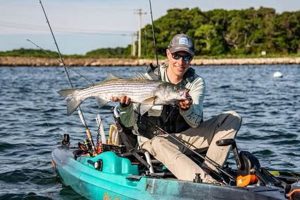
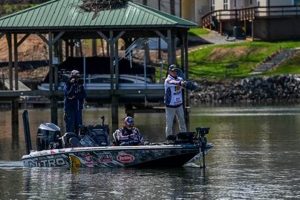
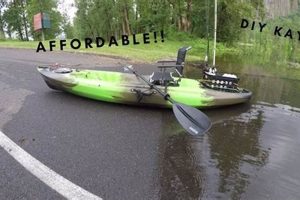
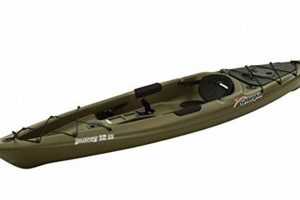
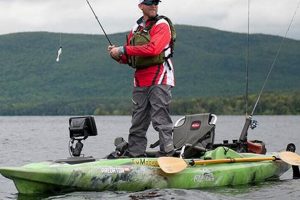
Specialized kayaks designed for angling in American waters offer enhanced stability, specialized storage for rods and tackle, and often features like rod holders, live wells, and anchor trolleys. These vessels cater to diverse fishing styles, from freshwater lakes and rivers to coastal saltwater environments.
The popularity of kayak fishing within the United States stems from its affordability, accessibility, and eco-friendly nature. It allows anglers to explore shallow waters and hard-to-reach fishing spots inaccessible to larger boats. This specialized equipment also provides a unique and close-to-nature angling experience, contributing to the growth of recreational fishing nationwide.
Further exploration of this topic will delve into specific kayak types, popular fishing locations across the country, essential gear and safety considerations, and the burgeoning community surrounding this popular pastime.
Essential Tips for Kayak Fishing
Preparation and awareness are crucial for a successful and safe kayak fishing experience. These tips offer guidance for both novice and experienced anglers.
Tip 1: Choose the Right Kayak: Kayak selection should consider the intended fishing environment (calm lakes, rivers, or open ocean) and individual angler needs. Longer kayaks offer speed and tracking for open water, while shorter, wider kayaks provide stability for river fishing or stand-up casting.
Tip 2: Prioritize Safety Equipment: A personal flotation device (PFD) is paramount. A whistle, signaling mirror, and waterproof communication device are also recommended, particularly in remote locations. Check local regulations for required safety gear.
Tip 3: Plan and Research Fishing Locations: Thorough research of potential fishing spots identifies suitable access points, water conditions, and species presence. Awareness of tides, currents, and weather forecasts is essential for safe navigation.
Tip 4: Organize and Secure Gear: Efficient storage and readily accessible tackle contribute to a productive fishing experience. Dry bags protect electronics and personal items, while rod holders and tackle boxes maintain order within the kayak.
Tip 5: Practice Paddling and Maneuvering: Confidence in handling the kayak in various conditions is crucial. Practice paddling techniques, turning maneuvers, and self-rescue procedures before venturing into challenging waters.
Tip 6: Respect Wildlife and the Environment: Adhere to “catch and release” practices where appropriate. Dispose of fishing line and other waste responsibly to preserve aquatic ecosystems.
Tip 7: Dress Appropriately for the Conditions: Layered clothing allows for adaptation to changing weather. Consider sun protection, rain gear, and appropriate footwear for wet environments.
Adherence to these guidelines enhances both safety and enjoyment while kayak fishing. Careful planning and responsible practices contribute to a positive experience on the water.
By following these tips, anglers can maximize their chances of success and ensure a memorable fishing trip.
1. Kayak Selection

Kayak selection is paramount within the context of fishing kayak use in the United States. The diverse range of American fishing environments, from calm lakes and rivers to challenging coastal waters, necessitates careful consideration of kayak design and features. Choosing an appropriate kayak directly influences stability, maneuverability, and overall fishing success. A sit-on-top kayak, for instance, offers enhanced stability and ease of re-entry in warmer climates, beneficial for inshore saltwater fishing. Conversely, a sit-inside kayak provides greater protection from colder water and wind, making it suitable for northern lakes and rivers. Matching kayak design to the specific fishing environment is crucial for both safety and effective angling.
Further, kayak features play a significant role in optimizing fishing experiences. Dedicated fishing kayaks often incorporate rod holders, tackle storage compartments, and anchor trolleys. These features enhance angler efficiency and organization, allowing for a more streamlined and productive fishing trip. For example, an angler targeting largemouth bass in a weedy lake might prioritize a kayak with a stand-up platform for sight fishing, while an angler pursuing offshore species would benefit from a kayak with enhanced tracking and storage capacity for larger tackle. The selection process, therefore, requires a careful assessment of individual fishing styles and target species.
Ultimately, informed kayak selection significantly contributes to a successful and enjoyable fishing experience in the United States. Understanding the interplay between kayak design, features, and the intended fishing environment allows anglers to optimize their time on the water. Careful consideration of these factors ultimately empowers anglers to pursue their passion effectively and safely across the diverse aquatic landscapes of the nation.
2. Safety Gear

Safety gear is paramount for kayak fishing in the United States, ensuring angler well-being and fostering responsible enjoyment of the sport. Navigating diverse water conditions, from calm lakes to open ocean, necessitates comprehensive safety measures. Understanding and utilizing appropriate safety equipment contributes significantly to mitigating risks and promoting a safe and successful fishing experience.
- Personal Flotation Device (PFD)
A properly fitted PFD is non-negotiable. It provides essential buoyancy in case of capsizing or accidental immersion, potentially lifesaving, especially in cold water or challenging conditions. Selecting a PFD designed for paddling allows for comfortable movement while casting and reeling.
- Signaling Devices
Visual and auditory signaling devices are crucial for attracting attention in emergencies. A whistle can be heard over long distances, while a signaling mirror reflects sunlight to alert distant boats or rescuers. Carrying a waterproof VHF radio allows direct communication with the Coast Guard and other boaters, essential for timely assistance.
- Navigation and Communication Tools
A waterproof GPS device or chart plotter aids navigation, especially in unfamiliar waters or foggy conditions. A charged mobile phone in a waterproof case provides backup communication, although cellular coverage can be unreliable in remote areas. Carrying a compass and nautical charts provides traditional navigation backup in case of electronic failure.
- Safety Accessories
Additional safety accessories contribute to overall preparedness. A first-aid kit addresses minor injuries, while a bilge pump or bailing device removes water from the kayak. Carrying a knife or multi-tool assists with line entanglement or other unforeseen situations. A throw bag provides a flotation aid for self-rescue or assisting others in the water.
Prioritizing and consistently utilizing appropriate safety gear elevates kayak fishing in the United States from a recreational pastime to a responsible and safe pursuit. Comprehensive preparation mitigates potential risks, allowing anglers to confidently explore diverse waters and fully appreciate the enriching experience of kayak fishing across the nation. Combining these safety measures with knowledge of water conditions and responsible paddling practices ensures enjoyable and safe angling experiences.
3. Location Research

Effective location research is fundamental to successful kayak fishing within the United States. Understanding the characteristics of potential fishing spots, including water conditions, access points, and species presence, directly influences angling outcomes. Thorough research enables informed decisions, maximizing fishing success while prioritizing safety and minimizing environmental impact.
- Water Conditions
Evaluating water conditions, such as current speed, depth, and clarity, informs kayak selection and fishing strategy. For example, strong currents necessitate a kayak with excellent tracking, while shallow, clear water allows for sight fishing from a stable platform. Understanding tidal fluctuations in coastal areas is crucial for navigating shallows and optimizing fishing times. Accessing real-time data from buoys or online resources provides critical insights into prevailing conditions.
- Access Points
Identifying suitable launch sites and access points simplifies logistical planning and ensures safe entry and exit. Public boat ramps, designated kayak launches, or accessible shorelines offer convenient entry points. Researching parking availability, fees, and local regulations streamlines the pre-fishing process. Utilizing online maps and satellite imagery aids in visualizing potential access points and their proximity to target fishing areas.
- Species Presence
Understanding the distribution and behavior of target species enhances fishing success. Researching local fish populations, seasonal migrations, and preferred habitats informs bait selection and fishing techniques. Consulting local fishing reports, online forums, or contacting local bait shops provides valuable insights into current fishing patterns. This knowledge allows anglers to target specific species effectively within their chosen location.
- Regulations and Restrictions
Awareness of local fishing regulations, including licensing requirements, catch limits, and prohibited areas, ensures legal compliance. Researching specific regulations for the intended fishing location prevents unintentional violations and contributes to sustainable fishing practices. Accessing state-specific fishing regulations online or contacting local authorities clarifies legal requirements, promoting responsible angling within the United States.
Thorough location research empowers kayak anglers in the United States to make informed decisions that optimize fishing success, prioritize safety, and minimize environmental impact. By understanding water conditions, access points, species presence, and local regulations, anglers can confidently explore diverse fishing locations across the country, contributing to a positive and rewarding experience on the water.
4. Gear Organization
Efficient gear organization is crucial for successful kayak fishing in the United States. Limited space within a kayak necessitates strategic arrangement of essential equipment, maximizing accessibility while maintaining stability and maneuverability. Organized gear streamlines fishing processes, reduces clutter, and enhances overall safety and enjoyment on the water. The following facets highlight key components of effective gear organization for kayak angling.
- Accessibility and Placement
Strategic placement of frequently used items, such as rods, reels, tackle boxes, and pliers, within easy reach minimizes disruptive movements and maximizes fishing time. Utilizing readily accessible storage compartments, including deck-mounted pouches and tank wells, keeps essential gear within arm’s reach while maintaining a balanced kayak. Positioning less frequently used items in rear storage compartments preserves valuable deck space and maintains stability.
- Tackle Management Systems
Employing tackle management systems, such as specialized tackle boxes, lure organizers, and leader spools, maintains order and efficiency. Categorizing lures by type, size, or color streamlines lure selection and minimizes time spent searching for specific items. Labeling compartments and utilizing clear containers enhances visibility, further expediting the tackle retrieval process. These systems contribute to a clutter-free and productive fishing environment.
- Rod and Reel Security
Securely storing rods and reels prevents damage and entanglement during transit and while fishing. Utilizing rod holders, either flush-mounted or adjustable, keeps rods organized and readily accessible while minimizing the risk of breakage. Securing reels with straps or covers protects them from impacts and saltwater corrosion. These measures preserve valuable equipment and contribute to an efficient fishing setup.
- Dry Storage and Waterproofing
Protecting essential items from water damage is paramount, particularly in the dynamic environment of kayak fishing. Utilizing dry bags or waterproof containers safeguards electronics, communication devices, first-aid kits, and personal items from splashes, rain, or accidental immersion. Properly sealed compartments prevent water intrusion, preserving essential gear functionality and enhancing overall safety.
Effective gear organization transforms kayak fishing from a potentially cumbersome experience into a streamlined and efficient pursuit. Strategic placement, dedicated tackle management systems, secure rod storage, and waterproofing measures optimize limited kayak space, enhance angler efficiency, and contribute significantly to a safe, productive, and enjoyable fishing experience across the diverse waters of the United States.
5. Responsible Practices

Responsible practices are integral to the sustainability and continued enjoyment of kayak fishing within the United States. These practices encompass ethical angling, environmental stewardship, and respect for other water users. Adhering to these principles ensures the preservation of aquatic ecosystems and promotes harmonious coexistence between anglers, wildlife, and the environment. The following facets highlight key components of responsible practices within the context of kayak fishing.
- Catch and Release
Practicing catch and release minimizes the impact of fishing on fish populations. Proper handling techniques, including minimizing air exposure and using barbless hooks, reduce stress and injury to released fish. Quickly returning fish to the water minimizes their time out of their natural environment, promoting their survival and contributing to healthy fish stocks. This practice is especially crucial for species with vulnerable populations or in areas with high fishing pressure.
- Leave No Trace
Adhering to Leave No Trace principles minimizes environmental impact. Properly disposing of fishing line, hooks, and other waste prevents entanglement of wildlife and pollution of waterways. Avoiding disturbing vegetation and wildlife habitats preserves the natural integrity of the environment. Packing out all trash and leaving the fishing area cleaner than it was found contributes to a pristine environment for both wildlife and future anglers.
- Respect Wildlife and Habitats
Observing wildlife from a respectful distance minimizes disturbance and stress. Avoiding close approaches to nesting birds or other sensitive wildlife protects their natural behaviors and breeding success. Refraining from harassing or feeding wildlife contributes to their long-term well-being and preserves the natural balance of the ecosystem. Respectful observation enhances the kayak fishing experience by fostering appreciation for the natural world.
- Kayak Fishing Etiquette
Respecting other water users enhances the overall recreational experience. Maintaining a safe distance from other boaters and anglers minimizes interference and potential collisions. Avoiding excessive noise or disruptive behavior contributes to a peaceful environment for everyone. Yielding right-of-way to motorized vessels and adhering to designated boating channels promotes safety and harmonious coexistence on shared waterways.
Responsible practices are essential for the long-term health of aquatic ecosystems and the continued enjoyment of kayak fishing in the United States. By embracing catch and release, Leave No Trace principles, respectful wildlife observation, and proper kayaking etiquette, anglers contribute to the sustainability of the sport and the preservation of natural resources for future generations. These practices elevate kayak fishing from a recreational activity to a responsible and enriching engagement with the natural world.
Frequently Asked Questions about Kayak Fishing in the US
This section addresses common inquiries regarding kayak fishing in the United States, providing concise and informative responses to facilitate informed decision-making and enhance understanding of the activity.
Question 1: What type of kayak is best suited for fishing?
Kayak selection depends on individual needs and the intended fishing environment. Sit-on-top kayaks offer stability and ease of re-entry, ideal for warmer climates and calm waters. Sit-inside kayaks provide better protection from the elements, suitable for colder conditions or rougher waters. Specialized fishing kayaks often feature built-in rod holders, storage compartments, and other angler-specific amenities.
Question 2: What essential safety gear is recommended?
A personal flotation device (PFD) is paramount. A whistle, signaling mirror, and waterproof communication device are also recommended, especially in remote locations. A first-aid kit, bilge pump or bailer, and knife or multi-tool are also valuable safety additions. Adherence to local regulations regarding required safety equipment is essential.
Question 3: Where can one find information about fishing regulations and licensing requirements?
State-specific fishing regulations and licensing information can typically be found on the websites of state wildlife agencies or departments of natural resources. Local bait and tackle shops can also provide valuable insights into current regulations and licensing procedures.
Question 4: How does one choose a suitable fishing location?
Researching potential fishing spots online, consulting local fishing reports, and contacting local bait shops can provide valuable information about species presence, water conditions, and access points. Consider factors such as water depth, current, clarity, and the presence of suitable habitat for target species.
Question 5: What are the basic techniques for kayak fishing?
Basic techniques include paddling and maneuvering the kayak effectively, casting and retrieving lures or bait, and properly handling and releasing fish. Learning to anchor or position the kayak in desired locations and understanding basic knot tying are also essential skills.
Question 6: What are the benefits of kayak fishing?
Kayak fishing offers affordability, accessibility, and a close-to-nature experience. It allows anglers to explore shallow waters and hard-to-reach areas inaccessible to larger boats, providing a unique and rewarding perspective on the sport of fishing.
Understanding these fundamental aspects of kayak fishing promotes safe and enjoyable experiences on the water. Further research and practice enhance angling proficiency and contribute to responsible engagement with the environment.
For those seeking a deeper understanding, the following sections provide comprehensive details on specific aspects of kayak fishing.
Conclusion
Exploration of the specialized equipment exemplified by the term “fishing kayak USA” reveals the multifaceted nature of this increasingly popular pursuit. Careful selection of appropriate watercraft, prioritization of safety measures, and thorough research of fishing locations contribute significantly to successful angling experiences. Effective gear organization and adherence to responsible fishing practices further enhance enjoyment while ensuring the sustainability of aquatic ecosystems. Understanding these interconnected elements empowers anglers to maximize their time on the water, contributing to a positive and rewarding engagement with the natural environment.
The continued growth and evolution of kayak fishing within the United States underscore the importance of informed participation and responsible stewardship. As more individuals embrace this accessible and engaging form of angling, promoting awareness of best practices and environmental considerations becomes increasingly critical. The future of kayak fishing hinges on the collective commitment to preserving the delicate balance between recreational enjoyment and the long-term health of aquatic resources.