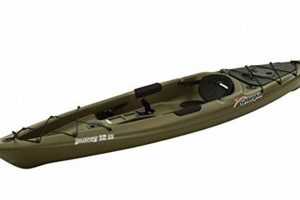
Closed-cockpit kayaks designed for angling offer a unique blend of stability and protection from the elements. These vessels typically feature specialized storage compartments for tackle and gear, along with integrated rod holders and other fishing-specific modifications. A common example is a sit-inside kayak with a smaller cockpit opening, similar to a traditional recreational kayak, but optimized for fishing activities.
This style of kayak provides anglers with enhanced security in various water conditions, reducing the risk of capsizing and allowing for longer excursions. The enclosed design also offers protection from splashes, spray, and inclement weather, contributing to a more comfortable and enjoyable fishing experience. While the origins of kayak fishing can be traced back centuries, the development and refinement of specialized closed-cockpit designs for this purpose is a relatively recent innovation, reflecting the growing popularity of the sport.
Further exploration of this topic will cover key aspects such as choosing the right model, essential safety equipment, effective fishing techniques from these platforms, and popular destinations for this activity.
Tips for Closed-Cockpit Kayak Fishing
Careful planning and preparation contribute significantly to a successful and enjoyable closed-cockpit kayak fishing experience. The following tips offer guidance for both novice and experienced anglers.
Tip 1: Prioritize Stability and Comfort: Kayak selection should prioritize stability, especially for less experienced paddlers. A wider hull generally provides greater stability. Ensure adequate cockpit space for comfort during longer trips.
Tip 2: Organize and Secure Gear: Utilize designated storage compartments and secure all equipment, including rods, reels, tackle boxes, and safety gear, to prevent shifting during movement and potential capsizing. Waterproof bags offer additional protection for electronics and other sensitive items.
Tip 3: Practice Essential Paddling Techniques: Mastering basic paddling strokes and maneuvering techniques enhances efficiency and control on the water. Practice in calm conditions before venturing into more challenging environments.
Tip 4: Understand Water Conditions and Weather Forecasts: Check weather forecasts and tide charts before embarking on any fishing trip. Avoid strong winds, currents, and storms. Be aware of potential hazards such as submerged obstacles and shallow areas.
Tip 5: Emphasize Safety Precautions: Always wear a personal flotation device (PFD). Carry a whistle, signaling device, and communication equipment. Inform someone of planned fishing locations and estimated return times.
Tip 6: Respect Wildlife and the Environment: Adhere to catch and release guidelines whenever possible. Dispose of fishing line and other waste responsibly. Minimize disturbance to wildlife and natural habitats.
Tip 7: Consider Specialized Accessories: Explore accessories such as anchor trolleys, fish finders, and rod holders designed specifically for kayak fishing to enhance efficiency and enjoyment on the water.
Adherence to these guidelines contributes significantly to angler safety and promotes responsible enjoyment of the sport. Planning and mindful preparation enable a more rewarding closed-cockpit kayak fishing experience.
These practical tips offer valuable insights for maximizing success and safety on the water. Applying this knowledge will lead to a more fulfilling and enjoyable fishing experience.
1. Stable Platform

Stability forms the foundation of successful closed-cockpit kayak fishing. A secure and balanced platform enables anglers to focus on fishing techniques, maneuvering, and safety, crucial factors contributing to a positive experience. The following facets explore the crucial role of stability in this specialized form of angling.
- Hull Design and Stability:
Hull design significantly influences kayak stability. Wider hulls generally offer greater primary stability (resistance to initial tipping), while longer, narrower hulls often provide better secondary stability (resistance to capsizing once tipped). Closed-cockpit kayaks intended for fishing frequently incorporate design features that enhance stability, such as wider beams and flatter bottoms. These features allow anglers to cast, retrieve, and land fish without compromising balance, a critical consideration in dynamic fishing situations.
- Center of Gravity and Balance:
Maintaining a low center of gravity enhances stability. Distributing weight evenly within the kayak’s hull minimizes the risk of tipping. Proper seating position and secure gear storage contribute significantly to overall balance. Shifting body weight during casting or landing a fish can impact stability; therefore, anglers must be mindful of their movements and maintain a balanced posture throughout the fishing experience.
- Water Conditions and Stability:
Calm water conditions generally provide optimal stability. Wind, currents, and waves can significantly impact kayak balance, requiring increased vigilance and skillful maneuvering. Anglers should assess water conditions before embarking on a fishing trip and exercise caution in challenging environments. Understanding the influence of external forces on kayak stability is essential for safe and effective fishing.
- Stability and Angling Techniques:
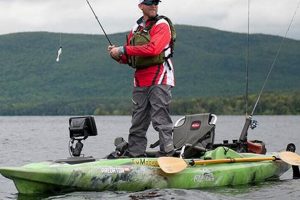
A stable platform enables the execution of various angling techniques effectively. Standing to cast or sight fish becomes feasible in specific kayak designs built for enhanced stability, expanding fishing possibilities. Secure footing while fighting a fish prevents accidental capsizing. The stability inherent in a well-designed closed-cockpit kayak contributes directly to angler success and enjoyment on the water.
The stability offered by a closed-cockpit kayak designed for fishing is paramount for safety, effective angling, and overall enjoyment. Understanding the contributing factors to stability and their interrelationships allows anglers to choose appropriate vessels, optimize their techniques, and enjoy a more confident and rewarding experience on the water. This emphasis on stability enhances not only fishing success but also overall safety, allowing anglers to focus on the nuances of fishing rather than precarious balancing acts.
2. Gear Organization

Effective gear organization is paramount in closed-cockpit kayak fishing, directly impacting safety, efficiency, and overall fishing success. The limited space within these kayaks necessitates a systematic approach to storage and accessibility. A well-organized system minimizes clutter, prevents entanglement, and ensures essential equipment is readily available when needed. For example, strategically placing frequently used lures within easy reach reduces time spent rummaging through tackle boxes, maximizing fishing time and minimizing disruption. Conversely, poorly organized gear can create hazardous situations, potentially leading to entanglement with fishing lines or obstructing access to safety equipment. The practical application of sound organizational principles contributes significantly to a safe and productive fishing experience.
Several factors contribute to effective gear organization in closed-cockpit kayaks. Utilizing specialized storage solutions designed for kayak fishing, such as tackle boxes, rod holders, and dry bags, optimizes space utilization and protects equipment from water damage. Prioritizing essential gear and minimizing unnecessary items reduces clutter and weight. Securing equipment to prevent shifting during paddling or unexpected movements enhances stability and safety. A clear understanding of the specific fishing environment and target species informs gear selection and placement. For instance, a kayak angler targeting bass in a heavily vegetated area would prioritize weedless lures and heavier line, organizing them for quick access. This tailored approach to gear organization contributes to efficiency and preparedness on the water.
In summary, methodical gear organization is not merely a matter of convenience but a crucial element of safe and successful closed-cockpit kayak fishing. It enables anglers to focus on the task at hand, maximizing fishing time and minimizing potential hazards. A systematic approach to gear storage and accessibility contributes significantly to a more enjoyable and productive experience on the water. Challenges such as limited space and the dynamic nature of the kayak fishing environment underscore the practical significance of efficient gear organization within these specialized vessels.
3. Weather Awareness

Weather awareness is paramount in closed-cockpit kayak fishing, directly impacting safety and trip success. Unpredictable weather changes can create hazardous conditions on the water, especially for smaller vessels. Understanding weather patterns, interpreting forecasts, and making informed decisions based on real-time conditions are crucial skills for kayak anglers. Neglecting weather awareness can lead to dangerous situations, underscoring its importance in pre-trip planning and on-the-water decision-making.
- Pre-Trip Planning and Forecasting:
Consulting detailed marine weather forecasts before embarking on a fishing trip is crucial. These forecasts provide information on wind speed and direction, wave height, precipitation, and temperature, enabling anglers to anticipate potential challenges and make informed decisions about launch locations and trip duration. For example, strong winds can significantly impact kayak control, making paddling difficult and potentially hazardous, especially in exposed areas. Checking forecasts allows anglers to postpone or modify trips based on anticipated conditions, prioritizing safety and maximizing fishing opportunities.
- Real-Time Observation and Adaptation:
Continuous observation of weather conditions during the fishing trip is essential. Weather patterns can change rapidly, and relying solely on pre-trip forecasts can be insufficient. Monitoring sky conditions, wind shifts, and wave patterns allows anglers to adapt to changing circumstances. For instance, observing approaching storm clouds or a sudden increase in wind speed signals the need to seek shelter or return to shore promptly. Real-time adaptation based on observed conditions is critical for maintaining safety on the water.
- Wind and Current Considerations:
Wind and currents significantly affect kayak handling and navigation. Strong winds can create challenging paddling conditions, pushing kayaks off course and making progress difficult. Currents, especially in tidal areas, can also impact kayak positioning and require adjustments to paddling techniques. Understanding the combined effects of wind and current is crucial for maintaining control and navigating safely. For example, paddling against a strong headwind and outgoing tide can be extremely strenuous and potentially dangerous, requiring careful planning and execution.
- Cold Water and Hypothermia Risks:
Cold water poses significant risks to kayak anglers, especially in the event of capsizing. Hypothermia can develop rapidly in cold water, even in relatively mild air temperatures. Wearing appropriate clothing, including a personal flotation device (PFD) and insulating layers, is essential for mitigating these risks. Understanding the symptoms of hypothermia and taking preventative measures are vital for ensuring safety in colder environments. For example, wearing a dry suit or wetsuit in cold water conditions provides essential insulation and increases survival time in the event of immersion.
In conclusion, weather awareness is an integral component of safe and successful closed-cockpit kayak fishing. Diligent pre-trip planning, real-time observation, and a thorough understanding of weather’s impact on kayak handling are crucial for minimizing risks and maximizing enjoyment on the water. Applying these principles enables informed decision-making, enhances safety, and allows anglers to focus on the pleasures of fishing, fostering a more positive and rewarding experience. Ignoring these critical considerations can lead to hazardous situations, jeopardizing angler safety and potentially compromising trip success.

Proficient navigation is essential for safe and successful closed-cockpit kayak fishing. These vessels, while offering stability and protection, require precise maneuvering in diverse aquatic environments. Effective navigation minimizes risks, maximizes fishing time, and contributes to a more rewarding experience. Understanding navigational principles allows anglers to plan efficient routes, reach desired fishing locations, and return safely, particularly crucial in unfamiliar waters or changing conditions. For example, accurately interpreting nautical charts and utilizing compass bearings allows anglers to navigate precisely to offshore reefs or submerged structures, prime fishing locations often inaccessible without reliable navigational skills. Conversely, inadequate navigation can lead to disorientation, missed opportunities, and potentially hazardous situations, especially in challenging conditions such as fog or strong currents. The importance of navigation in closed-cockpit kayak fishing cannot be overstated, impacting both safety and fishing success.
Several factors contribute to effective kayak navigation. Chart reading, compass use, and GPS technology provide essential tools for route planning and position awareness. Understanding tidal flows, currents, and wind effects on kayak movement enables informed decision-making and efficient maneuvering. Visual navigation, utilizing landmarks and shoreline features, supplements electronic aids and enhances situational awareness. Familiarity with local regulations, navigational hazards, and emergency procedures further contributes to safe and responsible kayak operation. For instance, recognizing channel markers and understanding their significance helps anglers navigate safely within marked waterways, avoiding grounding or collisions. Practical application of these navigational principles enhances angler confidence and promotes responsible use of the aquatic environment.
In summary, proficient navigation is an integral aspect of closed-cockpit kayak fishing, influencing both safety and success on the water. A comprehensive understanding of navigational tools, techniques, and environmental factors empowers anglers to explore diverse fishing locations efficiently and safely. This skill set minimizes risks, optimizes fishing time, and contributes to a more rewarding and responsible angling experience. The ability to navigate effectively empowers anglers to explore new fishing grounds, confidently return to familiar locations, and respond effectively to changing conditions, enhancing both the safety and enjoyment of closed-cockpit kayak fishing.
5. Safety Equipment

Safety equipment is paramount in closed-cockpit kayak fishing, mitigating risks inherent in the sport. The confined nature of these kayaks necessitates specific safety considerations, emphasizing the importance of appropriate gear and preparedness. Understanding and utilizing essential safety equipment contributes significantly to angler well-being and a positive on-the-water experience. Neglecting these precautions can have severe consequences, underscoring the critical role of safety equipment in responsible kayak fishing.
- Personal Flotation Devices (PFDs):
A properly fitted PFD is the most crucial piece of safety equipment for any kayak angler. It provides essential buoyancy in the event of capsizing, increasing survival chances in various water conditions. PFDs designed specifically for kayaking offer greater comfort and mobility compared to standard life vests. Regularly inspecting PFDs for wear and tear and ensuring proper fit are essential practices. For example, an angler fishing in cold water should consider a PFD with enhanced insulation for added protection against hypothermia.
- Signaling and Communication Devices:
Carrying signaling and communication devices enhances safety by enabling anglers to call for assistance in emergencies. A whistle, waterproof flashlight, and mirror can signal distress to nearby boaters or rescuers. A VHF radio provides direct communication with the Coast Guard and other vessels, crucial for reporting emergencies or requesting assistance in remote locations. Mobile phones, while useful, may have limited reception in some areas, highlighting the importance of dedicated marine communication equipment. For example, a kayak angler experiencing mechanical issues miles offshore can use a VHF radio to contact the Coast Guard for assistance.
- Navigation and Safety Aids:
Navigation aids, including a compass, GPS device, and nautical charts, are essential for maintaining orientation and avoiding hazards. These tools help anglers navigate in unfamiliar waters, track their position, and plan safe return routes. Carrying a first-aid kit equipped to address common injuries and ailments provides immediate care for minor incidents. A bilge pump or bailer allows for quick removal of water from the kayak’s cockpit in the event of swamping or capsizing. For example, knowing how to use a compass and chart can help an angler navigate safely through fog or poor visibility.
- Protective Gear and Clothing:
Appropriate clothing protects against the elements and potential hazards. Wearing a wetsuit or drysuit in cold water conditions provides insulation and increases survival time in the event of immersion. Protective eyewear shields against glare and potential impacts from hooks or debris. Wearing a hat and sunscreen protects against sun exposure, reducing the risk of sunburn and long-term skin damage. Footwear designed for water sports provides grip and protection while wading or launching the kayak. For example, an angler fishing in strong sunlight should wear polarized sunglasses to reduce glare and improve visibility beneath the water’s surface.
The comprehensive use of safety equipment forms a critical foundation for responsible closed-cockpit kayak fishing. These precautions mitigate inherent risks, allowing anglers to focus on the enjoyment and rewards of the sport. Prioritizing safety through the proper selection, maintenance, and utilization of essential equipment enhances not only angler well-being but also promotes responsible engagement with the aquatic environment. The interplay of these safety elements significantly impacts the overall fishing experience, contributing to a safer and more rewarding time on the water.
6. Fishing Techniques
Specialized fishing techniques enhance angling success within the unique constraints and opportunities presented by closed-cockpit kayaks. These techniques adapt traditional methods to the kayak’s stability characteristics, maneuverability, and close proximity to the water. Effective kayak fishing often requires modifications in casting, retrieval, and fish-fighting strategies to accommodate the angler’s seated position and the kayak’s responsiveness to movement. Understanding these specialized techniques allows for greater efficiency, minimizes disruptions, and maximizes catch potential within this specialized fishing platform.
- Casting Modifications:
Casting from a seated position in a closed-cockpit kayak requires adjustments to traditional casting techniques. Anglers often employ underhand or sidearm casts to avoid overhead obstructions and maintain balance. Shorter rods and specialized kayak fishing reels facilitate precise casts in confined spaces. Practicing these modified casting techniques enhances accuracy and minimizes the risk of entanglement or line tangles, crucial for efficient fishing from a kayak.
- Drift Fishing and Controlled Movement:
Kayaks offer unique advantages for drift fishing, allowing anglers to cover water effectively and present baits naturally with minimal effort. Utilizing paddle strokes or a drift sock allows for controlled movement along shorelines, weed beds, or current seams, maximizing exposure to target species. Understanding how wind and current affect kayak drift enables strategic positioning and precise bait presentation. For example, a kayak angler might use a drift sock to slow their drift while fishing a deep channel, allowing a jig to reach the bottom effectively.
- Vertical Jigging and Bottom Fishing:
The stability of closed-cockpit kayaks facilitates vertical jigging and bottom fishing techniques, particularly in deeper water or near structures. Anglers can maintain position easily while dropping jigs or bait rigs vertically, maximizing sensitivity to bites and facilitating precise hooksets. Specialized rod holders and anchoring systems further enhance these techniques by stabilizing the kayak and freeing the angler’s hands for fishing operations. This controlled approach is especially effective for targeting species that inhabit deeper water or structure-oriented environments. For example, anchoring near a submerged wreck allows for repeated vertical jigging presentations, increasing the chances of enticing bottom-dwelling fish.
- Landing and Handling Fish:
Landing and handling fish from a kayak requires careful consideration of balance and safety. Using a net and keeping the fish close to the water minimizes stress on both the angler and the fish. Properly securing the hook before removing the fish reduces the risk of injury to both. Releasing fish quickly and gently minimizes their handling time and promotes conservation. Practicing efficient landing and release techniques ensures a safe and responsible fishing experience. For example, an angler might use a lip grip and pliers to quickly remove a hook from a caught fish, minimizing handling time and promoting a healthy release.
Adapting fishing techniques to the specific environment of a closed-cockpit kayak is essential for maximizing angling success and ensuring a safe and enjoyable experience. These specialized approaches, tailored to the kayak’s unique characteristics, enhance efficiency, minimize potential challenges, and allow anglers to fully utilize the advantages of this specialized fishing platform. By mastering these techniques, kayak anglers can effectively target a wide range of species and explore diverse aquatic environments with confidence and skill.
7. Environmental Respect

Environmental respect is integral to responsible closed-cockpit kayak fishing. The low-impact nature of kayak fishing offers significant advantages for minimizing disturbance to aquatic ecosystems. However, mindful practices are crucial for preserving these environments. Kayak anglers interact directly with the natural world, placing them in a unique position to protect its delicate balance. Disposing of fishing line and other waste responsibly minimizes pollution and its impact on aquatic life. For example, discarded fishing line can entangle wildlife, causing injury or death. Similarly, improper disposal of bait or fish remains can disrupt local ecosystems. Respectful interaction with wildlife, such as observing appropriate distances and avoiding disturbance during nesting seasons, contributes to their well-being. Minimizing noise pollution by refraining from loud music or excessive engine noise preserves the natural soundscape and reduces stress on aquatic life. These practices demonstrate a commitment to environmental stewardship, ensuring the long-term health and viability of these valuable resources.
The practical application of environmental respect in closed-cockpit kayak fishing extends beyond individual actions. Supporting conservation initiatives, participating in waterway cleanups, and advocating for responsible fishing regulations contribute to broader environmental protection efforts. Educating fellow anglers about sustainable practices and the importance of environmental awareness fosters a community committed to responsible resource management. Understanding the interconnectedness of aquatic ecosystems and the potential impacts of human activity informs decision-making and promotes responsible behavior on the water. For example, adhering to catch-and-release guidelines for specific fish species helps maintain healthy populations and preserves biodiversity. By actively engaging in these practices, kayak anglers contribute to the long-term health and sustainability of the aquatic environments they enjoy.
In conclusion, environmental respect forms a cornerstone of ethical closed-cockpit kayak fishing. Mindful practices, responsible waste disposal, and respectful interaction with wildlife contribute significantly to preserving the integrity of these delicate ecosystems. Kayak anglers, through their direct engagement with the natural world, possess a unique opportunity to act as stewards of these resources, ensuring their sustainability for future generations. Challenges such as increasing fishing pressure and habitat degradation underscore the practical significance of environmental awareness and the importance of individual and collective actions in safeguarding these valuable environments. The continued enjoyment of kayak fishing depends on a deep-seated commitment to environmental respect and responsible stewardship.
Frequently Asked Questions
This section addresses common inquiries regarding closed-cockpit kayak fishing, offering clarity and practical insights for both prospective and experienced anglers.
Question 1: What are the key advantages of a closed-cockpit kayak for fishing?
Closed-cockpit kayaks provide enhanced stability and protection from the elements compared to open-cockpit designs. This design offers increased security in rougher water conditions and protection from splashes and spray.
Question 2: Are closed-cockpit kayaks suitable for beginners?
While some closed-cockpit kayaks are suitable for beginners, selecting a model with a wider hull for increased stability is recommended. Prior experience with kayaking is beneficial but not strictly required. Practicing basic paddling techniques in calm water before venturing into more challenging environments is advisable.
Question 3: How does one choose the right closed-cockpit fishing kayak?
Consider factors such as hull design, storage capacity, weight capacity, and intended fishing environment. Researching various models and seeking expert advice can inform decision-making. Prioritizing stability and comfort, especially for longer trips, is crucial.
Question 4: What essential safety equipment is recommended for closed-cockpit kayak fishing?
Essential safety equipment includes a properly fitted personal flotation device (PFD), a whistle, signaling devices, communication equipment (VHF radio or mobile phone), and a first-aid kit. A bilge pump, paddle float, and spare paddle are also recommended. Informing someone of planned fishing locations and estimated return times is a crucial safety precaution.
Question 5: What are the primary differences between closed-cockpit and open-cockpit fishing kayaks?
Closed-cockpit kayaks offer greater protection from the elements and increased stability, while open-cockpit kayaks provide easier entry and exit, along with enhanced maneuverability. Choosing between the two depends on individual preferences, fishing style, and anticipated water conditions.
Question 6: How does one transport and store a closed-cockpit fishing kayak?
Roof racks designed specifically for kayaks facilitate transportation. Storing the kayak in a protected location, away from direct sunlight and extreme temperatures, prolongs its lifespan. Regular cleaning and maintenance ensure optimal performance and longevity.
Careful consideration of these frequently asked questions promotes informed decision-making and enhances safety awareness among those interested in closed-cockpit kayak fishing.
The next section will explore popular destinations and recommended resources for this specialized form of angling.
Closed-Cockpit Kayak Fishing
This exploration of closed-cockpit kayak fishing has highlighted key aspects of this specialized angling pursuit. From the foundational importance of stability and efficient gear organization to the critical roles of weather awareness, navigation skills, and safety equipment, the interconnectedness of these elements contributes significantly to a successful and rewarding experience. Adapting fishing techniques to the unique characteristics of closed-cockpit kayaks maximizes angling potential while promoting responsible interaction with the aquatic environment. The discussion encompassed practical considerations ranging from selecting the appropriate kayak and essential gear to mastering specialized fishing techniques and prioritizing environmental stewardship.
Closed-cockpit kayak fishing offers a unique blend of challenge and reward, demanding preparation, skill, and respect for the natural world. Continued growth and refinement within this specialized angling discipline promise further innovation and enhanced opportunities for exploration and enjoyment. The emphasis on safety, skill development, and environmental consciousness underscores the enduring appeal and potential of closed-cockpit kayak fishing within the broader angling community.