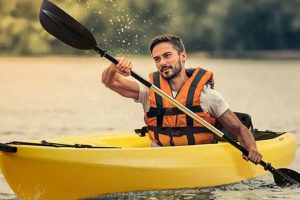
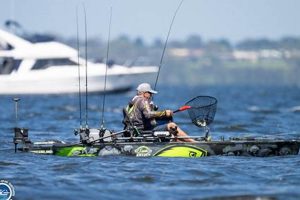
The pursuit of angling from small, human-powered vessels specifically designed for stability and maneuverability on Toronto’s waterways represents a popular recreational activity. This activity provides access to diverse aquatic environments, including Lake Ontario and its tributaries, offering opportunities to catch various fish species.
This specialized form of recreation offers significant advantages, including low environmental impact, opportunities for exercise and the potential for a close connection with nature within an urban setting. The increasing popularity reflects a growing interest in outdoor pursuits and sustainable leisure activities. Historically, smaller watercraft have been utilized for fishing, but the development of modern, purpose-built designs has significantly enhanced both the accessibility and enjoyment of this practice.
The following sections explore relevant topics, including popular launch sites within the city, recommended equipment for local species, licensing regulations and ethical considerations for preserving Torontos aquatic ecosystems.
Tips for Kayak Fishing in Toronto
Careful planning and preparation contribute significantly to a successful and enjoyable kayak fishing experience in Toronto. The following tips offer guidance for anglers of all skill levels.
Tip 1: Research Launch Sites: Toronto offers numerous access points to the water. Selecting a suitable launch site requires consideration of parking availability, water conditions, proximity to target fishing areas, and any applicable fees or regulations. Resources like online forums and local fishing clubs can offer valuable insights.
Tip 2: Prioritize Safety Equipment: A properly fitted personal flotation device (PFD) is essential. A whistle, signaling device, and basic first-aid kit are also recommended. Checking the weather forecast before embarking is crucial.
Tip 3: Choose Appropriate Tackle: Target species dictate rod, reel, and line choices. Local bait and tackle shops can provide advice on suitable equipment for common Toronto catches, such as bass, pike, and panfish.
Tip 4: Employ Effective Fishing Techniques: Techniques vary depending on target species and water conditions. Researching common local techniques, like trolling, casting, or jigging, enhances fishing success.
Tip 5: Respect Local Regulations: A valid fishing license is mandatory. Familiarization with catch limits, size restrictions, and permitted fishing areas ensures compliance with local regulations. Information is available through the Ontario Ministry of Natural Resources and Forestry.
Tip 6: Practice Ethical Angling: Handling fish with care minimizes stress and promotes their survival upon release. Proper disposal of fishing line and other waste preserves the aquatic environment for future generations.
Tip 7: Consider Guided Tours: Novice anglers may benefit from guided fishing tours. Experienced guides can provide instruction on kayaking techniques, local fishing spots, and effective angling strategies.
Adhering to these guidelines promotes safety, increases the likelihood of angling success, and contributes to the responsible enjoyment of Torontos diverse aquatic ecosystems.
By following these tips and engaging in mindful angling practices, anglers can contribute to the long-term health and sustainability of Toronto’s fisheries for the benefit of all.
1. Kayak Selection

Appropriate kayak selection is crucial for a successful fishing experience in Toronto. The chosen vessel significantly influences maneuverability, stability, and overall fishing efficacy within the diverse aquatic environments around the city.
- Hull Design:
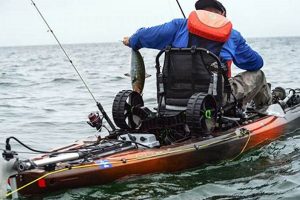
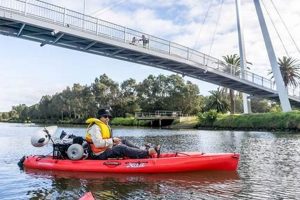
Hull design directly impacts performance. Sit-on-top kayaks offer excellent stability and ease of re-entry, ideal for beginners and warmer weather. Sit-in kayaks provide better protection from the elements and a lower center of gravity, enhancing performance in rougher waters. Pedal-driven kayaks allow hands-free fishing, increasing casting efficiency. Choosing the appropriate hull depends on the intended fishing location and personal preference.
- Length and Width:
Kayak dimensions influence speed, maneuverability, and stability. Longer kayaks track straighter and glide more efficiently, beneficial for covering larger distances on Lake Ontario. Shorter kayaks offer superior maneuverability within tighter spaces, like the Humber River. Wider kayaks offer increased stability, valuable for casting and reeling in fish. Balancing these factors requires consideration of the typical fishing environment.
- Storage Capacity:
Ample storage space is essential for tackle, gear, and potential catches. Dedicated storage compartments, rod holders, and bungee cords are valuable features. The amount of required storage depends on the length of fishing trips and the amount of equipment carried.
- Weight Capacity:
The kayak’s weight capacity must accommodate the angler, gear, and potential catches. Exceeding the weight capacity compromises stability and safety. Accurately assessing the total weight ensures safe and efficient operation.
Careful consideration of these factors ensures the selected kayak aligns with the specific demands of fishing in Toronto’s diverse waters, contributing to a safe, comfortable, and productive angling experience.
2. Fishing Gear

Specialized fishing gear enhances angling success and enjoyment within the context of kayak fishing in Toronto. Equipment selection depends heavily on the target species and the specific conditions of the chosen fishing location, influencing both catch rates and overall experience.
- Rods and Reels:
Shorter rods, typically between 6 and 7 feet, are ideal for kayak fishing, offering maneuverability within the confined space of the vessel. Spinning reels and baitcasting reels are common choices. Spinning reels are generally easier to use for beginners, while baitcasting reels offer greater precision and control for experienced anglers. Rod and reel combinations should be matched to the target species and the type of lure or bait being used.
- Lines and Leaders:
Line selection depends on the target species and fishing conditions. Braided lines offer high sensitivity and strength, beneficial for detecting subtle bites and handling larger fish. Fluorocarbon lines are less visible underwater and offer excellent abrasion resistance. Leaders, typically made of fluorocarbon or steel, provide added protection against sharp teeth or abrasive structures. Line weight and leader strength should be matched to the target species and the potential for snags.
- Lures and Baits:
Effective lure and bait choices depend on the target species and the season. Common lures for Toronto area fish include crankbaits, spinnerbaits, jigs, and soft plastics. Live bait, such as worms, minnows, and leeches, can also be effective. Understanding local fish preferences and seasonal patterns is key to successful bait and lure selection.
- Tackle Storage and Organization:
Efficient tackle storage is essential in a kayak. Tackle boxes or bags designed for kayak fishing offer compact storage and easy access to essential gear. Keeping lures and baits organized and readily accessible maximizes fishing time and minimizes disruption within the limited space of a kayak.
Careful selection and organization of fishing gear significantly influence the overall success and enjoyment of kayak fishing in Toronto. Adapting gear choices to target species, local conditions, and personal preferences contributes to a more productive and rewarding angling experience on the citys waterways.
3. Launch Locations
Access points to Toronto’s waterways are crucial for kayak anglers. Selecting appropriate launch locations directly influences fishing success and overall experience. Factors such as parking availability, water conditions, proximity to target fishing areas, and applicable fees or regulations must be considered.
- Accessibility:
Launch locations vary in accessibility. Some offer convenient paved ramps suitable for launching fully loaded kayaks, while others require carrying the kayak over shorter distances. Considering physical limitations and the weight of the kayak is crucial for a smooth launch experience. Locations like Humber Bay Park offer accessible ramps, while others, like the Toronto Islands, may require more physical effort.
- Parking:
Adequate parking is essential, especially during peak seasons. Some locations offer designated parking for kayak anglers, while others rely on general public parking. Researching parking options beforehand mitigates potential delays and frustrations. Cherry Beach, for example, offers a large public parking area, while some smaller access points have limited parking.
- Water Conditions:
Water conditions significantly impact safety and fishing success. Sheltered bays and harbors offer calmer waters suitable for beginners, while more exposed areas on Lake Ontario can experience challenging waves and currents. Assessing water conditions before launching is essential. The Outer Harbour Marina offers relatively calm waters, while areas near the Toronto Islands can experience stronger currents.
- Proximity to Fishing Grounds:
Launch sites closer to productive fishing grounds minimize transit time and maximize fishing time. Understanding the distribution of target species within the local waters informs launch location selection. Launching near the Leslie Street Spit provides quick access to popular fishing areas.
Strategic launch site selection optimizes the kayak fishing experience in Toronto. Careful consideration of accessibility, parking, water conditions, and proximity to fishing grounds contributes to a safe, efficient, and productive outing. These factors, when evaluated in conjunction with target species and personal preferences, significantly influence overall angling success within the diverse aquatic environments surrounding the city.
4. Target Species

Target species significantly influence equipment choices and location selection for kayak anglers in Toronto. The diverse aquatic ecosystems around the city support a variety of fish species, each presenting unique challenges and requiring specific angling approaches. Understanding the behavior, habitat preferences, and seasonal patterns of target species is crucial for a productive fishing experience.
For example, anglers targeting largemouth bass often focus on shallow, weedy areas within protected bays and harbors, utilizing lures that mimic the appearance and movement of prey fish, such as crankbaits and spinnerbaits. Conversely, those pursuing northern pike may choose deeper waters or areas with submerged structures, employing larger lures and heavier tackle. Similarly, anglers seeking panfish, like sunfish and perch, often opt for lighter tackle and smaller baits, focusing on areas with submerged vegetation or near docks and piers. Matching equipment and location choices to the specific target species maximizes the likelihood of success.
Effective targeting of specific species necessitates understanding their seasonal movements and feeding patterns. Pre-spawn bass, for example, congregate in shallower waters during the spring, while post-spawn fish disperse to deeper, cooler areas. Adjusting fishing strategies based on these seasonal variations is essential for consistent results. Furthermore, responsible angling practices, including catch-and-release techniques and adherence to size and catch limits, contribute to the long-term sustainability of these populations. Understanding target species therefore encompasses not only effective fishing strategies but also ethical considerations for preserving Torontos aquatic ecosystems.
5. Safety Regulations
Adherence to safety regulations is paramount for kayak fishing in Toronto. These regulations, established by governing bodies such as Transport Canada and the Ontario Ministry of Natural Resources and Forestry, are designed to mitigate risks inherent in the activity and ensure the well-being of anglers. Ignoring these regulations can lead to accidents, injuries, or legal penalties. A clear understanding of and compliance with these rules is essential for responsible enjoyment of the sport.
One crucial regulation mandates the carriage of a properly fitted and approved personal flotation device (PFD) for each person on board. PFDs provide essential buoyancy in the event of capsizing, significantly increasing the chances of survival. Similarly, carrying a sound-signaling device, such as a whistle, is mandated to alert other boaters in case of emergencies. Navigational lights are required when fishing during low-light conditions to enhance visibility and prevent collisions. Furthermore, understanding and adhering to boating regulations concerning right-of-way and speed limits are critical for safe navigation within shared waterways. Ignoring these regulations can lead to dangerous situations, endangering both the angler and others.
Beyond mandated equipment, responsible angling practices contribute significantly to overall safety. Regularly checking weather forecasts before embarking minimizes the risk of encountering hazardous conditions. Informing someone of planned fishing locations and estimated return times enhances safety in case of unforeseen circumstances. Carrying a basic first aid kit and communication device provides resources for addressing minor injuries and summoning assistance if required. Practicing self-rescue techniques and understanding cold-water survival strategies further mitigates potential risks. Ultimately, a comprehensive understanding of safety regulations and their practical application forms a foundation for responsible and safe kayak fishing in Toronto, ensuring the enjoyment of this activity while minimizing potential hazards.
6. Local Expertise
Leveraging local expertise significantly enhances the experience of kayak fishing in Toronto. Local knowledge provides crucial insights into nuanced aspects of the activity often overlooked by general resources. This specialized understanding encompasses several key areas, directly influencing fishing success and overall enjoyment.
Experienced local anglers offer invaluable insights into productive fishing locations. They possess detailed knowledge of underwater structures, seasonal fish movements, and effective bait and lure choices for specific areas. For instance, a local angler might know the precise location of a submerged reef or drop-off frequented by smallmouth bass near the Toronto Islands, a detail not readily available on standard nautical charts. Similarly, local expertise can guide anglers towards optimal fishing times based on tidal flows, water temperatures, and prevailing weather patterns. Accessing this nuanced understanding significantly increases the likelihood of successful catches, particularly for those unfamiliar with the local waters.
Beyond fishing locations and techniques, local expertise provides valuable guidance on navigating local regulations, safety procedures, and ethical considerations. Local anglers are often familiar with specific licensing requirements, launch site restrictions, and environmentally sensitive areas to avoid. This knowledge ensures anglers operate within legal and ethical boundaries, contributing to the preservation of Toronto’s aquatic ecosystems. Furthermore, local experts can provide valuable safety advice specific to local conditions, such as navigating strong currents near the Leslie Street Spit or avoiding boat traffic in busy harbor areas. This specialized knowledge contributes to a safer and more responsible fishing experience. Integrating local expertise into planning and execution significantly enhances the overall kayak fishing experience in Toronto, leading to increased success and a deeper appreciation for the local environment.
7. Environmental Impact
The intersection of kayak fishing and environmental impact within Toronto presents a complex interplay of factors. While inherently a low-impact activity compared to motorized boating, kayak fishing nonetheless exerts pressures on the local aquatic ecosystem. Understanding these impacts is crucial for mitigating potential harm and promoting sustainable angling practices within the city’s waterways.
One primary concern stems from fishing tackle and its potential for entanglement or ingestion by wildlife. Discarded fishing line, hooks, and lures pose significant threats to birds, turtles, and fish. Lead sinkers, while effective, contribute to lead contamination in sediments, impacting benthic organisms and potentially entering the food chain. Furthermore, improper disposal of fish remains can alter local nutrient cycles and attract scavengers, disrupting natural ecological processes. For example, discarded line entangled in submerged vegetation can snare turtles and waterfowl, while ingested hooks can cause internal injuries to fish. Similarly, discarded bait can introduce invasive species or contribute to algal blooms, impacting water quality. The cumulative effect of these seemingly minor actions across numerous anglers can exert substantial pressure on the local environment.
Mitigating environmental impact requires proactive measures and responsible angling practices. Utilizing barbless hooks minimizes injury to fish upon release. Retrieving snagged lures and disposing of fishing line properly prevents entanglement hazards. Opting for biodegradable fishing lines and lead-free sinkers minimizes long-term environmental contamination. Practicing catch-and-release techniques for non-target or over-limit catches contributes to healthy fish populations. Educating anglers about the potential impacts of their actions and promoting responsible disposal methods is essential. Ultimately, understanding the connection between kayak fishing and its potential environmental footprint within Toronto fosters a more sustainable approach, ensuring the preservation of these valuable aquatic resources for future generations.
Frequently Asked Questions
This section addresses common inquiries regarding kayak fishing within Toronto.
Question 1: What are the licensing requirements for kayak fishing in Toronto?
A valid Ontario fishing license is required for all individuals engaging in recreational fishing, regardless of whether from shore or a kayak. Specific license types and associated regulations are determined by factors such as age and residency status. Further details are available through the Ontario Ministry of Natural Resources and Forestry.
Question 2: Are there specific launch site restrictions for kayaks within Toronto?
While most public access points permit kayak launching, certain restrictions may apply regarding operating hours, permitted activities, or seasonal closures. Consulting local authorities or park management agencies provides specific information relevant to chosen launch locations.
Question 3: What safety equipment is mandatory for kayak fishing in Toronto?
Regulations mandate the carriage of a Canadian-approved personal flotation device (PFD) for each individual on board. A sound-signaling device, such as a whistle, is also required. Additional recommended safety equipment includes a first-aid kit, communication device, and navigational lights for low-light conditions.
Question 4: What are the common target species for kayak anglers in Toronto?
Common target species include largemouth bass, smallmouth bass, northern pike, panfish (such as sunfish and perch), and carp. The distribution and abundance of these species vary depending on location and seasonality.
Question 5: Where can one find reliable information on local fishing regulations and best practices?
The Ontario Ministry of Natural Resources and Forestry website provides comprehensive information regarding fishing regulations, licensing requirements, and conservation initiatives. Local bait and tackle shops often offer valuable insights into current fishing conditions and effective techniques.
Question 6: What are the primary environmental considerations for kayak anglers in Toronto?
Minimizing environmental impact involves responsible disposal of fishing line and tackle, avoiding disturbance of sensitive habitats, practicing catch-and-release techniques where appropriate, and adhering to established catch limits and size restrictions.
Careful consideration of these frequently asked questions ensures a safe, legal, and environmentally responsible approach to kayak fishing within Toronto. Thorough preparation enhances the overall angling experience and contributes to the preservation of local aquatic ecosystems.
For further information regarding specific aspects of kayak fishing within Toronto, please consult the resources outlined within the preceding sections of this article.
Conclusion
This exploration of angling from specialized small vessels within Toronto’s waterways has highlighted key aspects of the activity. From equipment selection and launch site considerations to responsible angling practices and environmental stewardship, the pursuit requires careful planning and informed decision-making. Understanding local regulations, target species behavior, and appropriate safety measures contributes significantly to a productive and enjoyable experience.
The increasing popularity of this specialized form of recreation presents both opportunities and challenges. Responsible engagement, informed by a comprehensive understanding of the associated factors discussed herein, ensures the preservation of Toronto’s valuable aquatic ecosystems for future generations of anglers. Continued emphasis on sustainable practices and respect for the environment will allow this unique urban angling experience to thrive.