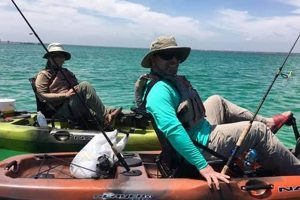
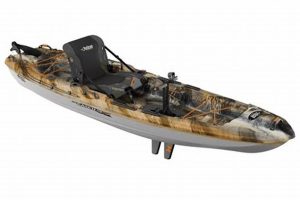
This activity involves angling from a small, human-powered watercraft in breezy conditions. Imagine casting a line for trout while navigating a lake’s currents propelled by a gentle but persistent gust. This scenario exemplifies the core concept, presenting both the challenge and the reward.
Successfully navigating and fishing from a kayak in windy conditions demonstrates advanced paddling skills and angling proficiency. It allows access to areas less frequented by other anglers, potentially leading to improved catches. Historically, small boats have been used for fishing in various cultures, and the modern adaptation with specialized kayaks continues this tradition, albeit with enhanced equipment and techniques.
The following sections will explore essential strategies for safe and successful angling from a kayak in the presence of wind, covering topics such as kayak selection, paddle techniques, anchoring strategies, and specialized gear.
Tips for Kayak Fishing in Windy Conditions
Navigating and fishing from a kayak in wind requires careful planning and execution. The following tips offer guidance for a safer and more productive experience.
Tip 1: Choose a Stable Kayak: Wider kayaks with lower centers of gravity offer greater stability in wind. Longer kayaks track better in windy conditions, reducing the tendency to turn unexpectedly.
Tip 2: Utilize a Drift Sock or Anchor: A drift sock slows the kayak’s drift, allowing for controlled fishing in a specific area. Anchoring provides a stationary position, particularly beneficial in stronger winds. Choose an anchor appropriate for the bottom type.
Tip 3: Master Paddle Strokes: Competence in various paddle strokes, such as the low brace and sweep stroke, is crucial for maintaining control and correcting course in gusts. Regular practice improves efficiency and responsiveness.
Tip 4: Dress Appropriately: Wind can exacerbate cold temperatures, especially when wet. Dressing in layers and including waterproof outerwear is essential for comfort and safety.
Tip 5: Check Weather Forecasts: Prior to embarking, consult detailed wind forecasts. Avoid venturing out in conditions exceeding one’s skill level or the kayak’s capabilities.
Tip 6: Pack Light and Secure Gear: Minimize equipment and ensure all items are securely fastened to the kayak to prevent loss in case of capsizing. Watertight storage protects essential items.
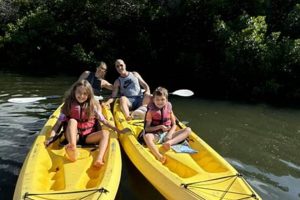
Tip 7: Paddle With a Buddy: Whenever possible, paddle with a companion for enhanced safety. In the event of an emergency, assistance is readily available.
By adhering to these guidelines, anglers can significantly improve their safety and success while facing the challenges of wind on the water.
Careful preparation and execution contribute significantly to a rewarding and safe experience. The insights provided here equip anglers to face the challenges of wind with confidence.
1. Kayak Selection
Appropriate kayak selection significantly impacts success and safety when fishing in windy conditions. Choosing the right vessel involves careful consideration of hull design, length, width, and weight capacity to ensure optimal performance and stability on the water.
- Hull Design
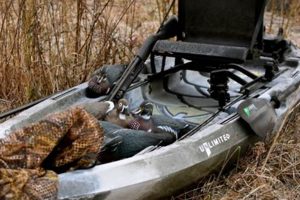
Hull design plays a crucial role in wind performance. Flat-bottomed hulls offer greater initial stability but can be easily affected by wind, while V-shaped hulls track better but may feel less stable. Pontoon hulls provide excellent stability but sacrifice maneuverability. A sit-on-top design offers inherent buoyancy and self-bailing capabilities, advantageous in rough conditions.
- Length and Width
Longer kayaks generally track straighter in wind, while shorter kayaks turn more easily. Wider kayaks offer increased stability, reducing the likelihood of capsizing. A balance between length and width must be considered based on anticipated wind conditions and fishing locations. A shorter, wider kayak provides stability in sheltered bays, while a longer, narrower one performs better in open water with moderate wind.
- Weight Capacity
Weight capacity dictates the maximum load a kayak can safely carry, including angler weight, fishing gear, and any additional equipment. Exceeding the weight capacity compromises stability and performance, especially in wind. Calculating the total weight and selecting a kayak with ample capacity is crucial for a safe and efficient fishing experience.
- Sit-In vs. Sit-On-Top
Sit-in kayaks offer some protection from wind and waves but can be more challenging to recover from a capsize. Sit-on-top kayaks facilitate quick re-entry and offer inherent buoyancy. The choice depends on personal preference, experience level, and the specific conditions anticipated during the fishing trip.
Ultimately, the optimal kayak for windy conditions balances stability, maneuverability, and tracking performance. Careful consideration of these factors, combined with an understanding of personal paddling skills and the specific fishing environment, ensures a safe and successful outing. Investing time in researching and testing various kayak types before purchase can significantly improve long-term satisfaction and on-the-water performance.
2. Paddle Control

Effective paddle control is paramount for successful kayak fishing in windy conditions. It directly influences boat positioning, stability, and the ability to present lures or bait effectively. Mastery of various paddle strokes enables anglers to counteract wind drift, maintain desired angles for fishing, and navigate challenging waters safely.
- Forward Stroke Efficiency
A powerful and efficient forward stroke is essential for covering distance and maintaining position against the wind. Proper technique minimizes energy expenditure and maximizes propulsion. A high-angle paddle entry and strong pull through the water generate the necessary force. This becomes particularly crucial when paddling into a headwind or navigating strong currents.
- Sweep Strokes for Maneuvering
Sweep strokes provide turning control, enabling quick adjustments in boat orientation. Wide, arcing strokes at the bow or stern create rotational force. These become critical for correcting wind-induced drift, turning into position for a cast, or maneuvering around obstacles. Practicing sweep strokes on both sides of the kayak develops balanced control.
- Bracing for Stability
Low and high brace strokes provide corrective support, preventing capsizes in gusts or turbulent water. By extending the paddle blade flat against the water’s surface, anglers create a stabilizing outrigger effect. Swift and decisive bracing maintains balance during unexpected wind gusts or when fighting a fish. Regular practice builds confidence and reaction time.
- Rudder Strokes for Tracking
Rudder strokes, similar to a canoe’s rudder, assist in maintaining a straight course in crosswinds. Dragging the paddle blade behind the kayak creates directional stability, reducing the tendency to veer off course. Combining rudder strokes with forward strokes ensures efficient progress and minimizes the need for constant corrective adjustments.
Proficient paddle control empowers anglers to overcome the challenges of wind, transforming a potentially frustrating experience into a successful and enjoyable outing. The ability to maintain position, maneuver effectively, and remain stable enhances fishing opportunities and ensures a safe return to shore. Consistent practice and refinement of these fundamental strokes are essential for any angler venturing onto the water in windy conditions.
3. Anchoring Strategies

Anchoring strategies play a vital role in successful kayak fishing when wind is a factor. Wind drift significantly impacts an angler’s ability to maintain position, present bait effectively, and thoroughly cover a chosen fishing area. A properly deployed anchor allows anglers to counteract drift, hold position over structure, and maintain a desired presentation depth, maximizing fishing effectiveness. Without a suitable anchoring system, even light breezes can make precise lure control and consistent depth maintenance extremely challenging.
Several anchoring methods are available, each with advantages and disadvantages in specific wind conditions. Traditional fluke-style anchors provide strong holding power in moderate winds and are well-suited for sandy or muddy bottoms. Lightweight grapnel anchors offer versatility and effectiveness on rocky or weedy bottoms but may require more frequent repositioning in stronger gusts. Drift socks provide controlled drift, slowing movement while maintaining a natural presentation, particularly beneficial in open water or when targeting drifting fish. For instance, when fishing a river channel with a consistent current and moderate wind, a drift sock allows the kayak to move naturally with the flow while maintaining a controlled pace and position within the channel. In contrast, when targeting structure in a lake with gusty winds, a fluke anchor provides the holding power necessary to remain stationary and fish the area effectively. Choosing the right anchoring strategy requires careful consideration of wind strength, bottom composition, water depth, and target species.
Effective anchoring strategies enhance fishing efficiency and contribute significantly to safety in windy conditions. A secure anchor prevents uncontrolled drift, keeping anglers within a manageable area and reducing the risk of being blown into hazardous waters or unfavorable fishing locations. Understanding the principles of proper anchor deployment, including scope adjustment and anchor retrieval techniques, is crucial for successful kayak fishing in the wind. Failure to employ appropriate anchoring strategies can lead to frustration, lost fishing opportunities, and potentially dangerous situations. By mastering these techniques, anglers gain greater control over their fishing environment, maximizing their chances of success and ensuring a safe and enjoyable experience on the water.
4. Weather Awareness

Weather awareness is paramount for safe and successful kayak fishing, especially in windy conditions. Wind significantly impacts kayak control, navigation, and overall safety on the water. Understanding weather patterns, interpreting forecasts, and recognizing potential hazards are crucial for informed decision-making and risk mitigation.
- Wind Speed and Direction
Wind speed dictates kayak handling and potential drift. Strong winds can create challenging paddling conditions, requiring advanced skills and potentially limiting accessible areas. Wind direction influences drift patterns and determines optimal fishing locations. For example, a headwind creates significant resistance, while a tailwind can push a kayak rapidly toward shore or other obstacles. Consulting wind forecasts and observing real-time conditions allows anglers to anticipate challenges and adjust plans accordingly. A shift in wind direction during a fishing trip can alter wave patterns, creating choppy conditions that necessitate adjustments in paddling technique or even a return to shore.
- Temperature and Water Conditions
Air and water temperatures influence angler comfort and safety. Cold air and water increase the risk of hypothermia, particularly in windy conditions where evaporative cooling accelerates heat loss. Sudden temperature drops can create unexpected challenges. Dressing appropriately in layers and having waterproof gear becomes crucial in mitigating these risks. For example, an angler dressed for warm, sunny conditions might face unexpected challenges if a cold front moves in, bringing strong winds and a significant temperature drop.
- Weather Changes and Forecasting
Weather patterns are dynamic, and conditions can change rapidly. Monitoring forecasts before and during a fishing trip provides essential insights into potential changes in wind speed, direction, and precipitation. Awareness of approaching fronts or changing weather patterns enables anglers to make informed decisions about whether to continue fishing or seek shelter. Reliable weather apps and local reports offer valuable information for planning and adapting to changing conditions. Ignoring forecast warnings or failing to recognize developing weather patterns can lead to hazardous situations on the water.
- Local Effects and Microclimates
Local geographical features can influence wind patterns and create microclimates. Hills, valleys, and bodies of water can channel wind, creating localized gusts or areas of accelerated wind speed. Understanding these local effects is essential for anticipating potential challenges and selecting appropriate fishing locations. For instance, a sheltered cove might offer protection from prevailing winds, while an exposed point could experience significantly stronger gusts. Local knowledge and observation of on-the-water conditions enhance safety and fishing effectiveness.
Effective kayak fishing in windy conditions requires a comprehensive understanding of weather dynamics and their influence on the aquatic environment. By prioritizing weather awareness, anglers can make informed decisions, adapt to changing conditions, and mitigate potential risks, ensuring a safe and successful fishing experience.
5. Safety Gear

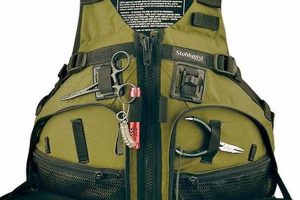
Safety gear is paramount when kayak fishing in windy conditions. Wind amplifies risks inherent in the activity, increasing the potential for capsizing, rapid drift, and challenging rescues. Specialized safety equipment mitigates these risks, enhancing angler preparedness and promoting a safe return. A life jacket, or personal flotation device (PFD), is non-negotiable. It provides essential buoyancy in case of capsize, especially crucial in cold water or when strong winds create choppy conditions that impede swimming. A communication device, such as a VHF radio or waterproof cell phone in a floating case, enables calls for assistance in emergencies. Consider a situation where a sudden gust overturns a kayak far from shore. Without a PFD, the angler faces immediate danger, particularly if injured or unable to self-rescue. A communication device becomes vital for contacting emergency services or nearby boaters for assistance. This underscores the direct link between safety gear and survival in challenging windy conditions.
Beyond essential items, additional safety gear enhances preparedness. A whistle signals distress if separated from the kayak or in need of immediate assistance. A first-aid kit addresses minor injuries and provides essential supplies until professional medical help arrives. A paddle leash prevents paddle loss in rough conditions, maintaining a vital tool for navigation and self-rescue. Navigation lights or reflective tape on the kayak enhance visibility in low-light conditions or fog, reducing the risk of collision with other vessels. Carrying a bilge pump or bailing device assists in removing water from the kayak after a wave or capsize, restoring stability and preventing further complications. These supplemental safety measures contribute significantly to overall preparedness and resilience in unexpected situations.
Investing in appropriate safety gear and ensuring its proper use are fundamental to responsible kayak fishing, particularly in the wind. Regular equipment checks, practice drills for deploying safety devices, and ongoing education regarding best practices enhance preparedness and response effectiveness in emergencies. While inherent risks exist in any on-the-water activity, a proactive approach to safety significantly mitigates potential hazards, allowing anglers to enjoy the sport responsibly and confidently. Understanding the critical role of safety gear contributes to a culture of preparedness, fostering a safer environment for all on the water.
6. Drift Management

Drift management is essential for effective kayak fishing in windy conditions. Wind-induced drift significantly impacts angling success by affecting lure presentation, bottom coverage, and the ability to maintain desired fishing locations. Without proper drift management techniques, anglers struggle to control their kayak’s movement, leading to inefficient presentations, missed opportunities, and potential safety hazards. Consider a scenario where an angler intends to fish a specific underwater structure known to hold fish. Strong winds create substantial drift, pushing the kayak away from the target zone, hindering accurate lure placement and reducing the chances of a successful hookup. Conversely, effective drift management allows anglers to counteract wind forces, maintaining position and optimizing lure presentation in the desired area.
Several techniques contribute to effective drift management. Drift socks, deployed from the kayak, create drag, slowing wind-driven movement and allowing for controlled drifts. Properly positioned drift socks allow anglers to cover a target area methodically, maintaining a consistent presentation depth and speed. Paddle strokes, such as the rudder stroke and corrective sweep strokes, counteract drift and maintain boat position. Understanding how wind direction and speed influence drift patterns allows anglers to anticipate kayak movement and make necessary adjustments. For example, in a crosswind, angling the kayak slightly into the wind minimizes drift and maintains a more stable position. Combining drift socks with strategic paddling further enhances control, allowing for precise adjustments and optimized fishing presentations.
Mastering drift management significantly improves fishing success and safety in windy conditions. Precise control over kayak movement allows anglers to target specific areas, maintain ideal lure presentations, and maximize time spent fishing effectively. Furthermore, controlled drift reduces the risk of being blown into hazardous areas or away from designated fishing zones, enhancing overall safety on the water. A clear understanding of drift dynamics, combined with practical experience employing various management techniques, empowers anglers to confidently navigate windy conditions, transforming a potential challenge into an advantage.
Frequently Asked Questions
This section addresses common queries regarding kayak fishing in windy conditions. Clear and concise answers provide practical insights for anglers seeking to enhance their skills and safety on the water.
Question 1: What type of kayak is best suited for windy conditions?
Wider, more stable kayaks with lower centers of gravity perform best. Longer kayaks also track better, minimizing wind-induced turning. Sit-on-top kayaks are generally preferred for their self-bailing capabilities.
Question 2: How does wind affect kayak control and fishing techniques?
Wind creates drift, making it challenging to maintain position and present lures effectively. Specialized paddle strokes and anchoring techniques become crucial for counteracting drift and maintaining boat control.
Question 3: What safety precautions are essential when kayak fishing in the wind?
Always wear a personal flotation device (PFD). Carry a communication device, such as a VHF radio or waterproofed cell phone. Inform someone of the fishing plan, including location and expected return time. Check weather forecasts before embarking and be prepared to adjust plans based on conditions.
Question 4: How can anglers manage drift effectively in windy conditions?
Employing a drift sock creates drag, slowing movement and allowing for controlled drift fishing. Strategic paddling techniques and understanding wind patterns also help manage kayak position. Anchoring provides a stationary fishing platform when wind drift is excessive.
Question 5: What are the essential items to pack for a kayak fishing trip in windy weather?
Essential items include a PFD, communication device, paddle leash, first-aid kit, bilge pump or bailing device, appropriate clothing for changing weather conditions, anchor, and drift sock. Pack items securely to prevent loss in case of capsize.
Question 6: Are there specific wind speeds that should be avoided when kayak fishing?
Decisions regarding acceptable wind speeds depend on angler skill level, kayak type, and water conditions. Generally, beginners should avoid fishing in winds exceeding 10-15 knots. Even experienced anglers should exercise caution in stronger winds and be prepared to adjust plans or return to shore if conditions deteriorate. Always prioritize safety.
Careful preparation and an understanding of wind effects on kayak handling are essential for a safe and successful fishing experience. Prioritizing safety considerations ensures enjoyable outings on the water, even in challenging windy conditions.
For further information on specific techniques and equipment, consult additional resources and local experts.
Kayak Fishing in the Wind
Navigating and fishing from a kayak in windy conditions presents unique challenges requiring specialized knowledge and skills. This exploration has highlighted key aspects, from kayak selection and paddle control to anchoring strategies, weather awareness, and essential safety gear. Effective drift management techniques emerge as crucial for maintaining boat position, optimizing lure presentation, and maximizing fishing success in the presence of wind. Appropriate safety measures, including the consistent use of personal flotation devices and communication methods, remain paramount for mitigating risks inherent in the activity.
Successful kayak fishing in the wind demands a comprehensive understanding of environmental factors and their influence on boat handling and angling techniques. Careful preparation, continuous skill development, and a steadfast commitment to safety protocols empower anglers to confidently face the challenges of wind on the water, transforming potential obstacles into opportunities for a rewarding and secure fishing experience. Continued exploration of advanced techniques and emerging technologies promises further enhancement of both safety and effectiveness in this dynamic and engaging pursuit.