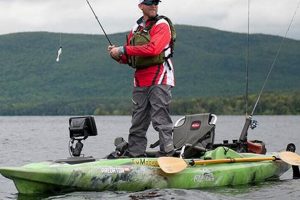
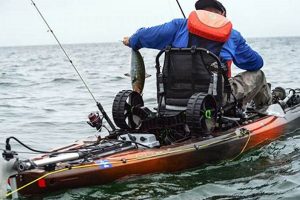
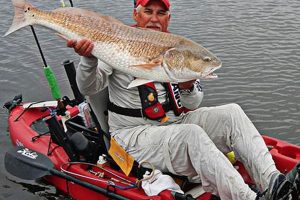
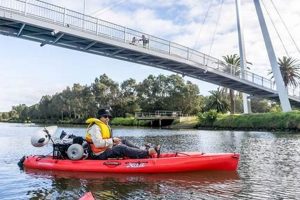
A professional specializing in angling excursions within the Jacksonville area, using kayaks as the primary mode of transportation, offers a unique and intimate experience on the water. This expert provides not only the necessary equipment, but also in-depth local knowledge of waterways, fish species, and effective techniques. For example, such a professional might guide clients through the Intracoastal Waterway, targeting redfish, or explore the creeks of the Timucuan Preserve for flounder and speckled trout.
Accessing shallow-water fisheries often inaccessible by larger boats provides a distinct advantage. This personalized approach allows for tailored instruction, enhancing the angler’s skills and understanding of the local ecosystem. Historically, fishing guides have played a vital role in connecting people with the outdoors, passing down generations of accumulated knowledge and fostering a deeper appreciation for conservation. In the modern context, this service adapts to contemporary demands, offering specialized experiences like kayak fishing, reflecting a growing interest in sustainable and immersive outdoor activities.
The following sections delve into specific aspects of this specialized service, exploring topics such as choosing the right guide, understanding local regulations, and selecting appropriate gear for a successful and enjoyable experience on Jacksonville’s waters.
Tips for Kayak Fishing in Jacksonville
Successful kayak fishing expeditions in Jacksonville require preparation and awareness. The following tips offer valuable insights for anglers of all skill levels.
Tip 1: Research Local Regulations. Familiarization with current licensing requirements, catch limits, and permitted fishing zones is crucial for legal and responsible angling.
Tip 2: Prioritize Safety Equipment. A personal flotation device (PFD) is essential, along with a whistle, signaling mirror, and a communication device for emergencies. Weather conditions can change rapidly, so checking forecasts before departure is paramount.
Tip 3: Choose Appropriate Gear. Rods and reels suited for targeted species and fishing techniques optimize effectiveness. Selecting appropriate tackle and lures enhances fishing success in diverse environments.
Tip 4: Plan Your Route. Mapping intended fishing areas, including launch points and potential hazards, contributes to a safe and efficient experience. Tidal flows and currents should be considered when charting a course.
Tip 5: Practice Kayak Control. Maneuvering a kayak effectively, especially in windy or shallow conditions, ensures stability and access to prime fishing spots. Understanding basic paddling techniques enhances safety and enjoyment.
Tip 6: Respect the Environment. Practicing catch-and-release whenever possible, minimizing disturbance to wildlife habitats, and properly disposing of waste preserve the integrity of the ecosystem.
Tip 7: Hire a Local Guide. Engaging the services of a knowledgeable guide offers invaluable insights into local fishing hot spots, species behavior, and effective techniques.
Adhering to these guidelines promotes a safe, productive, and enjoyable kayak fishing experience in Jacksonville, maximizing opportunities for success while minimizing potential risks.
By following these tips, anglers can fully appreciate the unique opportunities offered by Jacksonvilles diverse waterways.
1. Local Expertise

Local expertise forms the cornerstone of a successful Jacksonville kayak fishing guide’s service. Intimate knowledge of the region’s intricate waterways, including tidal patterns, currents, and seasonal fish movements, distinguishes a skilled guide. This deep understanding allows for precise navigation to productive fishing grounds, maximizing opportunities for clients. For instance, a guide familiar with the backwaters of the St. Johns River can pinpoint optimal locations for targeting redfish based on tidal stage and time of year. Similarly, understanding the nuances of the Intracoastal Waterway allows anticipation of changing currents and selection of appropriate anchoring locations for a safe and effective fishing experience.
The value of local expertise extends beyond navigation. A seasoned guide possesses a comprehensive understanding of fish behavior and preferred habitats within the Jacksonville area. This knowledge informs lure selection, presentation techniques, and fishing strategies tailored to specific target species. A guide might, for example, employ specific techniques for targeting flounder in the shallow grass flats or utilize different strategies for pursuing tarpon near inlets during their migratory runs. This specialized knowledge significantly increases the likelihood of a successful catch, enhancing the overall client experience. Furthermore, local expertise encompasses an understanding of relevant regulations, ensuring compliance with licensing requirements and catch limits, promoting responsible angling practices.
In summary, local expertise directly correlates with the effectiveness and value offered by a Jacksonville kayak fishing guide. It enables strategic navigation, targeted fishing techniques, and adherence to regulations. Clients benefit from increased fishing success, a deeper understanding of the local ecosystem, and a safe, enjoyable experience on the water. Choosing a guide with demonstrable local expertise represents a crucial investment in a rewarding kayak fishing adventure in Jacksonville.

Navigation skills constitute a critical component of a competent Jacksonville kayak fishing guide’s repertoire. The intricate network of waterways characterizing the Jacksonville area, encompassing the Intracoastal Waterway, the St. Johns River, and numerous creeks and tributaries, demands precise navigation. Effective navigation ensures efficient movement between fishing locations, maximizing time spent angling. Moreover, it safeguards clients by avoiding hazards such as shallows, oyster beds, and areas with heavy boat traffic. A guide’s ability to interpret nautical charts, utilize GPS technology, and understand tidal influences directly impacts the safety and success of a fishing expedition. For example, navigating the shifting currents and sandbars of the Nassau River requires expertise to prevent grounding or drifting into hazardous zones. Similarly, understanding tidal flows within the St. Johns River allows a guide to anticipate optimal fishing locations based on water movement and baitfish concentrations.
Beyond basic navigation, skilled guides leverage their understanding of local waterways to locate prime fishing spots. Knowledge of specific channels, drop-offs, and submerged structures provides access to areas holding target species. This targeted approach enhances fishing success, allowing clients to focus on angling rather than searching for productive waters. For instance, a guide proficient in navigating the creeks of the Timucuan Ecological and Historic Preserve can position clients near oyster bars known to attract redfish and speckled trout. This strategic positioning maximizes fishing opportunities, contributing to a more rewarding experience. Furthermore, skilled navigation ensures efficient use of time, allowing exploration of multiple fishing locations within a single outing. This flexibility adapts to changing conditions and fish behavior, optimizing chances of a successful catch.
In conclusion, proficient navigation skills represent a foundational element of a successful Jacksonville kayak fishing guide’s service. Safe and efficient movement through complex waterways, combined with strategic positioning in productive fishing areas, directly contributes to client satisfaction and angling success. Choosing a guide with demonstrable navigation expertise ensures not only a safe and productive experience but also enhances appreciation for the diverse aquatic environment surrounding Jacksonville.
3. Equipment Provision

Equipment provision represents a significant component of the service offered by a Jacksonville kayak fishing guide. Eliminating the need for clients to purchase, transport, and maintain specialized equipment enhances accessibility and convenience. This aspect allows individuals to experience kayak fishing without the significant upfront investment often associated with the activity. The following facets illustrate the importance of equipment provision within the context of guided kayak fishing in Jacksonville.
- Kayaks and Paddles
Providing stable and appropriately sized kayaks, equipped with comfortable seating and suitable paddles, forms the foundation of the equipment package. A guide will typically offer kayaks designed for fishing, featuring rod holders, storage compartments, and other specialized features. For example, sit-on-top kayaks are often preferred for their stability and ease of re-entry in the event of a capsize. The choice of paddle length and blade shape also contributes to efficient paddling and maneuverability, crucial for navigating Jacksonville’s diverse waterways.
- Fishing Gear
A comprehensive equipment package includes rods, reels, lines, hooks, lures, and other terminal tackle appropriate for the target species and fishing techniques employed. A guide will typically select gear suited for the local environment and prevalent fish species, such as redfish, speckled trout, flounder, and tarpon. For instance, a guide targeting redfish in the shallow flats might provide spinning rods with medium-heavy action and braided fishing line, while targeting tarpon near inlets might require heavier tackle with conventional reels and wire leaders. This tailored approach maximizes the client’s chances of success.
- Safety Equipment
Provision of essential safety equipment prioritizes client well-being. This includes personal flotation devices (PFDs) or life jackets, whistles, signaling mirrors, and potentially a first-aid kit. A responsible guide ensures all safety equipment meets regulatory standards and is in good working condition. Additionally, some guides may provide communication devices, such as VHF radios or cell phones in waterproof cases, to maintain contact in case of emergencies or unexpected situations.
- Additional Accessories
Beyond the core equipment, a guide might furnish additional accessories to enhance the fishing experience. These could include anchor systems for maintaining position in current or wind, fish finders or depth sounders for locating fish and structure, and even coolers or dry bags for storing food, drinks, and personal belongings. These supplementary items contribute to client comfort and convenience, allowing for a more enjoyable and productive fishing trip.
By providing well-maintained and appropriate equipment, a Jacksonville kayak fishing guide enables clients to focus on the experience itself, enhancing accessibility and enjoyment. This comprehensive approach removes the logistical barriers to entry, allowing individuals to engage with the sport without the financial commitment of equipment ownership. Ultimately, quality equipment provision contributes significantly to a positive and rewarding kayak fishing adventure in Jacksonville.
4. Safety Instruction

Safety instruction constitutes a critical responsibility of a Jacksonville kayak fishing guide. The inherent risks associated with on-water activities necessitate comprehensive safety protocols to mitigate potential hazards. Guides bear the responsibility of ensuring client safety through proper instruction and preparation. A thorough safety briefing before embarking on a fishing trip addresses potential dangers and equips clients with the knowledge and skills to react appropriately in emergencies. This briefing typically covers fundamental safety procedures, including proper use of personal flotation devices (PFDs), understanding navigational hazards, and emergency communication protocols.
The Jacksonville area presents specific safety considerations due to its diverse waterways. Navigating the Intracoastal Waterway, for example, requires awareness of boat traffic and changing currents. Fishing in the St. Johns River necessitates understanding tidal influences and potential encounters with wildlife. Guides address these specific challenges by providing location-specific safety information, tailored to the planned fishing area. For instance, a guide operating near inlets will emphasize the importance of understanding strong currents and tidal flows, while a guide fishing in calmer backwaters might focus on avoiding submerged obstacles and wildlife interactions. Practical demonstrations, such as proper paddling techniques for stability and maneuvering in various conditions, enhance client comprehension and preparedness. Furthermore, a guide’s ability to assess weather conditions and make informed decisions regarding trip safety remains paramount. Postponing or altering a trip due to inclement weather demonstrates a commitment to client safety.
Effective safety instruction fosters client confidence and contributes to a positive overall experience. Knowledge of safety procedures empowers clients to participate actively in risk mitigation, promoting a culture of safety on the water. The ability of a guide to articulate safety information clearly and concisely, combined with practical demonstrations and ongoing observation, underscores professionalism and commitment to client well-being. Ultimately, comprehensive safety instruction delivered by a Jacksonville kayak fishing guide safeguards clients, enhances their enjoyment of the experience, and contributes to responsible and sustainable use of the region’s waterways.
5. Fishing Techniques

A Jacksonville kayak fishing guide’s proficiency in various fishing techniques directly influences client success and overall experience. Adapting techniques to target specific species prevalent in Jacksonville’s waters, such as redfish, speckled trout, flounder, and tarpon, constitutes a core competency. A guide’s expertise extends beyond basic casting and retrieving to encompass specialized techniques tailored to local conditions and target species. For instance, sight-fishing for redfish in shallow flats requires precise casting and subtle lure presentations, while drifting live bait for flounder necessitates understanding tidal currents and bottom structure. Similarly, employing techniques like topwater lures for speckled trout during low-light conditions or slow-trolling live bait for tarpon near inlets demonstrates adaptability and expertise.
Effective instruction in these techniques forms an integral part of the guide’s service. Clear and concise explanations, combined with practical demonstrations and personalized guidance, empower clients to apply these techniques successfully. A guide might, for example, explain the nuances of retrieving a jig along the bottom to attract flounder or demonstrate the proper technique for working a topwater lure to elicit strikes from speckled trout. This tailored instruction enhances client engagement and fosters skill development, leading to increased fishing success and a deeper understanding of the sport. Furthermore, a skilled guide adapts techniques based on real-time conditions, such as water clarity, tide, and wind, optimizing fishing strategies for prevailing circumstances.
Mastery of fishing techniques, coupled with effective instruction and adaptability, distinguishes a competent Jacksonville kayak fishing guide. This expertise translates directly into enhanced client experiences, characterized by increased catch rates and a deeper appreciation of the intricacies of angling within the Jacksonville ecosystem. Ultimately, this specialized knowledge contributes to a more rewarding and memorable fishing adventure, fostering a sense of accomplishment and connection with the natural environment.
6. Environmental Awareness

Environmental awareness constitutes an integral facet of a responsible Jacksonville kayak fishing guide’s professional practice. The delicate balance of the local ecosystem necessitates mindful interaction with the natural environment. Guides serve as stewards of these waterways, promoting sustainable practices that preserve the integrity of the ecosystem for future generations. Understanding the interconnectedness of the aquatic environment, including the impact of human activities on fish populations, water quality, and habitat health, informs responsible guiding practices. For example, minimizing disturbance to nesting bird colonies, avoiding sensitive seagrass beds, and adhering to catch-and-release principles demonstrate a commitment to environmental stewardship. Educating clients about the importance of conservation further amplifies the positive impact of environmentally conscious guiding.
Practical applications of environmental awareness manifest in several ways. Proper disposal of fishing line and other debris prevents entanglement of wildlife and minimizes pollution. Respecting designated no-fishing zones safeguards critical habitats and breeding grounds. Promoting catch-and-release practices, particularly for vulnerable species, helps maintain healthy fish populations. Furthermore, educating clients about the local ecosystem, including the identification of various species and their ecological roles, fosters appreciation for the natural environment and encourages responsible angling practices. For example, explaining the importance of mangrove forests as nurseries for juvenile fish underscores the need for their protection. Highlighting the impact of water pollution on fish health reinforces the importance of proper waste disposal. These practical demonstrations of environmental awareness translate into tangible benefits for the local ecosystem.
In summary, environmental awareness distinguishes a responsible and ethical Jacksonville kayak fishing guide. A commitment to sustainable practices, coupled with client education, contributes to the long-term health and resilience of the region’s waterways. This awareness fosters a deeper appreciation for the natural environment, promoting responsible angling practices that benefit both the ecosystem and future generations of anglers. Challenges such as increasing coastal development and pollution necessitate ongoing vigilance and proactive conservation efforts. By integrating environmental awareness into their guiding practices, professionals contribute significantly to preserving the ecological integrity of Jacksonville’s valuable aquatic resources.
Frequently Asked Questions
Addressing common inquiries regarding guided kayak fishing experiences in Jacksonville provides clarity and facilitates informed decision-making.
Question 1: What level of fishing experience is required for a guided kayak fishing trip?
Guided kayak fishing trips cater to all skill levels, from novice anglers to experienced professionals. Guides provide tailored instruction and support based on individual experience.
Question 2: What is typically included in the cost of a guided kayak fishing trip?
The cost typically includes kayak rental, paddling equipment, fishing gear, safety equipment, and the guide’s expertise. Some guides may offer additional services, such as transportation or photography, for an extra fee.
Question 3: What are the typical target species for kayak fishing in Jacksonville?
Common target species include redfish, speckled trout, flounder, tarpon, and other inshore species depending on the season and location.
Question 4: What should one wear and bring on a guided kayak fishing trip?
Appropriate attire includes comfortable clothing suitable for the weather conditions, including non-marking shoes with good traction. Recommended items to bring include sunscreen, a hat, polarized sunglasses, insect repellent, and a personal water bottle. A waterproof bag for personal items, such as a phone or camera, is also advisable.
Question 5: What are the typical weather conditions in Jacksonville for kayak fishing?
Jacksonville enjoys a generally mild climate, suitable for year-round fishing. However, conditions can vary, so checking the weather forecast prior to the trip and dressing accordingly is recommended. Guides may reschedule or adjust trip plans based on inclement weather.
Question 6: What licensing requirements apply to kayak fishing in Jacksonville?
Fishing licenses are typically required for anglers over a certain age. Guides can provide information on specific licensing requirements or assist in obtaining necessary licenses prior to the trip. Adhering to all local fishing regulations is essential.
Preparation and communication with the chosen guide ensure a productive and enjoyable kayak fishing experience. Inquiries regarding specific needs or concerns are encouraged for optimal trip planning.
Further details regarding booking procedures, trip customization options, and other specific inquiries are addressed in the following sections.
Jacksonville Kayak Fishing Guide
Exploration of the Jacksonville kayak fishing guide service reveals multifaceted expertise encompassing navigation, equipment provision, safety instruction, targeted fishing techniques, and environmental stewardship. These professionals facilitate access to the region’s diverse fisheries while promoting responsible angling practices. Matching angler experience levels with appropriate guiding services ensures a safe, productive, and educational experience. Careful consideration of factors such as local expertise, equipment quality, and safety protocols contributes to informed decision-making when selecting a guide.
The growing popularity of kayak fishing underscores the demand for knowledgeable and responsible guides. Continued emphasis on sustainable practices and environmental awareness ensures the preservation of Jacksonville’s valuable aquatic resources for future generations. Engaging qualified professionals fosters a deeper appreciation for the intricate ecosystem and contributes to the long-term health of the fishery. Ultimately, the Jacksonville kayak fishing guide represents a crucial link between anglers and the natural environment, promoting sustainable interaction and enriching the overall fishing experience.